
Legislature approves special mechanisms for social housing development
Must read
HCMC proposes no markup on official land prices

HCMC proposes no markup on official land prices

Property June 23, 2026

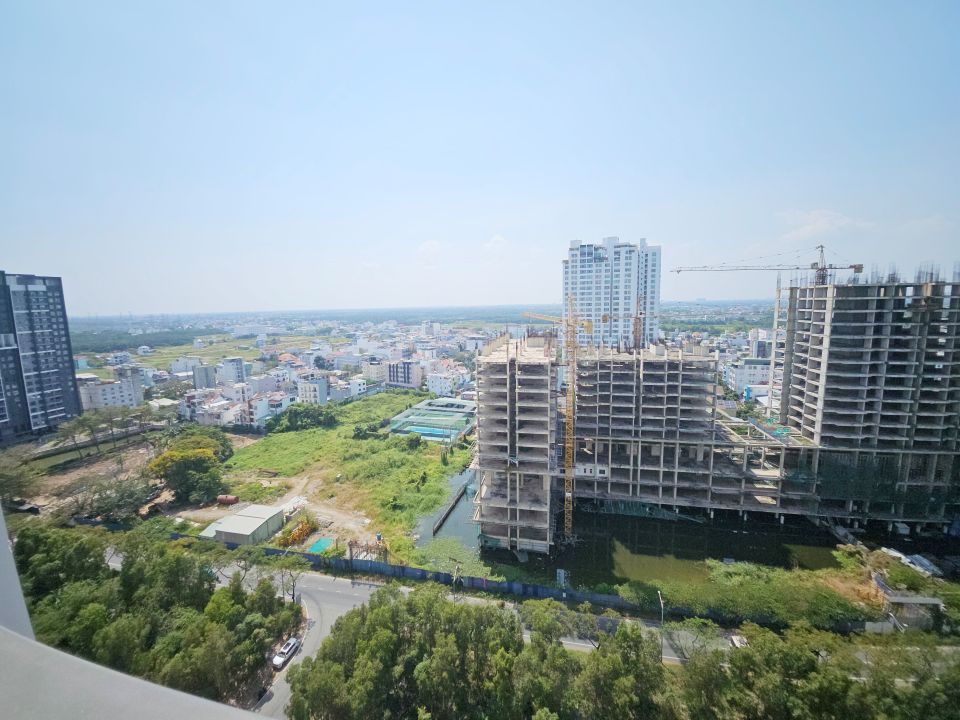
HCMC – HCMC’s Department of Natural Resources and Environment has proposed setting the land price adjustment coefficient, known as the K factor, at 1 for households and businesses, meaning land-use fees and rents would be calculated directly from the official land price table without any upward adjustment.
Vietnam prioritizes rental housing in cities, industrial zones

Vietnam prioritizes rental housing in cities, industrial zones

News June 22, 2026

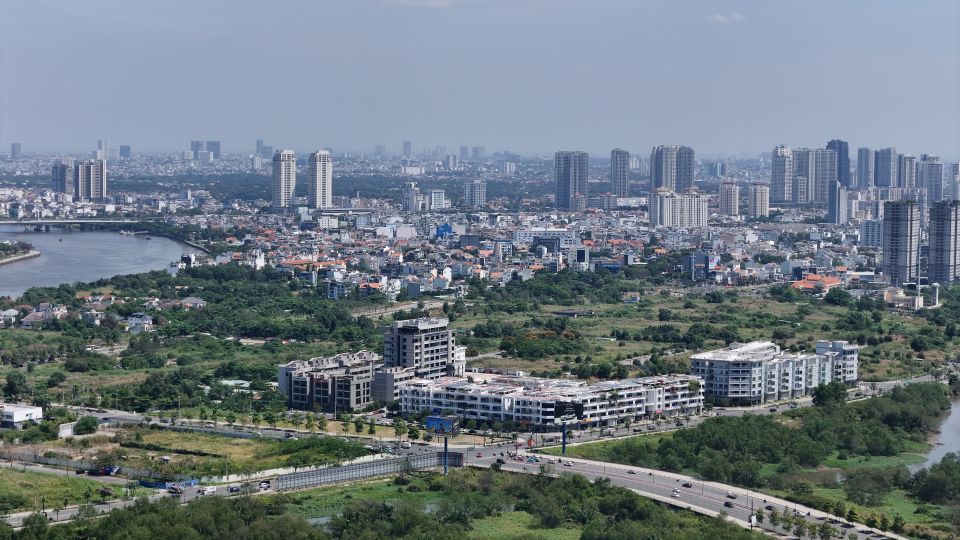
HCMC – The Vietnamese Government will prioritize the development of rental housing, particularly apartment projects in major cities, industrial parks and key economic regions, while requiring local authorities to prepare cleared land and supporting infrastructure to attract private investment.
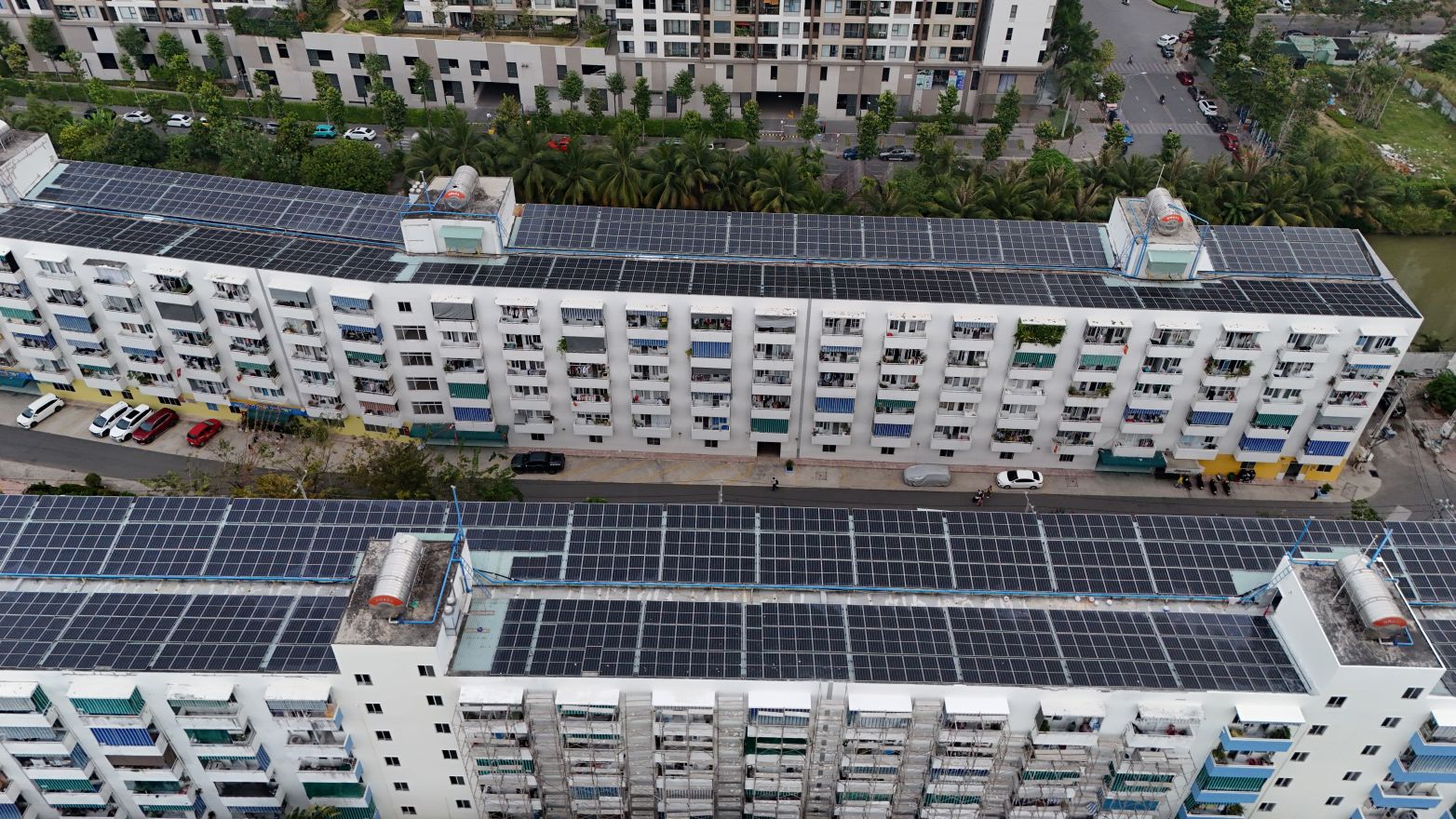
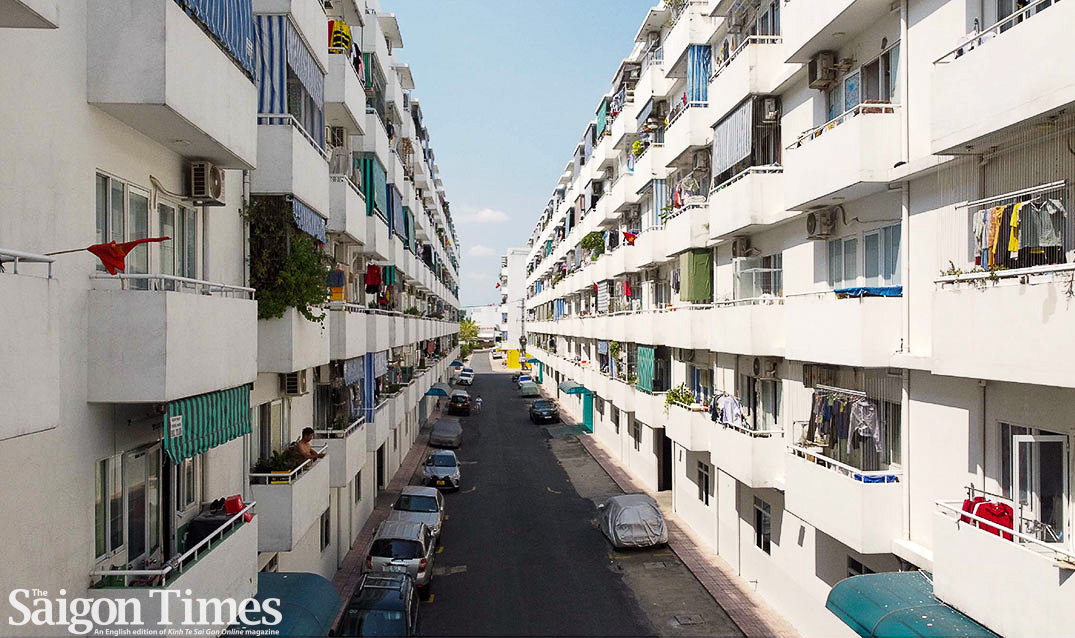
HCMC - The National Assembly passed a resolution on May 29 piloting several special mechanisms and policies for social housing development, with 461 out of 463 deputies present voting in favor.
To encourage greater private investment in social housing, the resolution simplifies administrative procedures by reducing red tape, shifting from pre-approval to post-check mechanisms, and strengthening oversight. Instead of setting rigid criteria in the law, the National Assembly has authorized local governments to develop locally suitable criteria for determining eligibility to purchase or lease-purchase social homes. Local government will be allowed to set specific criteria to assess eligibility for individuals who are homeless, live far from their workplace, or have never benefited from social housing support policy. This aims to address practical obstacles, as many workers employed in urban areas or industrial zones are currently deemed ineligible because they already own homes in rural areas within the same province. The resolution allows businesses, cooperatives, cooperative unions, government agencies, political organizations, socio-political organizations, and public service units to lease social housing to accommodate officials, civil servants, public employees, and workers. Manufacturing enterprises located in industrial zones are also permitted to rent worker housing within these zones to provide accommodation for their employees. Additionally, the resolution removes the requirement for investor selection through bidding and the need for investment policy approval under existing investment laws. Instead, investors will be directly assigned without a bidding process. This change is expected to cut about 200 days from the process, equivalent to roughly 70% of the time compared to current regulations. The resolution eliminates the requirement to prepare, appraise, and approve detailed planning tasks and removes the step of appraising the feasibility study report at specialized construction agencies. It allows the use of a simplified contractor appointment process instead of open bidding for construction packages, cutting 45 to 105 days depending on whether domestic or international bidding would have been required. The resolution also waives construction permits for projects using standardized or typical designs, reducing the process by 20 to 30 days depending on the type and grade of the structure.

Latest articles

HCMC proposes no markup on official land prices

HCMC proposes no markup on official land prices

Property June 23, 2026

HCMC – HCMC’s Department of Natural Resources and Environment has proposed setting the land price adjustment coefficient, known as the K factor, at 1 for households and businesses, meaning land-use fees and rents would be calculated directly from the official land price table without any upward adjustment.

Vietnam prioritizes rental housing in cities, industrial zones

Vietnam prioritizes rental housing in cities, industrial zones

News June 22, 2026

HCMC – The Vietnamese Government will prioritize the development of rental housing, particularly apartment projects in major cities, industrial parks and key economic regions, while requiring local authorities to prepare cleared land and supporting infrastructure to attract private investment.