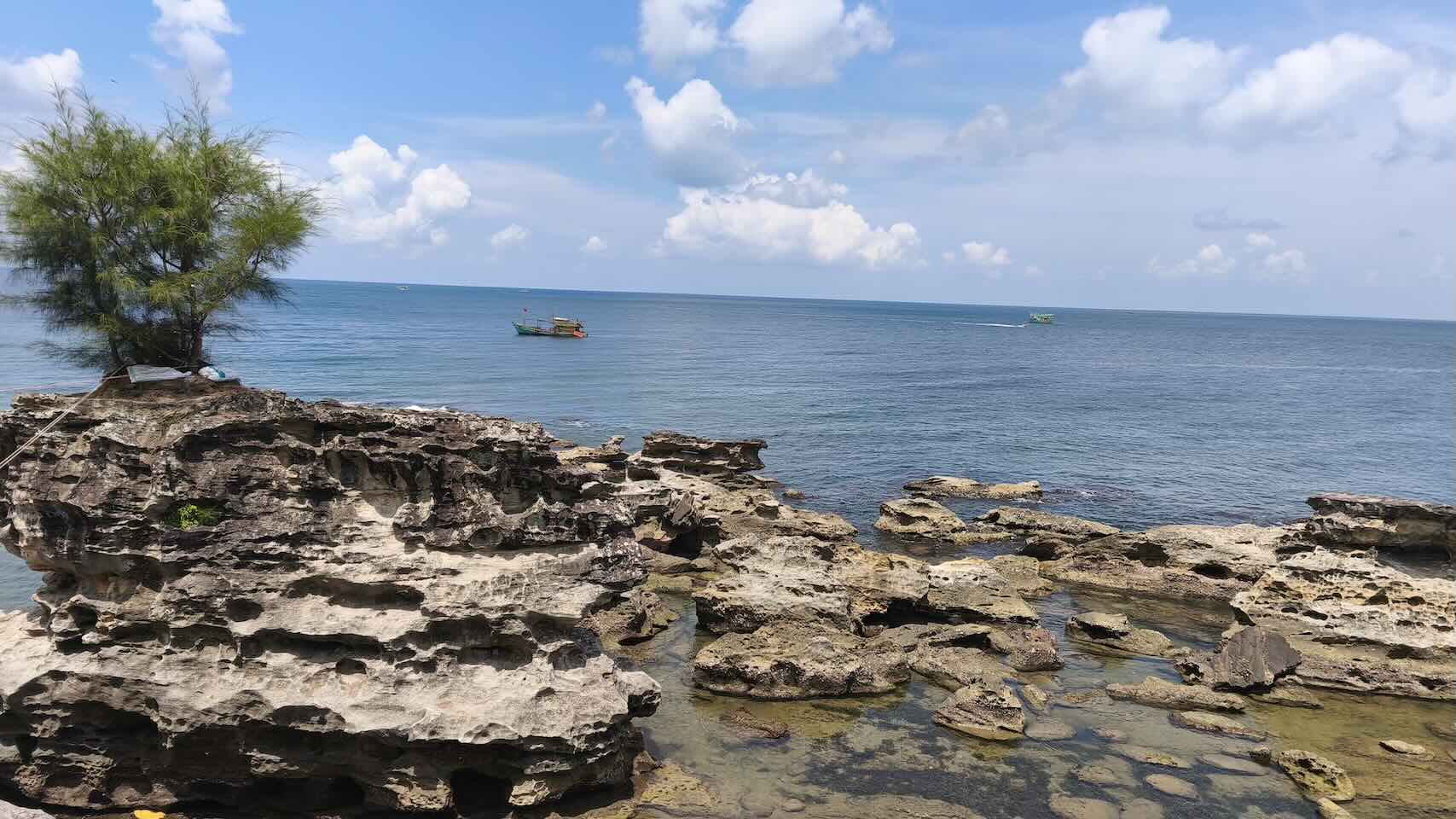
Perched on a rocky outcrop at the mouth of the sea in Phu Quoc Special Zone of An Giang Province, Dinh Cau Shrine is one of the island’s most iconic spiritual and cultural landmarks. The centuries-old shrine has long served as a symbol of protection for local fishermen venturing into often unpredictable waters.
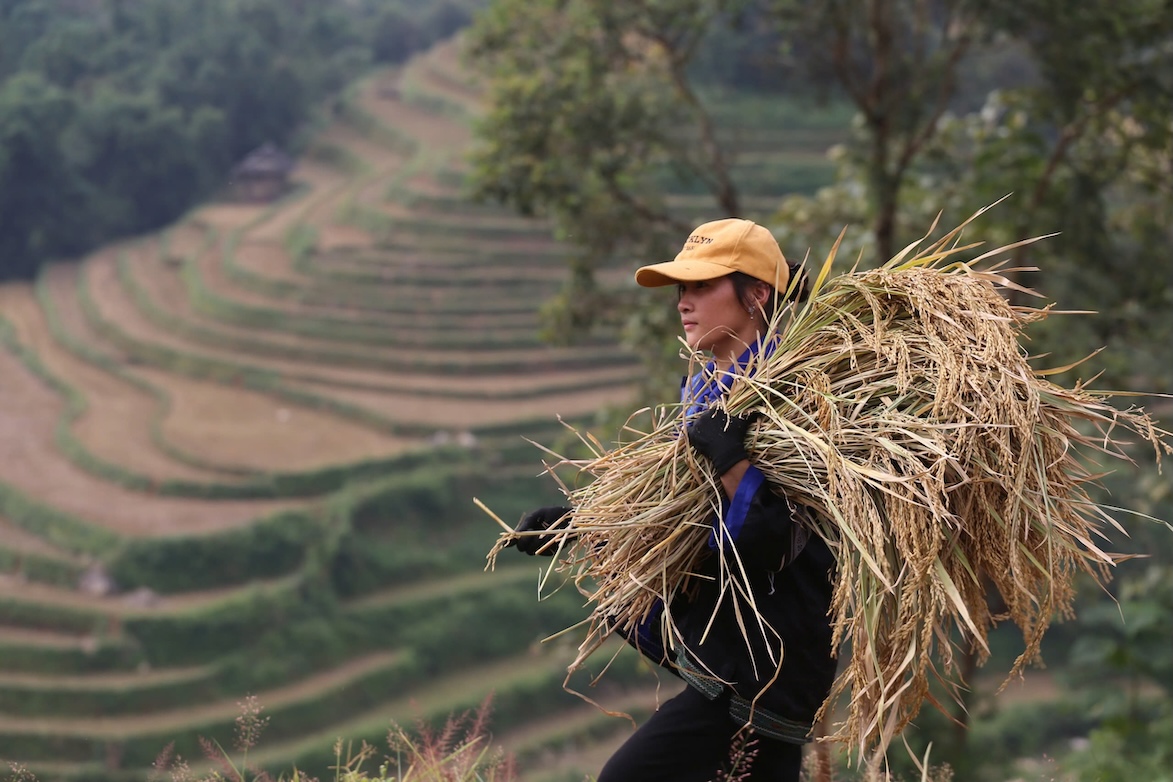
The terraced fields of Vietnam’s Northwest are more than sweeping curves etched into mountain slopes. They are living masterpieces shaped by generations of ethnic communities, including the Mong, Dao, La Chi, Tay and Nung peoples, through hard work, ingenuity and patience.
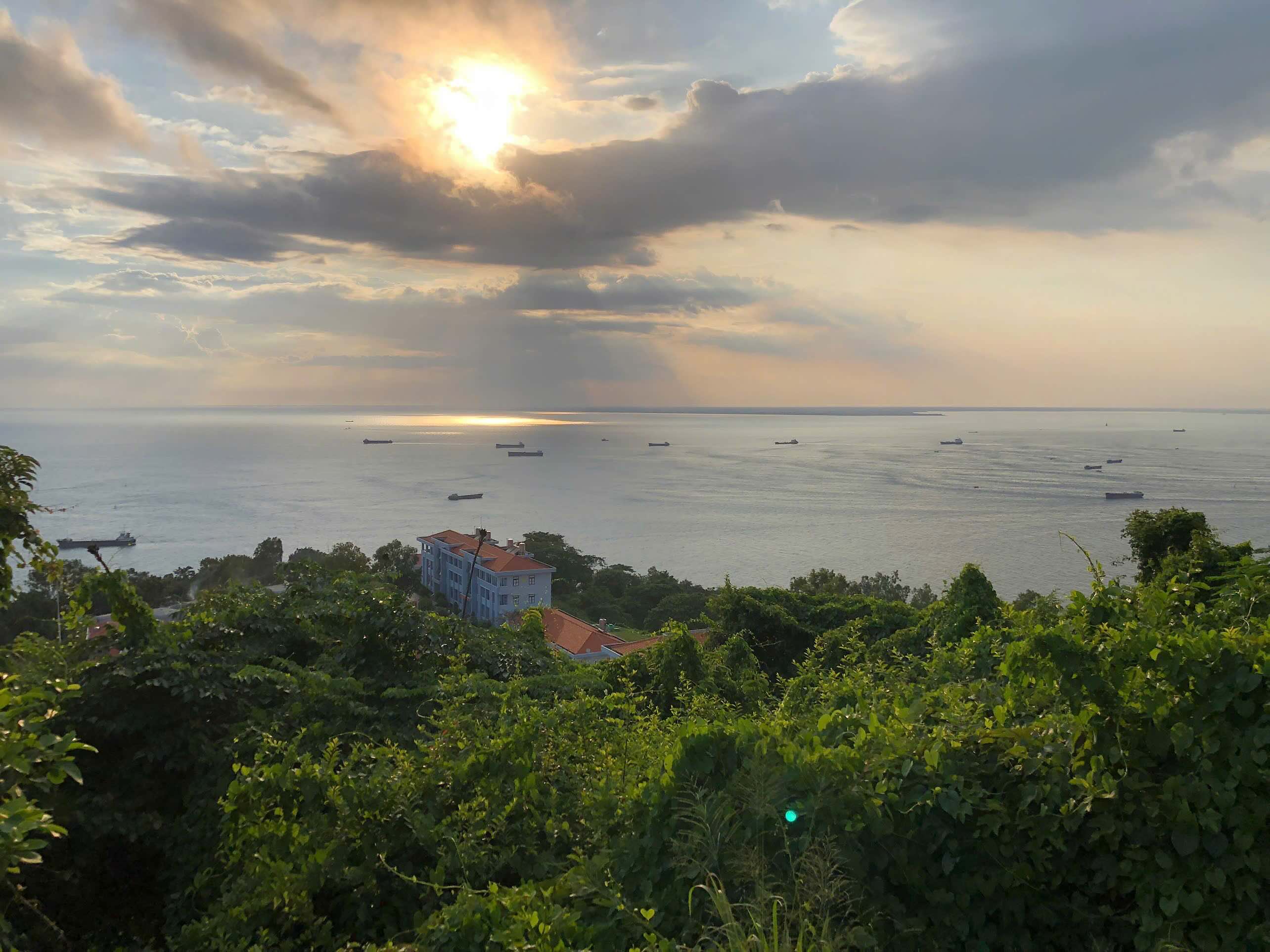
With its tranquil scenery and gentle hiking trail, Vi Ba Mountain has become an appealing destination for travelers seeking a peaceful escape, early-morning cloud hunting, and sweeping coastal views from above.
Dinh Yen Village in Dong Thap Province has preserved a traditional mat-weaving craft for over 100 years, alongside its famous rice fields and fruit orchards.
The village is located along the Hau River, where fertile alluvial soil supports the growth of sedge and bulrush, the primary materials used to make handwoven mats. Researchers say early settlers from the northern coastal provinces of Thai Binh and Nam Dinh brought the weaving tradition with them when they migrated south, helping the craft establish itself in Dinh Yen.
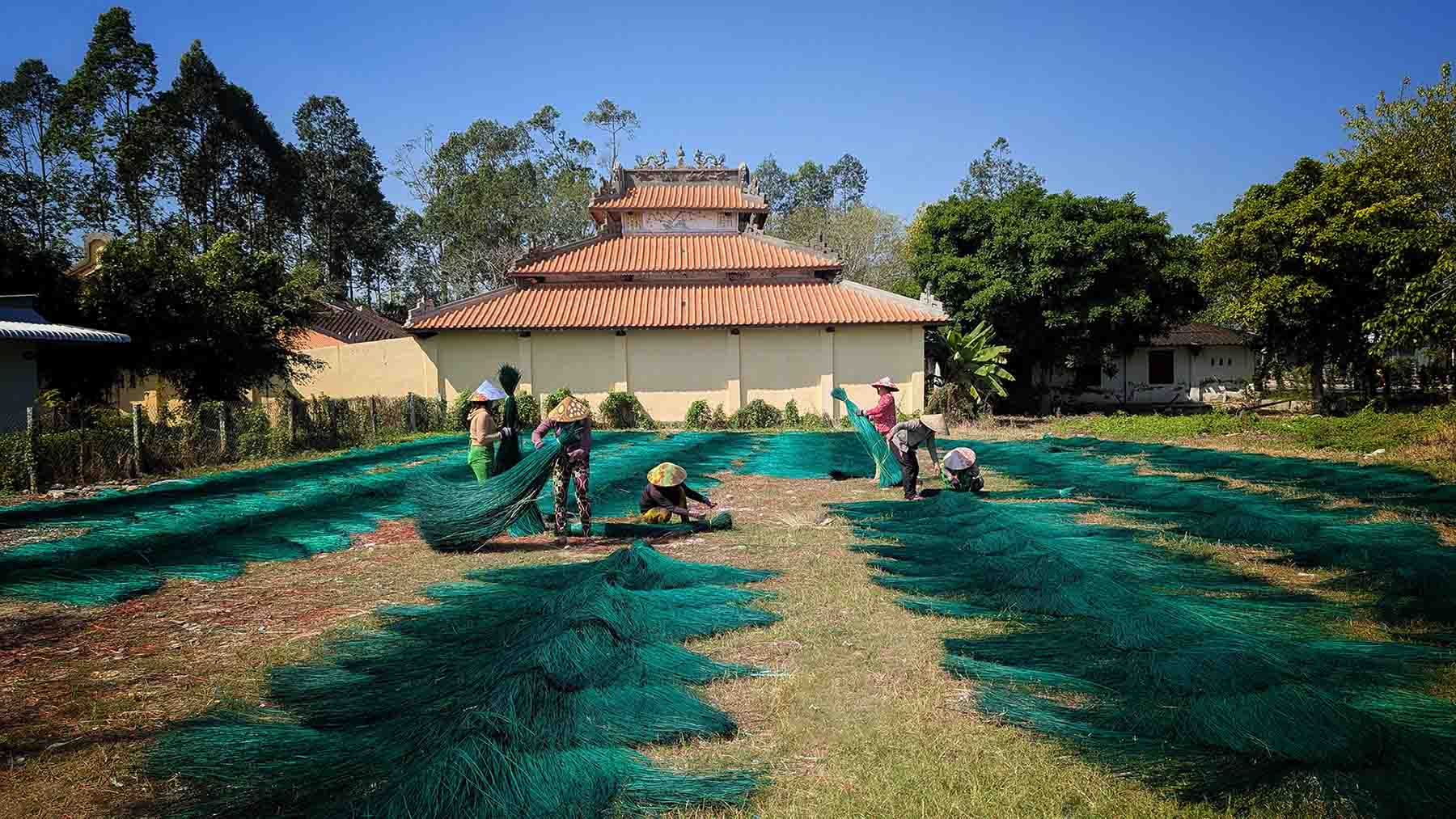
Brightly colored mats are commonly seen drying around the communal house and along village roads, forming an image closely associated with the local craft - PHOTOS: TRAN HOANG VAN HUNG
Most weaving households are located near the Dinh Yen communal house. Brightly colored mats—usually dyed in shades of green, yellow, and red—are often seen drying around the communal house and along village roads, creating an image closely tied to the local craft.
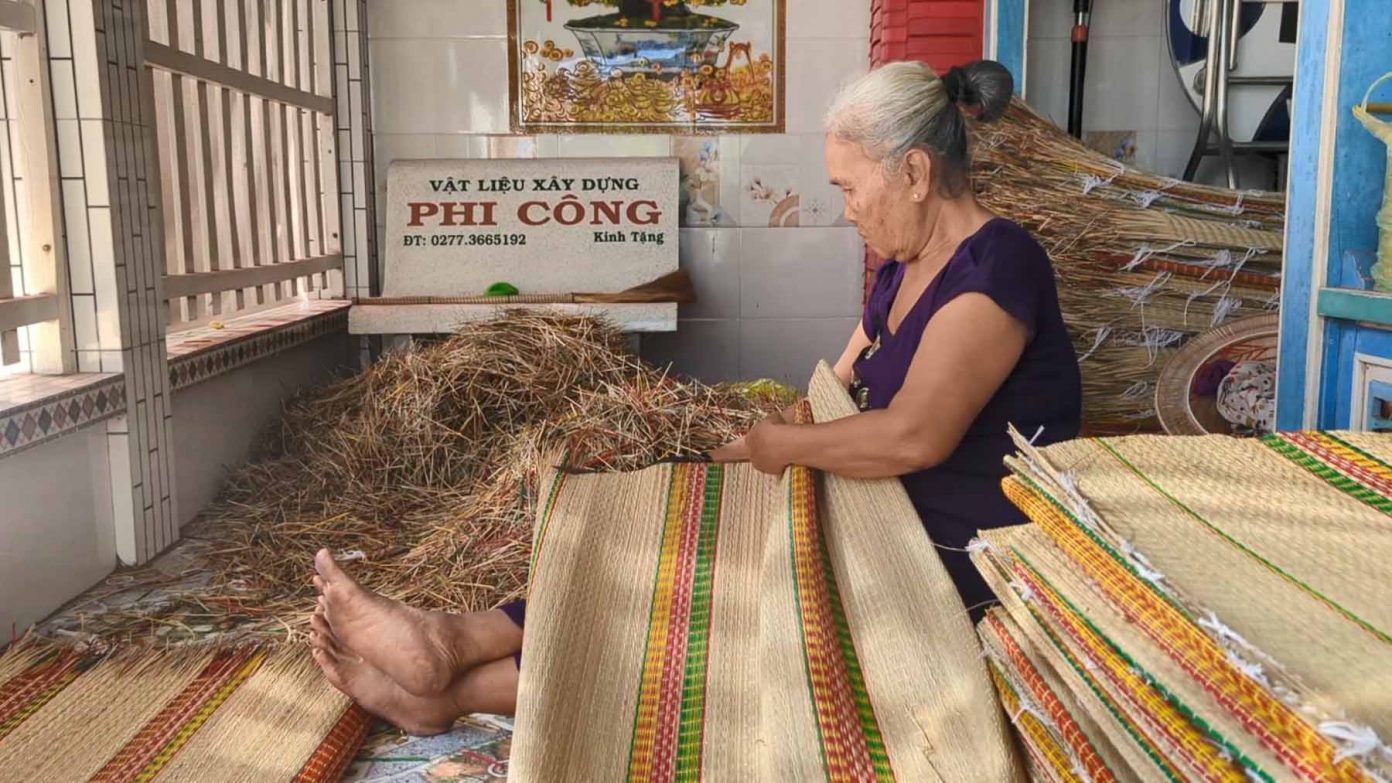
Bulrush is harvested, dried, and dyed multiple times to produce vibrant, long-lasting colors. Artisans emphasize that sturdy mats need mature plants and careful selection of fiber lengths before weaving. The process involves several manual steps, including cutting, drying, dyeing, and weaving.
The craft provides income for local households, supports rural economic stability, and creates jobs for residents
Local products range from simple mats to patterned designs featuring motifs such as shells, storks, or traditional wedding symbols. Millions of mats are produced each year, valued for their durability and eco-friendliness. The craft provides income for local households, supports rural economic stability, and creates jobs for residents. In 2013, the Dinh Yen mat-weaving craft was recognized as a National Intangible Cultural Heritage.
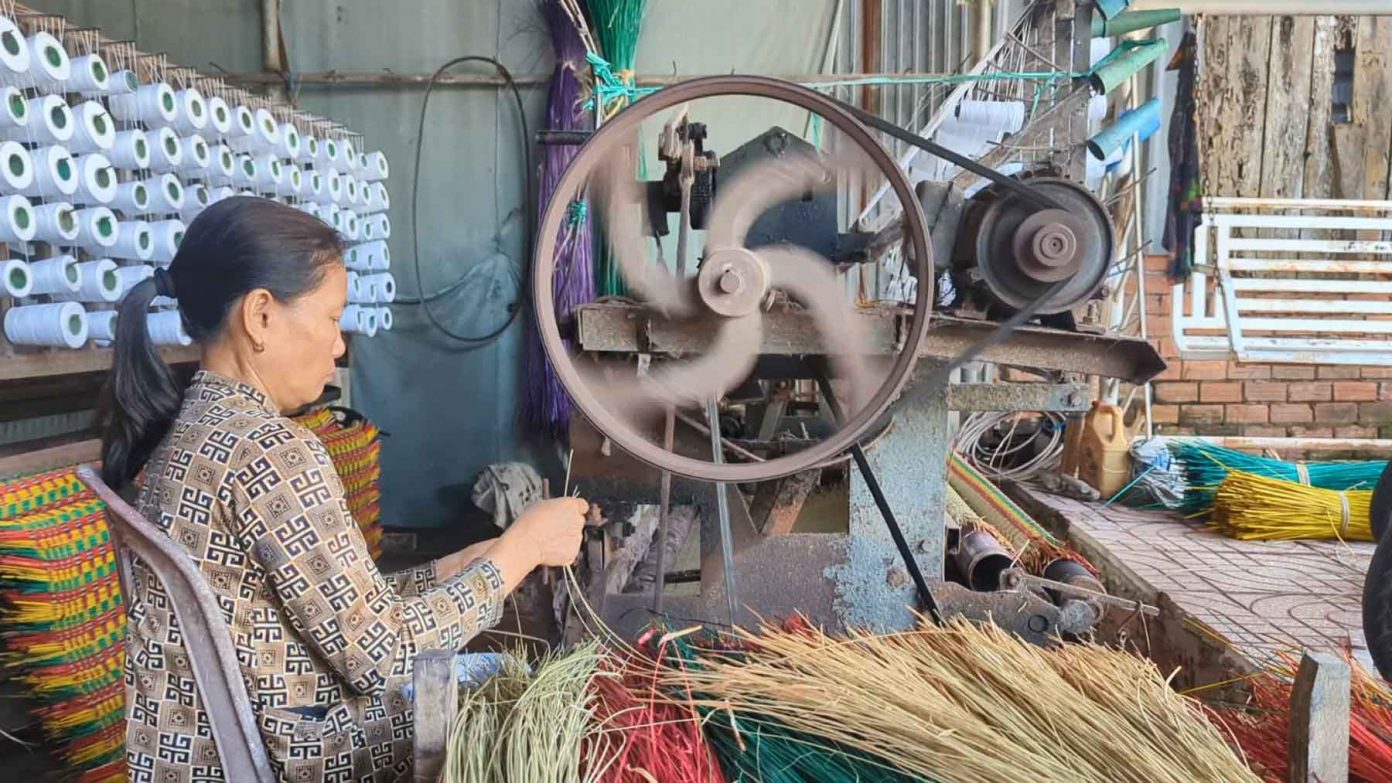
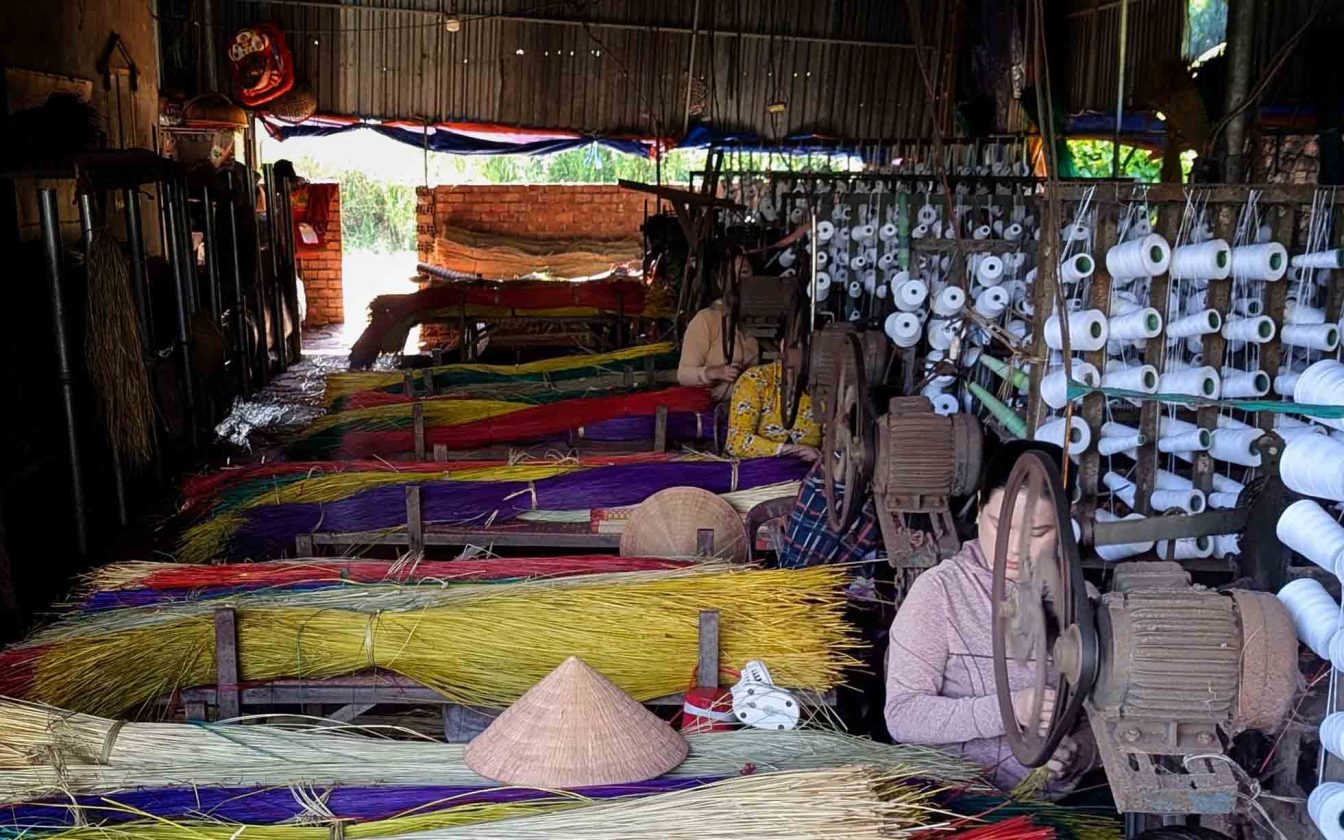
To boost output, some producers have added machinery to certain stages of production. According to the Dong Thap government portal, the village currently uses 620 weaving machines, 62 edging machines, two thread-twisting machines, and two polishing machines. A total of 431 households rely on mat weaving for their livelihoods.
To increase output, some producers have added machinery to certain stages of production
Dinh Yen produces over 1.3 million mats each year, generating approximately VND80 billion in revenue and offering steady jobs to nearly 3,800 people involved in production, trade, and related services.
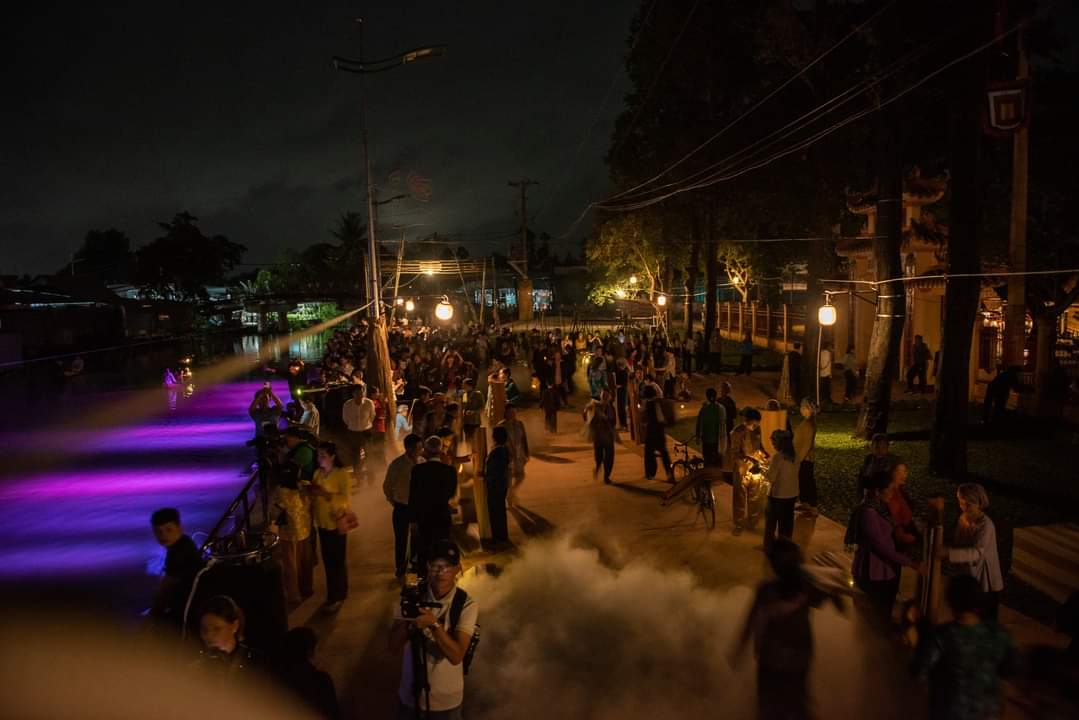
Furthermore, Dinh Yen was once famous for its nighttime “ghost market,” a gathering held in the courtyard of the communal house and local pagodas, illuminated only by oil lamps. Traders traveled on foot or by boat to purchase sedge and finished mats. The flickering lamps in the darkness created an atmosphere that led villagers to call it the “ghost market.”
Dinh Yen’s nighttime “ghost market,” held in the courtyard of the communal house and local pagodas
In recent years, local authorities and the Dong Thap tourism sector have revived the tradition as a cultural attraction to promote the province to both domestic and international visitors.
Perched on a rocky outcrop at the mouth of the sea in Phu Quoc Special Zone of An Giang Province, Dinh Cau Shrine is one of the island’s most iconic spiritual and cultural landmarks. The centuries-old shrine has long served as a symbol of protection for local fishermen venturing into often unpredictable waters.
The terraced fields of Vietnam’s Northwest are more than sweeping curves etched into mountain slopes. They are living masterpieces shaped by generations of ethnic communities, including the Mong, Dao, La Chi, Tay and Nung peoples, through hard work, ingenuity and patience.
With its tranquil scenery and gentle hiking trail, Vi Ba Mountain has become an appealing destination for travelers seeking a peaceful escape, early-morning cloud hunting, and sweeping coastal views from above.


 Dinh Yen produces over 1.3 million mats each year, generating approximately VND80 billion in revenue and offering steady jobs to nearly 3,800 people involved in production, trade, and related services.
Furthermore, Dinh Yen was once famous for its nighttime “ghost market,” a gathering held in the courtyard of the communal house and local pagodas, illuminated only by oil lamps. Traders traveled on foot or by boat to purchase sedge and finished mats. The flickering lamps in the darkness created an atmosphere that led villagers to call it the “ghost market.”
Dinh Yen produces over 1.3 million mats each year, generating approximately VND80 billion in revenue and offering steady jobs to nearly 3,800 people involved in production, trade, and related services.
Furthermore, Dinh Yen was once famous for its nighttime “ghost market,” a gathering held in the courtyard of the communal house and local pagodas, illuminated only by oil lamps. Traders traveled on foot or by boat to purchase sedge and finished mats. The flickering lamps in the darkness created an atmosphere that led villagers to call it the “ghost market.”