“I first began reading The Saigon Times during my earlier posting at the Consulate-General of Japan in Ho Chi Minh City, from 1994 to 1998. Those were exciting times, with Vietnam opening up under the Doi Moi reforms and many Japanese companies were establishing their presence in southern Vietnam. As an officer responsible for economic affairs at the Consulate-General in those days, I found the up-to-date information The Saigon Times provided on Vietnam’s economy truly invaluable — and I am sure the Japanese business community here shared that sentiment.
There is a question that has occupied philosophers across cultures and centuries: what does it mean to live in a world where everything changes, and nothing lasts?
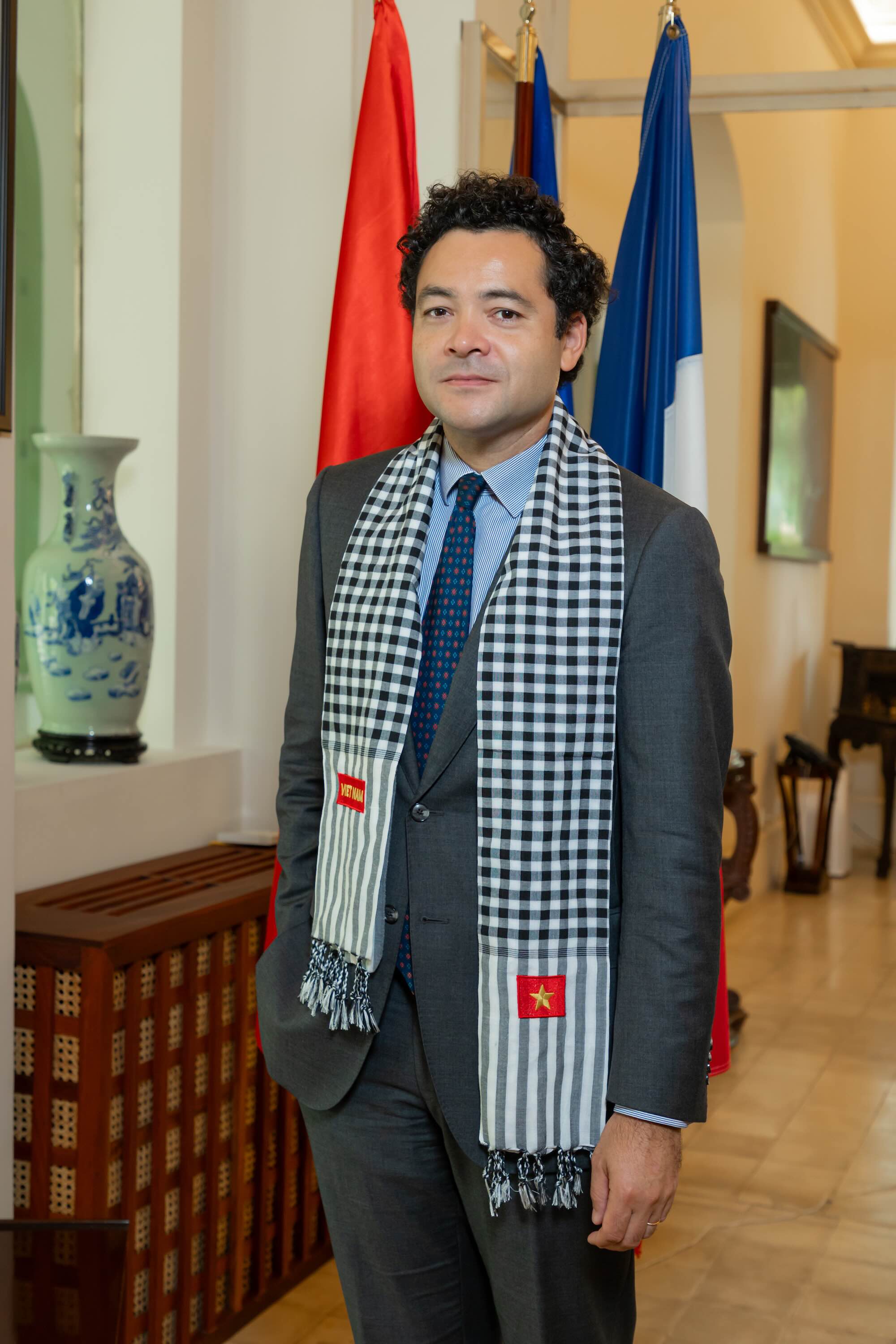
"The Saigon Times has been a trusted source of information for the French Consulate for many years. Its English edition enables expats like me to stay well informed about business, economic and social developments in Vietnam. It has also been one of the reliable sources we use for our daily news round-ups and updates, helping us keep track of what is happening both locally and nationally.
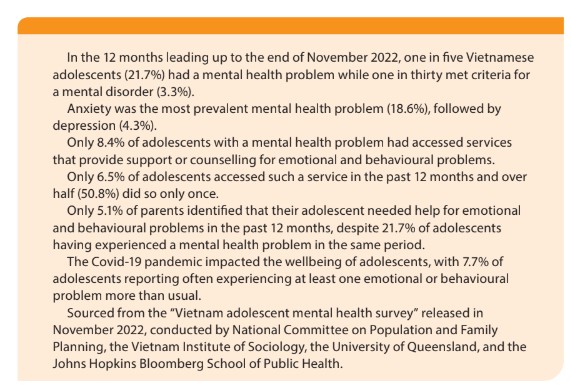
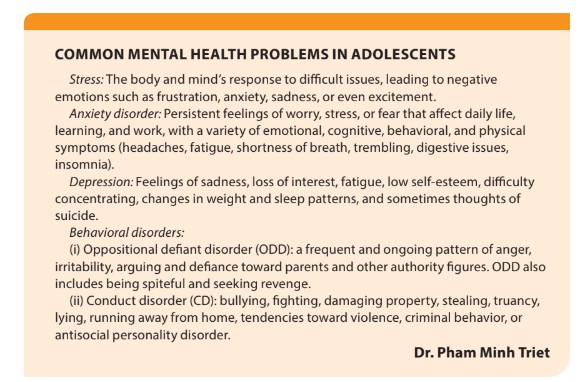
One in five Vietnamese adolescents suffers from mental health issues, but only a quarter of those diagnosed receive treatment through counseling, therapy or medication.
According to the Ministry of Health, Vietnam is among 35 countries without a dedicated and comprehensive mental health law. In the absence of such a legal framework, early and adequate support from families and schools is seen as essential to safeguarding adolescents’ mental well-being.
Figures that speak volumes
Nearly 15 million people in Vietnam, or about 14.9% of the population, suffered from mental health issues in 2023, up from 13.5 million in 2015, data from the Ministry of Health showed. Among those affected, 26% had depression, 33% experienced stress-related conditions, and 38% were diagnosed with mental disorders.
Among children and adolescents, the rate of mental illness has been rising more rapidly.
A study released in February 2018 by the Ministry of Labour, Invalids and Social Affairs and the United Nations Children’s Fund (UNICEF) found that 8–20% of children and adolescents in Vietnam struggled with mental health issues. The survey focused on the 11–24 age group, which is particularly vulnerable to negative emotional impacts, and was conducted in four provinces and cities: Hanoi, HCMC, Dien Bien, and An Giang. A follow-up survey in 2023 showed that 15–30% of Vietnamese adolescents were facing mental health problems, an increase of 1.5 to 2 times compared to the 2018 figures.
However, Vietnam has only 143 clinical psychologists and psychotherapists, according to figures presented at a workshop in August 2023 in Hanoi on developing a national plan to strengthen the mental health care system for the 2023–2030 period. This means each mental health professional is responsible for the mental wellbeing of roughly 750,000 people. Despite this, the Department of Medical Service Administration under the Ministry of Health noted that “clinical psychological services are not yet officially covered by health insurance.”
Key roles of families and schools in youth mental health
Around 10 to 15 years ago, mental disorders were heavily stigmatized in Vietnam, with many people associating them with insanity. Today, however, awareness and interest in mental health issues are steadily growing, Dr. Pham Minh Triet said at the workshop titled “Mental Health Disorders in Adolescents: Recognition, Intervention, and Prevention” on April 3.
“People often consider adolescence a carefree time, untouched by adult concerns like financial stress. But not having to worry about making ends meet does not mean young people are free from psychological pressure,” he noted.
The pediatric mental health expert cited data indicating that 32% of cases involved school bullying, while 31% were linked to depression and anxiety. Around 14% showed symptoms of attention-deficit hyperactivity disorder (ADHD), including impulsive behavior and poor concentration, and 11% involved disobedience or lying.
Adults are generally better equipped to handle life’s pressures, making them more resilient in the face of stress and crises. In contrast, adolescents—still developing physically and emotionally—often lack life experience, knowledge, and skills. Without trusted people to talk to and under the influence of peer pressure, many teens struggle to view problems clearly. Consequently, minor issues can make them feel overwhelmed or become distorted, increasing the risk of mental health disorders.
When parents are overloaded with work and unable to spend quality time with their children, family relationships can break down. At the same time, many children are caught in a whirlwind of academic pressure and parents’ expectations, with packed schedules full of extra classes and tutoring. This combination often leaves them feeling isolated and emotionally trapped.
Mental health issues that emerge during adolescence can have serious—and sometimes tragic—consequences if not treated early. When these conditions become chronic, they can significantly hinder a young person’s physical and emotional development, academic performance, personal growth, and the future.
“Mental health is as vital as physical health for children, and it requires consistent support from families, schools, society, and healthcare professionals,” Dr. Triet said. Treatment may involve medication over six to twelve months or extended counseling and therapy sessions lasting several months or more.
He also stressed that therapists and families must be patient, as it can take numerous sessions for a child to develop trust and feel safe enough to open up. The school environment also plays a vital role in supporting students’ emotional wellbeing.
Victoria School System is an international education system offering programs from kindergarten through Grade 12 across HCMC, Dong Nai, and Lang Son.
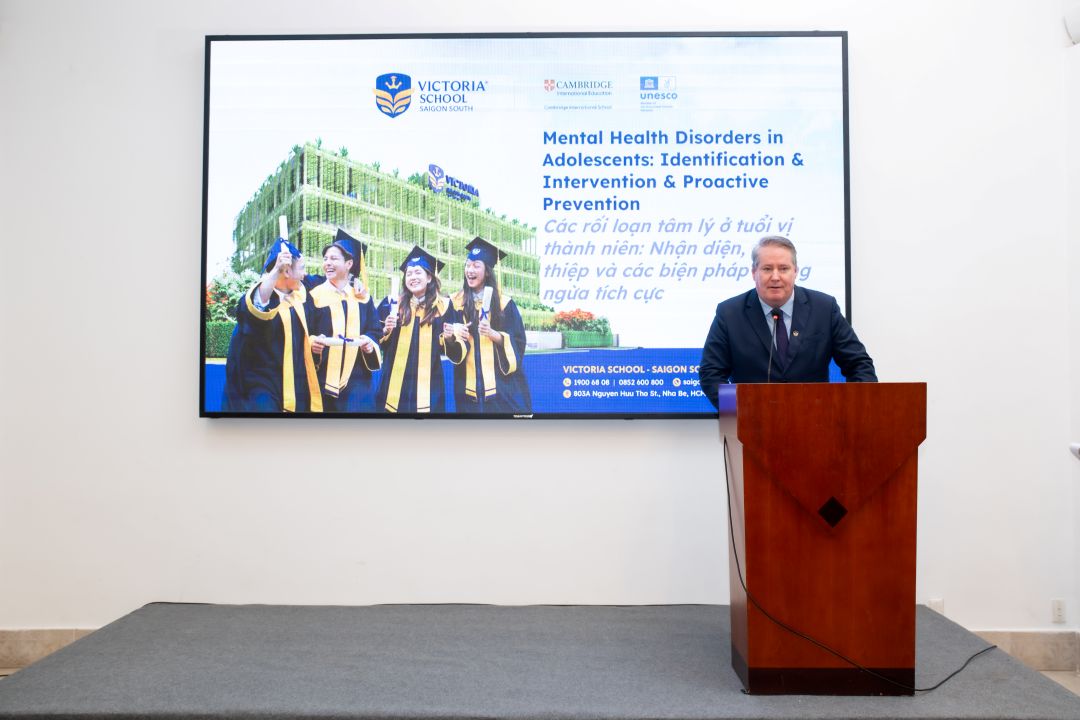
Christopher Bradley, chief academic officer for the Victoria School System cum head of School - Victoria School - Saigon South, said the system currently serves 600 students and follows UNESCO’s “Happy School” model.
“The school promotes positive psychology and actively supports mental wellbeing. We encourage students to develop their emotions, character, and friendships in this spirit,” Bradley said.
Christopher Bradley, chief academic officer of Victoria School System cum head of School- Victoria School - Saigon South, says that the school plays a key role in supporting students’ mental health
The school proactively identifies students at risk of mental health issues with specialized tools. It works closely with families and external support services to ensure timely interventions and help students adapt well to the school environment. He also mentioned that the school currently has three psychologists and plans to hire additional specialists.
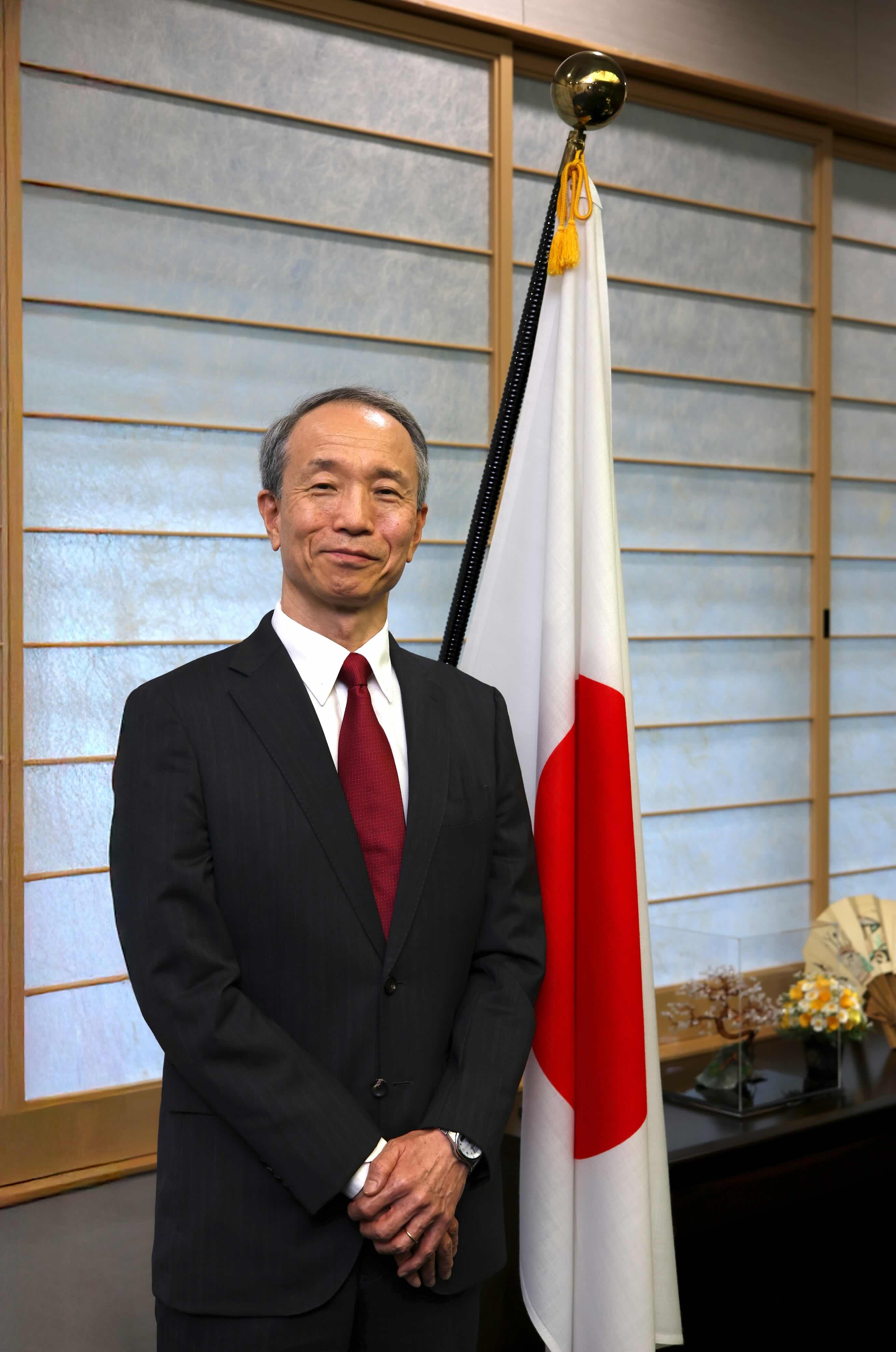
“I first began reading The Saigon Times during my earlier posting at the Consulate-General of Japan in Ho Chi Minh City, from 1994 to 1998. Those were exciting times, with Vietnam opening up under the Doi Moi reforms and many Japanese companies were establishing their presence in southern Vietnam. As an officer responsible for economic affairs at the Consulate-General in those days, I found the up-to-date information The Saigon Times provided on Vietnam’s economy truly invaluable — and I am sure the Japanese business community here shared that sentiment.
There is a question that has occupied philosophers across cultures and centuries: what does it mean to live in a world where everything changes, and nothing lasts?
"The Saigon Times has been a trusted source of information for the French Consulate for many years. Its English edition enables expats like me to stay well informed about business, economic and social developments in Vietnam. It has also been one of the reliable sources we use for our daily news round-ups and updates, helping us keep track of what is happening both locally and nationally.


 Key roles of families and schools in youth mental health
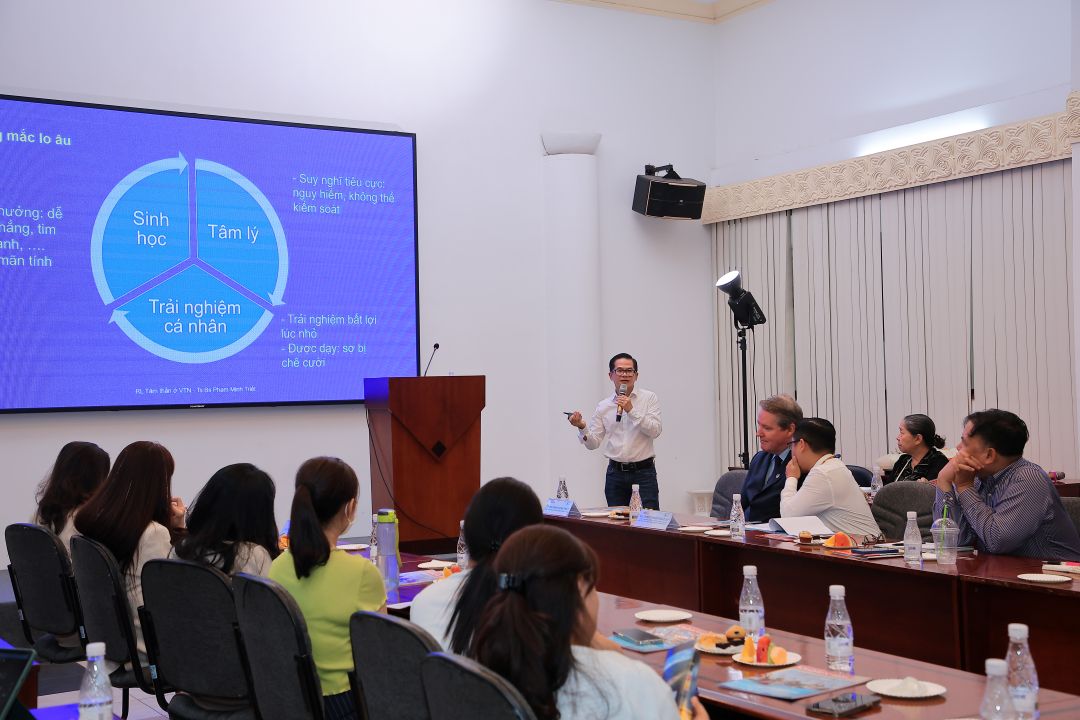
Around 10 to 15 years ago, mental disorders were heavily stigmatized in Vietnam, with many people associating them with insanity. Today, however, awareness and interest in mental health issues are steadily growing, Dr. Pham Minh Triet said at the workshop titled “Mental Health Disorders in Adolescents: Recognition, Intervention, and Prevention” on April 3.
 “People often consider adolescence a carefree time, untouched by adult concerns like financial stress. But not having to worry about making ends meet does not mean young people are free from psychological pressure,” he noted.
The pediatric mental health expert cited data indicating that 32% of cases involved school bullying, while 31% were linked to depression and anxiety. Around 14% showed symptoms of attention-deficit hyperactivity disorder (ADHD), including impulsive behavior and poor concentration, and 11% involved disobedience or lying.
Adults are generally better equipped to handle life’s pressures, making them more resilient in the face of stress and crises. In contrast, adolescents—still developing physically and emotionally—often lack life experience, knowledge, and skills. Without trusted people to talk to and under the influence of peer pressure, many teens struggle to view problems clearly. Consequently, minor issues can make them feel overwhelmed or become distorted, increasing the risk of mental health disorders.
When parents are overloaded with work and unable to spend quality time with their children, family relationships can break down. At the same time, many children are caught in a whirlwind of academic pressure and parents’ expectations, with packed schedules full of extra classes and tutoring. This combination often leaves them feeling isolated and emotionally trapped.
Mental health issues that emerge during adolescence can have serious—and sometimes tragic—consequences if not treated early. When these conditions become chronic, they can significantly hinder a young person’s physical and emotional development, academic performance, personal growth, and the future.
“Mental health is as vital as physical health for children, and it requires consistent support from families, schools, society, and healthcare professionals,” Dr. Triet said. Treatment may involve medication over six to twelve months or extended counseling and therapy sessions lasting several months or more.
He also stressed that therapists and families must be patient, as it can take numerous sessions for a child to develop trust and feel safe enough to open up. The school environment also plays a vital role in supporting students’ emotional wellbeing.
Victoria School System is an international education system offering programs from kindergarten through Grade 12 across HCMC, Dong Nai, and Lang Son.
Christopher Bradley, chief academic officer for the Victoria School System cum head of School - Victoria School - Saigon South, said the system currently serves 600 students and follows UNESCO’s “Happy School” model.
“The school promotes positive psychology and actively supports mental wellbeing. We encourage students to develop their emotions, character, and friendships in this spirit,” Bradley said.