Vietnam is eyeing to attract major investments for its next growth cycle but shifting global capital flows are creating both opportunities and risks for the country and its businesses.
As policymakers are under growing pressure to channel capital into the economy, businesses are also under strain to boost resilience and improve competitiveness amid evolving global and domestic investment dynamics.
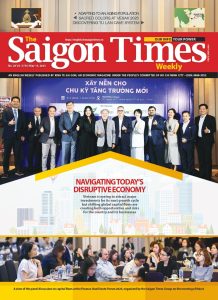
Experts voiced these concerns during the panel discussion “Capital Flows In New Era: Opportunities for Vietnam” held as part of the Finance-Real Estate Forum 2025 on May 8. Organized by the Saigon Times Group, the forum centered on the theme “Laying A Foundation For New Growth Cycle.”
Businesses forced to adapt as investment patterns shift
The macroeconomic outlook has changed since the U.S. announced reciprocal tariffs on imports from trade partners worldwide and later a 90-day pause. The impact remains uncertain pending outcomes of trade negotiations. Each potential scenario could pose distinct challenges for the economy.
Nguyen Xuan Thanh, senior lecturer at the Fulbright School of Public Policy and Management, Fulbright University Vietnam, said the best-case outcome would be a 10-15% reciprocal tariff, allowing Vietnamese exports to remain competitive and keep foreign investment flows steady. The rate would range from 30% to 35% in the worst-case scenario. The target scenario assumes a tariff between 18% and 22%, which would reduce the competitiveness of Vietnamese exports to some extent but lead only to a slowdown of foreign investment, rather than an exodus.
“There is a high likelihood that the tariff rate could be 20%. As that remains a negative short-term scenario, it would call for robust policy measures to boost the economy,” Thanh noted.
Vietnam’s economic growth faces headwinds this year despite robust infrastructure investment. He warned that domestic conditions remain challenging, with uncertainty over tariffs and sluggish consumer demand likely to weigh on the recovery.
“The bright spot is that policy management is expected to stay stable, with no major shocks to exchange rates or interest rates as previously feared. Even in challenging times, some positive signals remain,” Thanh said.
Amid shifting capital flows, credit growth remains a bright spot. In April, outstanding loans in HCMC surpassed VND4 quadrillion for the first time, edging up 2% since the end of 2024 and 12% year-on-year, with strong gains across key priority sectors.
Capital is flowing more actively into key sectors. Export financing rose by 2% from the end of 2024 and 8% versus the year-ago period. Consumer credit grew by 2.3% in the first quarter and 14% against a year earlier. Notably, loans for household goods, which account for 15.1% of total outstanding loans, increased by 8.7% from year-end and 24% year-on-year. Meanwhile, credit to HCMC’s nine priority service sectors expanded by 3.6%.
“It indicates that pro-growth policies are beginning to take effect,” said Nguyen Duc Lenh, deputy director of the State Bank of Vietnam’s Region 2 Branch. “Key sectors are showing strong capital absorption, with housing-related lending continuing to rise. Despite external pressures like tariffs, the banking sector is prioritizing efforts to reduce costs for businesses, particularly exporters.”
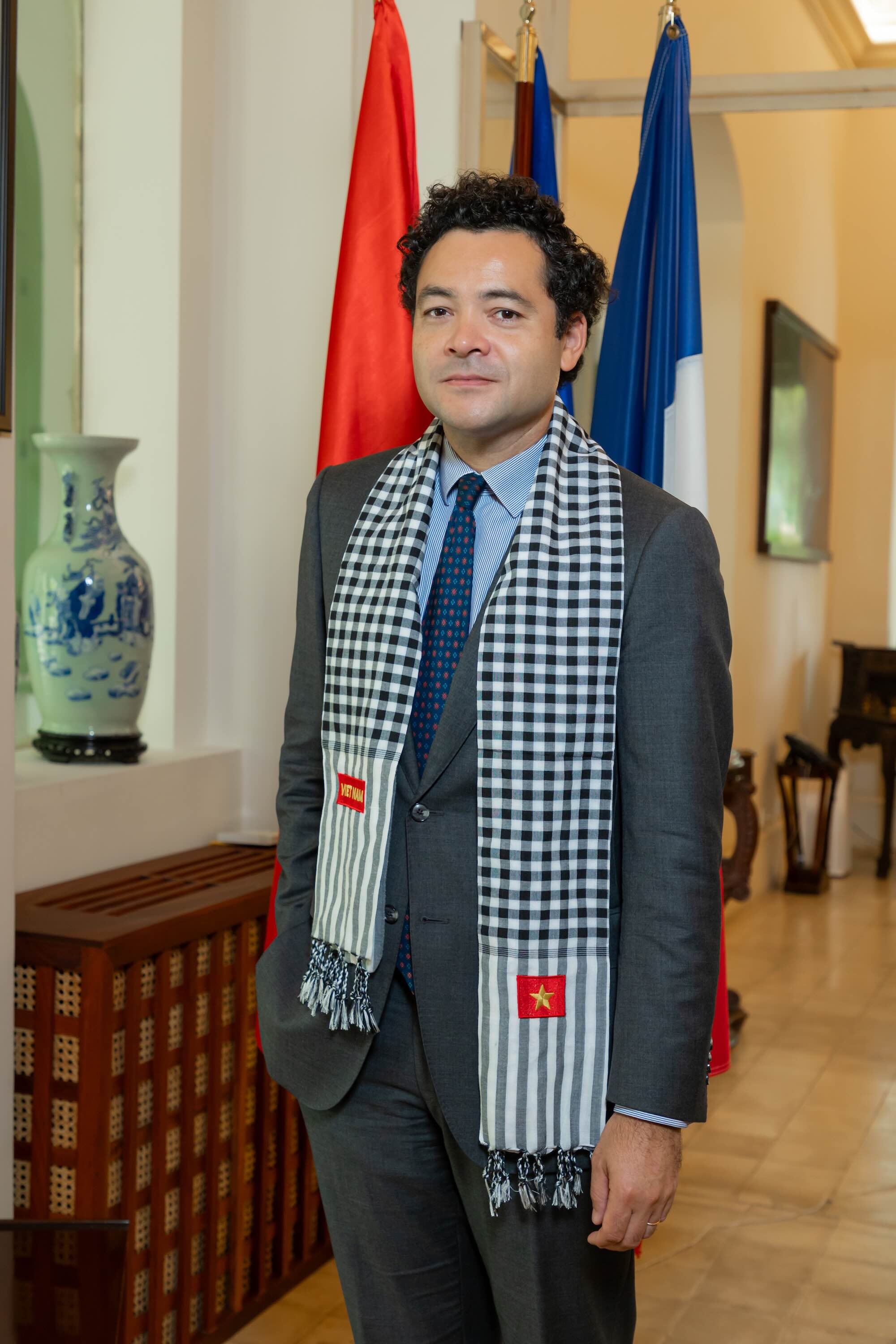
Mohammad Mudasser, director of Working Capital Management Services at PwC Vietnam, said that the economy is facing a prolonged period of instability, starting with the Covid-19 pandemic, regional conflicts, and rising tariff pressures. Consequently, businesses are under growing financial strain.
He noted that tariffs are exacerbating existing financial stress, particularly for companies reliant on short-term funding. “We have seen firms come to us with confirmed orders but lacking the capital to fulfill them. However, while tariffs may intensify these challenges, they also present an opportunity for businesses to rethink their capital strategies,” Mudasser said.
Race to stay competitive
At the macro level, this year’s key challenge is injecting money into the economy while aiming for 16% credit growth. “The main concern is keeping interest rates stable. Credit expansion requires more liquidity, but easing monetary policy could pressure the exchange rate. The goal is to support growth without triggering a sharp depreciation of the Vietnamese dong,” Thanh stressed.
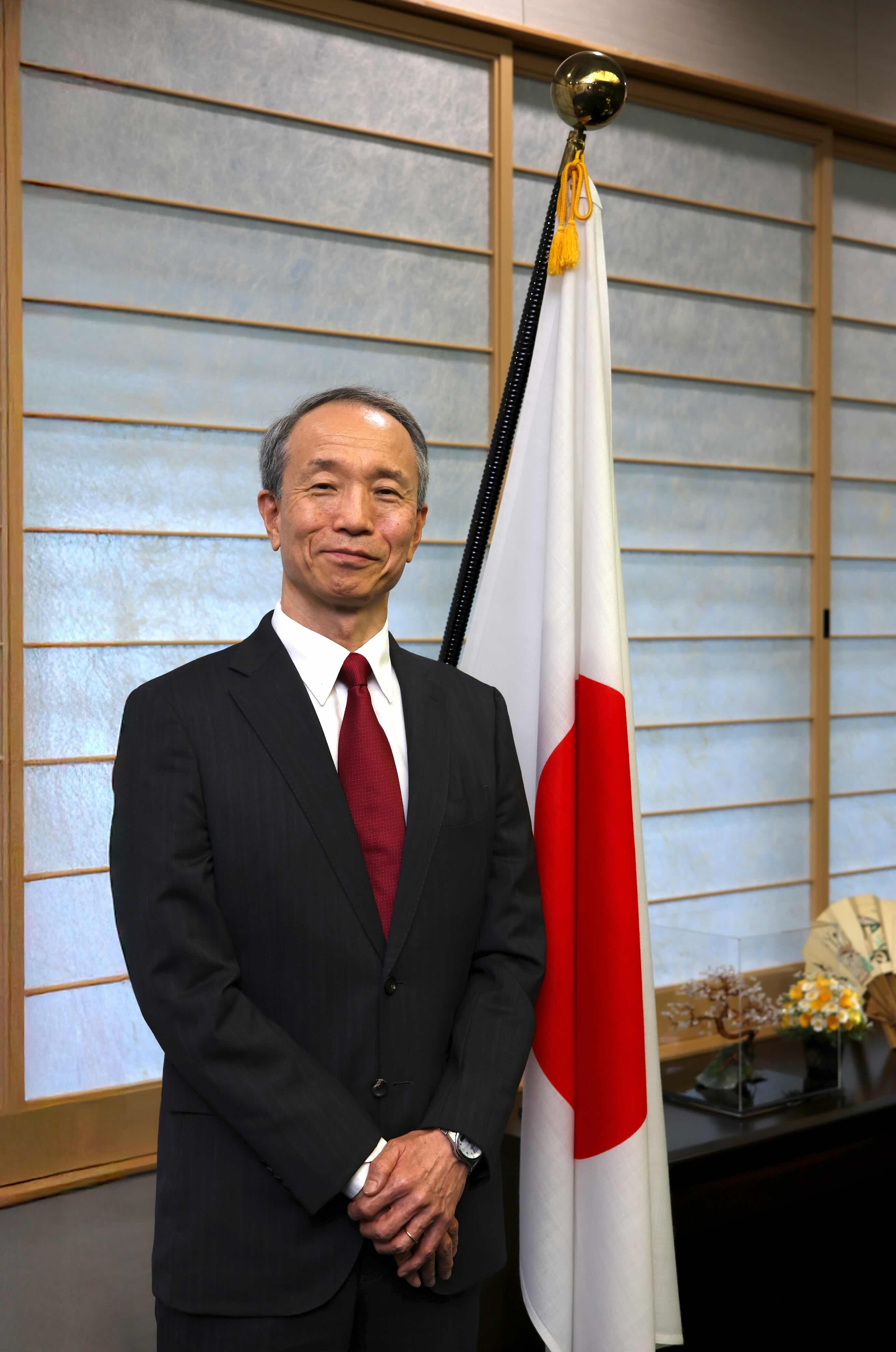
In the capital market, a positive development is that Vietnam’s stock market is edging closer to an upgrade, but further reforms are needed to attract more foreign institutional investment, according to Johan Nyvene, chairman of HCMC Securities Corporation (HSC).
He emphasized the need to expand market offerings, citing a shortage of IPOs and new listings. “Allowing unprofitable companies to go public and enabling foreign-invested firms to list could help address this gap,” he said.
Given current market conditions, the HSC chairman said tariff issues are unlikely to impact the technical factors of Vietnam’s stock market. International institutions will assess upgrade eligibility based on existing criteria. Structural improvements, particularly in market mechanisms, could serve as technical catalysts to attract more investment.
However, Nyvene noted that in the short term, a key concern is that the private sector appears to be lagging behind the current wave of rapid innovation, with many transformative policy shifts unfolding at a fast pace.
From the perspective of local credit regulators, Nguyen Duc Lenh said the banking sector is supporting the economy through two main approaches. The first is managing monetary and foreign exchange policies in a way that keeps interest rates low. The second involves preferential credit packages, such as a recent program for import-export businesses offering lending rates 1–1.5 percentage points lower than those of commercial banks.
The banking sector is also stepping up efforts to connect commercial banks with businesses. However, enterprises themselves must take the initiative to adapt to policy changes.
“Businesses need to be proactive in responding to trade barriers, while banks will strive to provide the best possible services to help them access credit and offset part of their costs,” said Lenh.
Vietnam’s economy relies heavily on financial leverage, but much of it comes from short-term capital. PwC estimates that roughly 75% of capital is short-term, though recent research puts the figure closer to 65%. This highlights the need for more stable, long-term funding to improve business efficiency and support sustainable growth.
Mohammad Mudasser of PwC Vietnam recommended developing mechanisms to build greater “trust” in the credit system, enabling foreign banks to assess small and medium enterprises (SMEs). Meanwhile, domestic firms need to improve internal processes to meet credit standards.
Mudasser also underscored the need to prepare for long-term growth scenarios, warning that the effects of current disruptions could persist for years. “In Vietnam, such impacts often unfold over three to four years. Businesses should start planning and exploring strategic responses now,” he said.
Nguyen Duc Lenh said “trust” remains critical for businesses in this context, referring to confidence in the Government’s efforts to improve the investment environment and support the business community.
Meanwhile, Nyvene of HSC emphasized that it is essential for businesses to strengthen their internal resilience. “In difficult times, it is internal strength that will sustain us.”