Seeking shelter from conflict

Must read
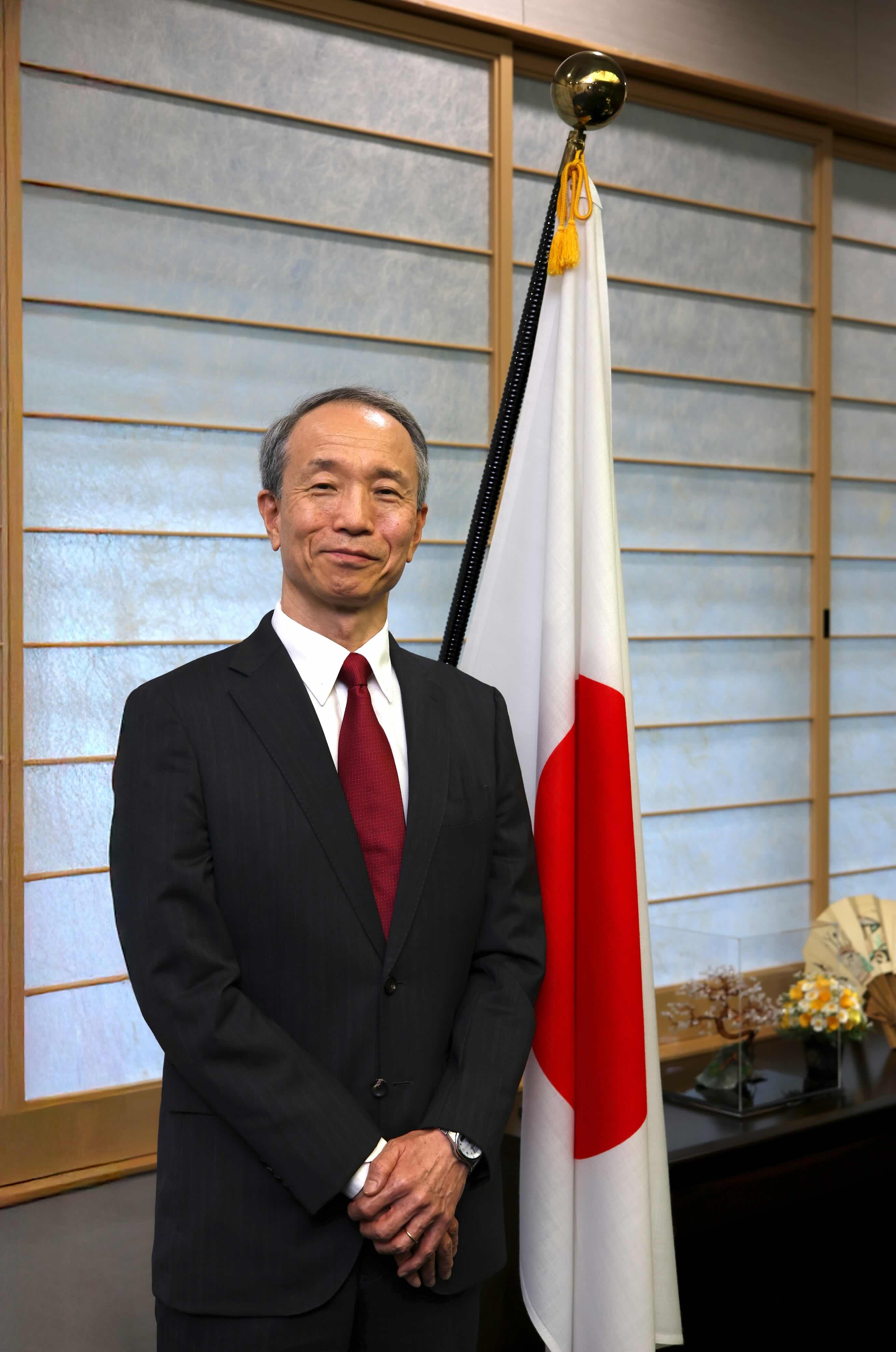
Japanese Consul General recalls The Saigon Times’ value since the 1990s

Japanese Consul General recalls The Saigon Times’ value since the 1990s

In the news June 25, 2026

“I first began reading The Saigon Times during my earlier posting at the Consulate-General of Japan in Ho Chi Minh City, from 1994 to 1998. Those were exciting times, with Vietnam opening up under the Doi Moi reforms and many Japanese companies were establishing their presence in southern Vietnam. As an officer responsible for economic affairs at the Consulate-General in those days, I found the up-to-date information The Saigon Times provided on Vietnam’s economy truly invaluable — and I am sure the Japanese business community here shared that sentiment.
The journey is complete

The journey is complete

In the news June 25, 2026

There is a question that has occupied philosophers across cultures and centuries: what does it mean to live in a world where everything changes, and nothing lasts?
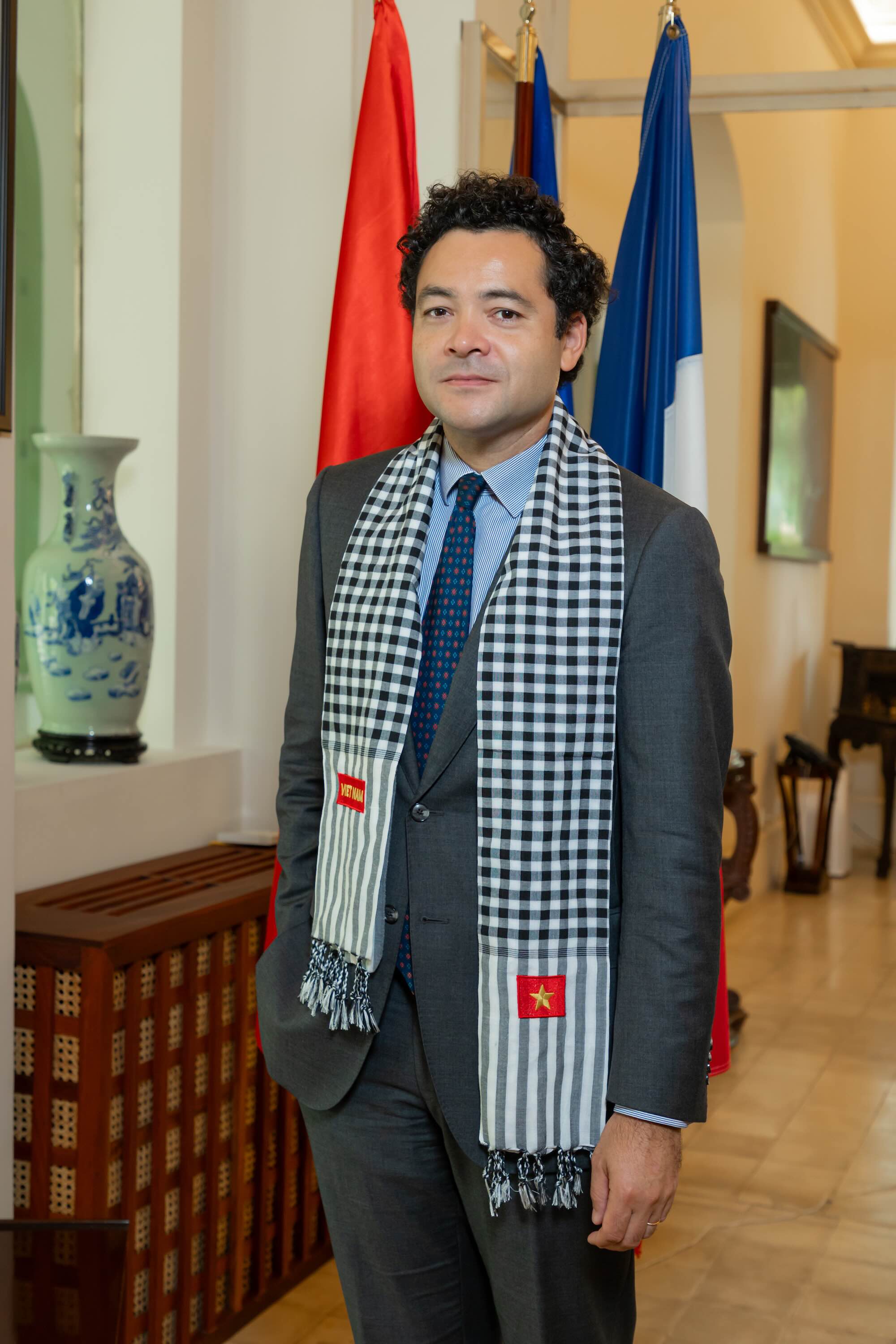
French Consul General highlights The Saigon Times as a long-standing source for Vietnam insights

French Consul General highlights The Saigon Times as a long-standing source for Vietnam insights

In the news June 25, 2026

"The Saigon Times has been a trusted source of information for the French Consulate for many years. Its English edition enables expats like me to stay well informed about business, economic and social developments in Vietnam. It has also been one of the reliable sources we use for our daily news round-ups and updates, helping us keep track of what is happening both locally and nationally.

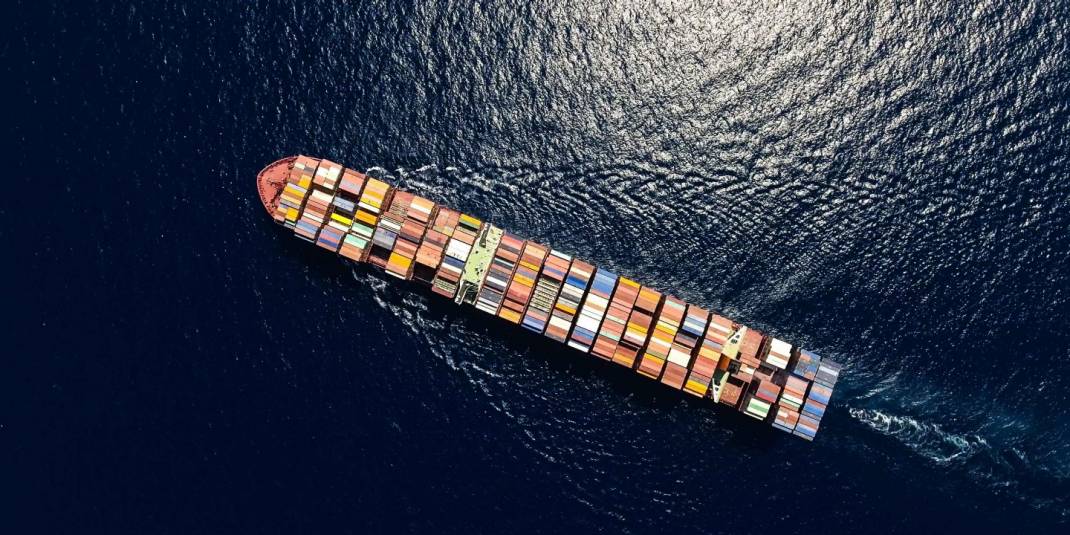
As the Middle East conflict slows growth and fuels inflation, capital is moving toward safe havens. Success in this climate requires strict caution and disciplined asset allocation.
Capital flows shift as conflict escalates The military conflict in the Middle East is weighing on global financial markets and investment channels. On the second day of the fighting, Iran struck a well-known hotel in Dubai in the United Arab Emirates (UAE) — an oil gateway and global financial hub — sending shockwaves beyond the movement of capital and goods. Currency markets are reacting. International analysts expect the U.S. dollar and the Swiss franc to strengthen, while currencies of energy-importing economies may depreciate sharply. “This creates unfavorable dynamics in international relations and could accelerate shifts in the global economic and financial order, with uncertain directions ahead,” said economist Vu Dinh Anh. As supply shocks stifle growth and fuel inflation, capital naturally moves toward safe-haven markets. “Dubai’s role as a financial hub could be undermined immediately. Oil revenues and the large sovereign funds of Abu Dhabi and Dubai could be frozen and unable to operate. That would fragment global investment flows,” he said at a seminar on the Middle East conflict on March 3. In Vietnam, capital has moved out of risk assets such as equities, driving the VN-Index down 6% during the week the conflict erupted — the steepest weekly decline since late March 2025, when markets reacted to reciprocal tariffs imposed by U.S. President Donald Trump. Liquidity also rose sharply, with average matched trading value reaching VND38.549 trillion day, the highest in seven weeks. Gold prices reacted immediately, hitting a record US$5,322 per ounce on March 2, equivalent to about VND170 million per tael. In Vietnam, SJC gold bars were listed at VND190.9 million per tael, the highest level on record and well above forecasts. By March 3, prices at major brands including SJC, DOJI, Bao Tin Manh Hai and Phu Quy had fallen VND1.5 million per tael, to VND186.4 million per tael for buying and VND189.4 million per tael for selling. The gap with global prices remained wide at about VND16 million per tael. Tran Hoang Son, market strategy director at VPBank Securities, said gold rose nearly 2% immediately after the United States and Israel launched attacks on Iran and had gained 22% in the first two months of 2026, reflecting strong safe-haven demand. “Gold could open with a gap up early next week due to geopolitical risks and may move toward resistance levels of US$5,429–US$5,734 per ounce,” Son predicted. Michael Kokalari, director of macroeconomic analysis and market research at VinaCapital, noted that sentiment toward stocks and real estate could turn sharply negative if the conflict drags on. In Vietnam, depositors often shift funds away from equities when 12-month deposit rates exceed 7–8% per year. At that level, mortgage rates usually rise above 12–13% per year. “When rates reach that threshold, demand for home purchases would plunge,” Kokalari said, adding he expects the current conflict to be “a more intense version of the tensions seen in 2025.” Filtering signals amid market turbulence With many uncertainties ahead, experts recommend investors should avoid decisions driven by emotion or rumors and instead develop strategies to protect assets from inflation risks. The conflict has sent oil and gold prices soaring and increased shipping costs, exerting upward pressure on Vietnamese interest rates through inflation and exchange-rate volatility. Some sectors, however, may benefit from higher oil prices. Fuel retailers could record gains from existing inventories. Oilfield service providers supporting exploration and production, along with refinery and petrochemical companies, may benefit from wider refining margins as crude prices rise. Natural rubber producers may also gain because synthetic rubber prices — closely linked to oil — tend to lift natural rubber prices. Domestic shipping companies could benefit from higher freight rates and longer routes caused by the conflict, boosting revenue and profits. According to VinaCapital, listed Vietnamese port operators have historically benefited from geopolitical tensions because higher freight rates tend to increase port handling and storage fees. However, a prolonged conflict or a blockade of the Strait of Hormuz would severely disrupt global shipping volumes. Urea fertilizer producers may also benefit, as Iran accounts for about 10% of global urea exports. Jewelry companies could see higher revenue as rising gold prices and demand for safe-haven assets boost sales. Risks would increase if the Strait of Hormuz were closed for an extended period, making it harder for fuel retailers to source alternative oil supplies from the Middle East. Vietnam’s leading natural gas firm, Petrovietnam Gas Joint Stock Corporation (PV Gas), could also have a hard time securing LPG import contracts. Airlines, tourism firms and travel-related businesses would be negatively affected by higher oil prices. Kokalari said rising interest rates driven by inflation pressures would also weigh on interest-rate-sensitive stocks, particularly real estate. Bui Van Huy, deputy general manager of investment advisory and asset management firm FIDT, said geopolitical conflicts such as those involving the United States, Israel and Iran typically affect Vietnam’s stock market only in the short term. However, rising interest rates could limit the flow of cheap money into equities. “Regardless of the conflict, this year will see a sharp divide in market performance. The VN-Index may not perform as well as it did in 2025,” Huy noted.

Latest articles

Japanese Consul General recalls The Saigon Times’ value since the 1990s

Japanese Consul General recalls The Saigon Times’ value since the 1990s

In the news June 25, 2026

“I first began reading The Saigon Times during my earlier posting at the Consulate-General of Japan in Ho Chi Minh City, from 1994 to 1998. Those were exciting times, with Vietnam opening up under the Doi Moi reforms and many Japanese companies were establishing their presence in southern Vietnam. As an officer responsible for economic affairs at the Consulate-General in those days, I found the up-to-date information The Saigon Times provided on Vietnam’s economy truly invaluable — and I am sure the Japanese business community here shared that sentiment.

The journey is complete

The journey is complete

In the news June 25, 2026

There is a question that has occupied philosophers across cultures and centuries: what does it mean to live in a world where everything changes, and nothing lasts?

French Consul General highlights The Saigon Times as a long-standing source for Vietnam insights

French Consul General highlights The Saigon Times as a long-standing source for Vietnam insights

In the news June 25, 2026

"The Saigon Times has been a trusted source of information for the French Consulate for many years. Its English edition enables expats like me to stay well informed about business, economic and social developments in Vietnam. It has also been one of the reliable sources we use for our daily news round-ups and updates, helping us keep track of what is happening both locally and nationally.