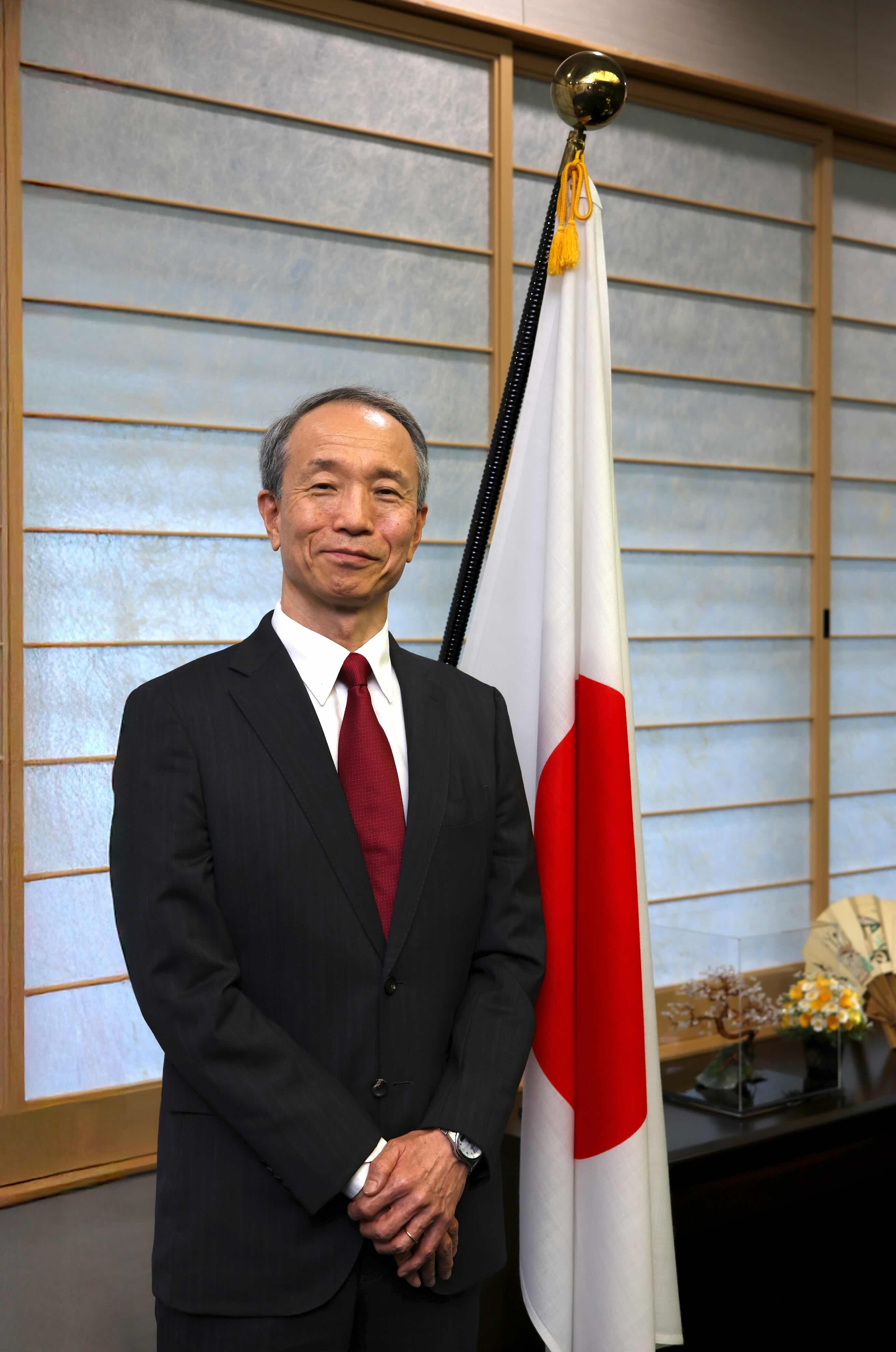
"China has emerged as a global leader in technology, innovation, and clean energy. Vietnam can should find ways to attract foreign direct investment (FDI) from China and developed countries like the United States, Europe, Japan, and South Korea. This will enable Vietnam to acquire knowledge, upgrade production capabilities, and keep pace with global trends in semiconductors and green technology," said Professor Dr. Vo Xuan Vinh from the Business Research Institute of the University of Economics in HCMC during a conversation with The Saigon Times.
In the midst of the ongoing Russia-Ukraine military conflict, another potential hotspot emerged in late 2023 – the Israel-Hamas conflict in the Gaza Strip. Meanwhile, the Sino-American trade war shows no signs of abating, directly affecting the manufacturing and business activities of the world's two largest economies.
Against this backdrop, Vietnam's political stability, efforts to improve the investment and business environment, proactive FDI attraction initiatives at both local and national levels, the "China plus one" strategy adopted by multinational corporations with manufacturing bases in China, and China's investment promotion policies aimed at seeking overseas profits have collectively propelled Vietnam to achieve a new FDI attraction record in 2023, totaling US$36.6 billion. This remarkable figure represents a 32% increase compared to the previous year.
While FDI disbursement in 2023 rose by a modest 3.5%, the advantages of investing in Vietnam and the long-term prospects for foreign businesses in the country are unquestionable.
Foreign investment in Vietnam during 2023 presented two noteworthy trends:
First is the shift in Chinese FDI. While China has consistently been among Vietnam's leading foreign investors, the nature of Chinese investments witnessed a shift in 2023. There was a marked increase in the number of Chinese projects valued at over US$1 billion or in the hundreds of millions of dollars. Chinese investors exhibited heightened interest in projects related to high technology, semiconductor materials, products for green transition, and clean energy. Second is the comprehensive strategic partnership with the United States. In September 2023, the United States and Vietnam elevated their bilateral relationship to a comprehensive strategic partnership. Vietnam has been identified as a crucial link in a friendly and sustainable supply chain for semiconductor technology and rare earth elements. U.S. companies have displayed keen interest in Vietnam's commitment to clean energy and achieving net-zero emissions by 2050. This lays the foundation for anticipated investments in these sectors from the United States and other developed nations.
Vietnam is poised to attract high-quality FDI due to these advantages. If Vietnam seizes the opportunity to upgrade its production capabilities and technology while boosting research and development (R&D), particularly in Industry 4.0 sectors like semiconductor technology and clean energy, the country can experience rapid growth.

Vietnam can take a page from China's playbook. In the past, China primarily attracted FDI in labor-intensive industries. Alongside its open FDI policies, China focused on human resource development and technology advancement. The country encouraged foreign firms to establish R&D centers and concurrently established its own R&D facilities, gradually achieving a balanced position between domestic producers and foreign investors.
China's investment in human resources, science, technology, and innovation began with universities and extended to state-owned enterprises. The conditions were created for private businesses to actively participate in this process.
To replicate this success, Vietnam needs to enhance its infrastructure, encompassing both hard infrastructure such as transportation, schools, hospitals, and information technology, and soft infrastructure in areas like culture, education, and legislation. This will facilitate the attraction of workers, experts, scientists, including overseas Vietnamese experts, to collaborate with foreign enterprises in Vietnam. Additionally, it will nurture a high-quality workforce in Vietnam, benefiting both foreign and domestic businesses.