

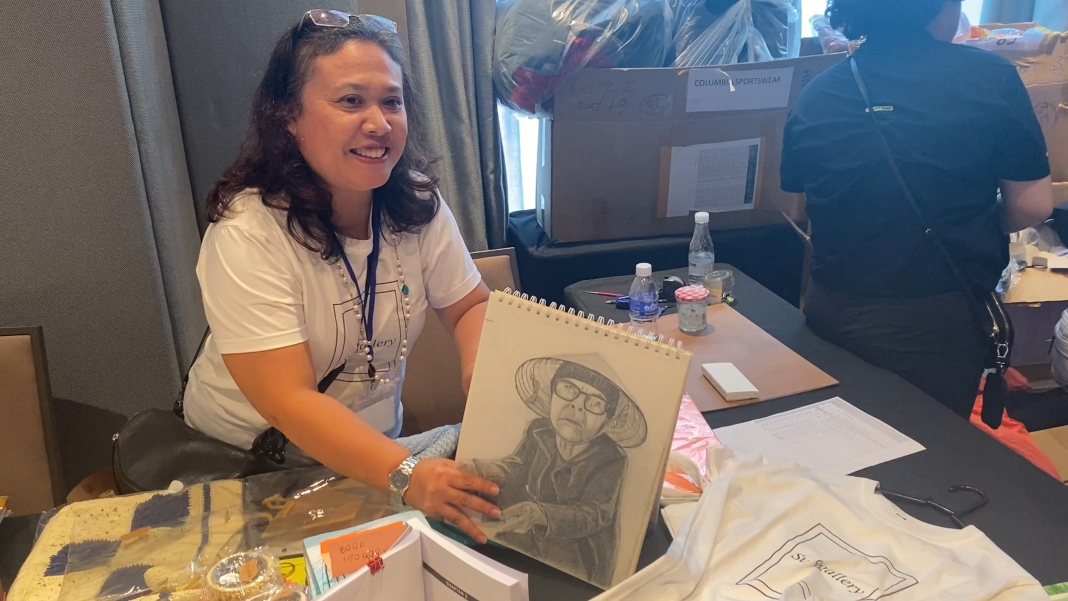



Besides being a dedicated full-time housewife, Suhaila Kasim has discovered a unique way to combine her creative skills and desire to make a positive contribution to society. She donates all the proceeds from selling her products to support those in need through charitable organizations. In an interview with The Saigon Times, Kasim shares her passions and journey of giving back, spreading love to the community. Excerpts:
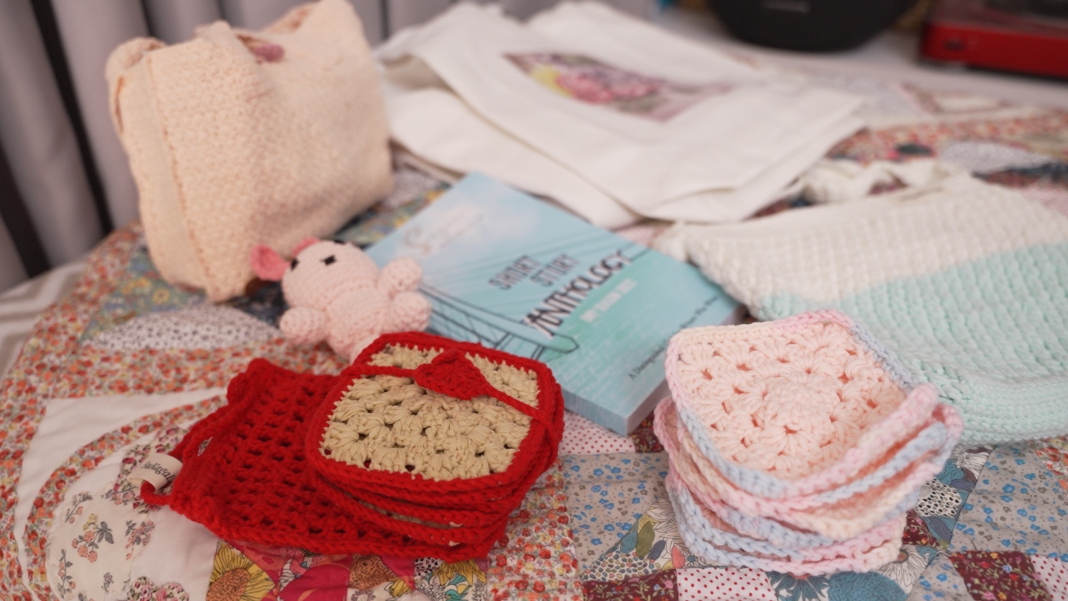
The Saigon Times: When you first arrived here, did you notice anything different or interesting compared to Malaysia? Suhaila Kasim: We moved here in 2014 because my husband was working here. I found that Vietnam is quite similar to Malaysia, culturally and economically. The weather is the same. The food and lifestyle are nearly identical to Malaysia, except for the language, which is a bit different for us. The cost of living in Vietnam is much higher than in Malaysia. I have seen significant changes since 2014. Initially, it was still cheaper than Malaysia, but over the years, Vietnam has become much more expensive than Kuala Lumpur. https://www.youtube.com/watch?v=gEHvC3kONoY Were there any challenges when you came here to live? The biggest challenge for me when I first arrived here was the language barrier. It was very difficult to find people who could understand English in Vietnam. However, over the years, many Vietnamese people have learned basic English and can now understand and communicate better with foreigners. That is a positive development. During the first year of living in Vietnam, we hired local teachers to teach us Vietnamese. We spent three months working hard to learn the language. The main difference between the two languages is that Malay does not have tones, whereas Vietnamese does. It was challenging for us to adapt to the tone system because tones can change the meaning of words. After three months of learning Vietnamese, we gave up because every time we tried to use it in daily life and speak Vietnamese words, it didn’t convey the intended message. For example, when we took a taxi to Dong Du Street (a street in HCMC), we accidentally said, “Don’t do, don’t do.” We ended up arguing with the taxi driver, wondering why he couldn’t understand us easily, but in reality, we had pronounced it incorrectly. Since I resemble a Vietnamese person, many people assume I’m a local, while my husband looks Indian. Whenever we went to a gadget shop, the salesman would avoid talking to my husband and turn to me instead. They thought I was a local and spoke Vietnamese to me, so I had to explain that I couldn’t speak Vietnamese and that I wasn’t a local. Tell us about your business here in Vietnam I don’t run a business. As a full-time housewife, I have plenty of time to pursue my hobbies, such as painting, crocheting, quilting, and writing. However, I do sell some of my creations to those who are interested. Most of the proceeds from these sales are donated to charity. That’s why I joined the ILV (International Ladies in Vietnam) and another organization run by an Indonesian lady in Saigon. They provide connections to charity homes and help me channel my contributions.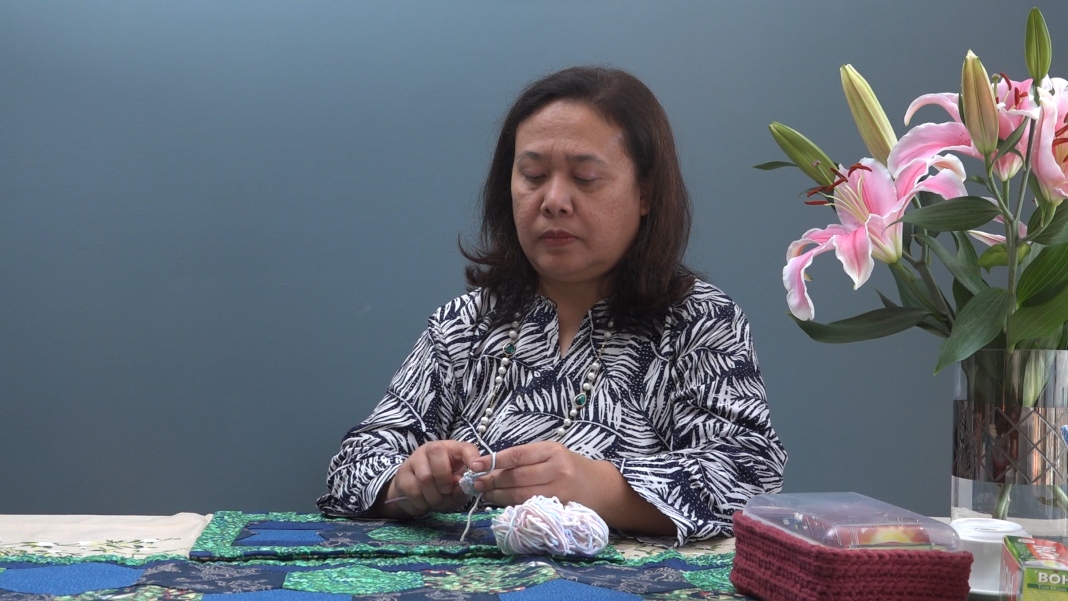
What is your advice to expats who want to come and live in Vietnam? I would advise expats to learn some basic Vietnamese words, especially those related to survival and directions. Knowing phrases like “Đi thẳng” (go straight), “qua trái” (turn left), and “qua phải” (turn right) is crucial as it will come in handy when navigating around Saigon. Public transportation is convenient here, and taxis are readily available and reliable.
Reported by The Ky





