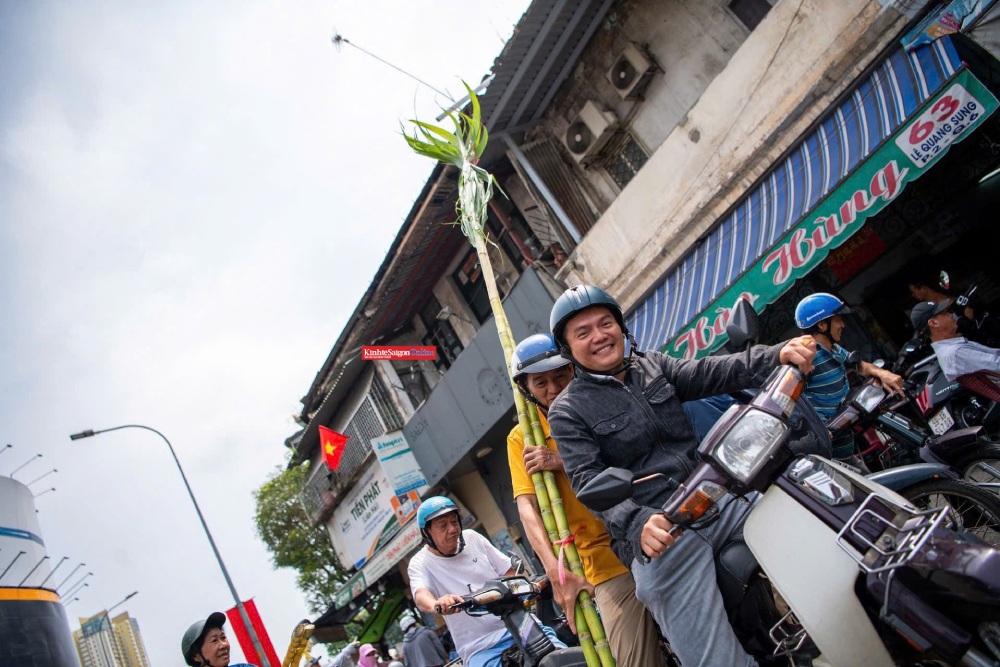
HCMC – At the Le Quang Sung sugarcane market in Binh Tay Ward, HCMC, local residents gathered to buy “golden” sugarcane to prepare for the annual Jade Emperor’s Birthday, celebrated on the ninth day of the first lunar month, or February 25.
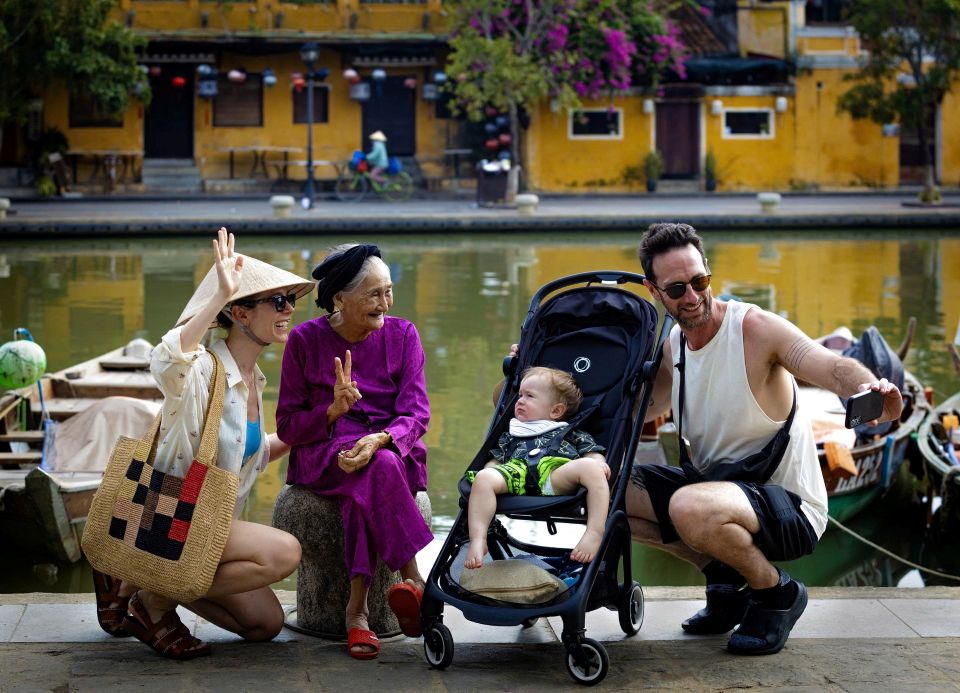
DANANG — It began on a quiet afternoon in 2011. On the Hoai River, which winds through the ancient town of Hoi An, a chance encounter on a small wooden boat sparked a journey that neither passenger could have ever envisioned.
At six in the morning, two days before Tet, the lights flicker on at Ba Hoa Market in HCMC, and the day begins not with a shout but with a murmur. For much of the year, Ba Hoa is a neighborhood market. But in the days leading to Tet, it becomes something else: a living ledger of migration, memory and trade.
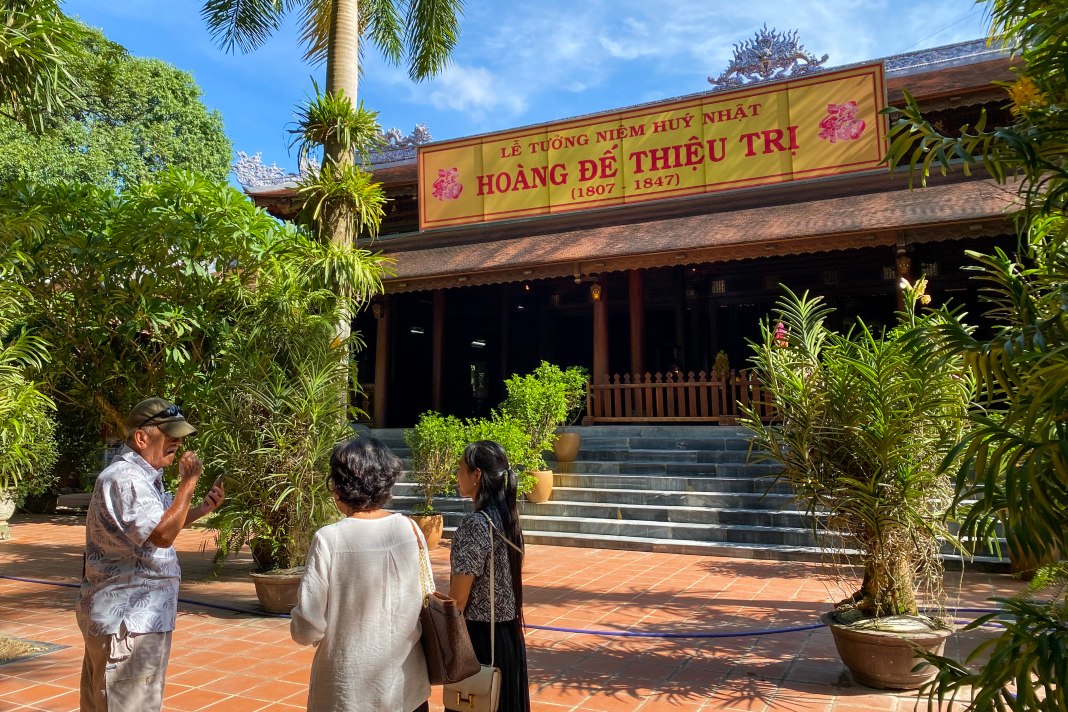
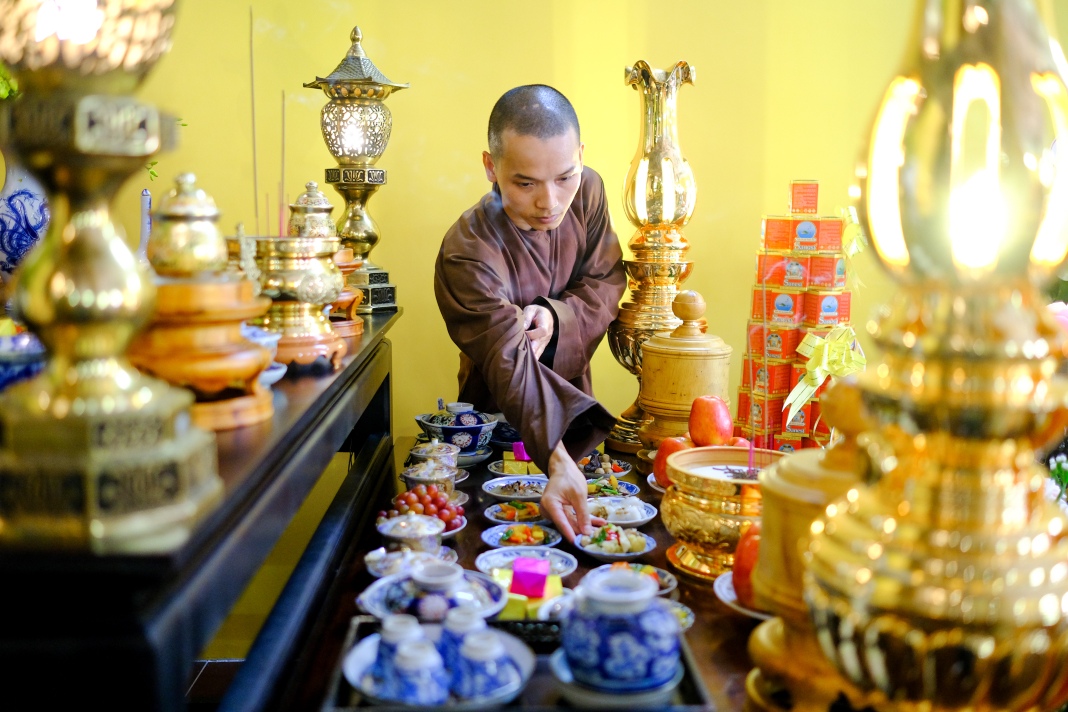
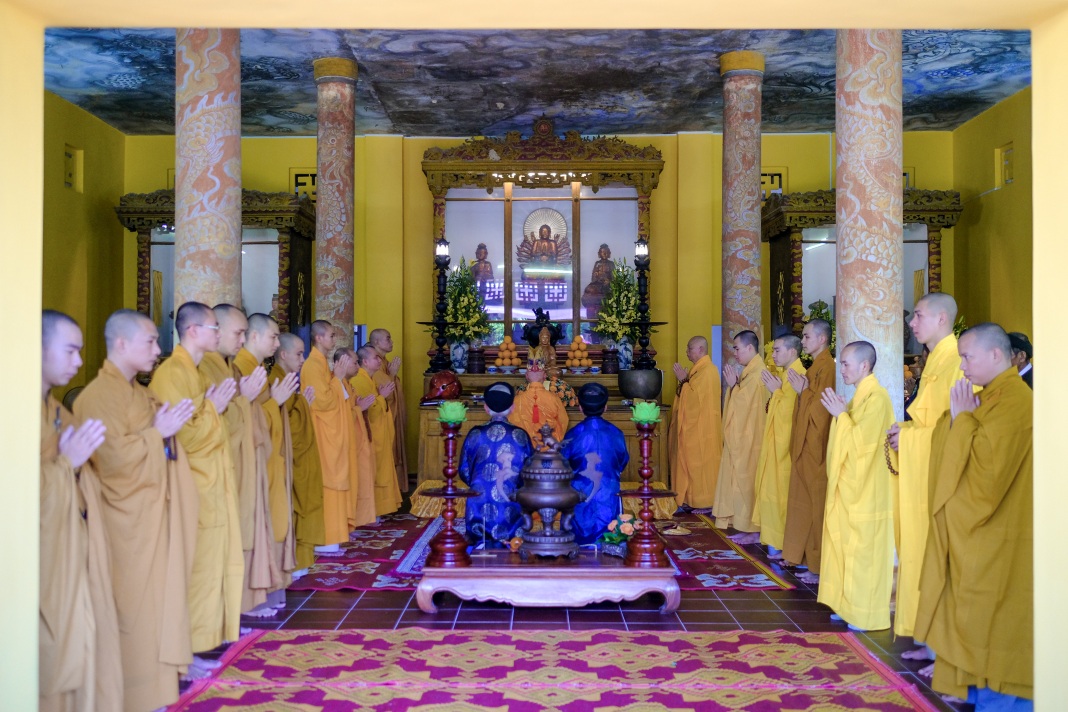
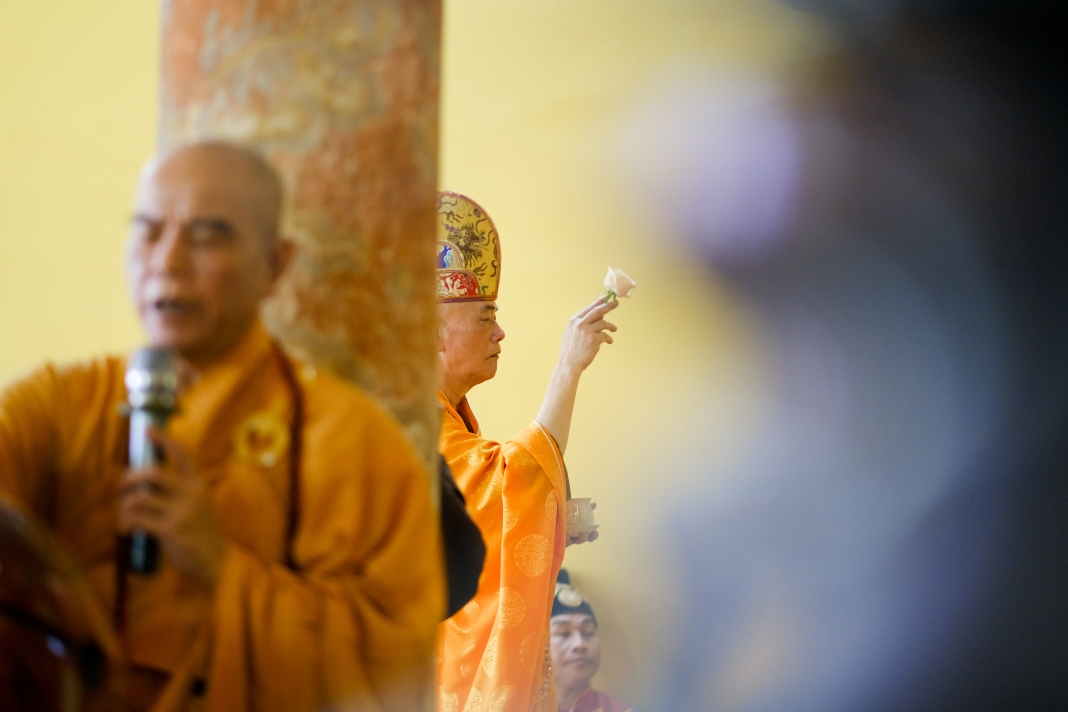
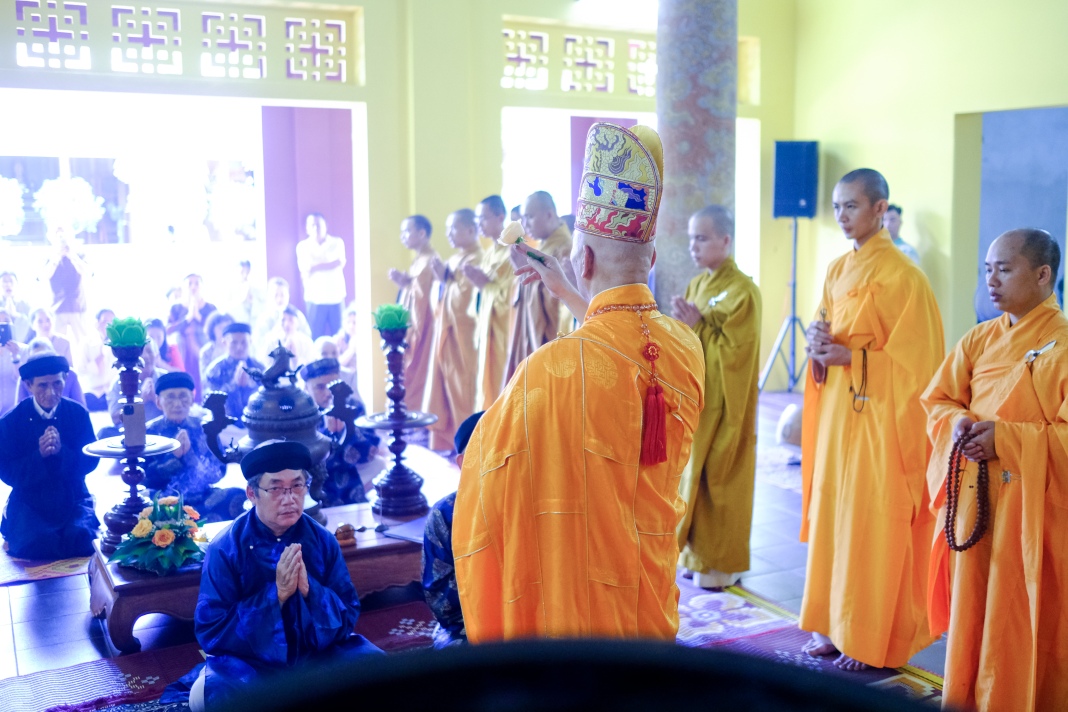
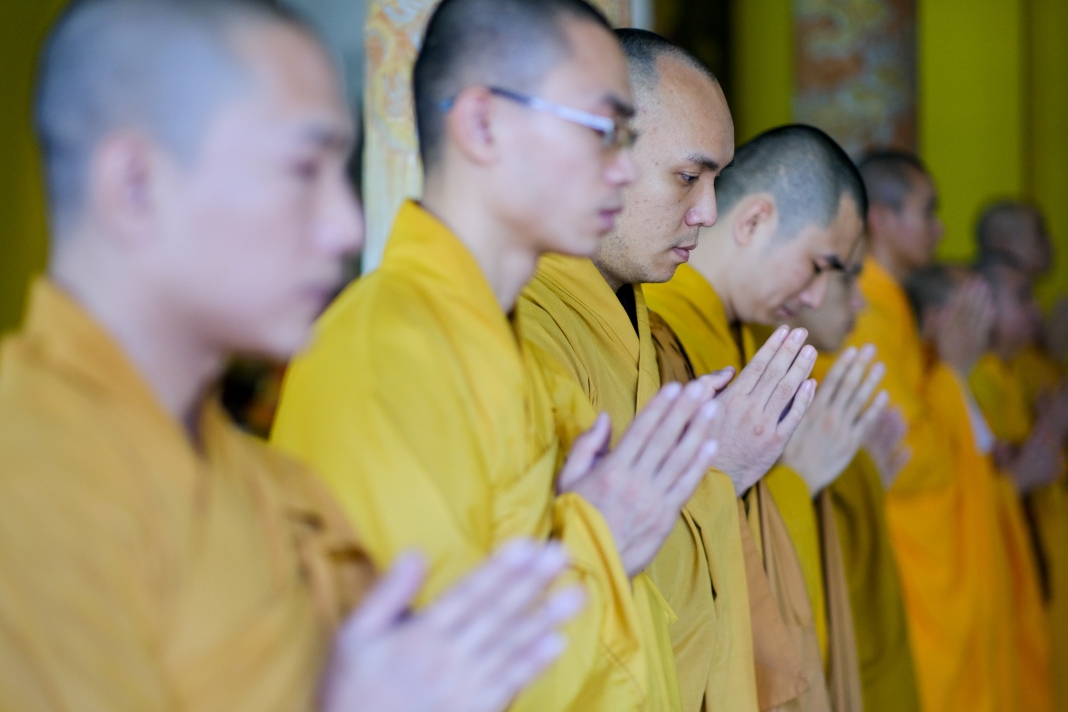
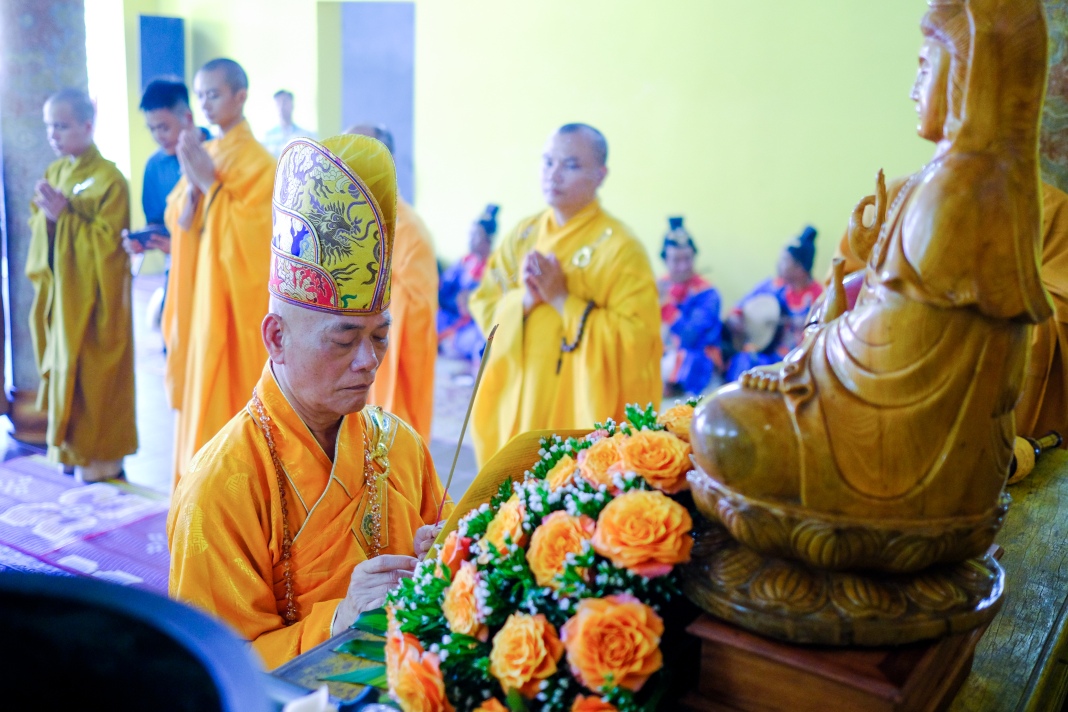
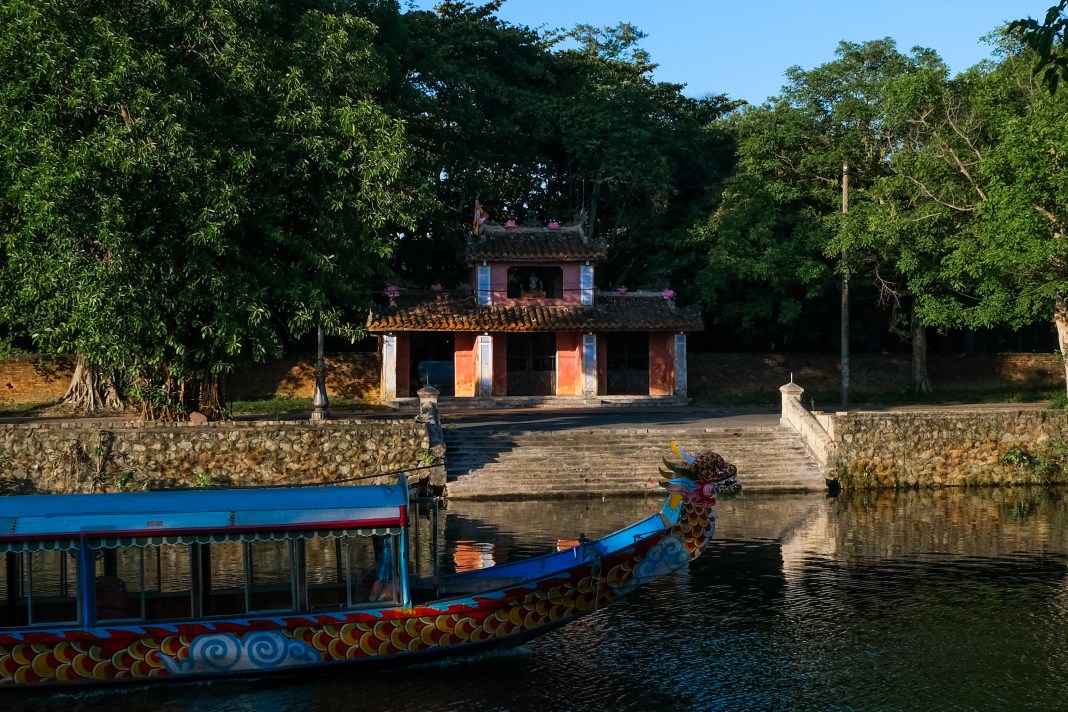
On the morning of November 10, the 176th imperial ceremony commemorating Emperor Thieu Tri took place at Dieu De Pagoda. Emperor Thieu Tri was the third king of the Nguyen Dynasty, the last royal dynasty in Vietnam. This pagoda is one of the three remaining national pagodas from the Nguyen Dynasty in the ancient capital of Hue.
Historical records tell us that after ascending to the throne in 1841, King Thieu Tri, whose real name was Nguyen Phuc Mien Tong, commissioned the construction of Dieu De Pagoda in 1844. It was built in the eastern area of the imperial grounds where the emperor was born.
Emperor Thieu Tri passed away on October 4, 1847, at the age of 41. Following his death, a tablet honoring the king was enshrined in The Mieu Temple and at Dieu De Pagoda. Emperor Thieu Tri’s tomb, known as Xuong Lang, is located in Cu Chanh Village, Huong Thuy Township, Thua Thien Hue Province.
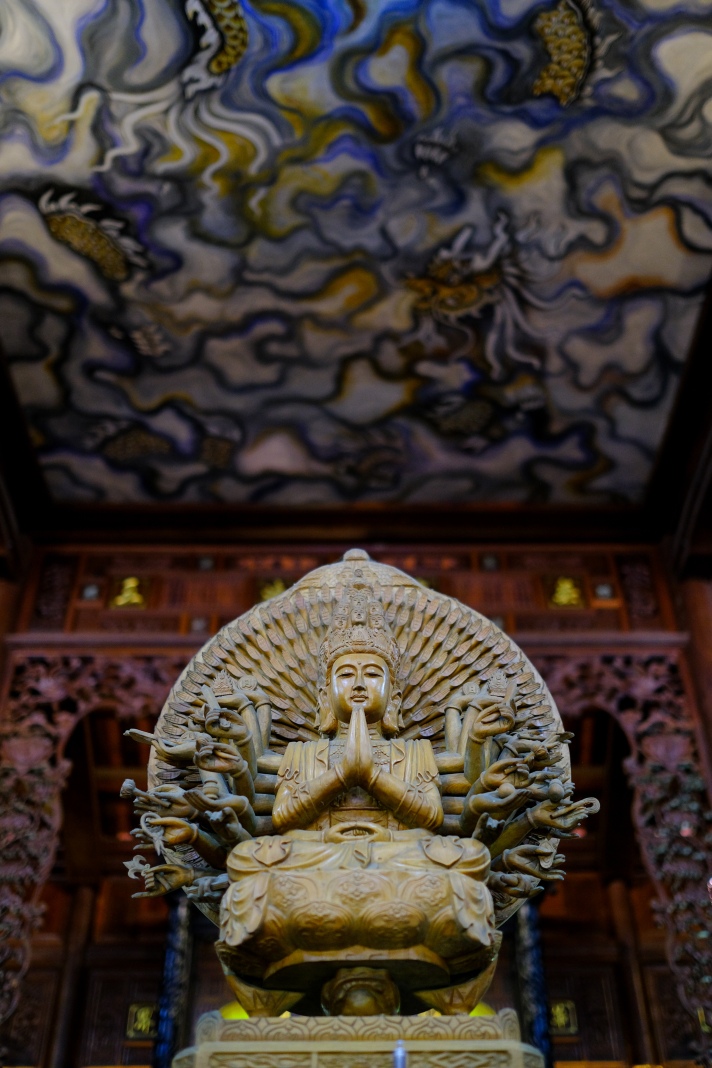
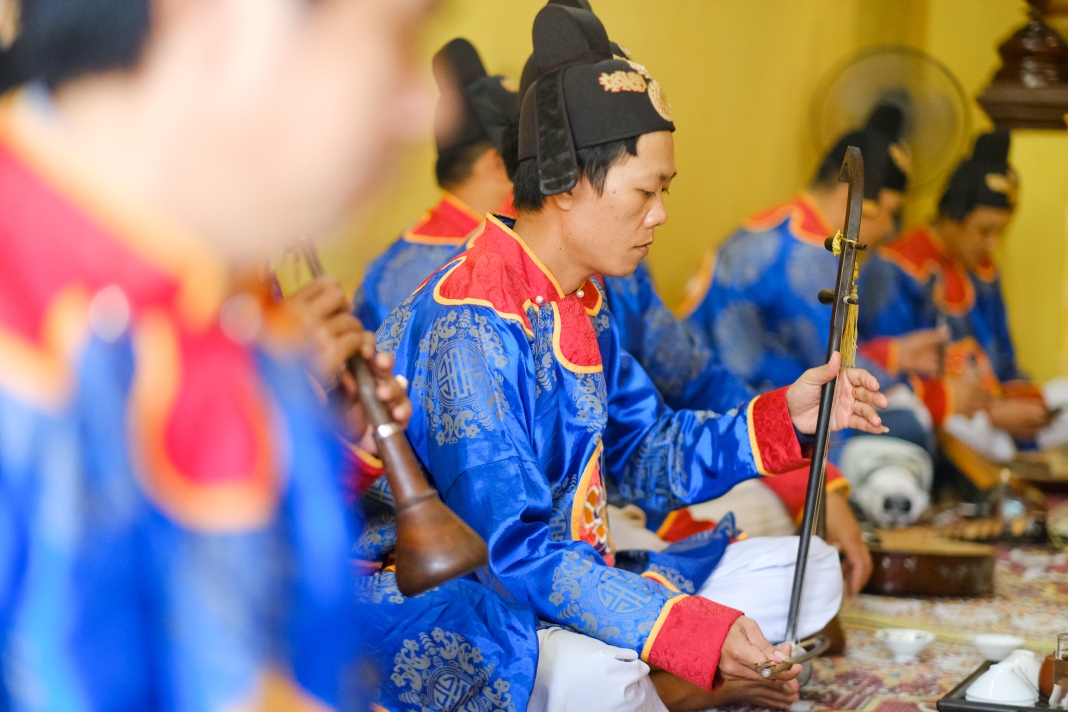
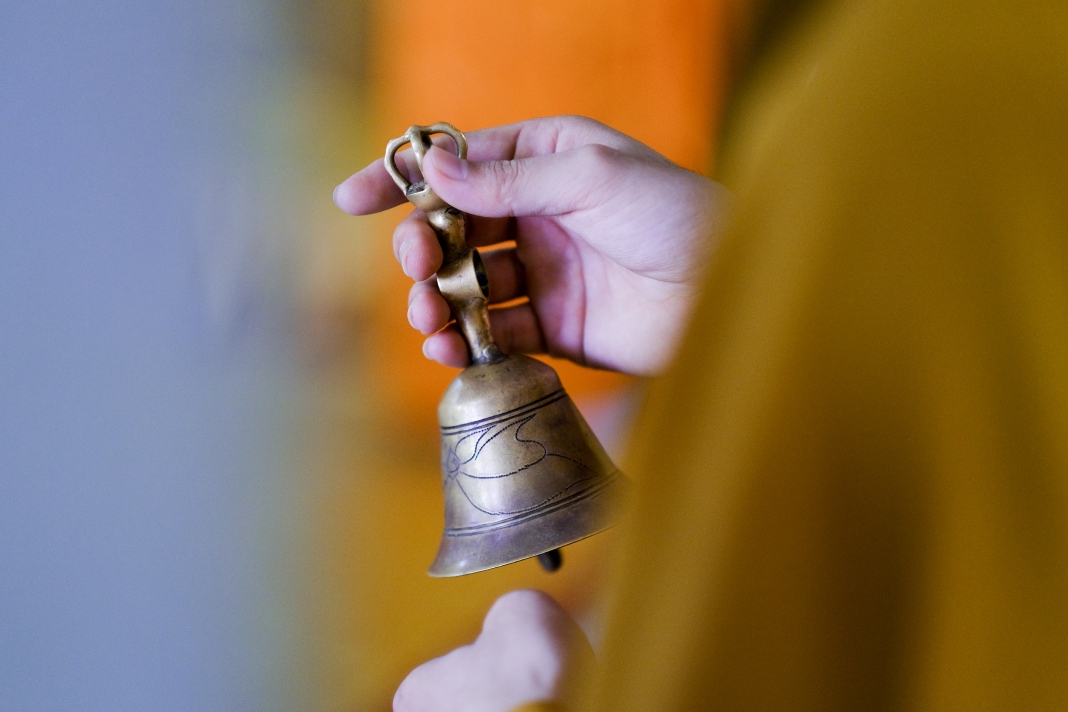
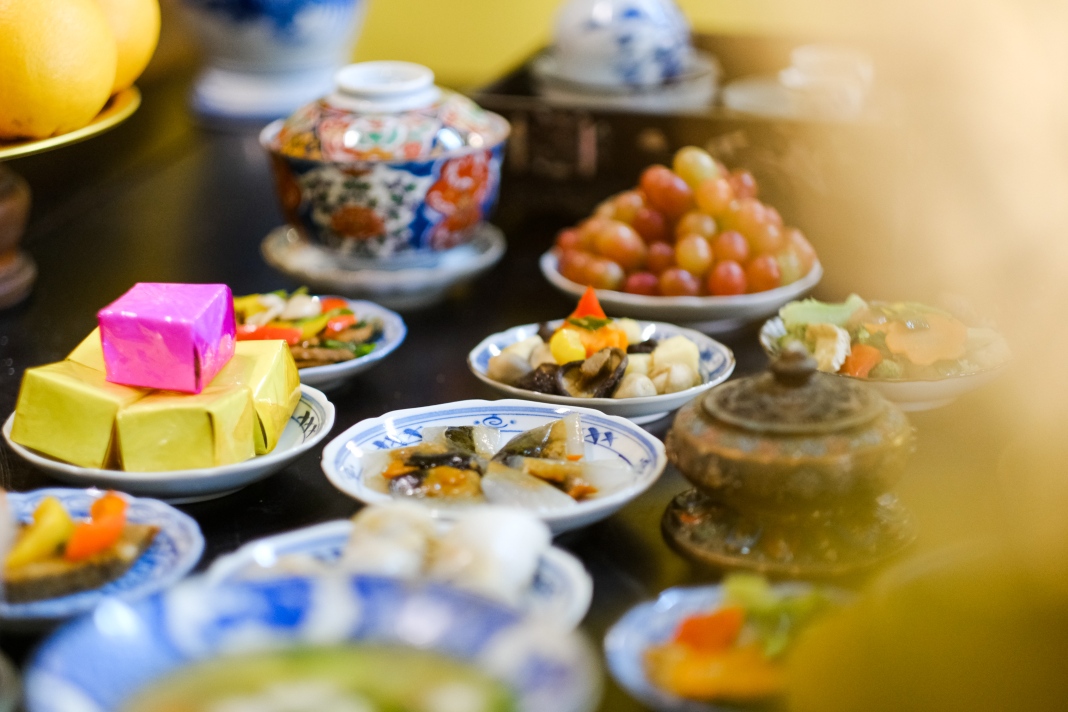
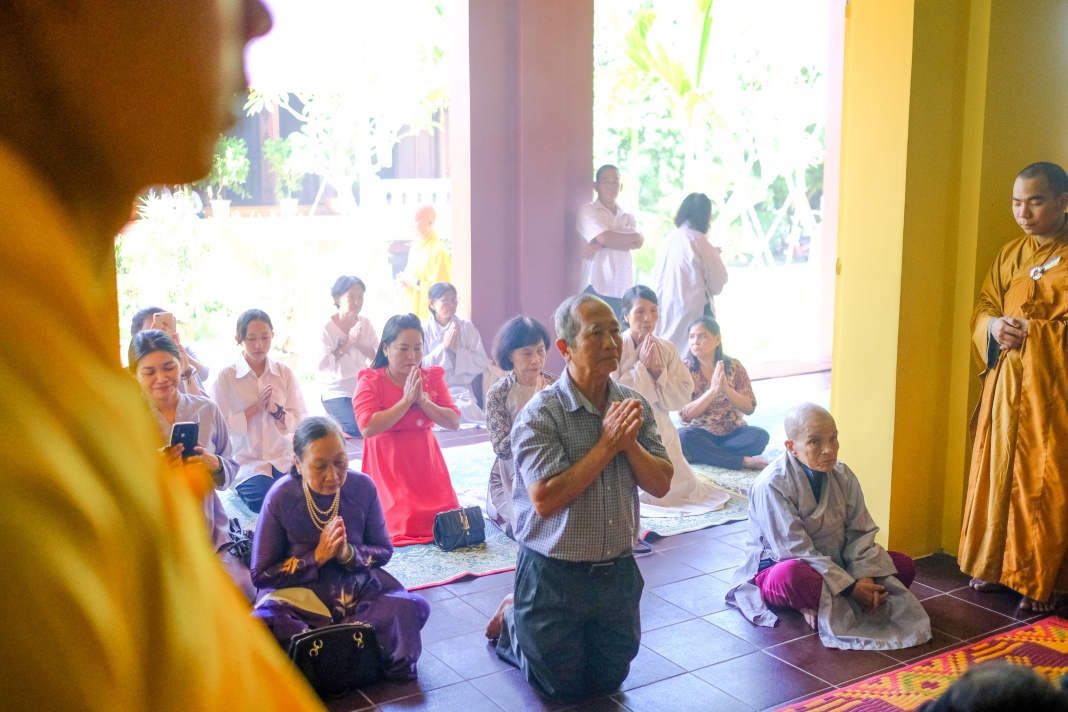
A monk prepares for the ceremonyThe renowned painting “Nine Dragons Hidden in the Clouds” at Dieu De PagodaNha Nhac performance at the ceremony. Nha Nhac, proclaimed on the UNESCO Representative List of Intangible Cultural Heritage of Humanity, encompasses various musical and dance styles performed on the Vietnamese royal courtPeople gather in the main hall to participate in the ceremonyThe Venerable Monk of Dieu De Pagoda kicks off the ceremony... and bestows blessings upon royal descendantsMonks participate in the ceremonyRinging the bell to pray for peace and prosperity during the ceremonyMonks in attendanceA variety of vegetarian dishes offered at the ceremonyRoyal descendants, locals, and tourists pay tribute to Emperor Thieu Tri, who commissioned the construction of Dieu De Pagoda, a national pagodaIn 2018, Dieu De National Pagoda embarked on a significant restoration project, preserving the entire old main hall dating back to 1953
HCMC – At the Le Quang Sung sugarcane market in Binh Tay Ward, HCMC, local residents gathered to buy “golden” sugarcane to prepare for the annual Jade Emperor’s Birthday, celebrated on the ninth day of the first lunar month, or February 25.
DANANG — It began on a quiet afternoon in 2011. On the Hoai River, which winds through the ancient town of Hoi An, a chance encounter on a small wooden boat sparked a journey that neither passenger could have ever envisioned.
At six in the morning, two days before Tet, the lights flicker on at Ba Hoa Market in HCMC, and the day begins not with a shout but with a murmur. For much of the year, Ba Hoa is a neighborhood market. But in the days leading to Tet, it becomes something else: a living ledger of migration, memory and trade.