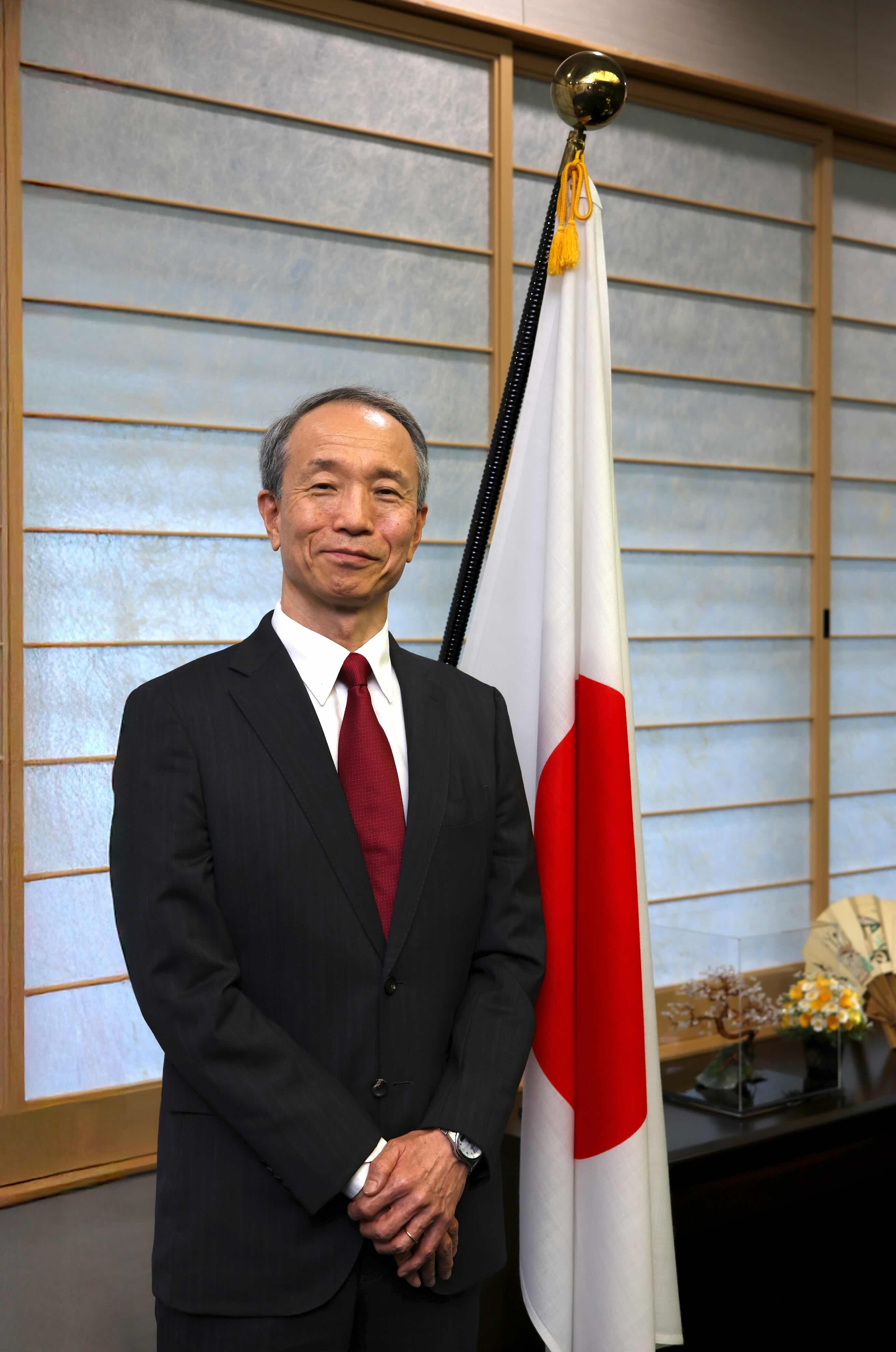
“I first began reading The Saigon Times during my earlier posting at the Consulate-General of Japan in Ho Chi Minh City, from 1994 to 1998. Those were exciting times, with Vietnam opening up under the Doi Moi reforms and many Japanese companies were establishing their presence in southern Vietnam. As an officer responsible for economic affairs at the Consulate-General in those days, I found the up-to-date information The Saigon Times provided on Vietnam’s economy truly invaluable — and I am sure the Japanese business community here shared that sentiment.
There is a question that has occupied philosophers across cultures and centuries: what does it mean to live in a world where everything changes, and nothing lasts?
"The Saigon Times has been a trusted source of information for the French Consulate for many years. Its English edition enables expats like me to stay well informed about business, economic and social developments in Vietnam. It has also been one of the reliable sources we use for our daily news round-ups and updates, helping us keep track of what is happening both locally and nationally.
“Vietnam must fundamentally transform its economy to effectively cope with natural disasters and climate change. The transformation is not just an option but an urgent requirement to ensure sustainable development and protect people’s lives,” said Assoc. Prof. Dr. Pham The Anh, head of the Economics Department at the National Economics University, in an interview with The Saigon Times.
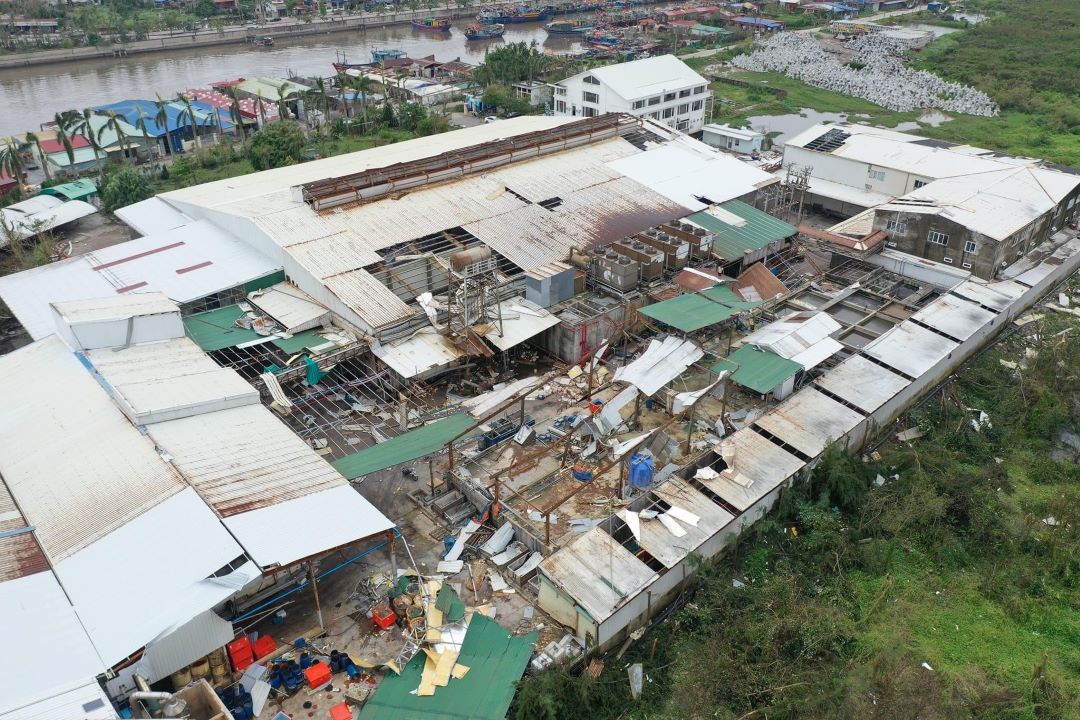
Yagi will lead to economic slowdownThe Saigon Times: According to initial statistics, Yagi and ensuing flooding have caused significant damage to roads, production facilities, rice fields, crops, and aquaculture in many northern provinces. How would you assess the extent of the damage and its impact on Vietnam’s economic growth in 2024?Prof. Dr. Pham The Anh, head of the Economics Department at the National Economics University- Assoc. Prof. Dr. Pham The Anh: Typhoon Yagi was one of the strongest storms to hit Vietnam in recent decades. The typhoon and ensuing flooding have caused severe human and property losses in northern provinces. Although we have yet to have an official estimate of the total material damage across all affected areas, the figure might reach hundreds of trillions of Vietnam dong, roughly 1% of GDP. Furthermore, Yagi’s impact on economic growth extends across multiple sectors, which include:
Firstly, the storm reduces agricultural and fishery production. Agriculture is one of the sectors most heavily impacted by natural disasters. Storms and floods have caused significant damage to crops and agricultural infrastructure, leading to lower output and quality of agricultural products in a swathe of areas. Similarly, fisheries and aquaculture equipment in coastal provinces like Quang Ninh and Haiphong have also been severely affected. This not only affects the food supply but also reduces incomes and assets for the population, increasing the debt burden and impacting the ability to restore production in the near future.
Yagi also caused damage, flooding, power outages, and disruptions to many industrial production facilities. Industries reliant on agricultural raw materials, such as food processing and textiles, will also face negative consequences. Additionally, tourism, transportation and trade have been disrupted due to damaged infrastructure and interrupted road networks. This will hit revenues of businesses in the service sector, further impacting growth.
On the flip side, post-typhoon relief and recovery will help boost Vietnam’s economic growth. Agricultural and industrial production facilities in unaffected areas may increase output to compensate for the shortage of goods in the affected provinces. The Government will also allocate a large budget, along with financial aid contributed by individuals and businesses nationwide, to aid the post-disaster recovery, including helping affected people and rebuilding infrastructure. These efforts could stimulate consumption and investment, mitigating the negative impact on economic growth.
In general, Yagi will result in Vietnam’s GDP growth slowing this year. However, the extent of the impact depends on several factors, including the scale and speed of recovery in the affected industries. This, in turn, depends on community efforts and the effectiveness of the Government’s support policies.
The World Bank (WB) and the International Monetary Fund (IMF) have previously warned that natural disasters could wipe out billions of dollars of growth from Vietnam’s economy each year. They have also recommended that Vietnam adopt new approaches to economic development to minimize the effects of natural disasters and climate change. How do you view this recommendation? Is it time for Vietnam to proceed with an economic transition to address natural disasters and adapt to climate change, and what specific actions have we taken so far?
- The WB and IMF warnings about the negative impact of natural disasters on Vietnam’s economic growth are entirely accurate and alarming. With its unique geography and climate, Vietnam constantly faces high risks from extreme weather events. Storms like Yagi are just one typical example of devastating impact that natural disasters would have on the economy.
Vietnam must undertake fundamental economic transformation to effectively respond to natural disasters and adapt to climate change. These changes are not optional but are essential to ensuring sustainable development and protecting people’s livelihoods. Vietnam has made initial moves in this area, but more needs to be done. Positive steps include raising public awareness about climate change, strengthening international commitments and cooperation, and building early warning systems.
In the near future, Vietnam needs to develop a complete legal framework and specific policies that encourage activities adapting to climate change. These policies must align with the interests of businesses and citizens to encourage voluntary participation. For example, the Government could provide subsidies to promote sustainable agricultural practices, such as planting drought-resistant crops and using advanced farming techniques to help farmers reduce risks and increase productivity. It could also encourage energy-saving and low-emission manufacturing through tax incentives.
Vietnam must increase investment in infrastructure designed to cope with natural disasters, such as flood barriers, drainage systems, safe housing, and storm-resistant infrastructure. Investment is also needed in climate change research, disaster risk assessments, and the search for new technological solutions for climate adaptation. A particularly important focus is the need to shift the growth model from resource-based to innovation-driven and environmentally friendly development.
A future-oriented approachWhat approach should Vietnam take in transforming its economy to deal with natural disasters and adapt to climate change? What key points should we focus on?
- As a developing nation facing challenges and opportunities in addressing climate change, Vietnam must strike a balance between economic growth and environmental sustainability. There are several approaches Vietnam can reference and implement, as many other countries have done:
First, adaptation. This involves investing in climate-resilient infrastructure, such as flood-proof buildings, early warning systems, and better water management. In agriculture, we should promote sustainable practices, such as agroforestry, crop diversification, and climate-smart farming, to ensure food security and resilience. Coastal protection measures, like seawalls and mangrove restoration, can reduce the risk of coastal erosion and saltwater intrusion.
Second, mitigation. This includes developing renewable energy sources like solar, wind, and possibly nuclear power, to reduce greenhouse gas emissions and provide clean energy. We should also improve energy efficiency in industries, transportation, and households to reduce energy consumption and emissions. Forest conservation and restoration are critical to reducing landslide risks and absorbing atmospheric CO2.
Third, international cooperation. Vietnam should continue seeking support from developed countries and international organizations for financial and technological assistance to support adaptation and mitigation efforts. Building capacity at the local and governmental levels to tackle climate change through training and education programs is also crucial.
To make these approaches effective, Vietnam needs to develop a comprehensive and detailed action plan. Policies and regulations must encourage climate-friendly behavior and reduce emissions. At the same time, Vietnam should engage local communities in planning and implementing climate adaptation activities to ensure they meet their needs and priorities.
The global green transition is showing signs of slowing down due to the overall economic decline and shifting policies in individual countries. How will this affect Vietnam’s pace of economic transformation toward the stated goals, and can Vietnam achieve some degree of self-reliance in this process?
- The global green transition faces new challenges, particularly amid economic downturns and changing policies in many countries. These challenges include reduced foreign investment in renewable energy and green technology projects in Vietnam, decreased financial support and preferential loans for green projects, and rising raw material costs for these initiatives.
However, the main challenge for Vietnam’s green transition comes from within. The lack of a clear, transparent, and stable long-term policy framework discourages investment in renewable energy, green technology, and environmentally friendly industries. Several leading global energy corporations have withdrawn from Vietnam after initially committing, while domestic businesses face limitations and difficulties due to policy mechanisms. Furthermore, Vietnam lacks incentives for taxes, credit, and land for businesses investing in green projects and faces a shortage of investment in infrastructure and human resources to support the transition.
Overall, the green transition presents many challenges, and Vietnam must proactively drive this process through institutional reforms to create a favorable business environment for enterprises involved in green projects. At the same time, the Government must strengthen its role in domestic market development, international cooperation, and promoting technological and human resource development.
“I first began reading The Saigon Times during my earlier posting at the Consulate-General of Japan in Ho Chi Minh City, from 1994 to 1998. Those were exciting times, with Vietnam opening up under the Doi Moi reforms and many Japanese companies were establishing their presence in southern Vietnam. As an officer responsible for economic affairs at the Consulate-General in those days, I found the up-to-date information The Saigon Times provided on Vietnam’s economy truly invaluable — and I am sure the Japanese business community here shared that sentiment.
There is a question that has occupied philosophers across cultures and centuries: what does it mean to live in a world where everything changes, and nothing lasts?
"The Saigon Times has been a trusted source of information for the French Consulate for many years. Its English edition enables expats like me to stay well informed about business, economic and social developments in Vietnam. It has also been one of the reliable sources we use for our daily news round-ups and updates, helping us keep track of what is happening both locally and nationally.




 - The global green transition faces new challenges, particularly amid economic downturns and changing policies in many countries. These challenges include reduced foreign investment in renewable energy and green technology projects in Vietnam, decreased financial support and preferential loans for green projects, and rising raw material costs for these initiatives.
However, the main challenge for Vietnam’s green transition comes from within. The lack of a clear, transparent, and stable long-term policy framework discourages investment in renewable energy, green technology, and environmentally friendly industries. Several leading global energy corporations have withdrawn from Vietnam after initially committing, while domestic businesses face limitations and difficulties due to policy mechanisms. Furthermore, Vietnam lacks incentives for taxes, credit, and land for businesses investing in green projects and faces a shortage of investment in infrastructure and human resources to support the transition.
Overall, the green transition presents many challenges, and Vietnam must proactively drive this process through institutional reforms to create a favorable business environment for enterprises involved in green projects. At the same time, the Government must strengthen its role in domestic market development, international cooperation, and promoting technological and human resource development.
- The global green transition faces new challenges, particularly amid economic downturns and changing policies in many countries. These challenges include reduced foreign investment in renewable energy and green technology projects in Vietnam, decreased financial support and preferential loans for green projects, and rising raw material costs for these initiatives.
However, the main challenge for Vietnam’s green transition comes from within. The lack of a clear, transparent, and stable long-term policy framework discourages investment in renewable energy, green technology, and environmentally friendly industries. Several leading global energy corporations have withdrawn from Vietnam after initially committing, while domestic businesses face limitations and difficulties due to policy mechanisms. Furthermore, Vietnam lacks incentives for taxes, credit, and land for businesses investing in green projects and faces a shortage of investment in infrastructure and human resources to support the transition.
Overall, the green transition presents many challenges, and Vietnam must proactively drive this process through institutional reforms to create a favorable business environment for enterprises involved in green projects. At the same time, the Government must strengthen its role in domestic market development, international cooperation, and promoting technological and human resource development.