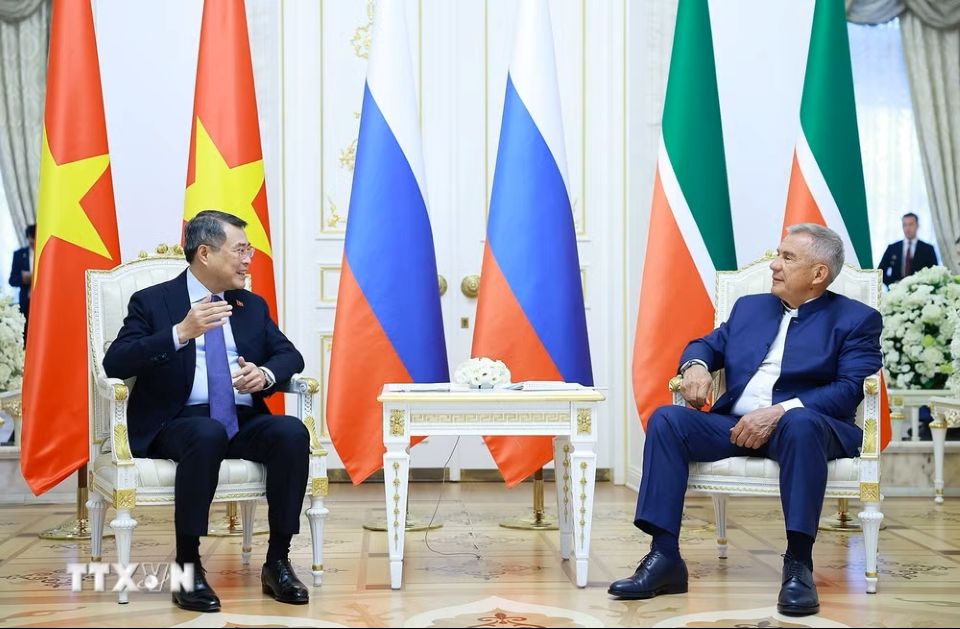
HCMC – Strengthening direct links between localities and businesses in Vietnam and Tatarstan is expected to unlock investment opportunities in underdeveloped sectors such as information technology, heavy manufacturing, and tourism and commercial air connectivity.
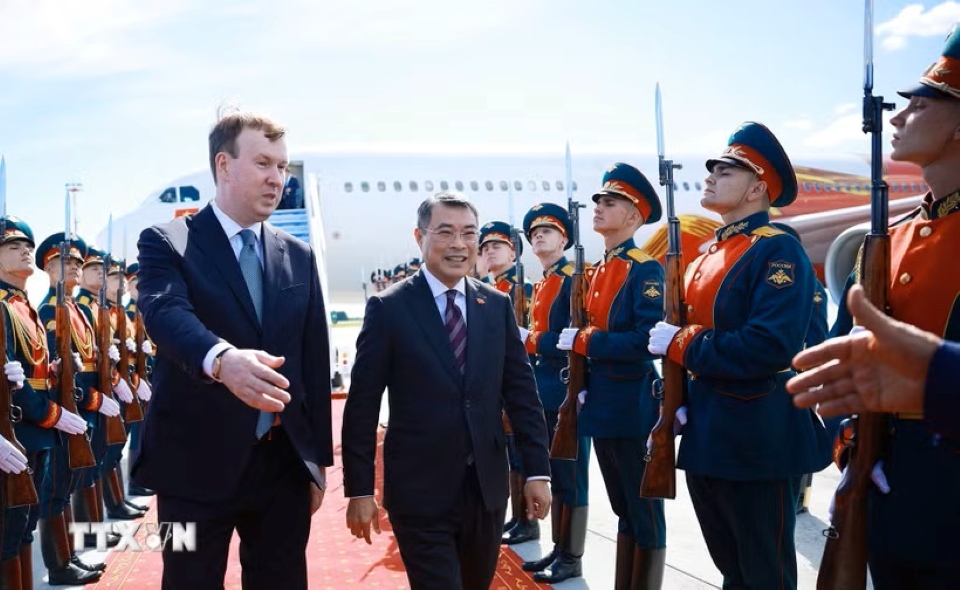
HCMC – Vietnamese Prime Minister Le Minh Hung arrived in Kazan, the capital of Tatarstan, on June 16 (local time) to attend a summit marking the 35th anniversary of ASEAN-Russia relations at the invitation of Russian President Vladimir Putin.
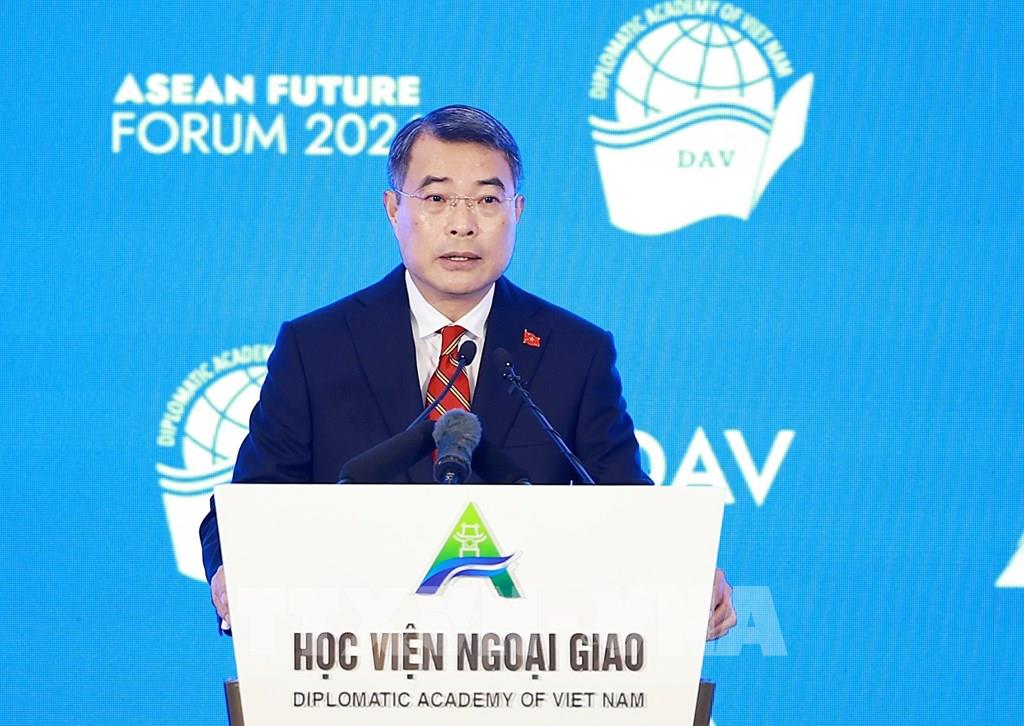
HCMC – Vietnamese Prime Minister Le Minh Hung has proposed three strategic priorities for ASEAN as the bloc works toward realizing its 2045 Community Vision, calling on Southeast Asia to take a more proactive role in shaping the global order, become a center for innovation, and build a people-centered community in the digital age.
HCMC – Vietnam and Cambodia are seeking to transform their relationship from one rooted in traditional friendship to a new growth driver built on strategic proximity, with a focus on strengthening cross-border economic connectivity and developing regional value chains.
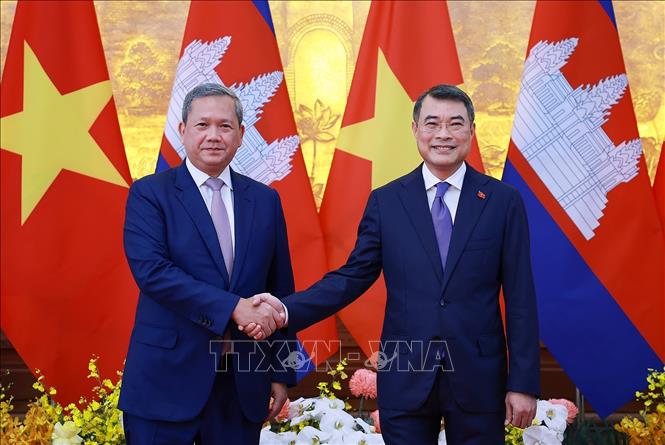
The direction was highlighted at talks between Vietnamese Prime Minister Le Minh Hung and Cambodian Prime Minister Hun Manet on June 8 during the latter’s official visit to Vietnam and attendance at the third ASEAN Future Forum in Hanoi.
The two leaders agreed to prioritize strategic infrastructure connectivity, including accelerating the HCMC–Moc Bai–Bavet–Phnom Penh expressway project and exploring the expansion of air links between Vietnam and Cambodia, as well as among Vietnam, Laos, and Cambodia.
Cambodian Prime Minister Hun Manet and Vietnamese Prime Minister Le Minh Hung are seen in Hanoi on June 8 - PHOTO: VNA
To facilitate investment flows and boost production, the two sides will study the development of special economic zones and cross-border economic zones aimed at improving customs clearance and creating a more favorable environment for trade and logistics activities.
The two governments also agreed to encourage businesses from both countries to invest in sectors with strong growth potential and high demand, including agricultural processing, aquaculture, clean energy, construction materials, and logistics.
In addition, expanding cooperation in education, workforce development, and digital transformation was identified as essential to enhancing the competitiveness of both economies in the technology era.
On the sidelines of the event, the two sides tasked relevant ministries and agencies with developing roadmaps to implement the agreed initiatives. They also pledged to continue close coordination within ASEAN and Mekong subregional cooperation frameworks to help maintain a peaceful and stable environment conducive to economic development.
Following their talks, they witnessed the exchange of a cooperation plan for the 2026-2030 period between Vietnam’s Ministry of Culture, Sports and Tourism and Cambodia’s Ministry of Information.
Trade and tourism remained bright spots in bilateral cooperation during the first four months of 2026. Two-way trade reached nearly US$5 billion, up 9.6% from a year earlier.
Tourism also continued to recover strongly, with Vietnam welcoming nearly 400,000 visitors from Cambodia during the period, a year-on-year increase of 41.6%.
HCMC – Strengthening direct links between localities and businesses in Vietnam and Tatarstan is expected to unlock investment opportunities in underdeveloped sectors such as information technology, heavy manufacturing, and tourism and commercial air connectivity.
HCMC – Vietnamese Prime Minister Le Minh Hung arrived in Kazan, the capital of Tatarstan, on June 16 (local time) to attend a summit marking the 35th anniversary of ASEAN-Russia relations at the invitation of Russian President Vladimir Putin.
HCMC – Vietnamese Prime Minister Le Minh Hung has proposed three strategic priorities for ASEAN as the bloc works toward realizing its 2045 Community Vision, calling on Southeast Asia to take a more proactive role in shaping the global order, become a center for innovation, and build a people-centered community in the digital age.