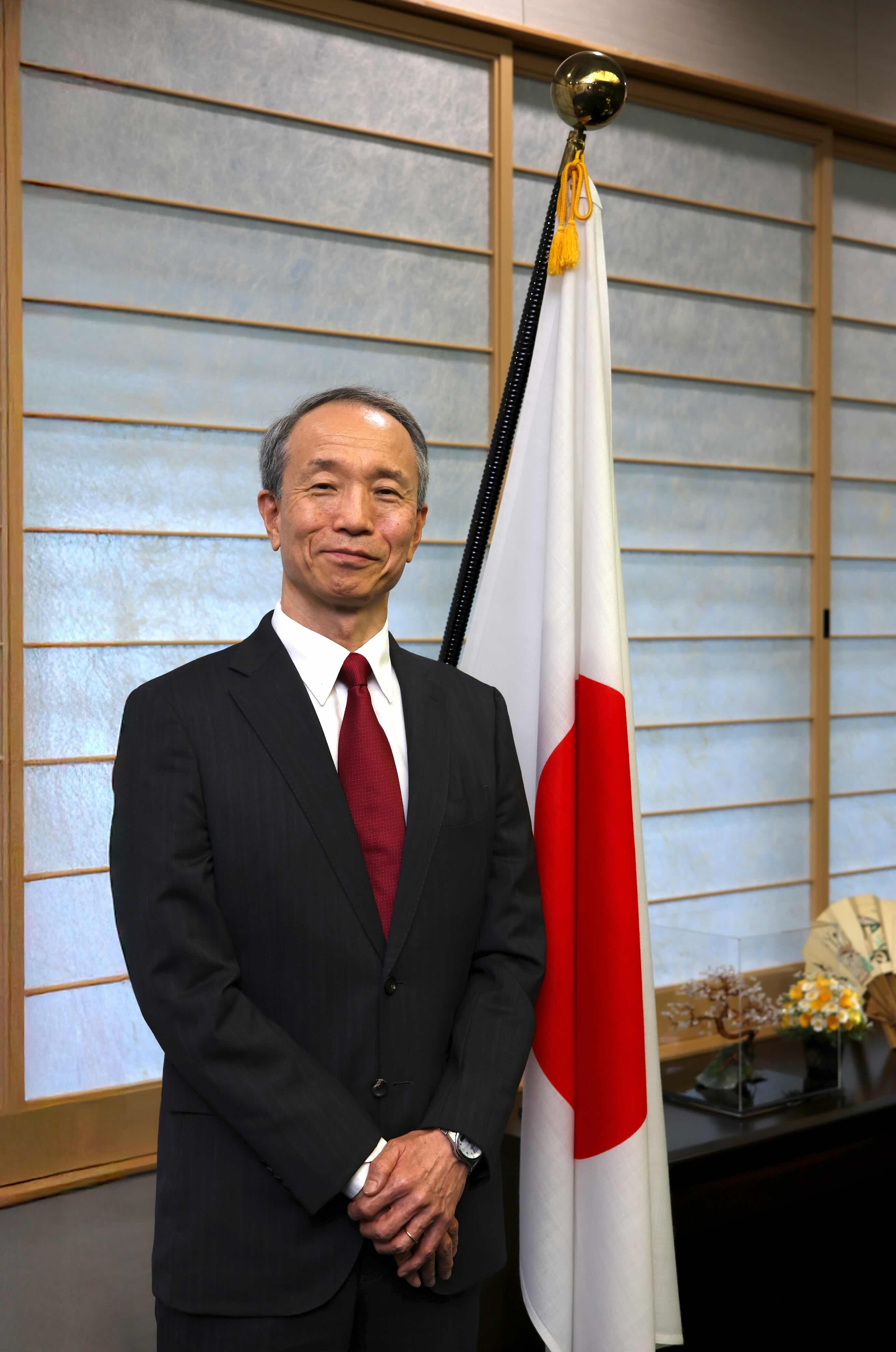
“I first began reading The Saigon Times during my earlier posting at the Consulate-General of Japan in Ho Chi Minh City, from 1994 to 1998. Those were exciting times, with Vietnam opening up under the Doi Moi reforms and many Japanese companies were establishing their presence in southern Vietnam. As an officer responsible for economic affairs at the Consulate-General in those days, I found the up-to-date information The Saigon Times provided on Vietnam’s economy truly invaluable — and I am sure the Japanese business community here shared that sentiment.
HCMC - Top leaders of Vietnam and China on April 15 announced the launch of the Vietnam-China Tourism Cooperation Year 2026-2027 while agreeing to further deepen economic ties with a focus on strategic connectivity and supply chain integration.
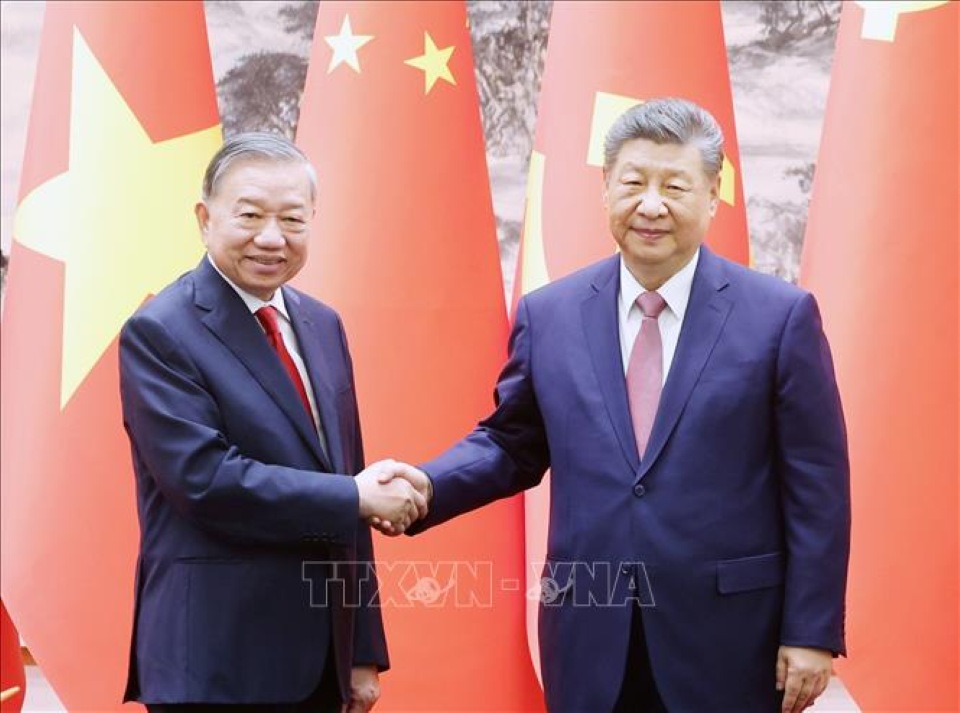
The announcement was made during state-level talks in Beijing, where To Lam, General Secretary of the Communist Party of Vietnam and President of Vietnam, and Xi Jinping, General Secretary of the Communist Party of China and President of China, outlined priorities for advancing bilateral cooperation in the coming years.
In the services sector, both sides agreed to strengthen their positions as major tourist markets for each other. Vietnam proposed studying reciprocal visa waiver arrangements for group travelers to selected destinations. Together with planned upgrades to tourism infrastructure and services, the move is expected to support green growth in both countries during the 2026–2027 period.
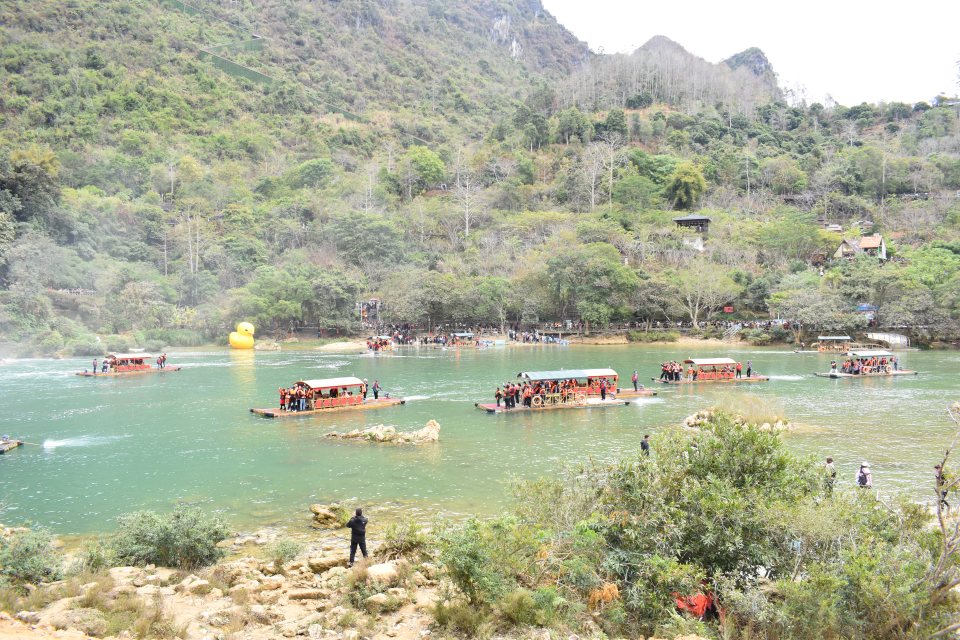
The Quay Son River flows past the Ban Gioc–Detian waterfalls on the Vietnam–China border, one of the region’s most prominent cross-border natural landmarks – PHOTO: NHAN TAM
On infrastructure, the two sides agreed to promote connectivity between the Belt and Road Initiative and the Two Corridors, One Belt framework. Priority will be given to developing standard-gauge rail lines linking the two countries, with the aim of moving beyond traditional trade toward deeper economic integration tied to logistics networks and market connectivity.
In terms of production and supply chains, the top leaders reaffirmed their commitment to expanding cooperation in key industries. China welcomed high-quality Vietnamese exports and encouraged its enterprises to invest in Vietnam and transfer technology. The longer-term goal is to build more integrated production chains while strengthening mechanisms to ensure strategic energy supply.
The two sides also agreed to coordinate closely in managing and resolving differences in line with international law, particularly the 1982 United Nations Convention on the Law of the Sea (UNCLOS 1982).
Following the talks, the two leaders witnessed the signing of multiple cooperation agreements covering economic development, science and technology, supply chains, social affairs and media, laying the groundwork for a new phase in the comprehensive strategic cooperative partnership between the two countries.
“I first began reading The Saigon Times during my earlier posting at the Consulate-General of Japan in Ho Chi Minh City, from 1994 to 1998. Those were exciting times, with Vietnam opening up under the Doi Moi reforms and many Japanese companies were establishing their presence in southern Vietnam. As an officer responsible for economic affairs at the Consulate-General in those days, I found the up-to-date information The Saigon Times provided on Vietnam’s economy truly invaluable — and I am sure the Japanese business community here shared that sentiment.