Vietnam identifies 10 strategic technology areas

Must read
Tay Ninh seeks to build UAV ecosystem through 2035

Tay Ninh seeks to build UAV ecosystem through 2035

Technology June 9, 2026

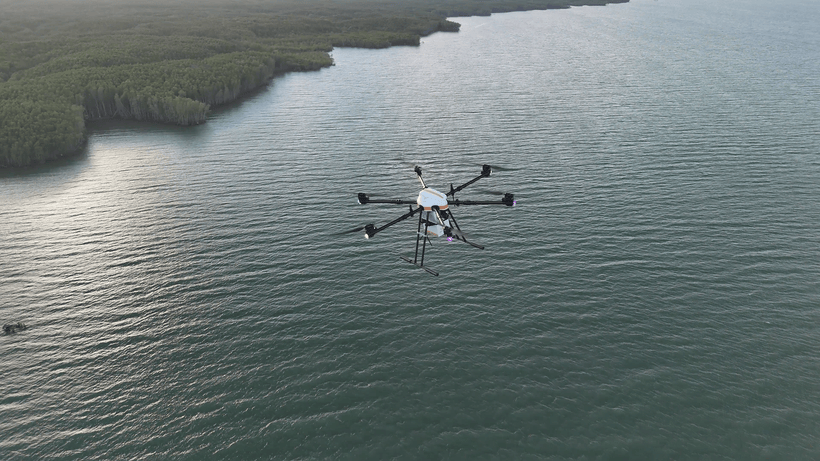
HCMC – The Mekong Delta province of Tay Ninh is developing a strategy to build a comprehensive unmanned aerial vehicle (UAV) ecosystem over the next decade, aiming to become a regional center for UAV research and applications in southeastern Vietnam.
Vietnam seeks deeper AI cooperation with Eurasian Economic Union

Vietnam seeks deeper AI cooperation with Eurasian Economic Union

Technology May 29, 2026

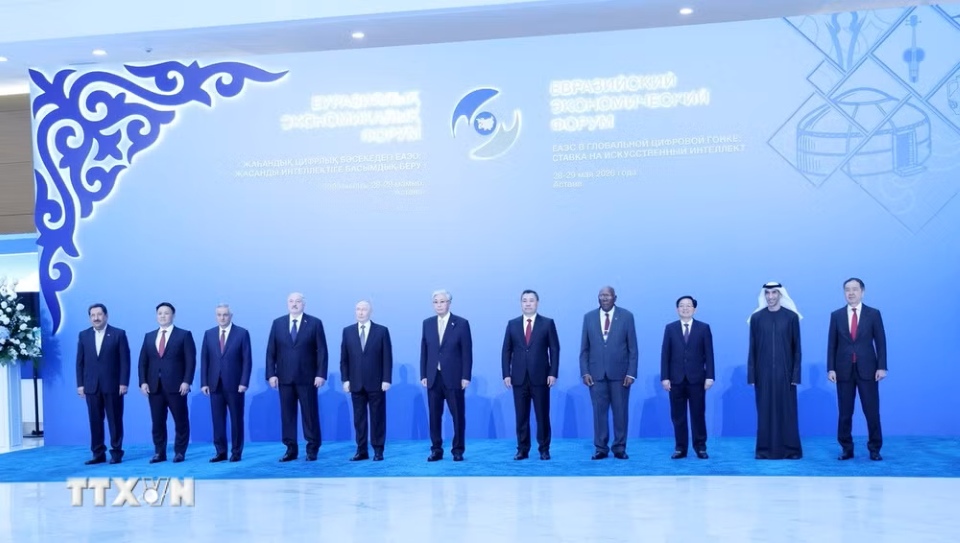
HCMC – Vietnam is ready to work with the Eurasian Economic Union (EAEU) to incorporate emerging technology sectors into their existing cooperation framework, with a focus on artificial intelligence (AI) research and development tied to smart agriculture, urban planning, and transportation.

HCMC – Vietnam has issued a list of 10 strategic technology areas under a new Government decision to guide resource allocation for core technologies and key products.
The framework was set out in Decision No. 21/2026/QD-TTg issued by the prime minister. It aims to support technologies and products with a significant impact on economic growth, competitiveness, and national security, reported the Vietnam News Agency. According to the decision, the list covers 10 priority areas across the digital economy and future industries. Digital technology is defined as the central area, covering artificial intelligence, big data, digital twins, cloud computing, edge computing, the Internet of Things, and blockchain. These technologies are identified as the foundation for the nation's digital transformation. Other areas cover next-generation mobile networks, robotics and automation, advanced biotechnology and biomedicine, energy and advanced materials, semiconductor chips, cybersecurity and quantum technologies, marine and underground technologies, aerospace, and high-speed and urban rail. The Government also issued a list of strategic technology products, divided into two categories. The first category consists of products with existing markets and direct economic impact. These cover Vietnamese large language models, virtual assistants, specialized AI, edge AI cameras, digital twin platforms, cloud platforms, 5G and 5G-Advanced systems, industrial robots, smart manufacturing platforms, and cybersecurity solutions for critical infrastructure and national databases. Biotechnology and biomedical products in this category cover next-generation human vaccines, cell therapies, 3D-printed personalized medical systems, smart biosensors, and new plant, livestock, and aquaculture breeds developed using gene editing and cellular technologies. Energy and materials products cover advanced batteries and energy storage systems, green hydrogen production and distribution systems, carbon capture, utilization and storage technologies, and high-performance materials for manufacturing. The second category focuses on technologies expected to create new growth drivers and support autonomy in security and defense. These include specialized semiconductor chips, quantum communication, quantum computing and sensing, advanced processing of minerals, oil, gas and rare earths, deep-sea and underground exploration, offshore energy technologies, small modular nuclear reactors, low-Earth orbit satellite systems, and integrated systems for high-speed and urban rail. The Ministry of Science and Technology is tasked with reviewing and proposing updates to the lists based on socio-economic development needs. The decision takes effect on July 1, 2026, replacing a previous decision issued in June 2025.

Latest articles

Tay Ninh seeks to build UAV ecosystem through 2035

Tay Ninh seeks to build UAV ecosystem through 2035

Technology June 9, 2026

HCMC – The Mekong Delta province of Tay Ninh is developing a strategy to build a comprehensive unmanned aerial vehicle (UAV) ecosystem over the next decade, aiming to become a regional center for UAV research and applications in southeastern Vietnam.

Vietnam seeks deeper AI cooperation with Eurasian Economic Union

Vietnam seeks deeper AI cooperation with Eurasian Economic Union

Technology May 29, 2026

HCMC – Vietnam is ready to work with the Eurasian Economic Union (EAEU) to incorporate emerging technology sectors into their existing cooperation framework, with a focus on artificial intelligence (AI) research and development tied to smart agriculture, urban planning, and transportation.