Vietnam launches program to support 25,000 sustainable businesses
Must read
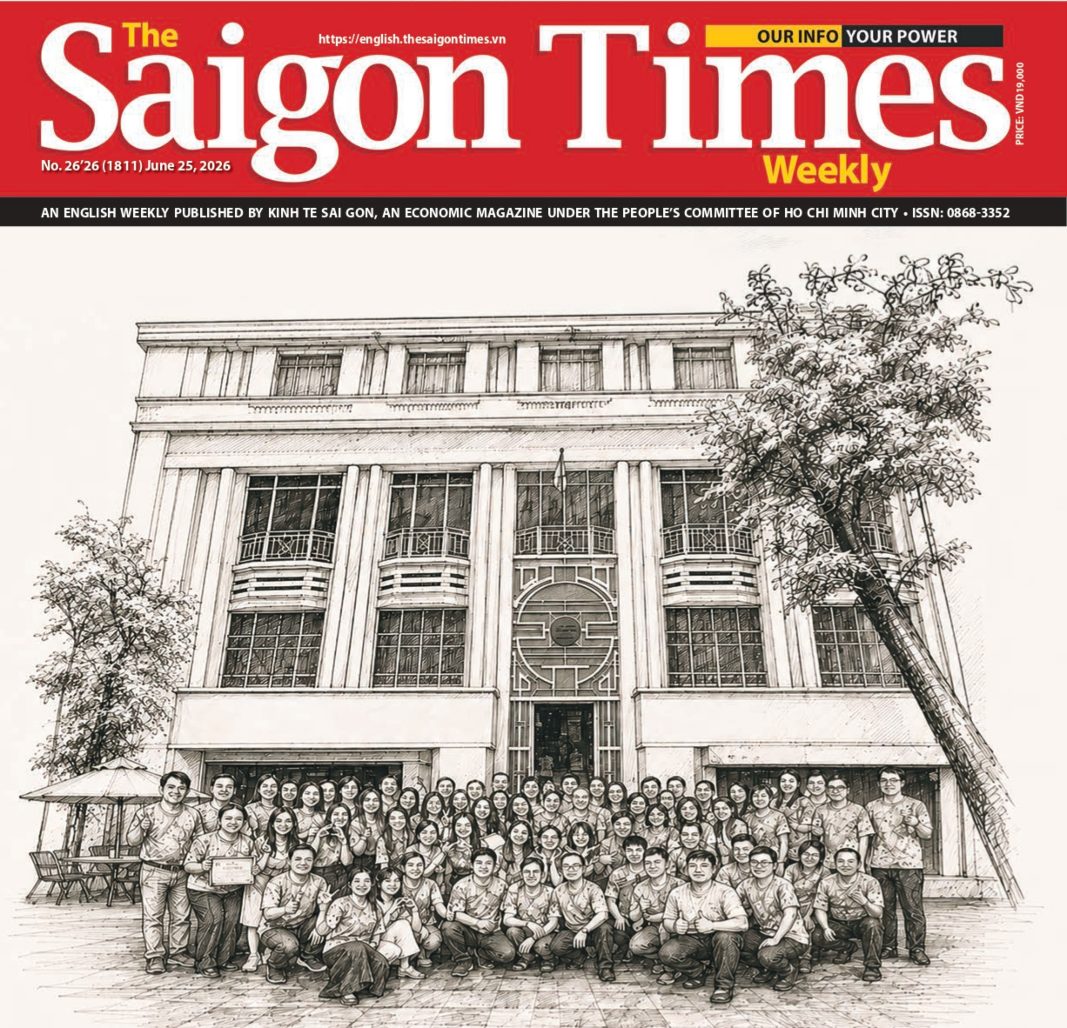
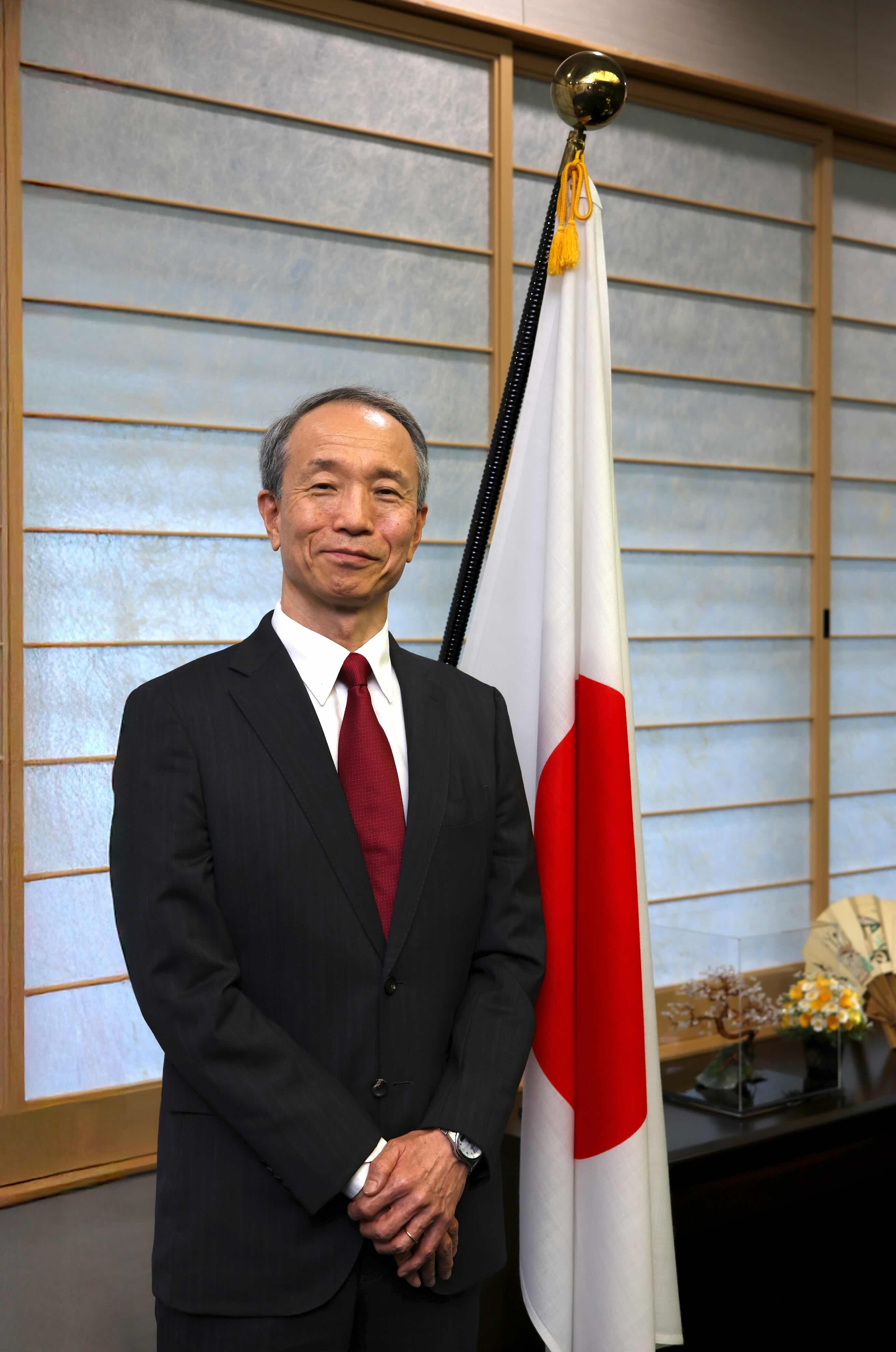
Japanese Consul General recalls The Saigon Times’ value since the 1990s

Japanese Consul General recalls The Saigon Times’ value since the 1990s

In the news June 25, 2026

“I first began reading The Saigon Times during my earlier posting at the Consulate-General of Japan in Ho Chi Minh City, from 1994 to 1998. Those were exciting times, with Vietnam opening up under the Doi Moi reforms and many Japanese companies were establishing their presence in southern Vietnam. As an officer responsible for economic affairs at the Consulate-General in those days, I found the up-to-date information The Saigon Times provided on Vietnam’s economy truly invaluable — and I am sure the Japanese business community here shared that sentiment.

HCMC – Vietnam has approved a national program for 2026-2030 aimed at promoting sustainable business practices and improving the quality of private-sector growth through support measures for enterprises, household businesses and cooperatives.
The program targets support for around 25,000 business entities over the five-year period while encouraging a balance between economic growth, social responsibility and environmental protection. The objective is outlined in Decision No. 926/QĐ-TTg dated May 25, signed by Deputy Prime Minister Nguyen Van Thang, approving the sustainable business support program for 2026-2030. In addition to assisting 25,000 economic entities, the program targets the development of at least 20 successful pilot models to encourage wider business adoption. It also seeks to raise awareness among business operators, managers and consultants, while mobilizing lawful resources, particularly from the private sector, to implement sustainability initiatives. The program is designed to support Vietnam’s implementation of the United Nations’ 17 Sustainable Development Goals (SDGs) by 2030 and the country’s commitment to achieving net-zero emissions by 2050. Authorities expect the support ecosystem to contribute to job creation, improve living standards for low-income and vulnerable groups, strengthen environmental protection and enhance climate resilience through three core business approaches: circular economy models, inclusive business models, and environmental, social and governance (ESG) standards. Under the implementation framework, eligible beneficiaries include private enterprises, household businesses, cooperatives, cooperative unions and cooperative groups pursuing sustainable business activities. To qualify for support, entities must meet at least one of several conditions, including receiving provincial, national or international awards or certifications, such as ISO standards, related to green transition, circular economy practices, ESG or social responsibility; operating as a social enterprise; implementing green or circular projects among others. The program focuses on three main areas. First, it seeks to develop a support ecosystem through information dissemination, expert networks, digital platforms, annual forums on green finance and incentives for credit institutions to develop products that promote sustainable business. Second, it will provide direct support to businesses through strategic consulting, management training, technology transfer, adoption of artificial intelligence and big data, digital transformation assistance and pilot regulatory sandbox mechanisms. Third, the program includes support for communications and trade promotion, as well as subsidies for registration and account maintenance on domestic and international e-commerce platforms to help businesses expand market access, alongside monitoring frameworks and periodic independent evaluations to ensure effective program management.

Latest articles

Japanese Consul General recalls The Saigon Times’ value since the 1990s

Japanese Consul General recalls The Saigon Times’ value since the 1990s

In the news June 25, 2026

“I first began reading The Saigon Times during my earlier posting at the Consulate-General of Japan in Ho Chi Minh City, from 1994 to 1998. Those were exciting times, with Vietnam opening up under the Doi Moi reforms and many Japanese companies were establishing their presence in southern Vietnam. As an officer responsible for economic affairs at the Consulate-General in those days, I found the up-to-date information The Saigon Times provided on Vietnam’s economy truly invaluable — and I am sure the Japanese business community here shared that sentiment.