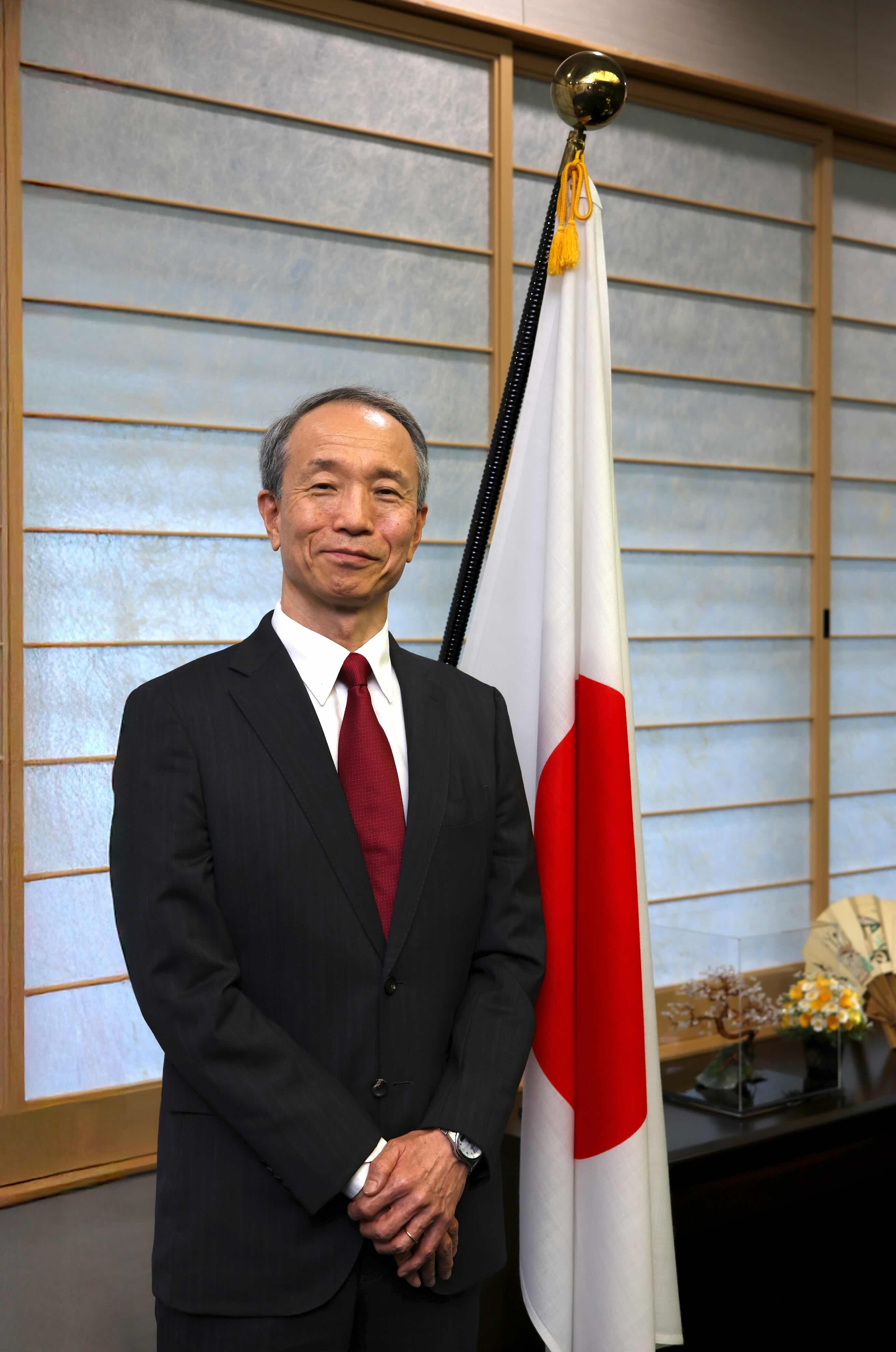
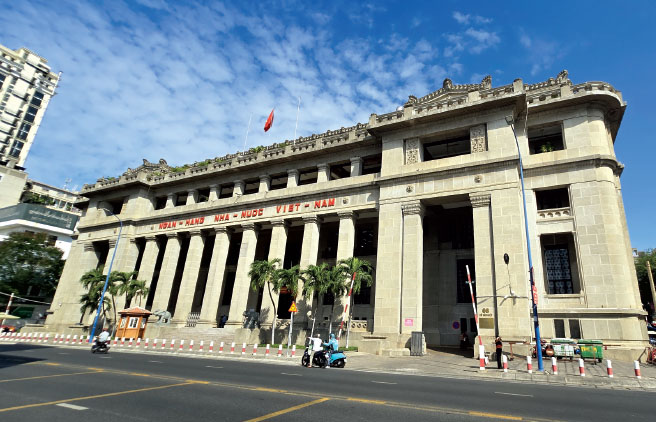
Vietnam raises short-term funding ratio for medium-, long-term lending to 40%
Must read
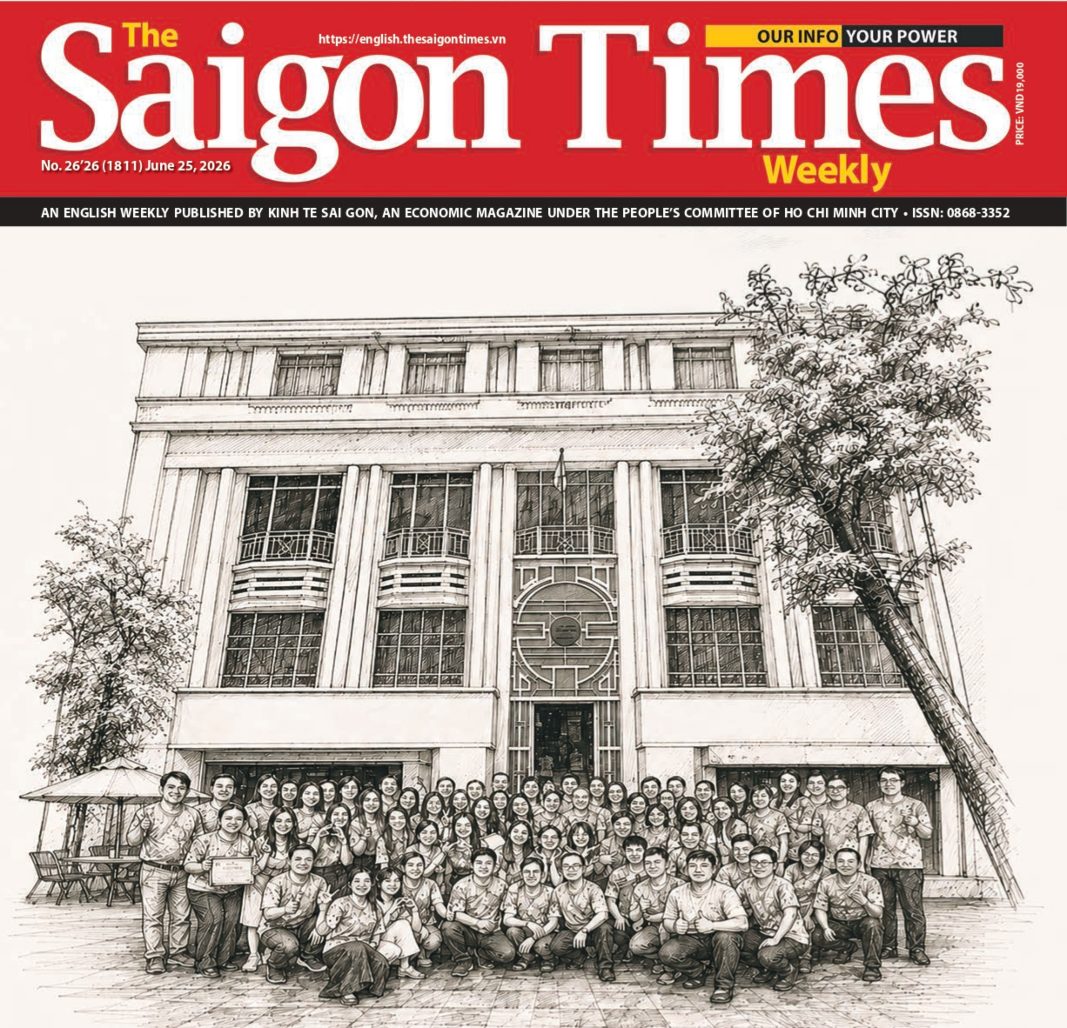
Japanese Consul General recalls The Saigon Times’ value since the 1990s

Japanese Consul General recalls The Saigon Times’ value since the 1990s

In the news June 25, 2026

“I first began reading The Saigon Times during my earlier posting at the Consulate-General of Japan in Ho Chi Minh City, from 1994 to 1998. Those were exciting times, with Vietnam opening up under the Doi Moi reforms and many Japanese companies were establishing their presence in southern Vietnam. As an officer responsible for economic affairs at the Consulate-General in those days, I found the up-to-date information The Saigon Times provided on Vietnam’s economy truly invaluable — and I am sure the Japanese business community here shared that sentiment.

HCMC – The State Bank of Vietnam (SBV) has raised the maximum ratio of short-term funds that banks can use for medium- and long-term lending to 40% from 30%, a move aimed at channeling more long-term capital into infrastructure and business investment.
The new limit, set out in Circular No. 25/2026/TT-NHNN, will take effect on July 1. The circular is intended to support the Government’s goal of achieving double-digit economic growth while maintaining macroeconomic stability during the 2026-2030 period. Besides raising the ratio, the central bank revised rules governing the loan-to-deposit ratio (LDR). It retained the provision allowing 20% of State Treasury term deposits to be included in total deposits for LDR calculations, while granting the SBV governor flexibility to adjust the percentage when needed. The policy marks a reversal from years of tightening aimed at reducing maturity mismatches and safeguarding banking system liquidity. The cap had gradually been lowered from 60% to 30% to limit liquidity risks associated with using short-term funds to finance longer-term projects. However, with the corporate bond market yet to fully recover, the stricter ceiling has constrained access to long-term financing for businesses, particularly infrastructure and industrial projects with lengthy payback periods. By raising the ratio to 40%, the SBV is providing banks with additional room to extend long-term credit. The move is expected to unlock substantial liquidity within the banking system for projects requiring long-term funding. The circular also gives the central bank greater flexibility in managing liquidity through adjustments to the treatment of State Treasury deposits in LDR calculations. The easing of funding rules is expected to reduce pressure on banks to compete aggressively for long-term deposits, helping stabilize lending rates. If directed toward manufacturing, renewable energy and transport infrastructure, the additional credit capacity could support the Government’s growth ambitions over the medium term.

Latest articles

Japanese Consul General recalls The Saigon Times’ value since the 1990s

Japanese Consul General recalls The Saigon Times’ value since the 1990s

In the news June 25, 2026

“I first began reading The Saigon Times during my earlier posting at the Consulate-General of Japan in Ho Chi Minh City, from 1994 to 1998. Those were exciting times, with Vietnam opening up under the Doi Moi reforms and many Japanese companies were establishing their presence in southern Vietnam. As an officer responsible for economic affairs at the Consulate-General in those days, I found the up-to-date information The Saigon Times provided on Vietnam’s economy truly invaluable — and I am sure the Japanese business community here shared that sentiment.