


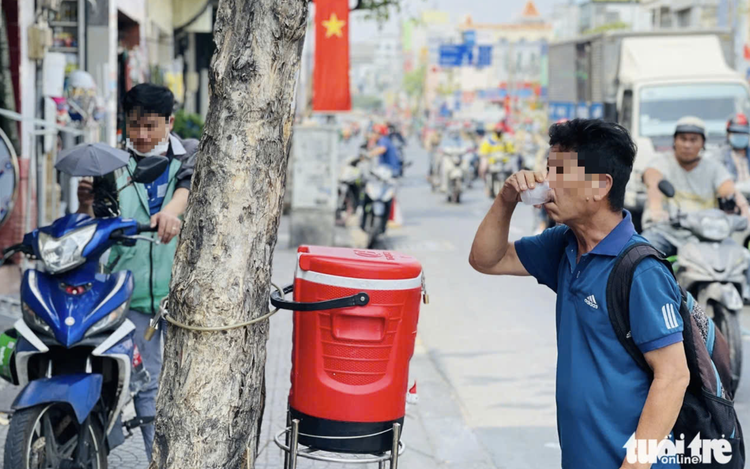
Ho Chi Minh City experiences scorching heat. Photo: Le Phan / Tuoi Tre
Dr. Phan Tran Truc Ly, deputy head of the outpatient department at An Binh Hospital in Ho Chi Minh City, told Tuoi Tre (Youth) newspaper that in large cities, the density of concrete, asphalt, and vehicles traps and retains more heat.
Limited greenery further reduces natural cooling, meaning the perceived outdoor temperature is often higher than forecast, especially around midday and early afternoon.
As such, many residents are feeling more oppressive and suffocating heat.
Extended exposure to high temperatures not only causes discomfort, but also can affect the body comprehensively.
When environmental heat rises, the body increases sweat production to regulate temperature, while the heart works harder to maintain stable blood pressure.
Without adequate hydration and electrolytes, people risk dehydration, exhaustion, heatstroke, and even heat shock.
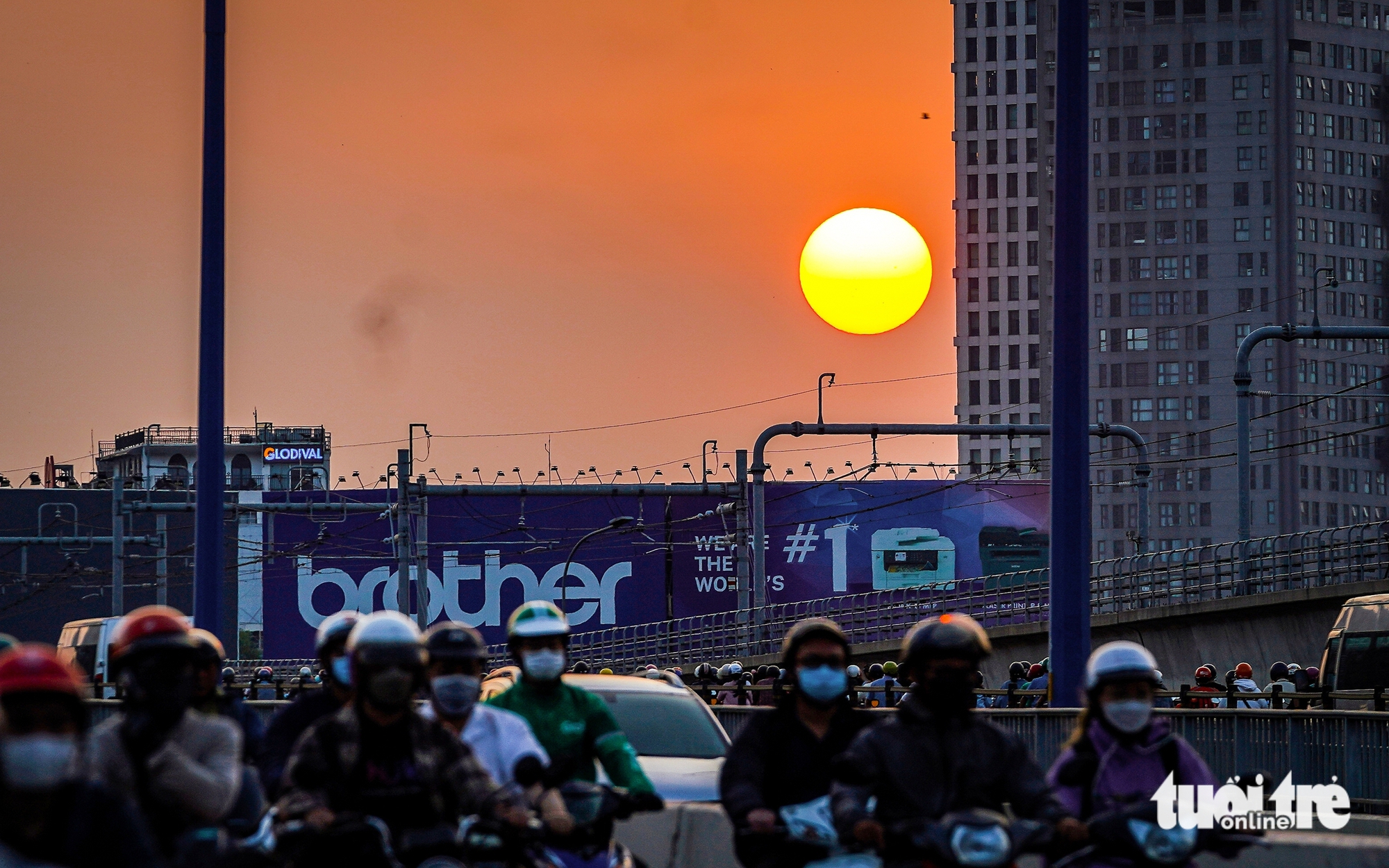
Severe heat can also compromise immunity, creating favorable conditions for bacteria and viruses, leading to foodborne illnesses, diarrhea, or respiratory problems caused by overuse of air conditioning.
The nervous system is also affected, resulting in lethargy, reduced concentration, and slower reflexes.
In southern Vietnam, heat is often accompanied by low humidity and extremely high UV indexes, which can damage skin cells and the cornea if unprotected.
Dr. Vo Truong Quang Huy, acting manager of the dermatology department at An Binh Hospital, emphasized that UV levels peak between March and May in the southern region.
Skin can experience ‘heat shock,’ leading to dehydration and rapid collagen breakdown, he said.
Applying sunscreen every three hours and maintaining deep skin hydration are essential for skin health.
Groups most at risk
Dr. Ly highlighted that peak heat hours typically occur between 11:00 am and 4:00 pm, when UV intensity and thermal radiation are highest.
Three groups are particularly vulnerable, including children and the elderly, people with underlying conditions, and outdoor workers.
The doctor noted that children’s thermoregulation systems are underdeveloped, while older adults have reduced adaptability to heat, so they may not feel thirst promptly, leading to severe dehydration.
Individuals with cardiovascular disease, hypertension, or diabetes are at higher risk.
Sudden temperature changes can cause abnormal vessel constriction, increasing the likelihood of stroke or heart attack.
Outdoor workers such as construction laborers, delivery personnel, street vendors, security staff, and sanitation workers face prolonged exposure to direct sunlight with limited opportunities for rest.
They are prone to dehydration and electrolyte imbalances due to excessive sweating.
The doctor stressed that heat can also increase workplace and traffic accidents by impairing alertness and reflexes.
Golden rules for staying safe
To reduce health risks during extreme heat, Dr. Ly recommends proactive measures, including hydrating proactively by drinking roughly 200 milliliters of water every 20 minutes, and replenishing electrolytes by consuming coconut water, salted lemonade, or oral rehydration solutions and eating water-rich fruits and vegetables.
Residents are advised to wear light-colored, loose clothing made from cotton or natural fibers, use wide-brimmed hats, sunglasses, masks, gloves, and socks for added protection, and complete strenuous tasks before 9:00 am or after 4:00 pm.
Resting in shaded areas for at least 10 minutes each hour may help protect health during extreme heat.
Residents should avoid immediate cold showers or high-power fans or air conditioning after being in the sun, said the doctor.
Warning signs of heat-related illness
Early signs of heat-related illness include fatigue, headache, dizziness, blurred vision, profuse sweating, muscle cramps, nausea, or rapid heartbeat.
Severe heatstroke can present with a body temperature over 40 degrees Celsius, hot and dry skin, lethargy, confusion, seizures, shallow or rapid breathing, or unconsciousness.
Immediate response includes moving the patient to a cool, ventilated area, loosening clothing, and applying cool compresses to the neck, armpits, and groin.
If the patient remains conscious, they should be given small sips of water or oral rehydration solutions.
If the patient is unconscious or convulsing, do not attempt to give them water, but call emergency services immediately or take them to the nearest medical facility for prompt treatment.








Max: 1500 characters
There are no comments yet. Be the first to comment.