


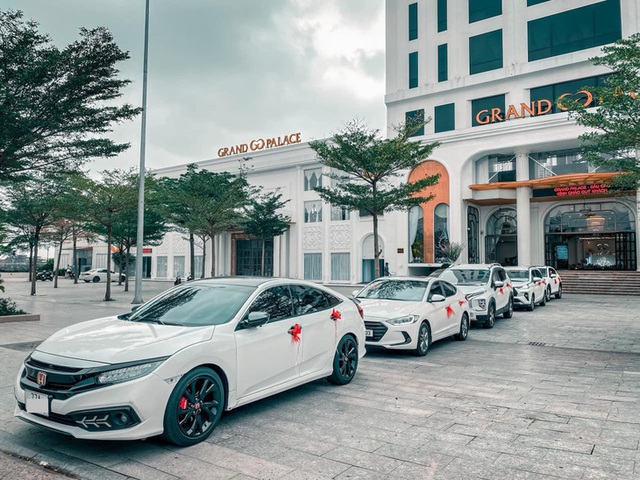
Vietnam’s self-drive car rental market is showing signs of renewed growth. Photo: Self-drive Car Rental Community
Preparing for a family trip to northern Vietnam during the National Day holiday, Que, a resident of Ho Chi Minh City, plans to fly to Hanoi and drive to Sa Pa.
Traveling with three family members, he chose a five-seat Mitsubishi Xforce.
Technology reshapes self-drive car rentals
Unlike traditional rental services, Que did not have to wait until arriving in Hanoi to find a rental shop, call for prices or complete paperwork in person.
From Ho Chi Minh City, he opened the BonbonCar self-drive rental app, selected a car, rental period and pickup location, and provided his driver's license and citizen ID details.
He paid a VND5 million (US$190) deposit and rented the car for three days at around VND900,000 ($34) per day.
He paid an additional VND250,000 ($9.5) to have the car delivered to Noi Bai International Airport.
"Once I land, I can pick up the car and leave immediately without spending time looking for a rental shop," Que said.
Based on his previous rental experience, the app shows the location of the vehicle after the plane lands and the car had been parked at the airport.
He walks about five to 10 minutes following the location shown on the app, checks the license plate and unlocks the car using his phone.
The app then requires the renter to conduct a vehicle inspection before taking the car.
Que use his phone to photograph the entire exterior, including any scratches, as well as the interior, fuel level and other relevant details.
The images serve as an electronic handover record that can be used by both sides when the car is returned.
After completing the process, the renter takes a key card left inside the vehicle and starts the journey.
The entire process can take place without the renter meeting the owner.
Que said he particularly values the vehicle tracking feature.
During a previous business trip, he accidentally drove a long distance on a highway toward an area near the border because he was unfamiliar with the route.
The rental app detected the unusual journey through its tracking system and called him to check.
"When I told them I had taken the wrong route, they understood immediately. That actually made me feel more reassured because the car was being tracked quite well," he said.
At the end of the rental period, the process is reversed.
The renter drives the car to the return location specified on the app, photographs the exterior, interior and fuel level, and locks the vehicle.
The owner then inspects the car. If there are no new damages, scratches or other issues requiring payment, the deposit is refunded according to the platform's policy, usually within seven to 14 days.
For those who frequently travel for work like Que, the system offers greater flexibility.
He also booked early for this year's holiday to avoid a shortage of popular vehicles or higher prices closer to the travel dates.
A survey by Tuoi Tre (Youth) onlinew newspaper found that several self-drive rental apps are currently available, including Mioto, Sigo and Ogis, giving users a range of vehicles to choose from.

SUVs are among the vehicle types preferred by self-drive renters. — Photo: Self-drive Car Rental Community
7-seaters in high demand, rental prices rise
The survey also found that the self-drive car rental market is becoming increasingly active ahead of the National Day holiday.
Alongside traditional rental shops, many platforms connecting car owners with renters have moved almost the entire process onto apps, from vehicle selection and renter verification to deposits, vehicle handover and condition checks.
Vehicle tracking and journey monitoring have also become an additional layer of protection for both sides.
Owners can track where their vehicles are, while renters can document the vehicle's condition when they receive it, reducing the risk of disputes when the car is returned.
However, rental prices are also rising during the holiday, particularly for SUVs, MPVs and seven-seat vehicles.
Market checks show that a Toyota Fortuner, which normally rents for around VND950,000-1.1 million ($36-42) per day, can cost VND1.4-1.6 million ($53-61) per day during the holiday.
A Mitsubishi Xpander normally costs around VND650,000-750,000 ($25-29) per day but can rise to VND900,000-1.2 million ($34-46).
Electric vehicles have also followed the trend.
A VinFast VF 5 is typically offered for around VND500,000-650,000 ($19-25) per day on normal days, but rental prices at some providers rise to VND850,000 ($32) or more than VND1 million ($38) during peak periods.
Seven-seat electric vehicles are also attracting strong interest from families, with some models already fully booked well in advance.
What to check before renting
Rental conditions also tend to become stricter during the holiday.
Instead of accepting one-day rentals, many providers require customers to rent vehicles for at least five to seven days during the holiday period to make vehicle delivery and collection easier to arrange.
People planning to travel by self-drive car should therefore book early, but should not focus solely on price.
Before taking the vehicle, renters should carefully check the exterior, tires, lights, fuel level, documents and insurance, and take comprehensive photos or videos.
They should also clarify the terms covering mileage limits, delivery and pickup fees, deposits, deposit refund periods, traffic fines and responsibilities in the event of a collision before starting the trip.








Max: 1500 characters
There are no comments yet. Be the first to comment.