


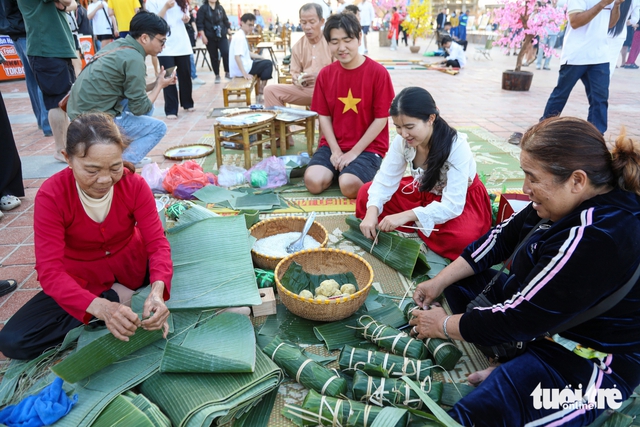
Foreign tourists take part in Lunar New Year activities in Da Nang, central Vietnam, February 6, 2026. Photo: Thanh Nguyen
Tet is the celebration of the Lunar New Year in Vietnam and sits at the center of the most important week of the year for Vietnamese families all over the globe.
As an expat, my introduction to Tet in 2013 sparked a lifetime of constant learning. This journey has taken me on a rollercoaster of experiences and lessons in culture, history and respect.
The only way to explain Tet is that it is like Christmas, New Year, Easter, and Thanksgiving all rolled into one week, occurring annually in January or February according to the lunar cycle.
As the time approaches for 2026, we say goodbye to the Year of the Dragon and welcome the Year of the Horse.
The Year of the Horse brings with it a very special story that suggests the theme of the coming year. The essential characteristics to expect are:
Freedom and Independence. Horses are seen as creatures that refuse to be confined. This symbolizes autonomy and breaking boundaries in life.
Energy, Speed, and Progress. Forward movement and progression suggest that the Year of the Horse will include improvements in travel and communication. It is not a year for going backwards.
Strength and Endurance. The horse runs long distances, and this energy is shared with all during the year. It suggests resilience and determination will grow. Horses are admired for their physical power and stamina, and this will be the theme of the coming year.
Charisma and Sociability. It’s a year to live fully and experience new people and new activities.
Good Fortune in Travel and Career. The Horse will take you far—so book that ticket you’ve always dreamed of and take the road less travelled.
Expats living in Vietnam, like me, may experience a range of emotions during the Tet break. It is officially a one-week holiday, and cities almost come to a complete standstill during this time. For some, this can bring frustration.
So what can you do as an expat to get the most out of the holiday period?
A favorite option for new expats in major cities like Ho Chi Minh City and Hanoi is to immerse themselves in the city. This is a rare opportunity to experience these places when the bustling streets fall silent—something not available at any other time of the year.
For photographers, it is a magical moment. Lower pollution, cooler weather, and the absence of traffic allow for photos and videos that often become lifelong memories.
In city centers, squares and walking streets transform in an explosion of tradition. Flower displays and traditional Tết activities bring people out in their best clothes. Seeing the raw beauty of people wearing ao dai (Vietnamese traditional long dress) as they pose for photos among flowers is an unforgettable experience.
Those who don’t want to experience the peace and quiet of Tet often choose to travel to neighboring countries, where it is largely business as usual.
One surprising aspect of this period is that international air travel is often cheaper than domestic flights due to shifts in demand. Families come together, and millions travel within Vietnam, while international travel drops as Vietnamese people rarely holiday abroad during this time.
From personal experience, however, my first two or three years living in Ho Chi Minh City were among the most valuable learning experiences of my life. It felt as though the veil of that dynamic, busy, developing city was briefly lifted, revealing something beyond my wildest expectations.
The secret to experiencing Tet in Vietnam is to slow down. The city that never sleeps takes a nap, and seeing it at rest teaches you so much about what Vietnam is truly about—family, connection, and never forgetting where you came from. That is the Vietnam I discovered during Tet.
I have now progressed to a new level of learning. After seven years of loving the quiet Tet holiday in Ho Chi Minh City, I now have a family and experience a completely different Tet—one full of family gatherings, children, and visiting relatives. The true Vietnamese experience.
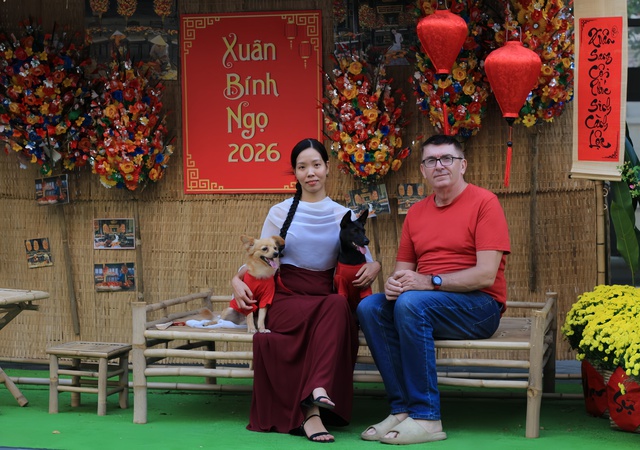
Ray Kuschert and his Vietnamese wife pose for a Tet photo to celebrate the coming year of the Horse 2026. Photo: Supplied
It is also a time to understand the real meaning of li xi (lucky money). At first, I saw it as a kind of cash grab aimed at the “rich foreigner.” Over time, I’ve come to understand that li xi carries much deeper cultural meaning. It is not about giving money—it is about balancing the community. Those who have been fortunate in the past year have the opportunity to support those who may have struggled. It’s about giving what you can afford so others can begin the new year with hope and opportunity.
My advice for li xi is simple: set a budget, learn what amounts are appropriate for different groups in your life, and always give with love—not obligation. And don’t forget the people who support you quietly all year round. Security guards, cleaners, and other low-income workers deeply appreciate small gestures of goodwill.
This shift has reset my circle of learning. The quiet streets of Ho Chi Minh City have been replaced by generous amounts of banh chung, a few beers, and a bird’s-eye view of what family truly means in Vietnam.
As schools and businesses wind down and the mass migration of millions begins across the country, let’s welcome the Year of the Horse with hope and excitement. May the holiday be a time when the first memories of the new year are made, setting the foundation for a successful and meaningful year ahead.
Chúc Mừng Năm Mới to you and your family, wherever in the world they may be.








Max: 1500 characters
There are no comments yet. Be the first to comment.