


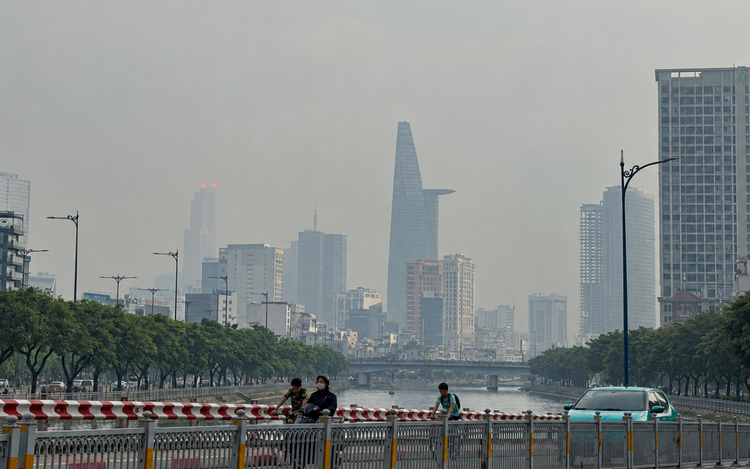
Haze blankets Ho Chi Minh City at 8:30 am, September 19, 2026. Photo: Xuan Mai / Tuoi Tre
Le Dinh Quyet, head of the forecasting division at the Southern Regional Hydro-Meteorological Center, said the phenomenon was unusual.
The haze has persisted even when the sun is shining.
According to Children’s Hospital 2, the air in the city and surrounding localities in the southern region has appeared unusually hazy over the past few days.
Erratic weather, alternating between rain and sunshine, creates favorable conditions for bacteria and viruses to proliferate.
As children’s immune systems are not yet fully developed and their respiratory tract linings are more sensitive, they are more susceptible to disease-causing pathogens.
In addition, stagnant rainwater in jars, containers and discarded objects can provide breeding grounds for mosquitoes, increasing the risk of dengue fever.
Dr. Nguyen Dieu Vinh, deputy head of the Department of General Internal Medicine at Children’s Hospital 2, said current weather conditions could increase the incidence of several groups of illnesses, including respiratory diseases, mosquito- and contact-borne infections, gastrointestinal diseases and skin conditions.
The temperature difference between day and night, as well as exposure to rain, can cause children to become chilled, leading to colds, influenza and inflammation of the nose and throat.
Humid weather also creates favorable conditions for respiratory syncytial virus (RSV) to spread.
Children infected with RSV may develop coughing, fever, wheezing and breathing difficulties, and the illness can rapidly progress to bronchiolitis, pneumonia and respiratory failure.
Dengue fever can become severe, causing shock and internal bleeding if it is not detected and treated promptly.
Hand, foot and mouth disease is transmitted through the gastrointestinal tract and through contact.
In cases involving highly virulent virus strains, it can cause complications such as encephalitis, meningitis or myocarditis.
Outbreaks often intensify in September and October, when children return to school, said the doctor.
High temperatures and humidity can cause food to spoil and become mouldy more quickly.
Floodwater can also contaminate water sources, increasing children’s risk of intestinal infections, including those caused by rotavirus and Salmonella, which can lead to vomiting, dehydration and diarrhoea.
Children may also develop heat rash, itching, diaper rash, skin infections or fungal infections when sweat cannot evaporate effectively.
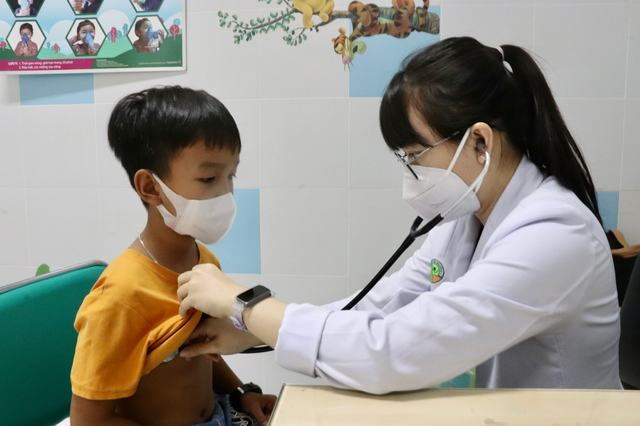
A doctor checks a boy's health at a hospital in Ho Chi Minh City. Photo: Xuan Mai / Tuoi Tre
How can parents protect children from illness?
To help prevent illness, doctors recommend maintaining good personal hygiene and having children wash their hands regularly with soap, particularly before eating and after using the toilet.
Parents should minimize sudden changes in temperature and should not let children sit directly in front of an air-conditioner immediately after returning from the heat or rain.
If a child gets wet in the rain, they should be dried and changed into dry clothes promptly.
Parents should also eliminate mosquito larvae and remove containers or other objects around the home that can collect stagnant water.
Children should wear long-sleeved clothing and sleep under mosquito nets, including during the daytime.
Also, children should drink safe water, and eat well-cooked food and fruit rich in vitamin C.
Dr. Vinh advises parents to take their children to a doctor immediately if they show any of the following warning signs: lethargy or loss of consciousness, including unusual drowsiness, difficulty waking or complete unresponsiveness; seizures, with or without a high fever; persistent vomiting of everything they consume; or an inability to breastfeed or drink.


Max: 1500 characters
There are no comments yet. Be the first to comment.