


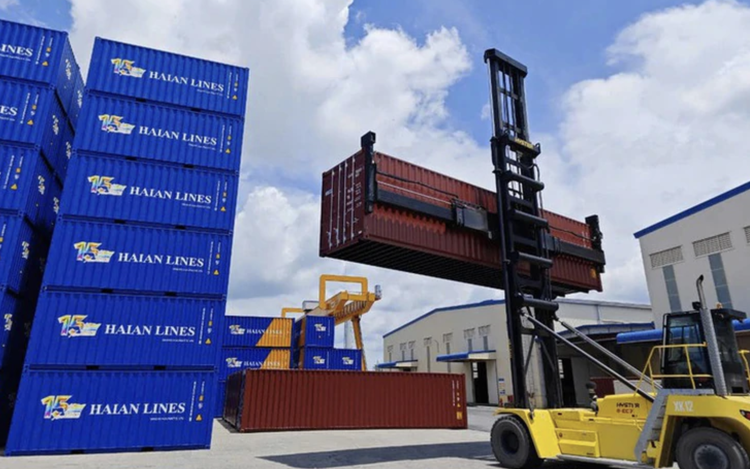
Vietnam moves to cut import-export costs and processing times. Photo: Cong Trung / Tuoi Tre
The government issued Decree No. 336/2026 on administrative procedures for exported, imported and transit goods, as well as vehicles entering, leaving or transiting Vietnam under the NSW and ASW mechanisms on August 22.
The decree will take effect on October 15, marking a significant step in the digital transformation of state management in the trade sector.
As global supply chains increasingly demand speed and flexibility, the synchronization of administrative-procedure infrastructure is expected to strengthen Vietnam's capacity to attract foreign investment and facilitate import-export activities.
The decree establishes a comprehensive legal framework governing the operation and management of the National Single Window Portal, which is administered by the General Department of Vietnam Customs under the Ministry of Finance.
The portal is set to operate round the clock.
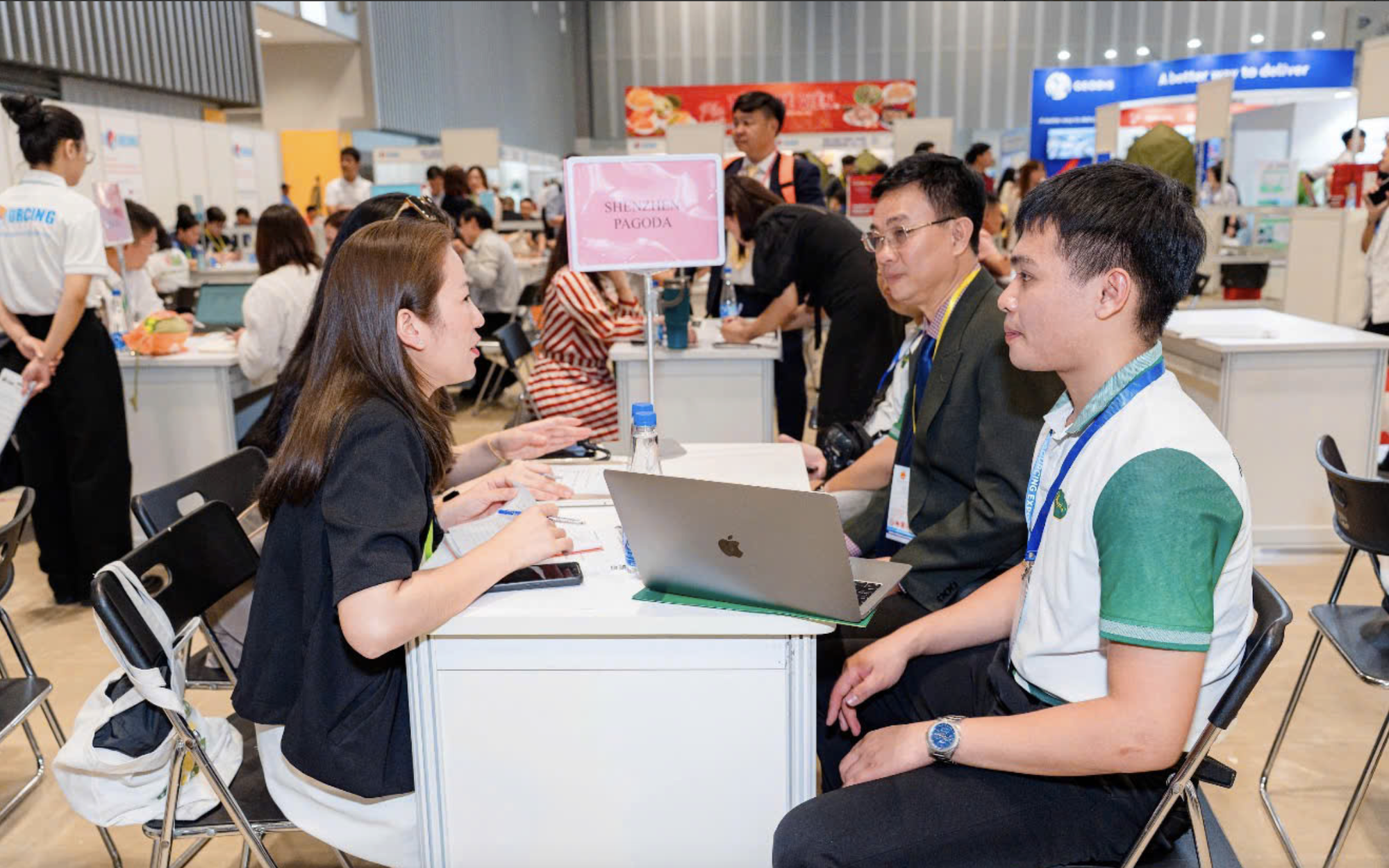
The integration of centralized data infrastructure among ministries and sectors with the national data-sharing platform is designed to eliminate information fragmentation, enabling exporters and importers to use their resources more efficiently.
Thanks to the decree, businesses can reduce operating costs significantly.
Through the electronic identification code known as the ‘Goods Identification Number,’ issued by the electronic customs data processing system, the monitoring and management of imported goods can be standardized on a digital platform.
Recognizing the legal validity of electronic documents and implementing automated data-exchange procedures will reduce reliance on paper records and eliminate unnecessary intermediary steps.
Notably, the decree imposes stricter time limits on the processing of procedures at border gates.
Competent authorities at airports, seaports, land border gates and international intermodal railway crossings must complete procedural confirmation within no more than one hour after receiving a complete and valid dossier.
Faster clearance will get goods through customs more quickly, reducing storage costs and helping lower logistics costs.
Apart from simplifying procedures, the decree promotes risk-based management and assessment of businesses' compliance with specialized legal requirements.
Ministries and relevant units are required to publish lists of import and export goods subject to specialized management, together with specific HS codes.
This is intended to prevent overlapping requirements and prolonged inspections that could disrupt trade activities.
The decree also places tighter limits on pre-clearance specialized inspections, restricting them to goods posing high risks to safety, disease control, the environment or national security.
The approach is aimed at creating a more transparent and predictable business environment.
The ASW is a regional environment that connects the NSWs of all ASEAN member states, thereby facilitating the secure electronic exchange of trade-related documents.
This integration significantly expedites cross-border clearance processes and strengthens ASEAN's economic integration.








Max: 1500 characters
There are no comments yet. Be the first to comment.