


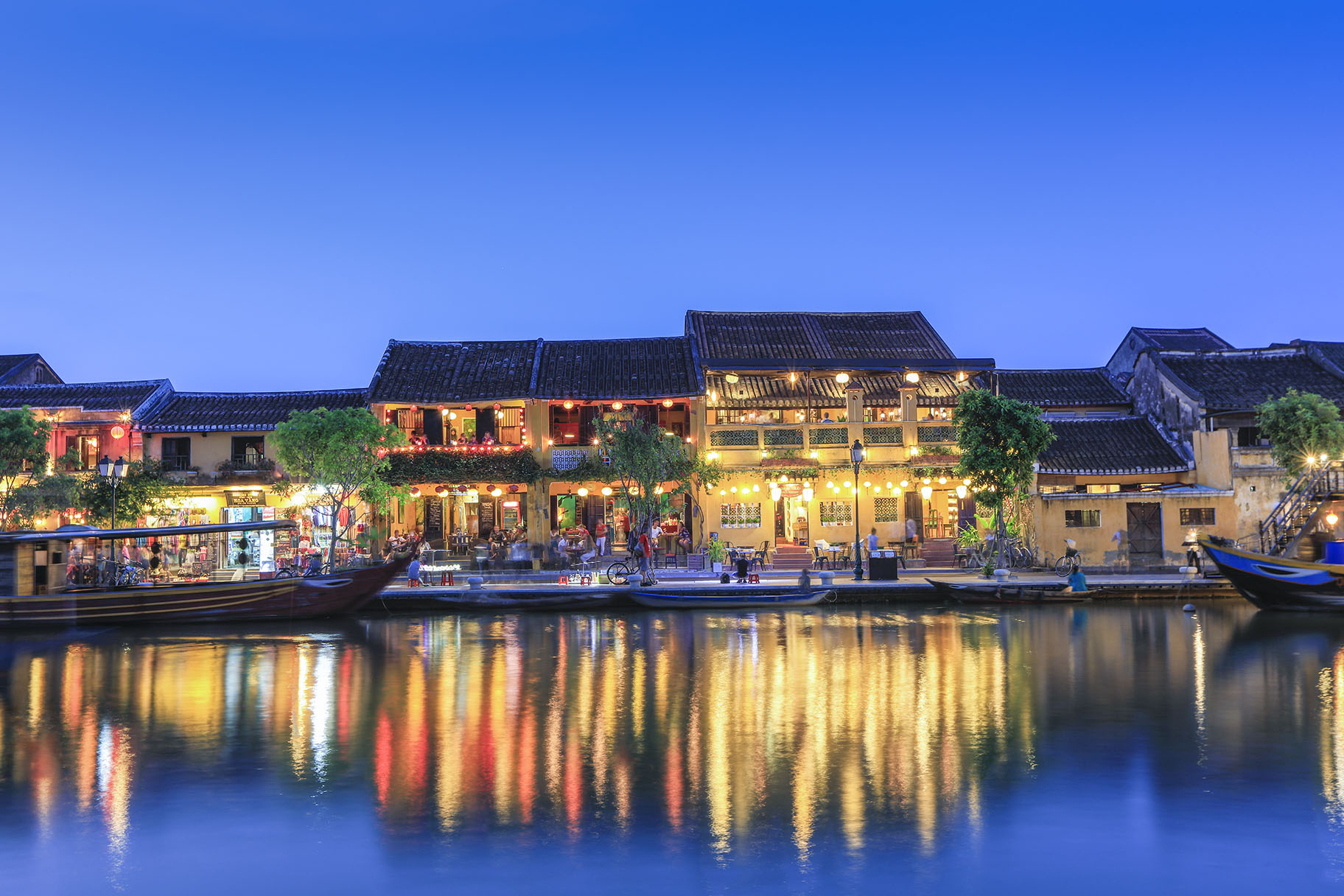
Hoi An, Vietnam, captured by Alex Robinson. Photo courtesy of Alex Robinson
Tuoi Tre News spoke with Alex Robinson, a British travel photojournalist, to explore what is shaping Vietnam’s image among global audiences.
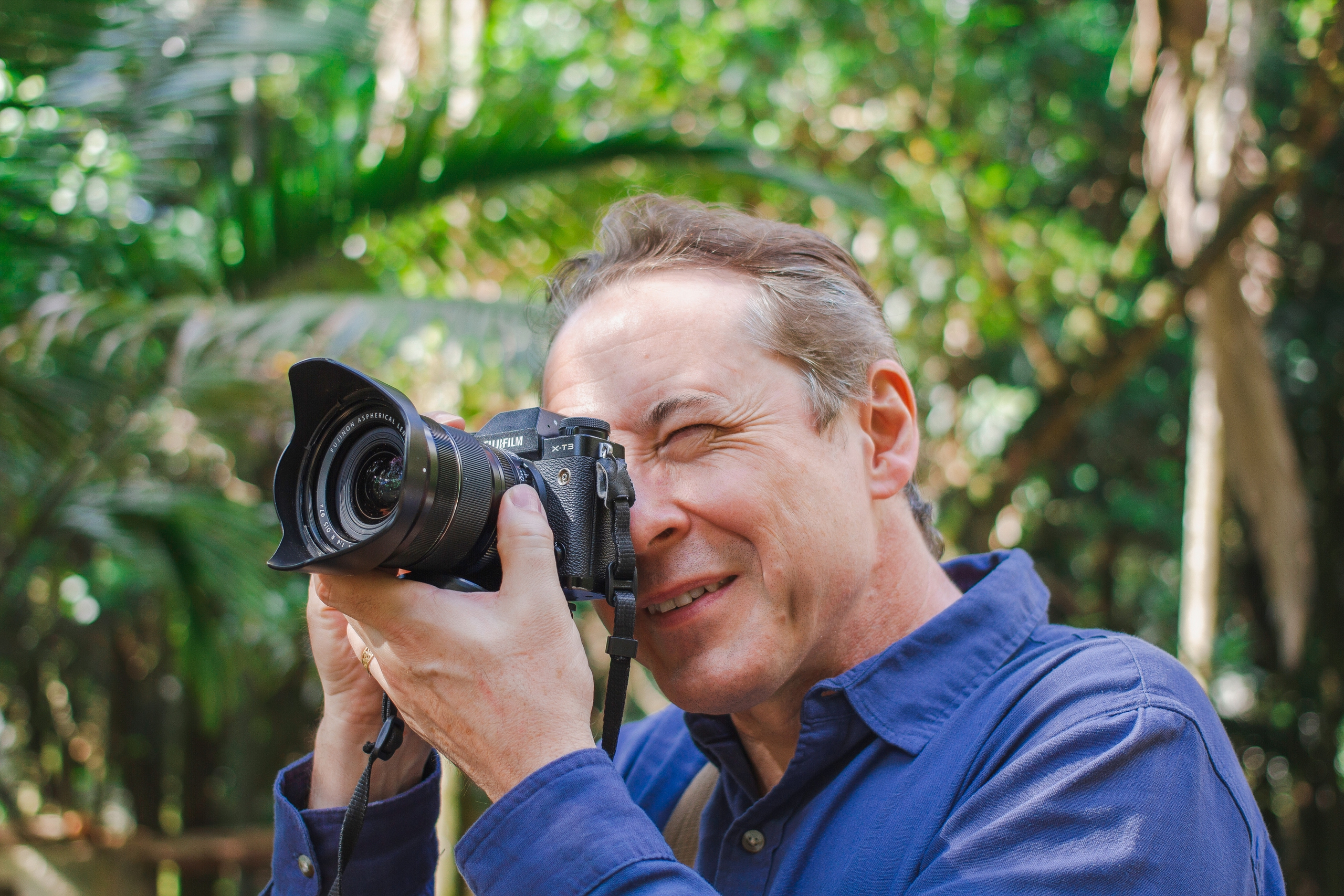
Alex Robinson in a photo he provided Tuoi Tre News
Robinson spent years working in television documentary production before moving into guidebooks and magazine writing.
Since February 2025, he has written nearly 20 articles on Vietnam for the UK-based magazine Wanderlust.
Robinson is a multi-award-winning travel photojournalist whose work has appeared in top U.S., UK, and Brazilian travel publications, including The New York Times, Departures, Wanderlust, News International, The Sunday Times, The Guardian, BBC, National Geographic, and The Independent.
He also documents his work through Instagram @alexrobinsonphotography.
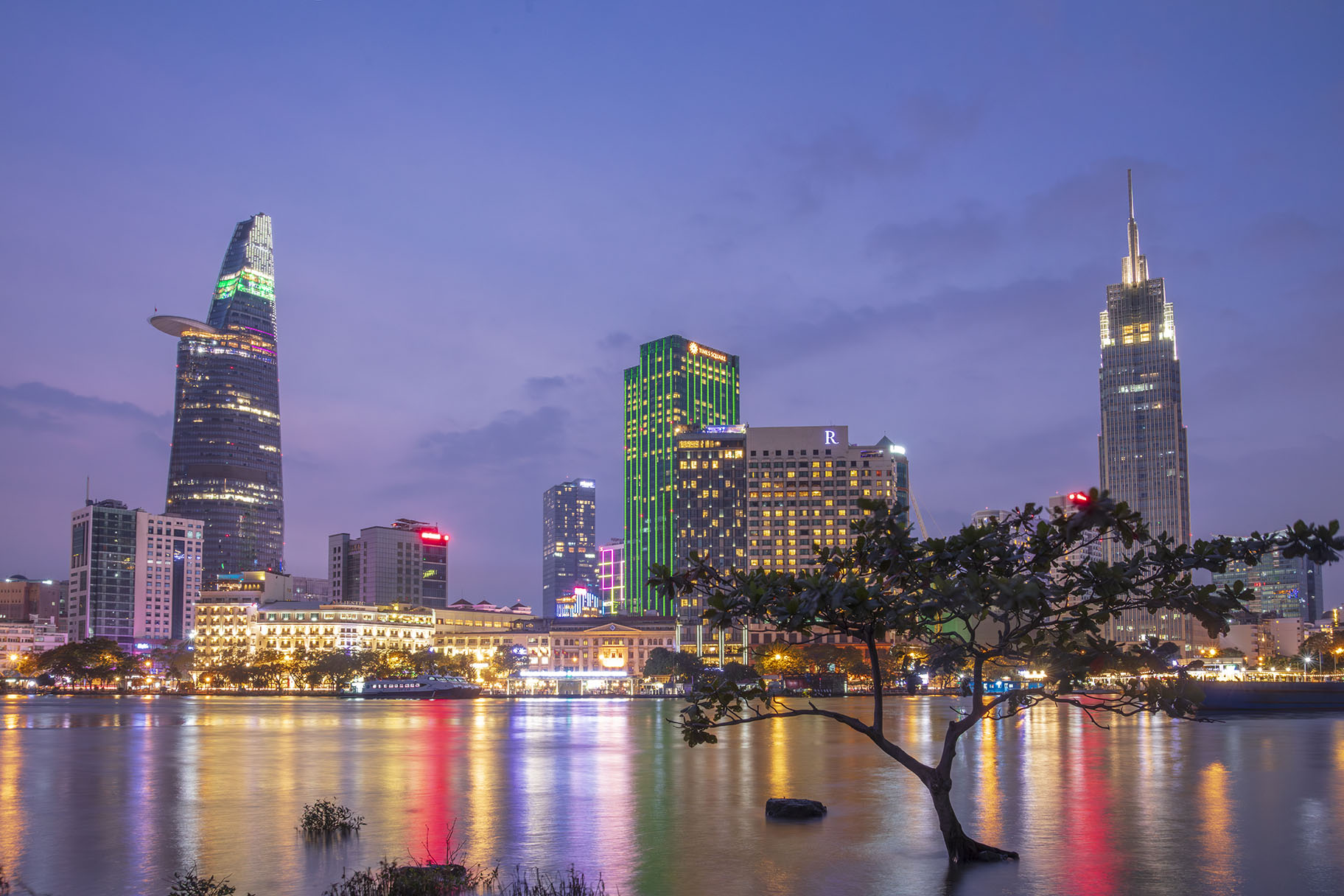
Ho Chi Minh City, Vietnam, captured by Alex Robinson. Photo: Instagram @alexrobinsonphotography
When did you visit Vietnam, and what was your initial impression of the country? Was it different from what you expected?
I’ve traveled to Vietnam around 15 times.
I loved Vietnam from the start. The landscapes are astonishing, and I love the cities filled with hidden secrets (from the Saigon secret bars to the alley temples of Hanoi), the Confucian-Buddhist culture infused with Catholicism – a literary, learned, and reflective mix.
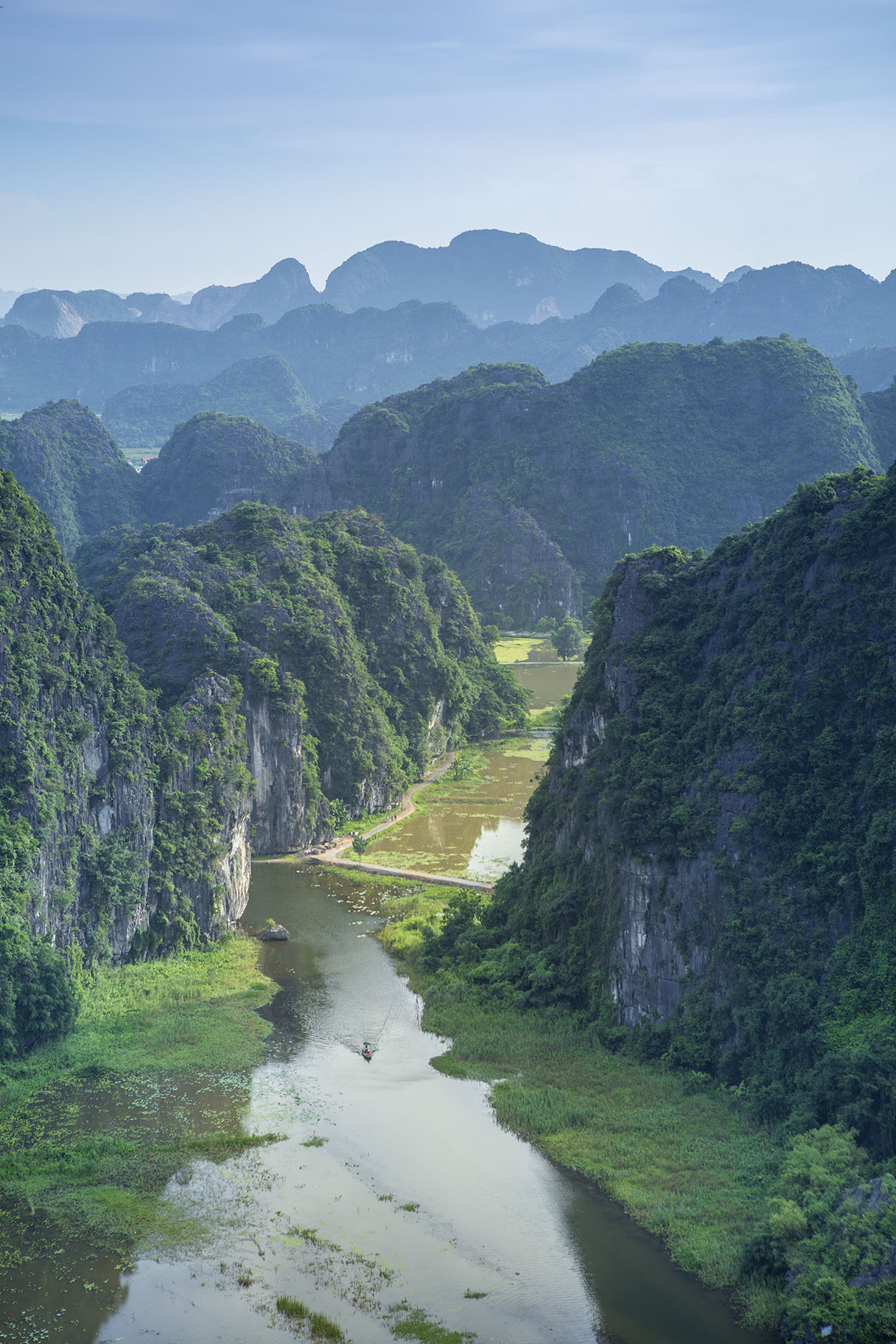
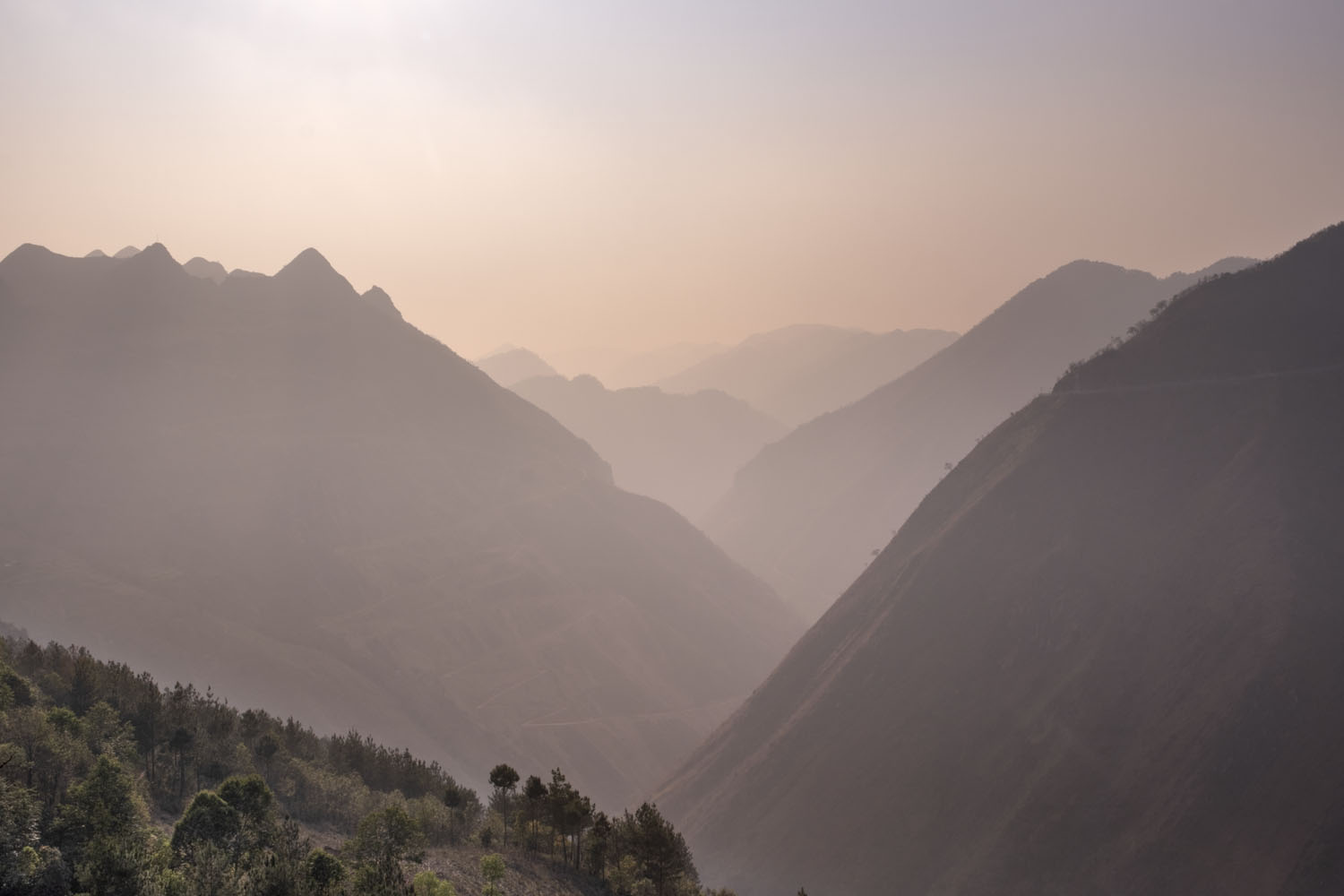
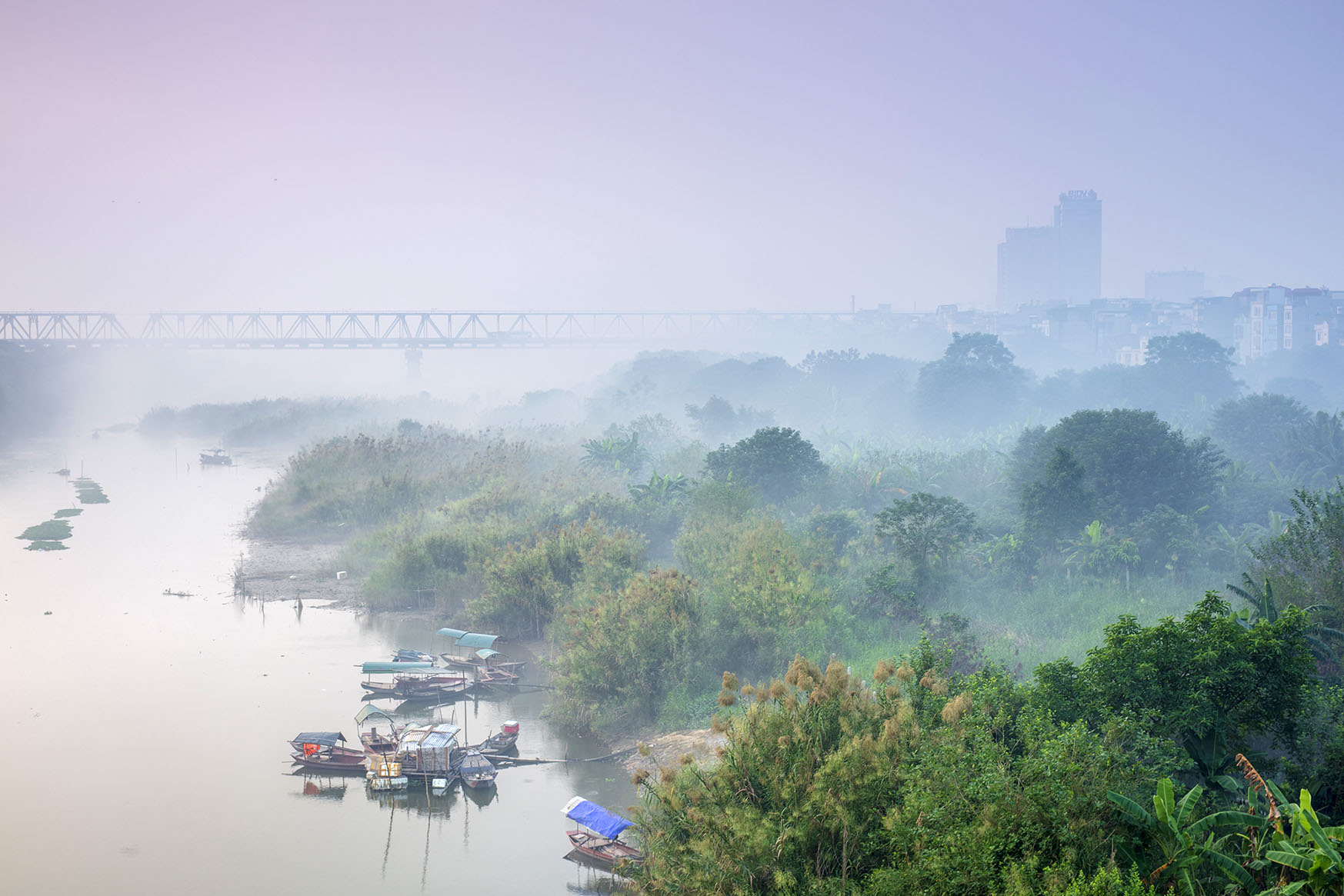
Vietnam's lanscapes, captured by Alex Robinson. Photo courtesy of Alex Robinson
But it’s the people who are for me Vietnam’s greatest treasure: their authenticity and warmth, their elegant resilience, their quiet observational intelligence, their preference for an embrace of the present moment rather than a dream of the past.
When you were capturing Vietnam through photos or writing, what moments or details stood out to you the most?
This has changed. Firstly it was the encounters I had with the country as I journeyed from north to south on the Reunification Express: photographing the World Heritage sites along the way – those astonishing Ninh Binh landscapes, the Phong Nha caves, the tombs around Hue.
Then it was the details of daily life: the Hmong villages of Ha Giang, the Thai communities of Mai Chau, the markets in the Mekong Delta, street life in Hanoi’s Old Quarter, the hidden coffee houses of Saigon.
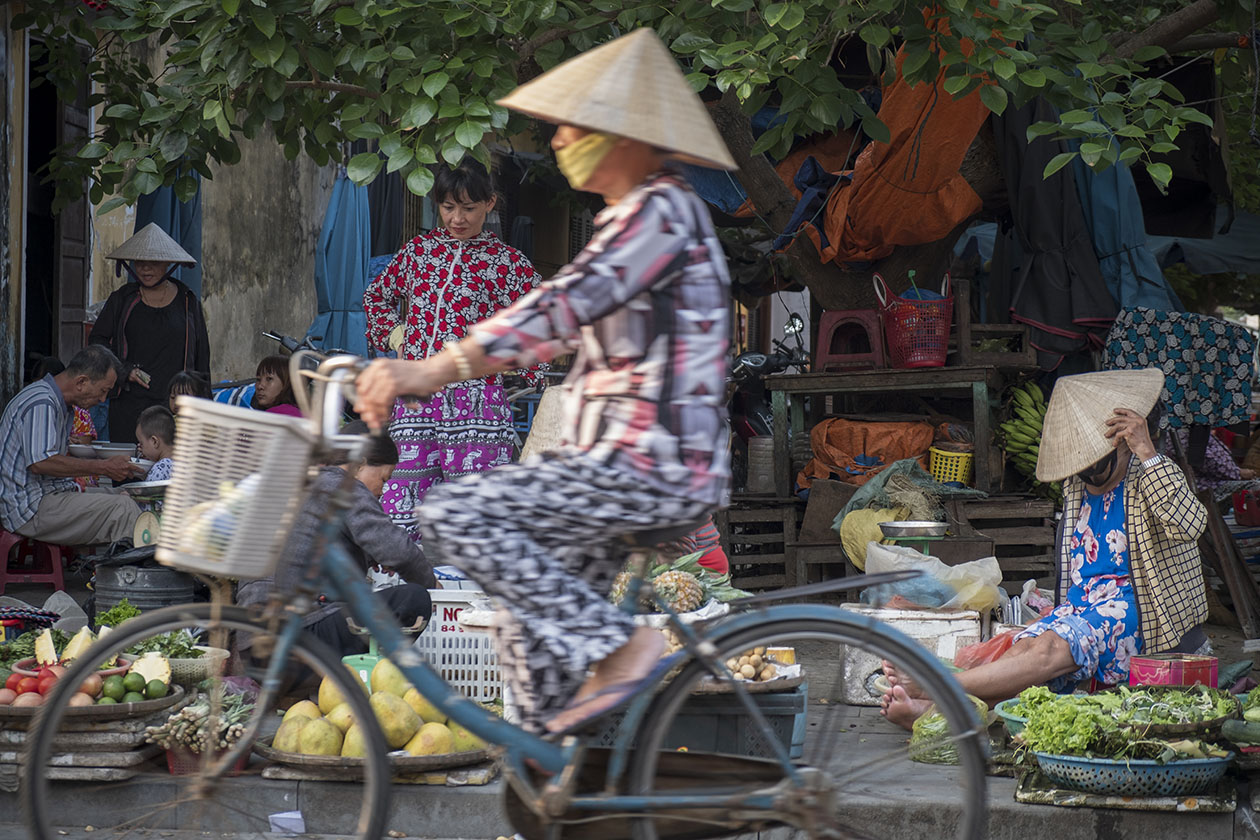
Daily life Vietnam, captured by Alex Robinson. Photo courtesy of Alex Robinson
Now I am fascinated by the temples – old and new, and the families and couples who flock there. I loved photographing the temple of Ten Thousand Buddhas in Ho Chi Minh City and the Dia Tang Phi Lai pagoda in Ninh Binh Province.
How does traveling to Vietnam as a writer differ from traveling as a regular tourist? Did writing about your experiences change the way you perceived the country?
Two ways. Firstly, I have less time. Writing trips are often shorter than tourist trips, taking in more locations and moving more rapidly.
Secondly, writing requires research. On the last trip I read three Vietnamese novels (by Bao Ninh and Kim Thuy) and read up on the history of Dai Viet and Champa. This deepened my understanding and enriched my trip.
Tourists don’t need to do such research, though they would enjoy the country more were they to do so.
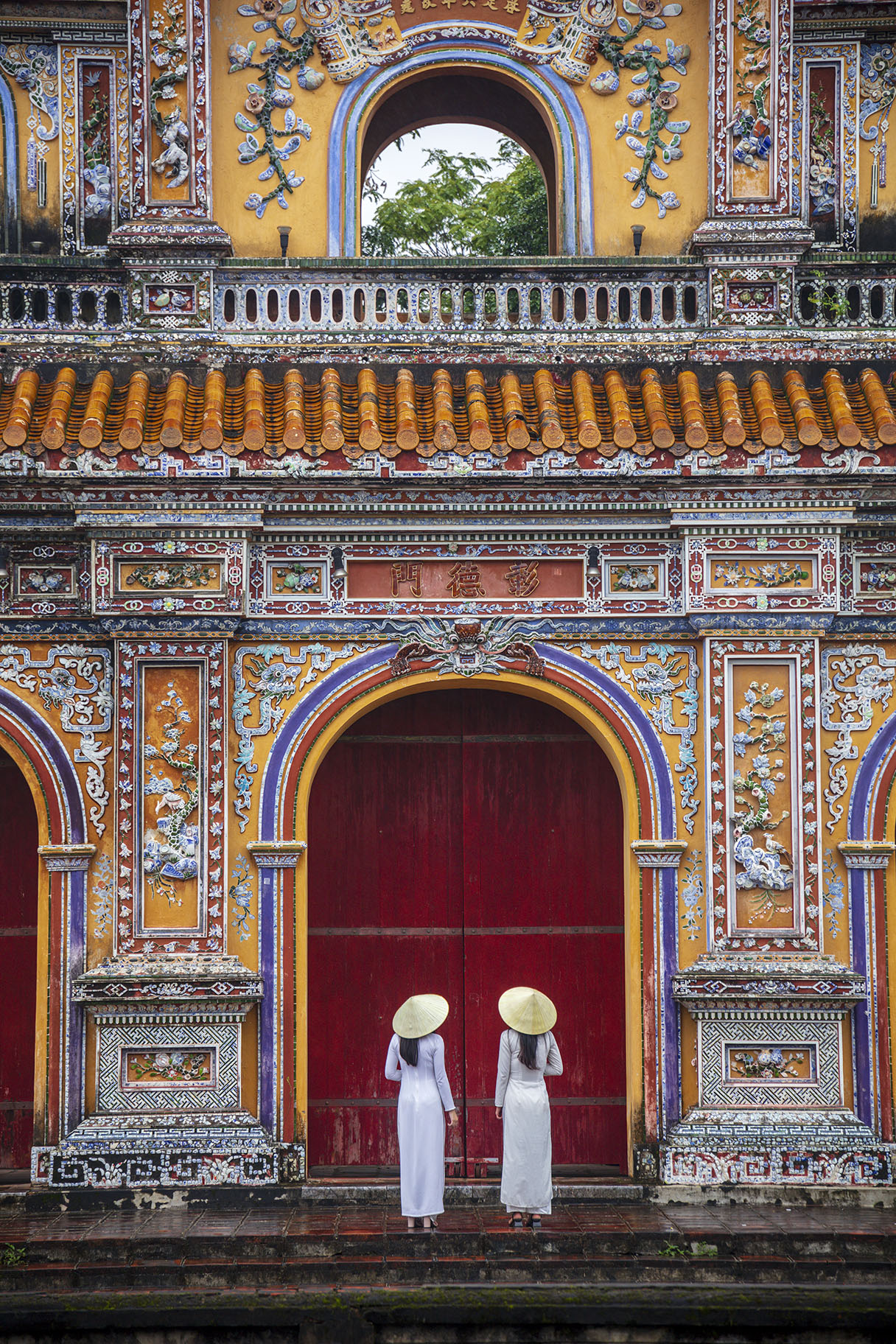
Hue, Vietnam, captured by Alex Robinson. Photo courtesy of Alex Robinson
So much is missing in international travel media
In the past year, you’ve had 16 articles on Vietnam published in Wanderlust. What inspired you to explore and share stories about the country?
Travel is about breaking down our received wisdom. Confucius famously said, ‘Isn't it a joy to have friends come from afar?’.
Travel enables us to discover our common humanity. When it is expressed through cultures and languages which differ from our own, this discovery can bring tolerance, wisdom, and friendship.
Vietnam offers this to any traveller willing to be respectful, open-minded, and courteous. I want to help build understanding between people. That’s what my work is all about.
From your experience, how is Vietnam currently portrayed in international travel media? Are there narratives or images that you feel stand out or are missing?
So much is missing. In the English-speaking world, Vietnam is associated far too often with the American war and the effect this had on the American psyche.
Where this is not the case, Vietnam is portrayed too often as a series of Instagram-friendly pretty landscapes and smiling locals.
There is very little sense of how different Vietnamese are from other peoples in Southeast Asia, how diverse the nation is (with so many ethnicities), or the depth of history.
Nor is there enough about the contemporary cool and stylish verve of Ho Chi Minh City.
What aspects of Vietnam’s tourism do you think are still underexplored or could be better showcased to international visitors?
Vietnamese concentrate very much on a backpacker or big scale package tourist market.
There are travellers who are interested in exploring and understanding the history and culture in greater depth, and in having genuine cultural encounters.
Where for instance can I go out in Saigon or Hanoi to hear Vietnamese bands – like Saigon Soul Revival? Where can I see some great art by contemporary Vietnamese artists? Where can I find a tour guide who unpacks the story of Vietnam in their guiding and doesn’t merely show me the sights? How can I book a genuine wildlife or birdwatching trip to one of the remote national parks?
Considering current trends in travel, what do you think Vietnam could do to attract more international tourists in the coming years?
More diversity of tourism products focusing on boutiquey experiences rather than backpackers or mass tourism.
There should be more opportunities for cultural encounters, music, contemporary art, performance; for history and for quality wildlife activities.
Vietnam could learn from destinations in Europe (like the London Blue Badge guide scheme), and Latin America like Peru (for wildlife and culture) or Brazil (for music, wildlife and culture) in this regard.
- REFERENCE MORE








Max: 1500 characters
There are no comments yet. Be the first to comment.