


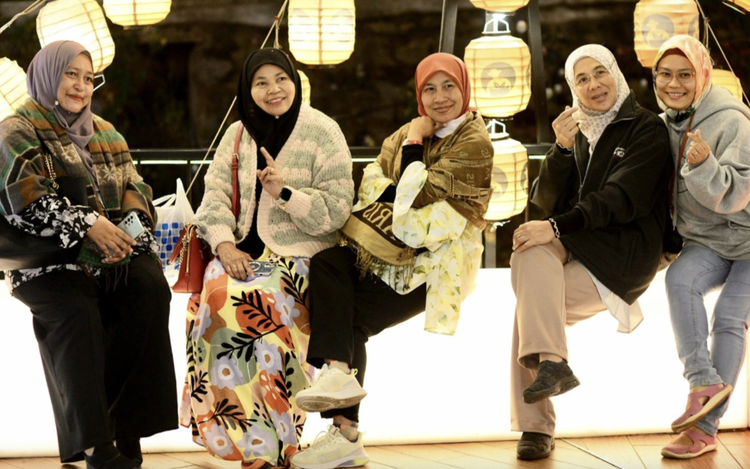
Vietnam is seeking to attract more Muslim travelers, a market that remains largely untapped. Photo: Q.D. / Tuoi Tre
Halal tourism refers to services that meet the religious needs of Muslim travelers, including halal-certified food, prayer facilities, privacy, and accommodations for religious practices.
Vietnam's tourism industry must pay closer attention to halal standards across the entire visitor experience, from arrival at airports to departure, to better serve Muslim travelers, Nguyen Phuong Tra, head of the Department of Middle East and Africa under the Ministry of Foreign Affairs, told a seminar titled ‘Vietnam: A New Destination for Halal Tourism,’ held in Khanh Hoa Province, south-central Vietnam on Wednesday.
To support this effort, the ministry is working with the Ministry of Science and Technology to raise awareness of halal standards among businesses and tourism localities nationwide.
The two ministries are also helping localities and companies connect with international partners and participate in halal tourism fairs to strengthen global partnerships and market access.
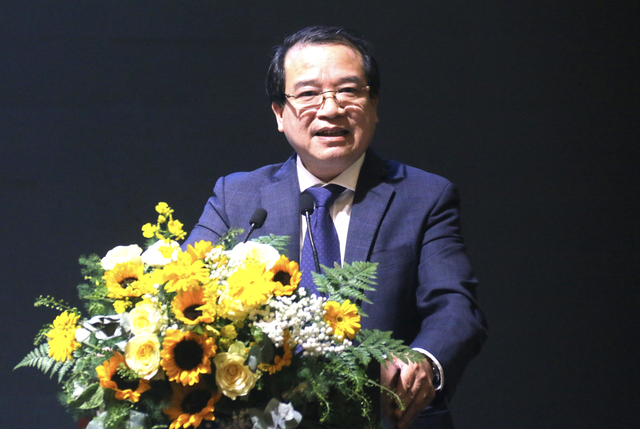
Ha Van Sieu, deputy head of the Vietnam National Authority of Tourism under the Ministry of Culture, Sports and Tourism, speaks at a seminar on halal tourism held in Khanh Hoa Province, south-central Vietnam, July 8, 2026. Photo: Nguyen Hoang / Tuoi Tre
Ha Van Sieu, deputy head of the Vietnam National Authority of Tourism under the Ministry of Culture, Sports and Tourism, described the halal tourism market as a highly attractive opportunity that Vietnam should proactively pursue.
He noted that the global Muslim population continues to grow, driving increasing demand for halal-compliant products and services.
As such, Vietnam should diversify its tourism markets.
However, Sieu acknowledged that Vietnam's halal tourism ecosystem remains underdeveloped.
The country currently lacks a coordinated network of halal-certified tourism services, while the number of trained professionals with expertise in halal requirements remains limited.
He also stressed the importance of market research and targeted promotion, suggesting that the tourism sector work with key opinion leaders (KOLs) to introduce Vietnam to Muslim audiences worldwide while improving public and business awareness of Islamic culture and halal standards.
Sieu said Vietnam should establish standardized halal practices, upgrade workforce training, and ensure accommodation providers include facilities such as dedicated prayer spaces for Muslim guests.
Deputy Minister of Culture, Sports and Tourism Ho An Phong emphasized the long-term economic potential of the market, saying Muslim travelers are generally high-spending visitors who stay longer and generate significant tourism revenue.
He strongly believes that Vietnam has the potential to become an attractive halal destination within the region.
Yet he said that the country's halal tourism industry is still in its early stages, with existing products and services remaining fragmented.
Phong called on investors and businesses to expand halal-friendly accommodation, restaurants, prayer facilities and digital platforms tailored to Muslim travelers.
He also urged greater investment in halal tourism products, workforce training and education on Islamic culture.
In addition, he hinted at intensifying tourism promotion efforts, with particular focus on key Muslim-majority markets such as Indonesia, Malaysia and Qatar.








Max: 1500 characters
There are no comments yet. Be the first to comment.