



Bottles and glasses of wine are seen on a restaurant table in Vietnam. Photo: Thy Nhung
The proposal comes as alcohol trading is set to be removed from Vietnam’s list of conditional business lines from March 1, 2027, under amendments to the 2025 Investment Law passed by the National Assembly on August 24, 2026.
In this context, the proposal is meant to remove unreasonable business conditions while maintaining effective market oversight, as alcohol production and sales pose challenges for public health and regulatory enforcement, according to the ministry.
Nguyen Van Viet, chairman of the Vietnam Beer-Alcohol-Beverage Association, said widespread alcohol production and sales remain difficult to monitor, particularly at grocery stores and bars where alcohol is sold alongside other goods or produced on a small scale.
Current licensing procedures and business conditions, including fire safety requirements imposed on individual retail outlets, are impractical and made effective control nearly impossible, Viet said.
This has contributed to tax evasion, alcohol poisoning, and the circulation of substandard products, he added.
Viet called for a shift away from reliance on formal business licenses toward direct supervision of household businesses and production facilities by local authorities, alongside tighter controls on product labeling, traceability, and tax compliance before alcohol enters the market.
The ministry has also identified shortcomings in the existing management system, including difficulties in monitoring traders, issuing retail licenses, and distinguishing different types of production.
Wholesale and retail traders frequently change their business information and fail to comply with reporting requirements, while an interconnected database for market monitoring has yet to be established, the ministry said.

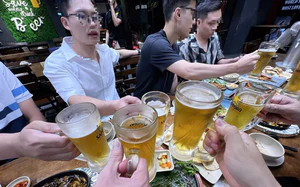
People raise small glasses of liquor for a toast around a dining table in Vietnam. Photo: Thy Nhung
Retail licensing and the management of alcohol sales for on-premises consumption are particularly challenging because many outlets are small grocery stores selling limited quantities of alcohol alongside other goods, and compliance with regulations remains low.
Local authorities also struggle to distinguish traditional artisanal production from industrial manufacturing and determine whether activities such as infusing or decanting alcohol constitute production requiring a license.
Meanwhile, easy access to alcohol and the lack of signs prohibiting sales to people under 18 have weakened efforts to prevent alcohol-related harm, the ministry said.
Under the proposed approach, digitalized data would play a central role in monitoring the market, while direct inspections would replace the current emphasis on checks before licenses are granted.
Product traceability and food safety would also receive closer scrutiny, allowing authorities to focus on compliance and identify violations rather than relying primarily on licensing procedures.
The proposal could reduce administrative burdens for businesses that currently face multiple registration and licensing requirements.
A representative of a company specializing in ginseng-infused alcohol said businesses currently need both business registration and an additional license to trade in alcohol.
They must also register product specifications and brands and incorporate QR codes on packaging to support traceability and prevent counterfeiting.
Registered businesses must pay taxes, including special consumption tax at rates that vary according to alcohol content, the representative said.
By contrast, some bars and households that produce alcohol for personal consumption or retail sale operate as household businesses, pay flat-rate taxes or are not taxed, and may not register their activities.
This makes it difficult for authorities to monitor their operations effectively.
Therefore, the representative supported removing unnecessary alcohol business licenses to ease administrative burdens and help businesses operate legally while maintaining effective oversight of product quality, origin, and tax compliance.
Another expert said managing alcohol trading through digitalized data was consistent with the government’s broader efforts to improve commercial management and simplify administrative procedures.




Max: 1500 characters
There are no comments yet. Be the first to comment.