


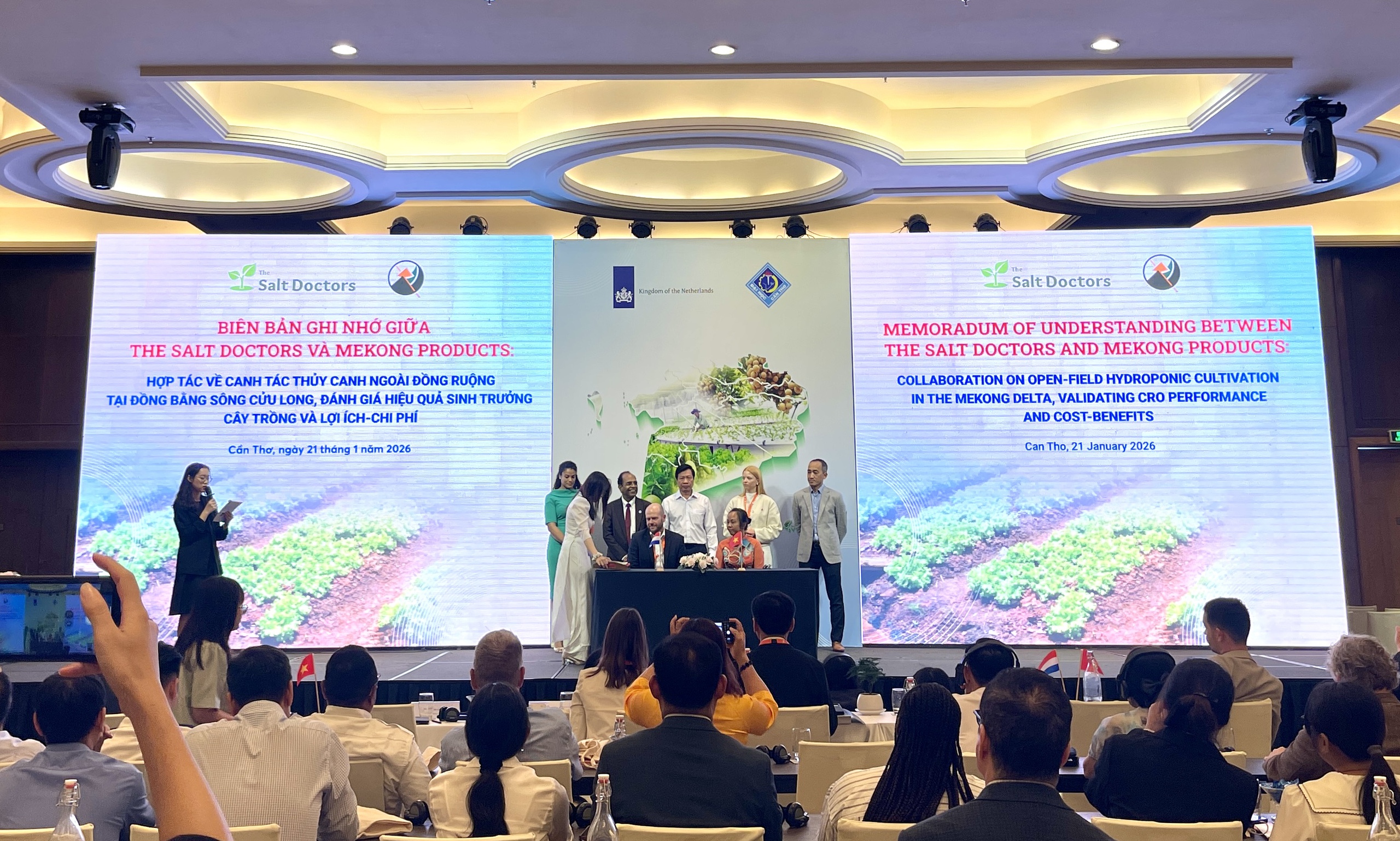
Vietnamese and Dutch partners sign an MoU on collaboration in the presence of distinguished guests at the business forum ‘Salty Soils, Shared Solutions: Vietnam and the Netherlands Dialogue on Salinity for Horticulture Development in the Mekong Delta’ in Can Tho City, January 21, 2026. Photo: Dong Nguyen / Tuoi Tre News
The event, titled ‘Salty Soils, Shared Solutions: Vietnam and the Netherlands Dialogue on Salinity for Horticulture Development in the Mekong Delta,’ was jointly organized by the Dutch Embassy and Can Tho University.
The forum featured three panel discussions bringing together industry experts from Vietnam and the Netherlands, with sessions focused on exchanging solutions to salinity impacts, innovations for the future development of Mekong Delta horticulture, and partnerships for climate-smart horticulture.
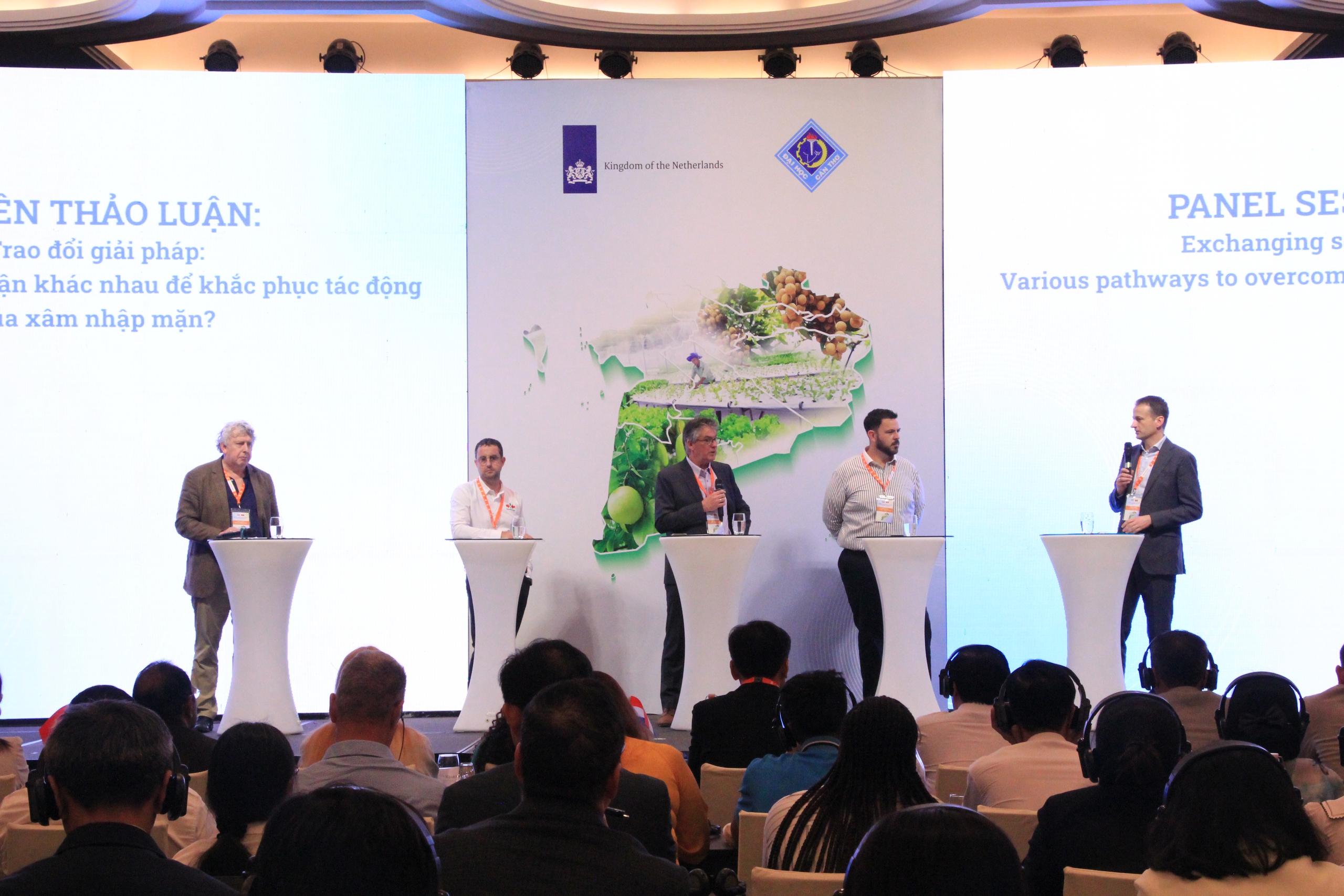
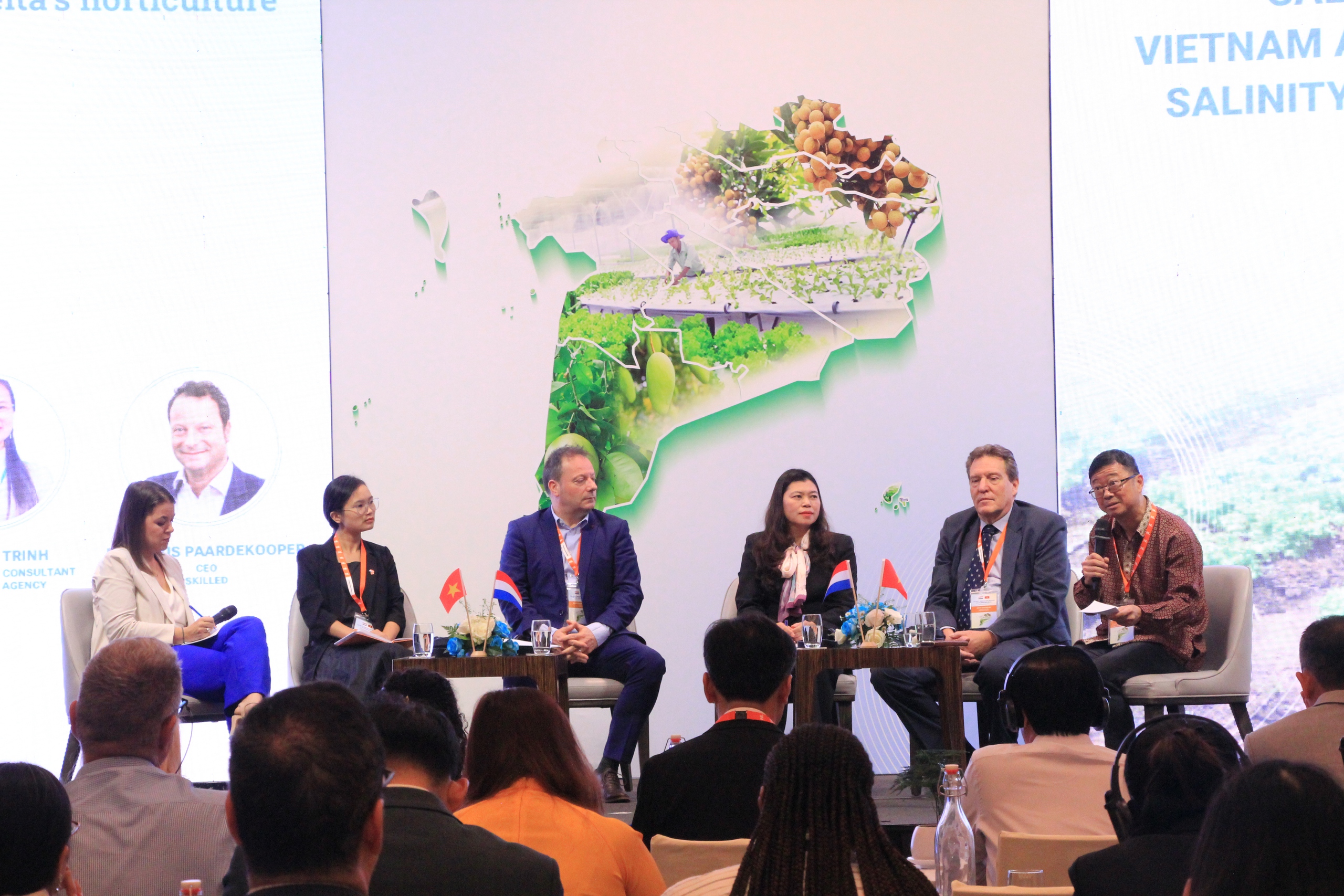
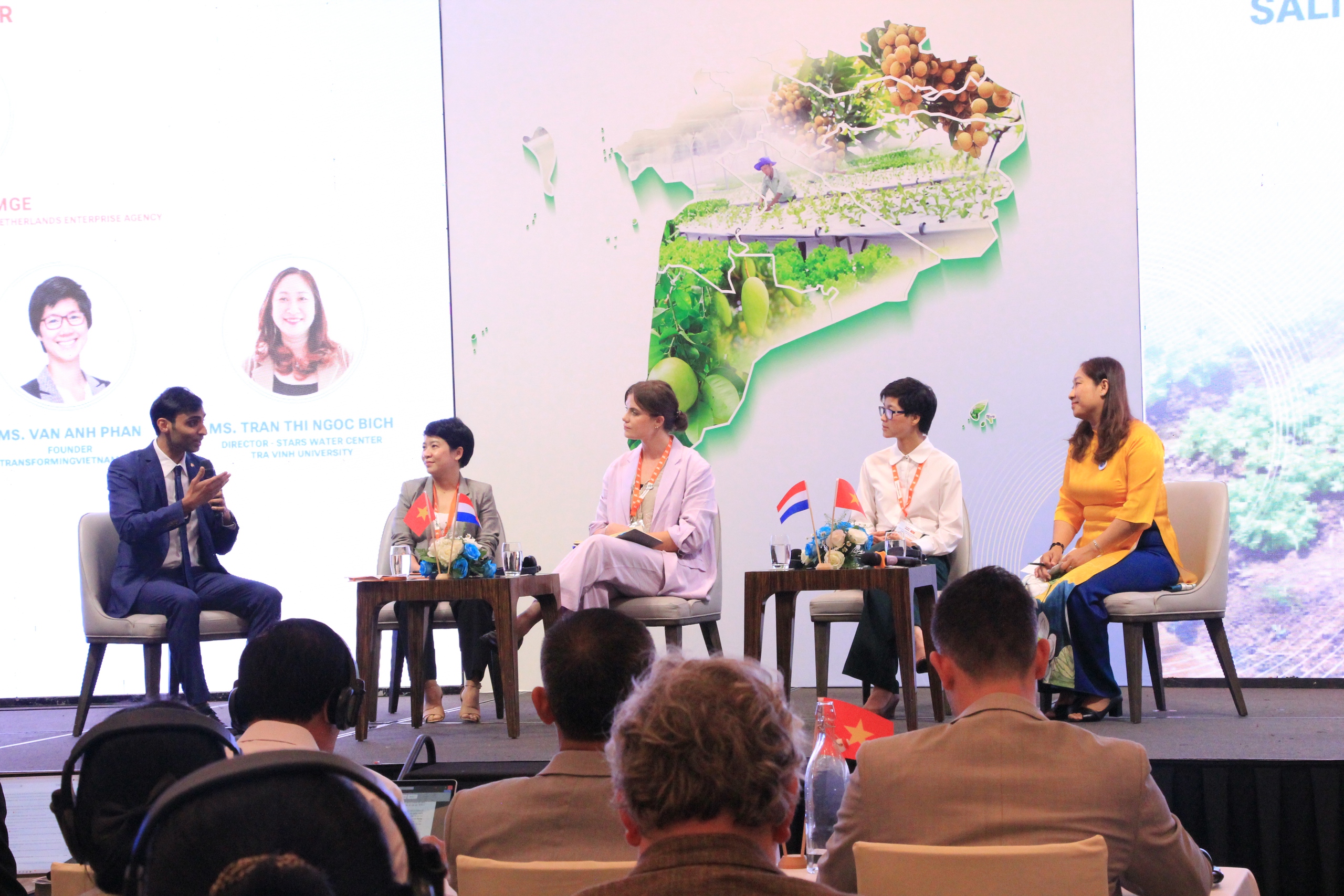
Dutch and Vietnamese panelists discuss solutions to salinity impacts, innovations for Mekong Delta horticulture development, and partnerships for climate-smart horticulture at the business forum on January 21, 2026. Photo: Dong Nguyen / Tuoi Tre News
A challenge of both national and global concern
Saltwater intrusion remains a major challenge for the Mekong Delta, affecting farming and horticulture, reducing access to clean water, and making daily life more difficult for many residents, Dr. Le Van Lam, vice-rector of Can Tho University, stated in his opening remarks.
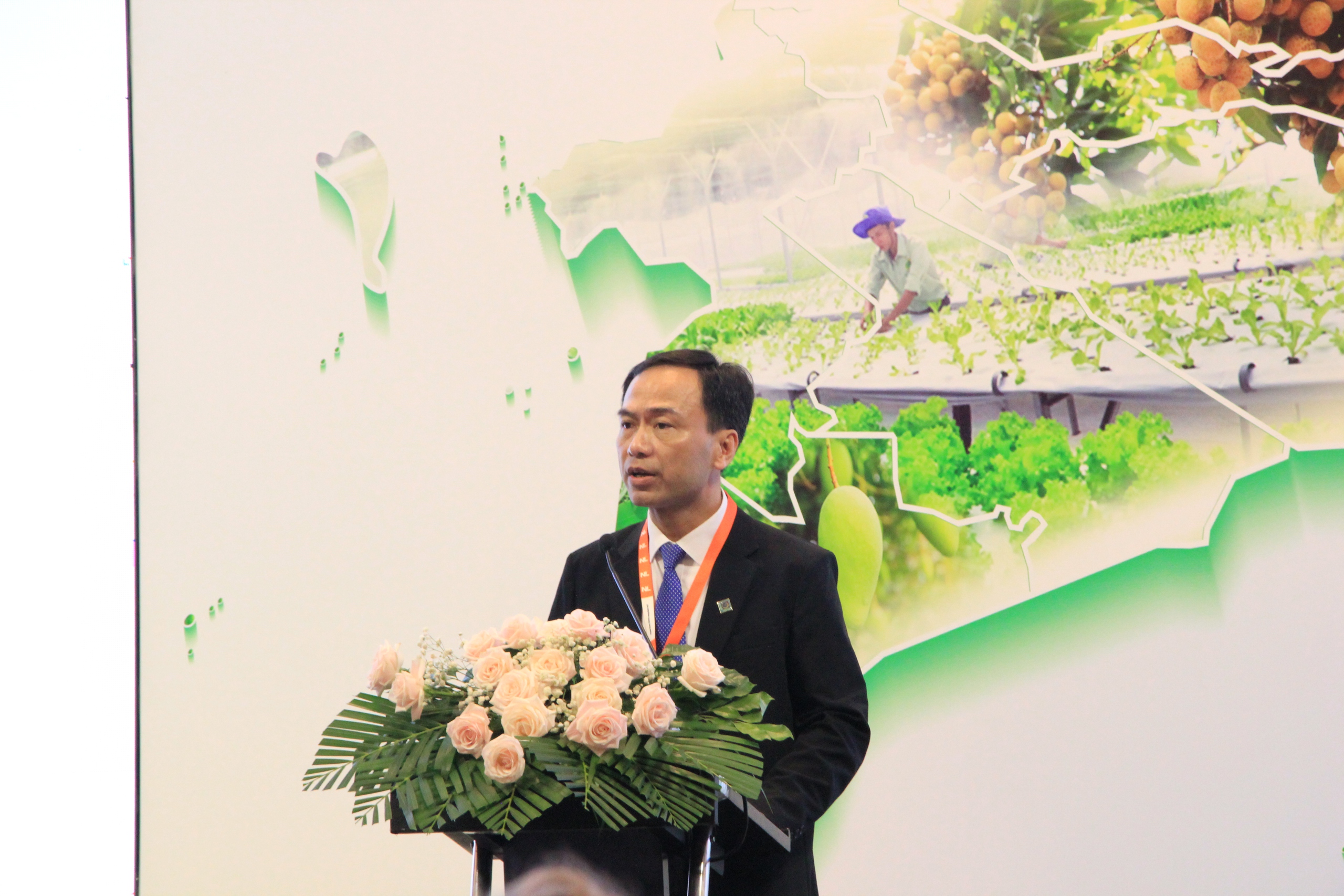
Dr. Le Van Lam, vice-rector of Can Tho University, delivers his opening remarks at the business forum in Can Tho City, southern Vietnam, January 21, 2026. Photo: Dong Nguyen / Tuoi Tre News
In recent years, rising salinity levels have become more pronounced, highlighting the urgent need for practical, scalable solutions for the region, he stressed.
“The Mekong Delta does not stand alone in its struggle,” said Raïssa Marteaux, Dutch Consul General in Ho Chi Minh City.
“Salinity is also an increasing concern in the Netherlands.
“Currently, around 14 percent of the country is affected by, or at risk of, salinization.”
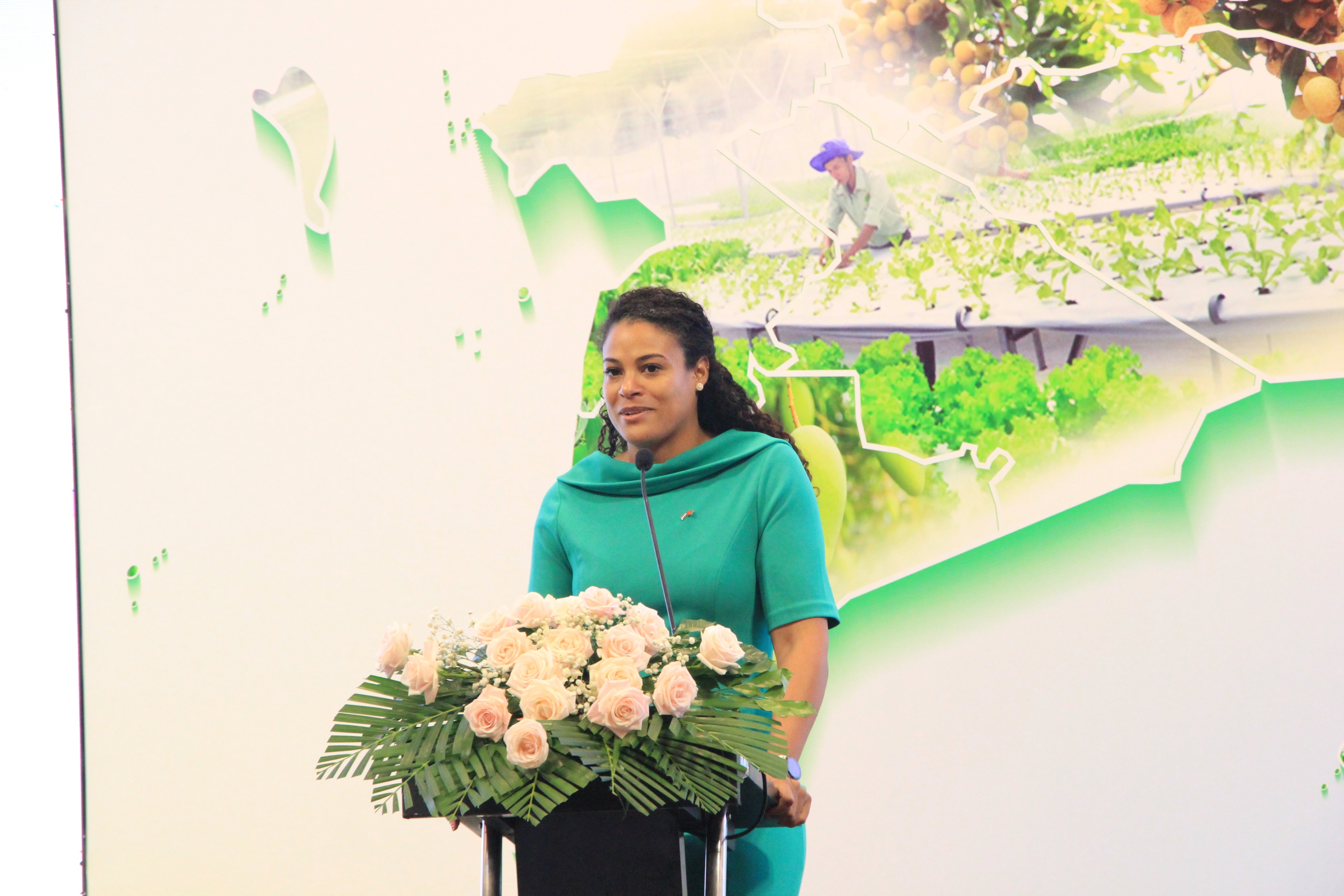
Raïssa Marteaux, Consul General of the Netherlands in Ho Chi Minh City, speaks at the business forum on January 21, 2026. Photo: Dong Nguyen / Tuoi Tre News
While important progress has been made, further efforts are needed to translate research and expertise into practical, scalable solutions for farmers.
“It is not only an environmental issue but also a business, development, and resilience problem,” the diplomat said.
“It is a challenge that no single country or sector can address alone. It requires cooperation, knowledge sharing, and the exchange of innovative ideas and solutions.”
Vinod Ahuja, representative of the United Nations Food and Agriculture Organization (FAO) in Vietnam, called the dialogue “timely,” pointing out that salinity is not merely a Vietnamese issue.
“It is something river deltas across the world are facing and, increasingly, it is a global issue,” Ahuja said.
“Across the world, deltas are facing rising sea levels, changing rainfall patterns, and growing pressure on freshwater resources.
“These trends are reshaping agricultural risk profiles and investment decisions.”
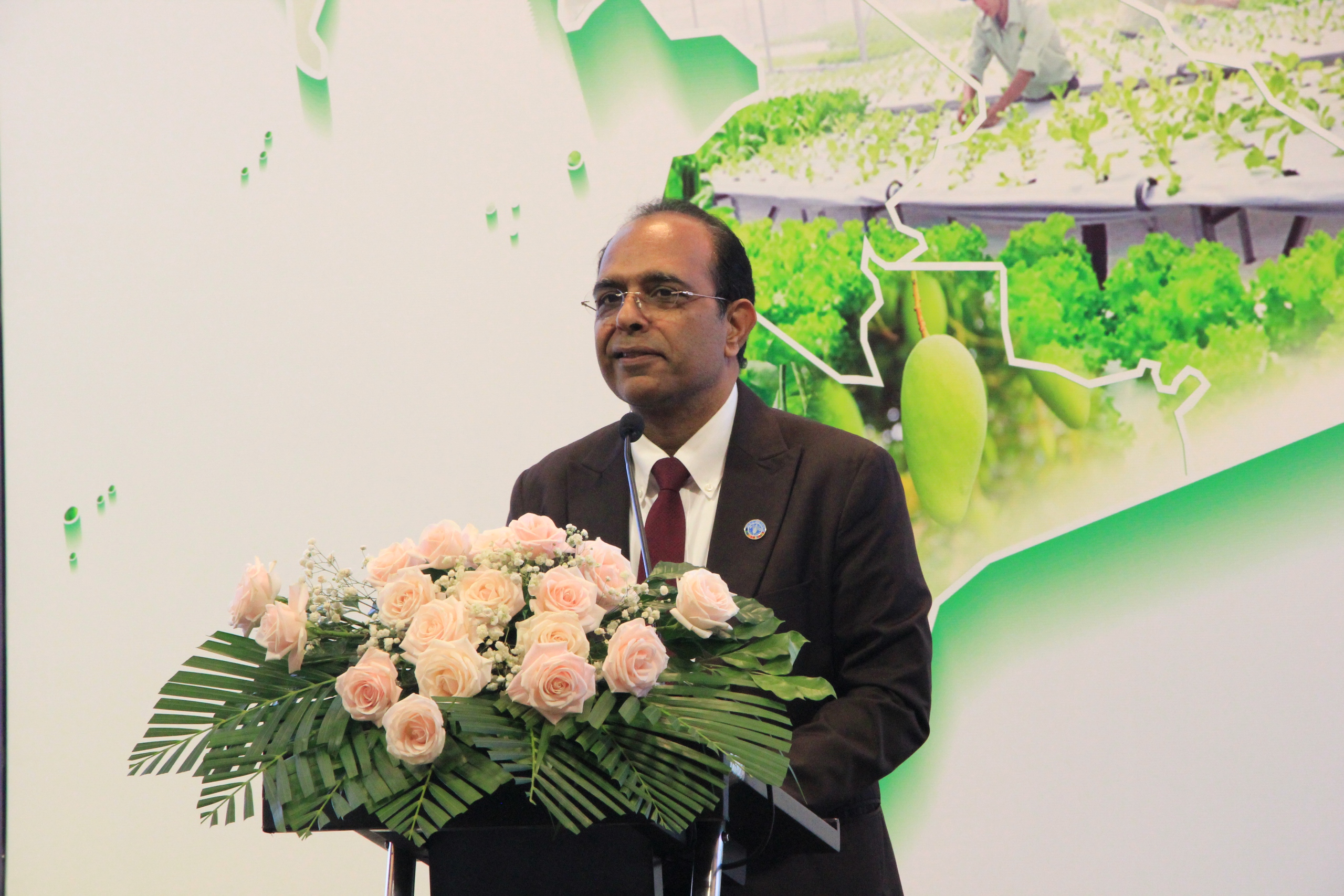
Vinod Ahuja, representative of FAO in Vietnam, delivers his remarks. Photo: Dong Nguyen / Tuoi Tre News
According to the FAO representative, for decades the response to salinity has focused on keeping salt out.
However, a new reality must now be acknowledged: salinity will be part of the production environment.
“The smarter strategy is not only to defend against it, but to manage it intelligently,” Ahuja said, stressing that this is where cooperation between Vietnam and the Netherlands is particularly valuable.
The Netherlands brings long-standing experience in delta management, water governance, applied agricultural research, and climate-resilient horticulture, while Vietnam contributes scale, dynamic entrepreneurs, growing domestic demand, and deep integration into regional and global markets, he went on to explain.
Mekong Delta: Vital but vulnerable
In his presentation at the forum, Associate Professor Van Pham Dang Tri, director of the Mekong Institute at Can Tho University, also noted that the Mekong Delta is a vital yet increasingly vulnerable landscape.
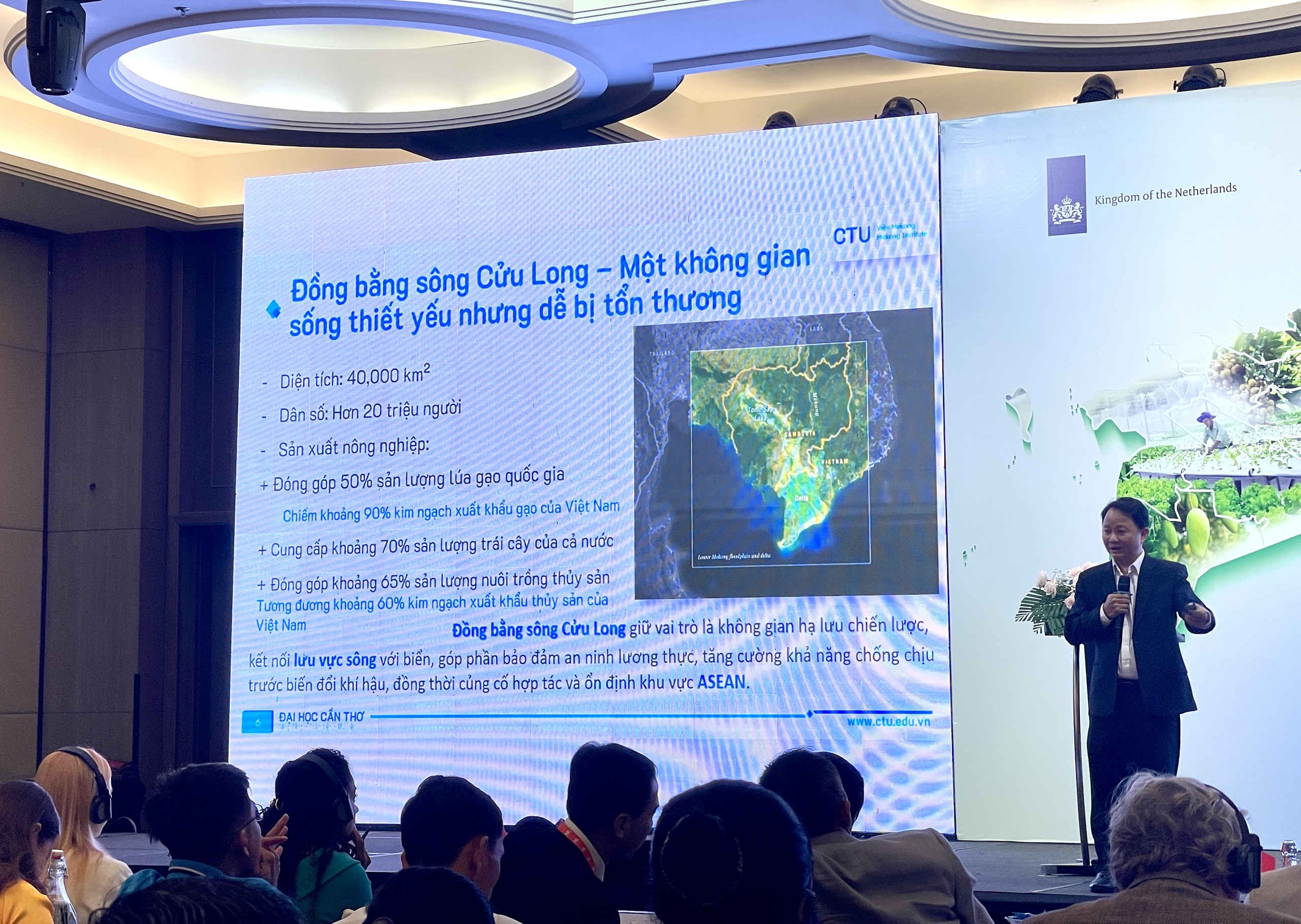
Associate Professor Van Pham Dang Tri, director of the Mekong Institute at Can Tho University, presents an overview of the Mekong Delta at the event. Photo: Dong Nguyen / Tuoi Tre News
Covering an area of about 40,000 square kilometers and home to more than 20 million people, the delta produces around half of Vietnam’s rice output, accounts for roughly 70 percent of the country’s fruit production, and contributes about 65 percent of Vietnam’s aquaculture production, equivalent to roughly 60 percent of the country’s aquaculture export value.
It also serves as a critical downstream hub, linking the basin to the sea, securing food and climate resilience, and anchoring regional cooperation and stability across ASEAN.
However, he warned that the delta is under growing pressure from climate change, sea level rise, salinity intrusion, land subsidence, and upstream development.
According to Tri, existing responses remain fragmented, with water-related research and policy interventions lacking an integrated, delta-wide perspective and sufficient social impact assessment.
He called on integrated adaptive management to move beyond sectoral solutions.
Integrated solutions needed
At the forum, Dutch experiences on agriculture in a saline environment were presented by Peter Prins, CEO of SALTA – a knowledge cluster of more than 50 Dutch public and private partners bundling the expertise on freshwater issues and salinity in the coastal zone of the Netherlands.
Prins pointed out that regions with clay soil, such as the Netherlands and the Mekong Delta in Vietnam, face unique difficulties because clay reacts to salt much differently than sandy soil does.
Prins emphasized the need to end fragmented research by bringing various expertise together for integrated solutions, involving not only research institutions but also farmer organizations, the private sector, vocational training centers, and local authorities.
“In the Netherlands, it's very fruitful to bring people with different backgrounds together and work on the same topics of soil issues or water issues,” Prins told Tuoi Tre News at the forum.
“It's not only a matter of science, it's also about how to apply science in practice, how to convince,” he added. “It's technical, economical, and social. All these disciplines are needed.”
As a bridge between research, policymakers, and farming communities, SALTA represents an approach that Prins hopes to further develop in Vietnam.
The forum on Wednesday witnessed the signing of a memorandum of understanding to formalize three action-oriented partnerships, all sharing a commitment to strengthening resilience and sustainability in the Mekong Delta.
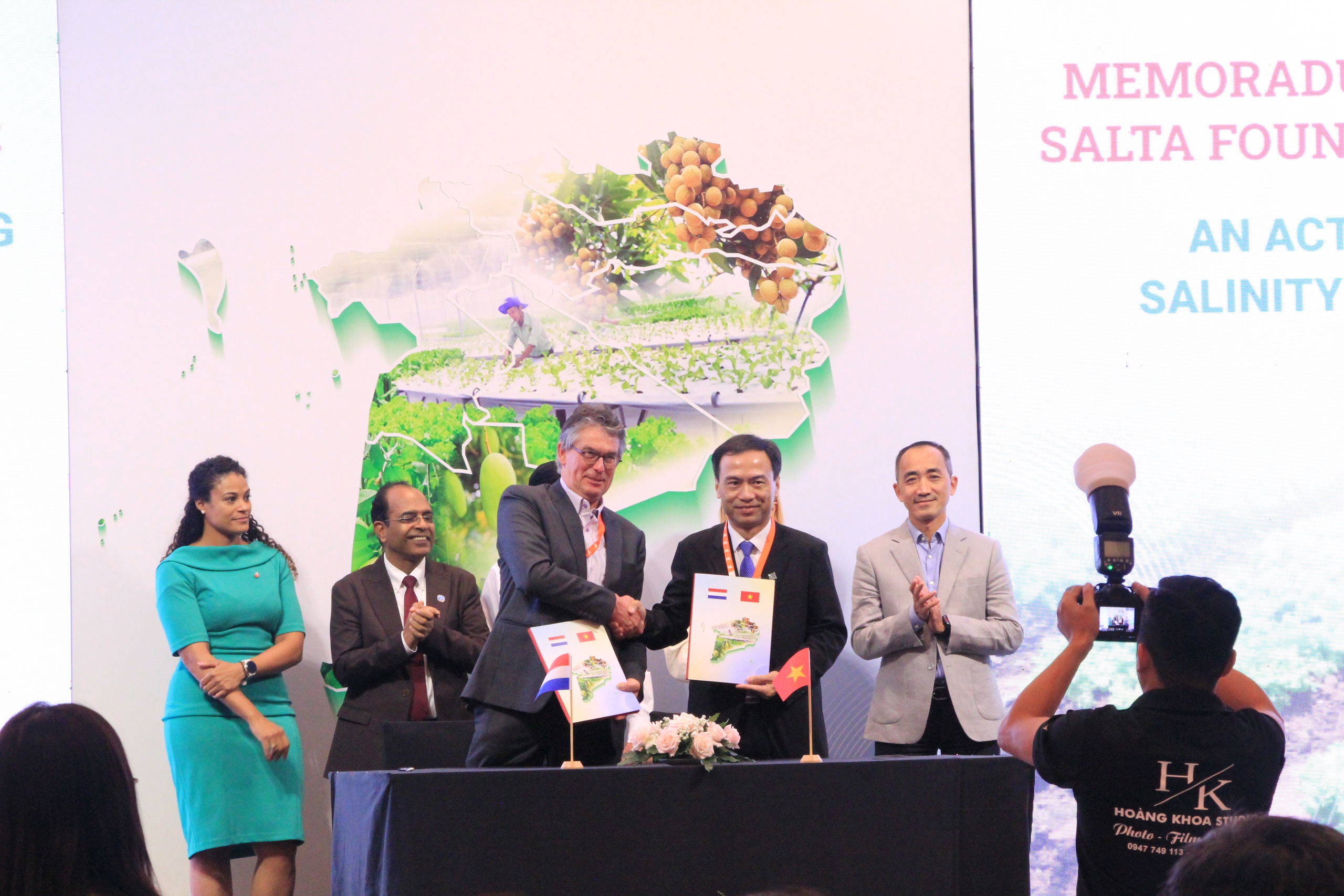
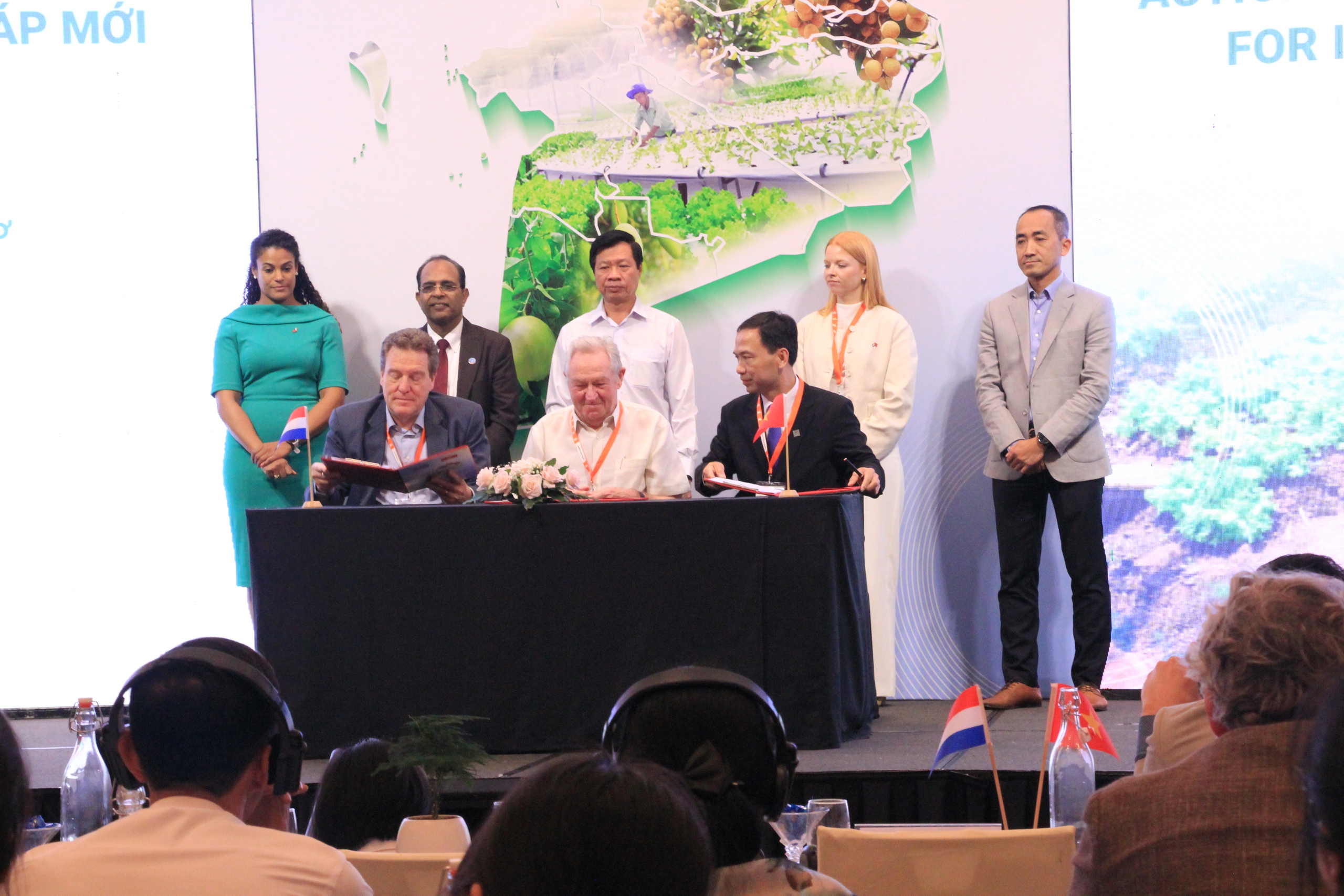
Vietnamese and Dutch partners sign an MoU in the presence of distinguished guests at the business forum ‘Salty Soils, Shared Solutions: Vietnam and the Netherlands Dialogue on Salinity for Horticulture Development in the Mekong Delta’ in Can Tho City, southern Vietnam, January 21, 2026. Photo: Dong Nguyen / Tuoi Tre News
They included 'An action-oriented partnership for salinity adaptation in the Mekong Delta' between SALTA Foundation and Can Tho University; 'Collaboration on open-field hydroponic cultivation in the Mekong Delta, validating crop performance and cost benefits' between The Salt Doctors and Mekong Products; and 'An action-oriented collaborative partnership for innovative freshwater solutions in the Mekong Delta' between Rainmaker Holland, Water Innovation Consulting, and Can Tho University.
“Can Tho University aims to ensure that all scientific research responds to the real needs of communities in the Mekong Delta,” Associate Professor Van Pham Dang Tri told Tuoi Tre News after the signing.
While the Vietnamese university has technological capacity and basic research, the key task is to translate scientific outcomes into practical applications, a process that cooperation with Dutch partners is helping to advance.
He said one of the strengths of the Dutch model lies in its ability to connect different disciplines and project groups into a broader network.
This approach aligns with Can Tho University’s vision in establishing the Mekong Institute as a platform to link diverse fields and translate research into practical solutions, he pointed out.
The Wednesday forum was part of a Dutch Innovation Mission to Vietnam in January, where 25 Dutch companies, knowledge institutes, and public organizations joined Vietnamese partners to explore practical, innovative solutions for salinization in horticulture in the Mekong Delta.
“Salinity is a complex challenge, but the collective expertise, commitment, and partnerships today give us every confidence that progress is not only possible but well within reach,” said Céline van Maaren, head of delegation – contact person for Vietnam at the Dutch Ministry of Agriculture, Fisheries, Food Security and Nature.
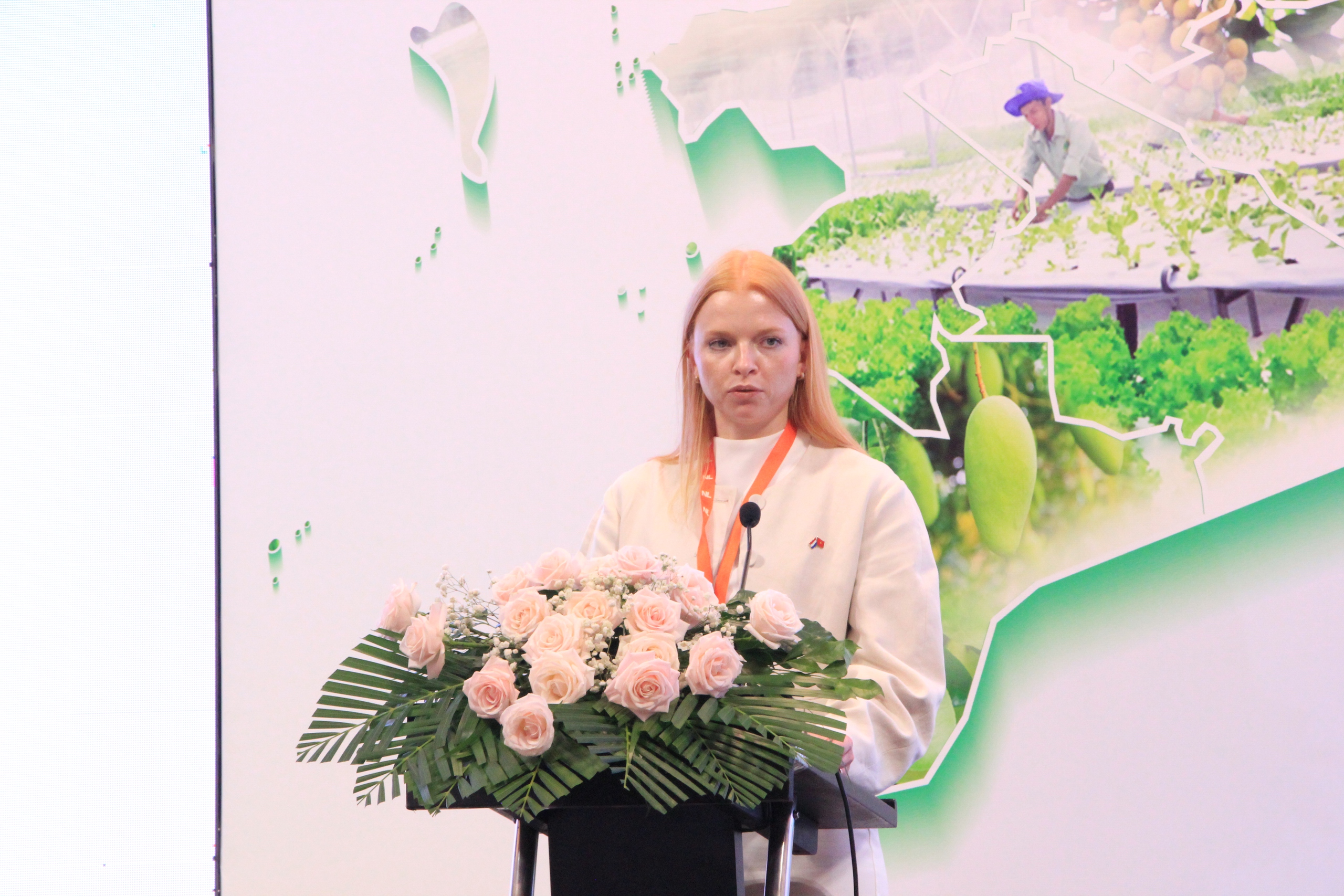
Céline van Maaren, head of Dutch salinity innovation mission to Vietnam, speaks to wrap up the business forum. Photo: Dong Nguyen / Tuoi Tre News
“Through integrated strategies, shared learning, and strong partnerships, we believe the impacts of salinity can be effectively managed while creating new opportunities for resilient agricultural systems and ecosystems.”








Max: 1500 characters
There are no comments yet. Be the first to comment.