


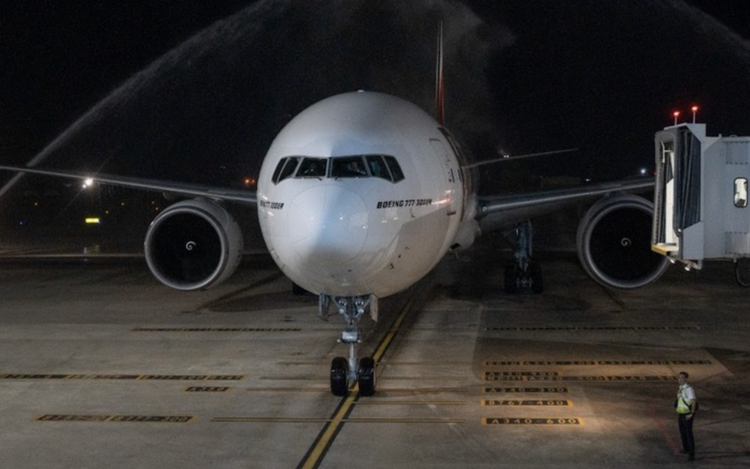
An aircraft operated by Emirates, the UAE’s flagship carrier, carries passengers from Dubai to Da Nang City in central Vietnam. Photo: T.L./ Tuoi Tre
In an urgent directive issued on Sunday morning to domestic and foreign carriers, the Vietnam Air Traffic Management Corporation and airports nationwide, the CAAV ordered airlines operating routes to, from or transiting through the Middle East to immediately review and adjust their flight paths.
Carriers were instructed to conduct comprehensive risk assessments, select safe alternative routings, and strictly avoid flying over conflict zones or restricted airspace to ensure the safety of civil aviation.
They were also required to monitor developments around the clock, including Notices to Airmen (NOTAMs) and advisories from the International Civil Aviation Organization and the International Air Transport Association, as well as guidance from relevant authorities, to ensure appropriate operational decisions.
In cases of delays or cancellations, airlines must fully meet their obligations to passengers by providing timely updates, arranging accommodation where necessary, and clearly explaining the reasons to minimize inconvenience, the CAAV said.
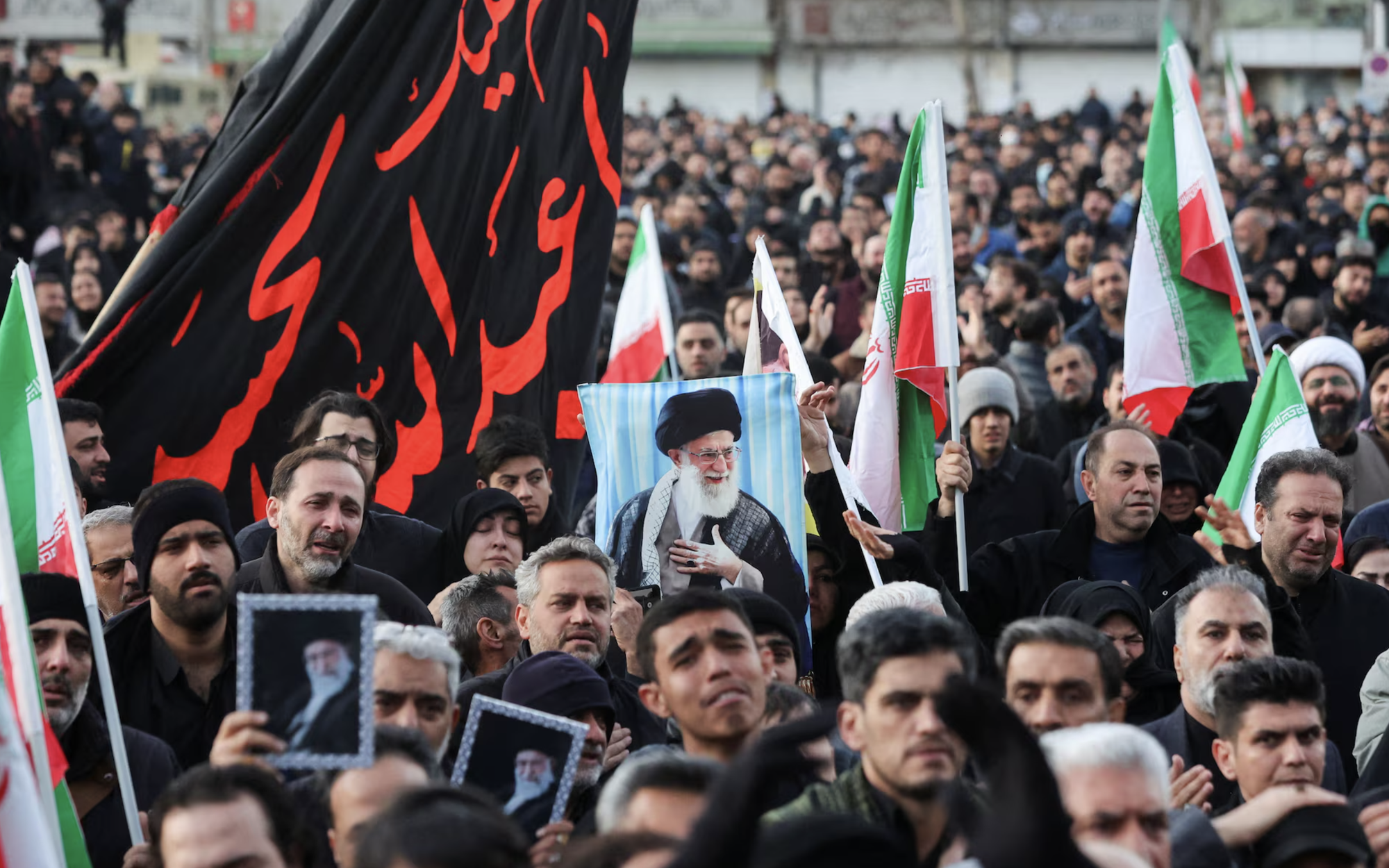
The directive came as the security situation in the Middle East deteriorated sharply following military actions involving the U.S., Israel, and Iran.
On Saturday, the U.S. and Israel launched a large-scale attack on Iran, triggering heightened tensions across the region.
In response, Iran, Iraq, Kuwait, Qatar, the UAE, and Israel announced airspace closures or restrictions to safeguard national security and civil aviation safety.
Several key airports, including those in Dubai and Abu Dhabi in the UAE, as well as Doha International Airport in Qatar, have suspended or scaled back operations over safety concerns.
The sweeping shutdown of regional airspace has disrupted global aviation, particularly Europe–Asia routes that typically transit the Middle East.
Numerous international carriers have canceled or rescheduled flights as a result.
The crisis has left more than 500,000 passengers worldwide stranded or forced to change their itineraries, with many diverted to transit hubs such as Cairo in Egypt, Athens in Greece, and airports in Oman.
National flag carrier Vietnam Airlines said its routes between Vietnam and Europe have not been directly affected so far, but it is closely monitoring the situation and stands ready to adjust operations if necessary.
Other Vietnamese airlines, including Vietjet, Bamboo Airways, and Vietravel Airlines, do not operate services through the airspace of Israel or Iran, and their schedules remain unchanged.
Some passengers managed to return home on flights operated by Emirates, the UAE’s flagship carrier, shortly before Dubai’s airport was shut down.
A traveler from Ho Chi Minh City said her phone was flooded with messages from concerned family members as soon as her aircraft landed.
“Had we arrived just a little later, we would have been stranded in Dubai,” she said.
Another passenger on the same flight said he learned of the renewed fighting about an hour after departure and initially believed the impact would be limited.
However, the situation escalated rapidly and airports were closed soon afterward.
Other Vietnamese travelers remain in Dubai and other transit locations as they await further updates from airlines, unsure when they will be able to continue their journeys.








Max: 1500 characters
There are no comments yet. Be the first to comment.