


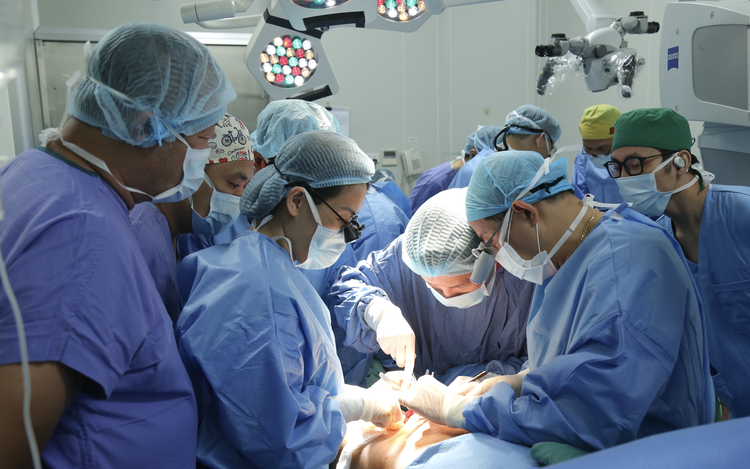
Doctors perform a penis transplant at Viet Duc University Hospital in Hanoi. Photo: Supplied
The recipient, a 43-year-old man, had previously undergone partial penile amputation at the hospital's Center for Andrology.
Following four years of treatment, his overall health had stabilized.
However, the remaining portion of his penis was too short, leaving him with significant difficulties in sexual activity and causing a substantial impact on both his quality of life and psychological well-being.
Although urinary function had been maintained, the patient wished to undergo transplantation to restore the organ's appearance and function and to help him gradually return to a normal life.
Before approving the procedure, specialists at Viet Duc University Hospital conducted a comprehensive assessment of the patient.
Following multidisciplinary consultations, the medical team evaluated surgical feasibility, immunological compatibility, psychological readiness, and ethical considerations.
The patient was ultimately deemed to meet all the criteria required for the transplant.
Doctors emphasized that the decision was made with great caution, with the primary goal of restoring anatomy and function while improving the patient's long-term quality of life.
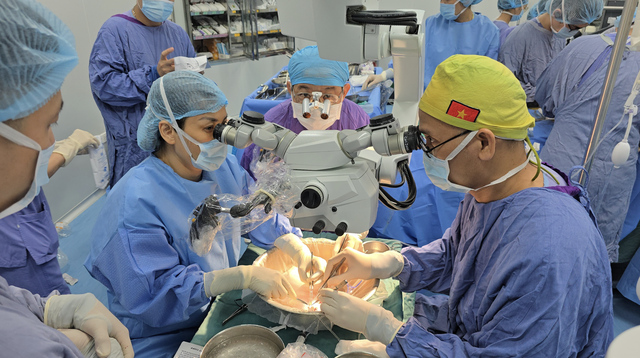
Doctors perform a penis transplant at Viet Duc University Hospital in Hanoi. Photo: Supplied
Associate Professor Dr. Nguyen Quang, director of the center, said that surgeons reconstructed the penis by reconnecting the urethra, corpus spongiosum, and corpora cavernosa.
Using microsurgical techniques under an operating microscope, they also meticulously joined tiny arteries, veins, and nerves.
Associate Professor Dr. Nguyen Hong Ha, chief of Maxillofacial, Plastic and Aesthetic Surgery Department, said the transplant also incorporated the full range of modern tissue and organ transplantation protocols.
These included donor-recipient immunological matching, graft preservation, anti-rejection therapy, and postoperative monitoring of blood flow through clinical examinations and Doppler ultrasound.
According to published international medical literature, only five penis transplant cases have previously been reported worldwide, with the most recent published in 2018, said Duong Duc Hung, director of Viet Duc University Hospital.
He noted that the penis is among the most anatomically and functionally complex organs to transplant.
The objective extends beyond ensuring the survival of the graft to restoring essential functions, including urination, sensation, and, eventually, erectile function.
The patient's recovery has been encouraging.
The surgical wound is healing well, with no early complications detected.
Urinary function is being closely monitored, and the patient is responding positively to immunosuppressive treatment and postoperative care.
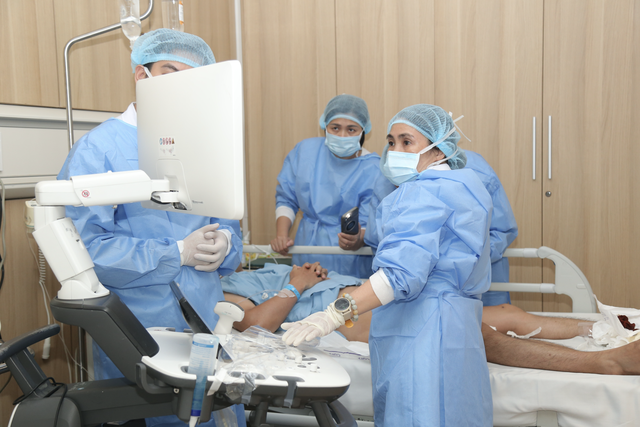
Doctors check the patient's condition after the transplant. Photo: Supplied
Nevertheless, physicians cautioned that penis transplantation is a highly complex vascularized composite tissue transplant.
While the graft has survived the initial postoperative period, additional time will be required to assess the recovery of sensation, erectile function, urethral healing, and the long-term risk of organ rejection.
The medical team will continue to closely monitor the patient before drawing conclusions about the long-term success of the procedure.
Hospital director Hung described the operation as a landmark achievement for Vietnamese medicine.
“This is the first penis transplant using an organ from a brain-dead donor in Vietnam, representing a new milestone in the country's surgical capabilities,” he said.
“It demonstrates our ability to master complex tissue transplantation techniques and reflects the maturity of Viet Duc University Hospital's organ transplantation program.”
He added that beyond benefiting a single patient, the breakthrough could expand treatment options for people who have lost their penis as a result of cancer, trauma, or serious accidents.








Max: 1500 characters
There are no comments yet. Be the first to comment.