



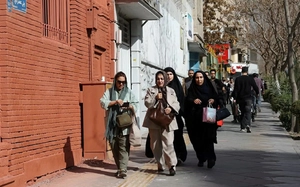
Middle East travel has gained popularity among Vietnamese tourists in recent years for its novelty. Photo: Huu Duy
Tensions in the Middle East have escalated after coordinated air strikes by the U.S. and Israel on Iran last Saturday triggered retaliatory attacks and heightened instability across the region.
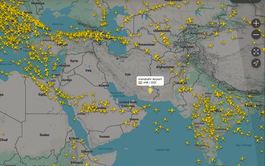
Ni Thao, a Ho Chi Minh City-based exporter of Vietnamese agarwood to Middle Eastern markets, said transportation has been severely disrupted as several airports in the region, including Dubai, have temporarily suspended operations.
Some consignments have been returned, while others remain in storage, incurring additional warehousing fees with no clear timeline for resumption of shipments.
Overseas partners have yet to provide clear responses regarding solutions or contract extensions.
Notably, many insurers do not cover disruptions caused by armed conflict, which is classified as force majeure, leaving businesses to shoulder the losses themselves.
The tourism sector has been similarly affected.
Several Vietnamese travel agencies have officially suspended tours to areas experiencing heightened tensions, a move that has received support from customers.
On travel forums, some Vietnamese tourists currently near conflict 'hot spots' have voiced concerns and expressed a desire to leave the region as soon as possible.
In recent years, the Middle East has emerged as a strategic segment targeted by travel firms, particularly for wealthy clients seeking novel destinations.
Tran Huu Duy, a tour leader and guide with over 15 years of experience, said markets such as Iran, Pakistan, and several Middle Eastern countries hold distinct appeal thanks to their majestic landscapes and unique cultural and historical heritage.
Depending on the destination, all-inclusive tours can cost between VND100 million (US$3,800) and VND130 million ($4,960).
Companies operating in this segment include Vietravel, FIT Tour, Summit Travel, and Smile Travel, with itineraries typically lasting from six to eleven days.
When conflict erupts, tour operators face a dual burden as most services have already been prepaid to foreign partners, while customers often expect refunds if tours are canceled.
As a result, negotiating with partners and maintaining transparent communication with clients become essential.
“For destinations like the Middle East, constant news monitoring and preparation of two to three contingency scenarios are essential,” Duy said.
For independent travelers, he advised thoroughly researching consular contacts, budgeting for unexpected expenses, preparing alternative accommodation and transport options, and maintaining uninterrupted communication throughout the trip.








Max: 1500 characters
There are no comments yet. Be the first to comment.