


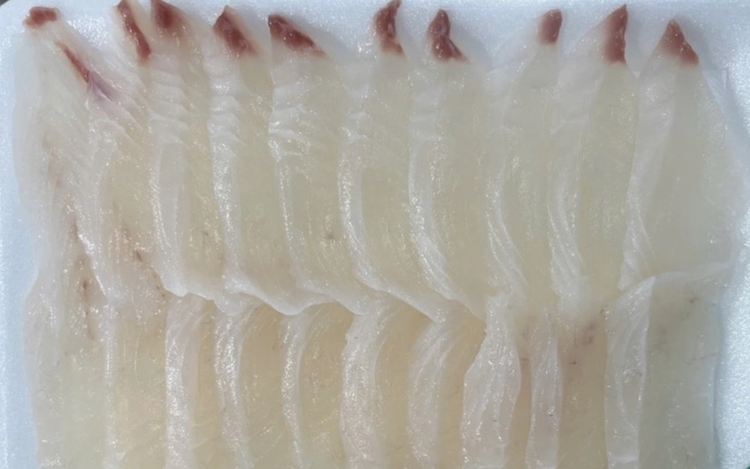
Tilapia fillets of Vietnam Clean Seafood Corporation. Photo: V.V.P.
Exports of Vietnamese tilapia to Japan posted strong growth during the first half of 2026.
Shipments reached nearly US$200,000 in June, up 11 percent year on year, according to the Vietnam Association of Seafood Exporters and Producers (VASEP).
Between January and June, the Southeast Asian nation exported tilapia worth $1.4 million to Japan, representing a 54-percent increase compared with the same period in 2025.
Frozen tilapia fillets accounted for the largest share of exports, making up 67 percent of the total turnover.
Value-added processed products contributed 21 percent, while other frozen tilapia products represented around 10 percent.
The use of Vietnamese tilapia in sushi and sashimi marks a significant upgrade in the product's market positioning, moving beyond its traditional role as a whole or frozen fish export.
“Japanese customers have responded positively to the quality and flavor of Vietnamese tilapia,” VASEP said.
Vo Van Phuc, CEO at Vietnam Clean Seafood Corporation in Can Tho City, southern Vietnam, said the company shipped its first consignment of tilapia fillets to Japan in early July for use in sushi and sashimi production.
The shipment followed six months of developing a specialized farming and processing system designed specifically for the Japanese market.
Every stage of production is subject to strict controls covering product quality, food safety, and traceability.
The firm plans to further expand its farming areas to secure a stable raw material supply while increasing exports of higher-value processed tilapia products to the United States, Canada, and other markets.
Vietnamese seafood producers are also investing in additional processing capacity to support the sector's expansion.
In the former Soc Trang Province, now part of Can Tho City, a processing facility with a daily capacity of 200 metric tones has been operating since mid-2025, supplying whole tilapia, frozen fillets, and value-added processed products.
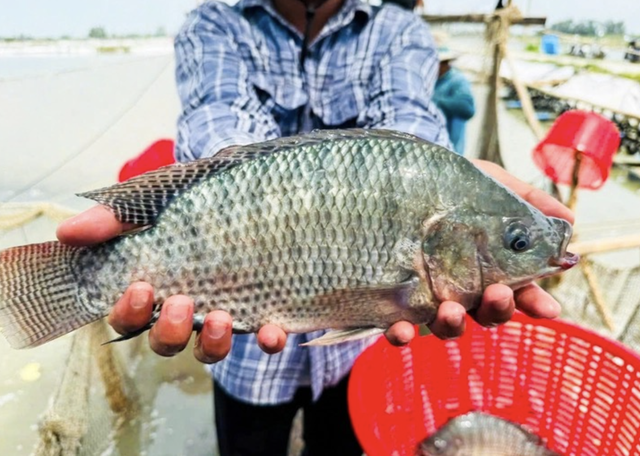
Vietnam currently produces around 300,000 metric tons of tilapia annually. Photo: V. Anh
Japan's standards offer gateway to premium markets
VASEP seafood experts said that to be served as sushi in Japan, Vietnamese tilapia must satisfy a comprehensive set of stringent requirements.
These include standards for farming areas, water quality, raw material quality, processing methods, freezing technology, parasite control, food safety, and full product traceability.
As such, companies must tightly manage every stage of the production chain rather than focusing solely on final processing.
While Japan is not yet Vietnam's largest export destination for tilapia, remaining behind markets such as the United States and Brazil in terms of export value, it is widely regarded as a global benchmark for seafood quality.
Successfully meeting Japan's rigorous requirements is viewed as a ‘quality passport’ that can enhance the reputation and value of Vietnamese tilapia while helping exporters gain access to other premium and highly regulated international markets.








Max: 1500 characters
There are no comments yet. Be the first to comment.