


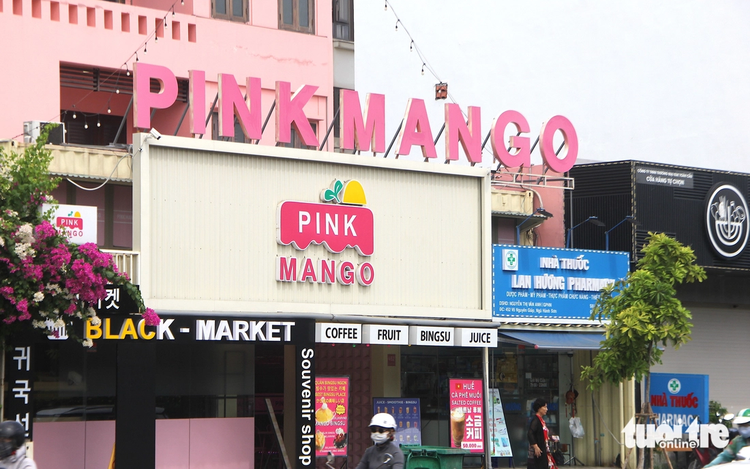
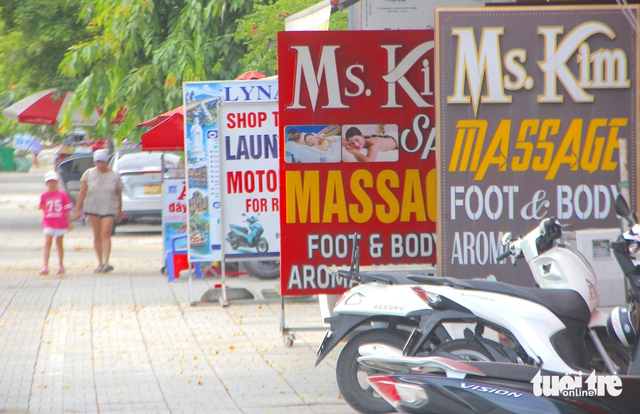
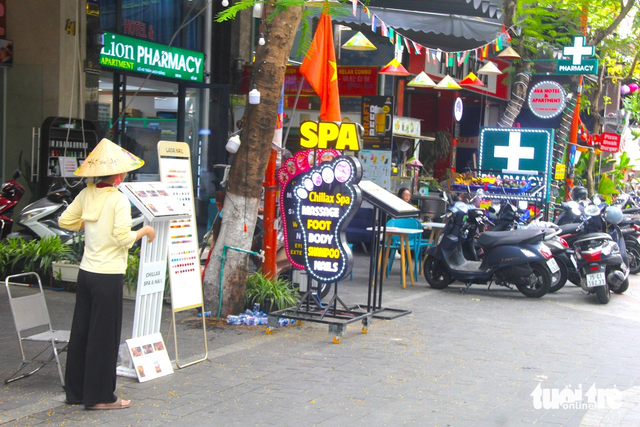
Foreign-language-only signs are becoming increasingly common on tourist streets in Da Nang City, central Vietnam. Photo: Truong Trung / Tuoi Tre
Nguyen Van Hoa, a tourist from Quang Tri Province, north-central Vietnam, found himself hesitating in front of a row of shops on Vo Nguyen Giap Street in Ngu Hanh Son Ward during a trip with more than 20 elderly visitors.
After spending time at My Khe Beach and the An Thuong tourist area, one member of the group wanted to buy cigarettes.
However, they struggled to find a convenience store because many businesses displayed signs only in foreign languages, with no Vietnamese indicating the type of business.
They eventually found a small convenience counter inside a hotel after asking local residents for directions.
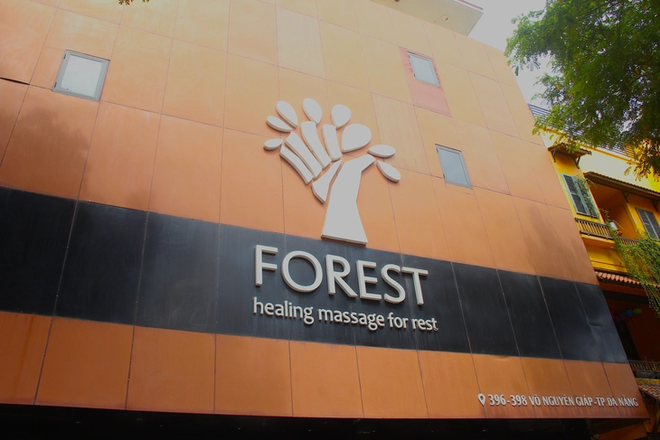
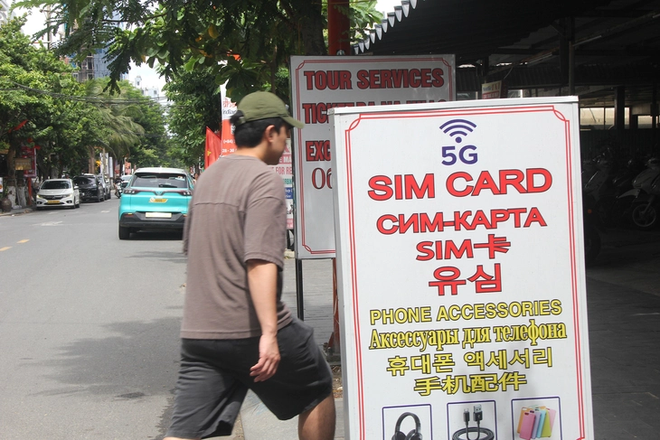
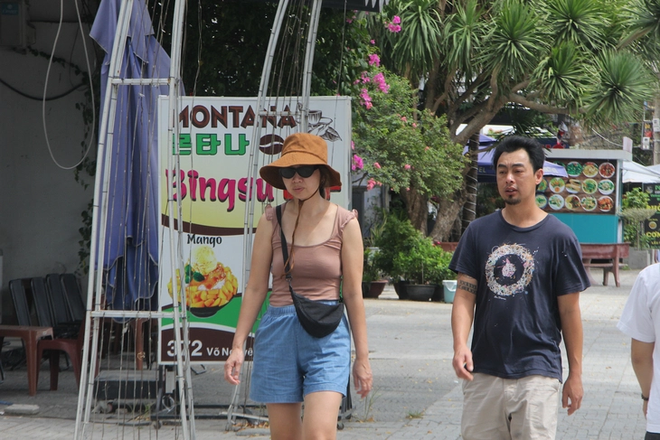
Signs featuring multiple foreign languages may benefit international visitors but they can make it difficult for domestic tourists to identify businesses. Photo: Truong Trung / Tuoi Tre
Signs and advertisements without Vietnamese have become increasingly common on many streets across Da Nang.
Many businesses display only Korean, Chinese, or English in large lettering, raising concerns among residents and visitors about compliance with regulations and the preservation of the Vietnamese language.
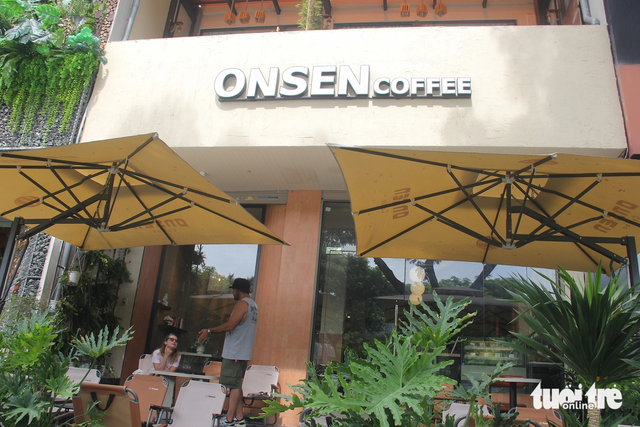
Along major tourist routes frequented by international visitors, including Vo Nguyen Giap and Ho Xuan Huong Streets in Ngu Hanh Son Ward, Tran Phu and Nguyen Thai Hoc Streets in Hai Chau Ward, and coastal roads in An Hai Ward, restaurants, cafes, convenience stores, spas, and other businesses with foreign-language-only signs are easy to find.
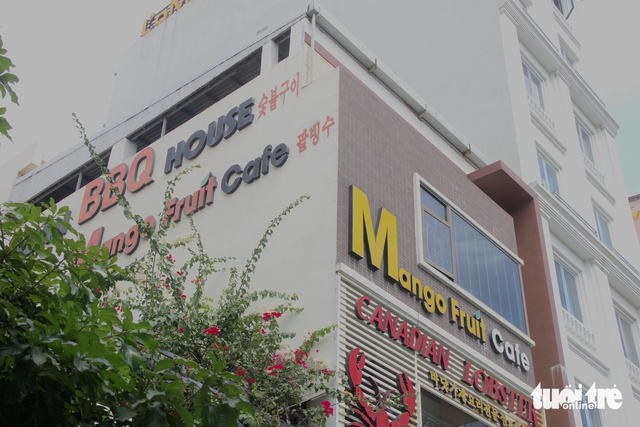
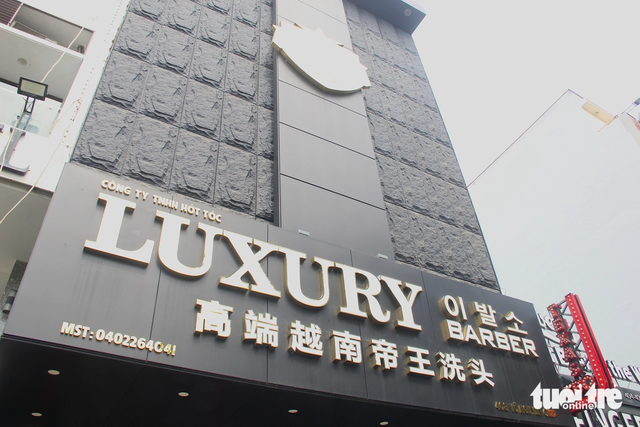
A business displays foreign-language signs across both sides of its exterior walls without any Vietnamese. Photo: Truong Trung / Tuoi Tre
Although the issue of foreign-language signage has been raised repeatedly, the number of businesses with no Vietnamese at all on their signs has continued to increase in recent months.
Some signs feature five or six widely used languages but omit Vietnamese entirely, while others are written solely in foreign scripts, making it difficult for passers-by to identify the businesses.
Tran Thi Lan, a 32-year-old office worker, said the concentration of foreign-language signs on many streets makes some areas feel as though they were located in another country.
She said it is understandable for a tourist city to use English and Korean on signs to serve international visitors, but Vietnamese should remain the primary language.
"International visitors should be supported with foreign languages, but that should not come at the expense of Vietnamese. It is difficult to accept that Vietnamese people cannot even read shop signs on their own streets," Lan said.
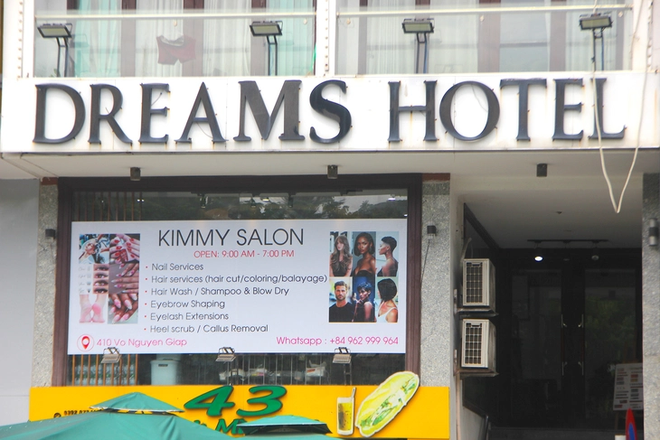
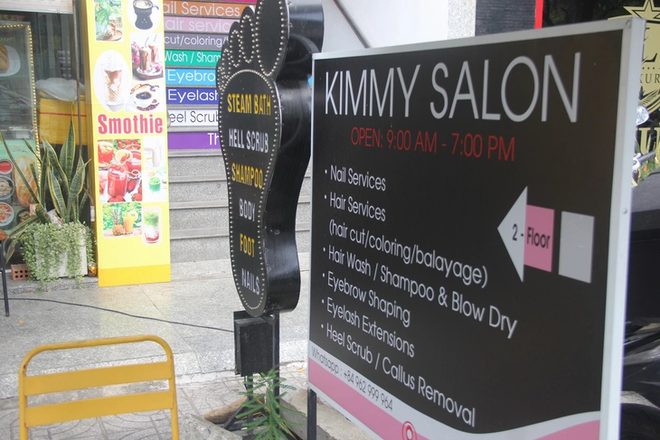
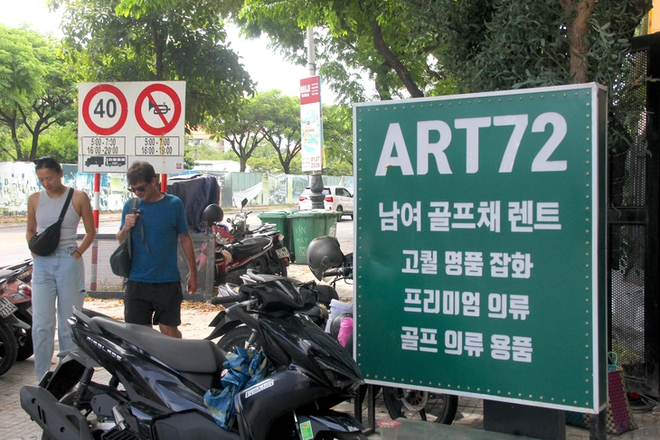
A restaurant owner in the An Thuong area, who requested anonymity, said most of the establishment's customers are South Korean and Western visitors, so its sign was designed to make it easier for them to recognize the business.
The owner said he was unaware of the regulation requiring commercial signs to include Vietnamese, adding that "hardly any Vietnamese customers come to our restaurant."
Under Vietnam’s regulations, when both Vietnamese and foreign languages are used on a commercial sign, the foreign-language text must not exceed three-quarters of the size of the Vietnamese text and must be placed below the Vietnamese text.
Government Decree No. 38/2021 stipulates fines ranging from VND10 million (US$381.2) to VND30 million ($1,143) for violations, while non-compliant signs may also be required to be removed.








Max: 1500 characters
There are no comments yet. Be the first to comment.