


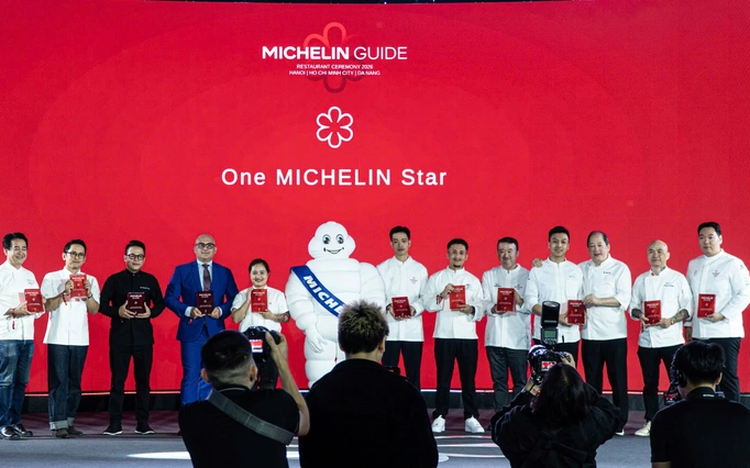
Eleven Vietnamese restaurants were awarded one Michelin star during the Michelin Guide ceremony on June 4, 2026. Photo: Nguyen Hien / Tuoi Tre
Michelin Guide uses a star-rating system to classify restaurants based on the quality of their cuisine as evaluated by anonymous inspectors.
One star is awarded to restaurants offering high-quality cooking that is worth a stop, while two stars recognize excellent cuisine that is worth a detour.
Three stars, the highest distinction, are reserved for restaurants serving exceptional cuisine that is worth a special journey.
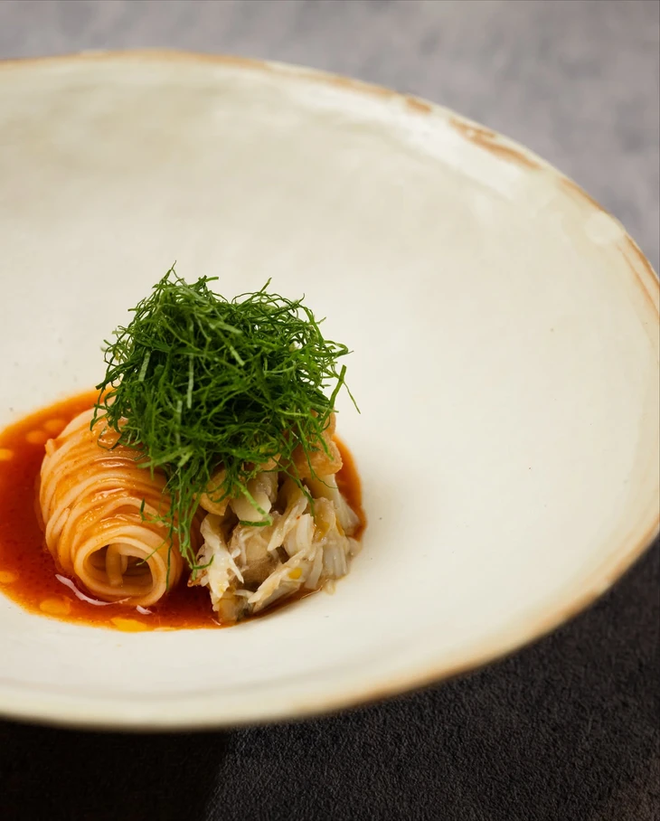
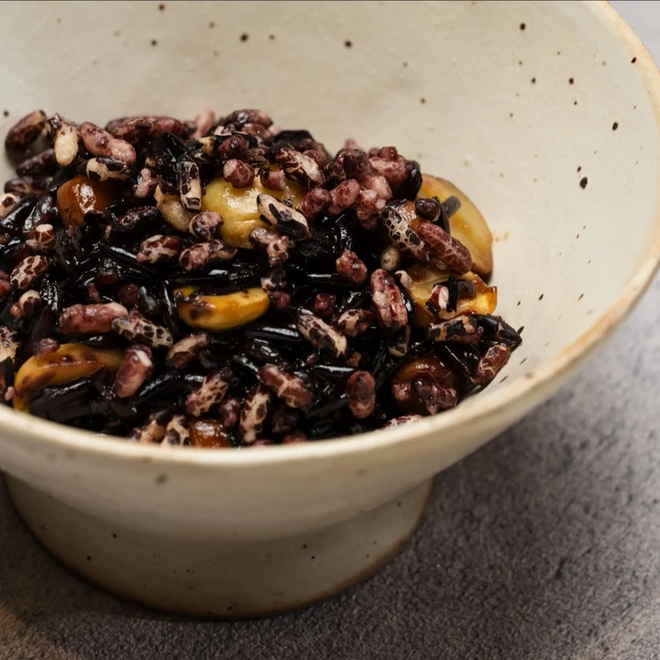
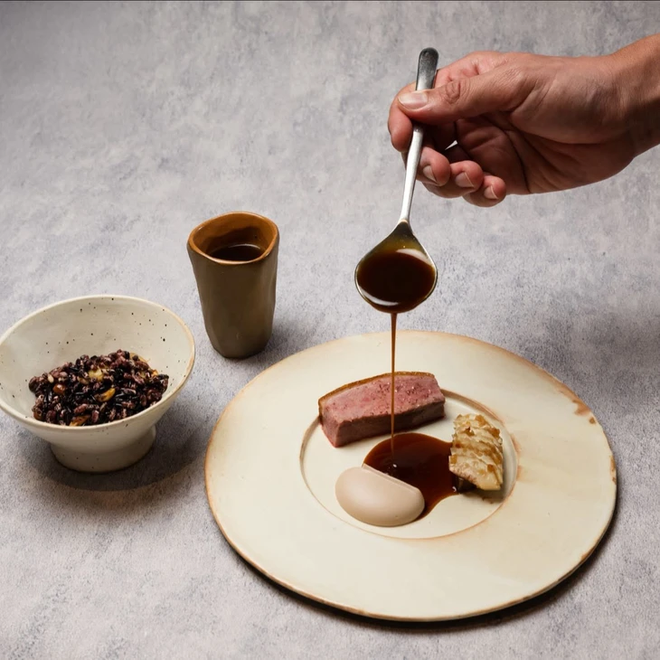
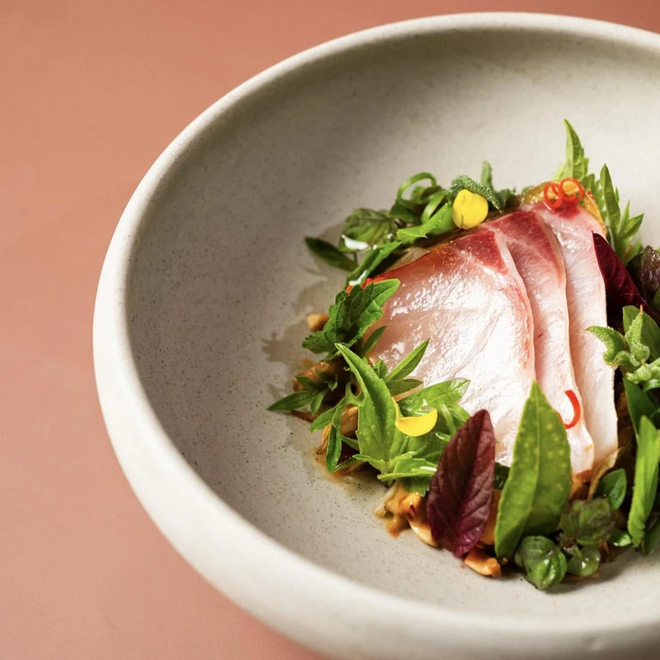
Upstairs, one of the two newly awarded one-star Michelin restaurants in Vietnam. Photo: Courtesy of the restaurant
As of June 6, Michelin Guide listed more than 3,100 one-star restaurants worldwide, along with 542 two-star restaurants and 158 three-star establishments.
Countries with the largest numbers of Michelin-starred restaurants include culinary powerhouses such as France, Italy, Germany, Spain, the United Arab Emirates, and Japan.
In Asia, Japan remains the regional leader with 20 three-star restaurants, 57 two-star restaurants, and 274 one-star restaurants, for a total of 351 Michelin-starred establishments.
Elsewhere in Southeast Asia, Singapore and Thailand continue to strengthen their positions on the Michelin map.
Singapore currently has 42 Michelin-starred restaurants, including three three-star, seven two-star, and 32 one-star establishments.
Thailand has 43 starred restaurants, comprising two three-star, eight two-star, and 33 one-star venues.
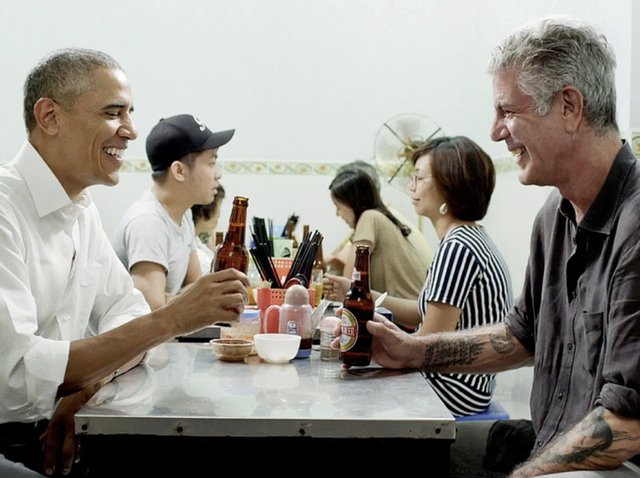
Chef Anthony Bourdain and former U.S. President Barack Obama share beer and 'bun cha' at Bun Cha Huong Lien in Hanoi. Photo: CNN
Vietnam recently increased its total number of one-star Michelin restaurants to 11 after ONVIT in Hanoi and Upstairs in Ho Chi Minh City were added to the list.
They joined previous recipients including Gia, Hibana by Koki, and Tam Vi in Hanoi; Long Trieu, Anan Saigon, Akuna, CieL, and Coco Dining in Ho Chi Minh City; and La Maison 1888 in Da Nang.
Hoang Tung, chairman of F&B Investment, told Tuoi Tre (Youth) newspaper that Michelin is an important international reference point but should not be viewed as the sole measure of a country's culinary quality or prestige.
Long before the Michelin Guide arrived in Vietnam, dishes such as pho (rice noodles served with beef or chicken), banh mi (Vietnamese baguette filled with cold meats, pâté, and vegetables), bun cha (grilled pork meatballs with vermicelli noodles), and Vietnamese coffee had already gained worldwide recognition.
“That shows the appeal of Vietnamese cuisine has been acknowledged globally for a long time and does not depend entirely on any rating system,” Tung said.
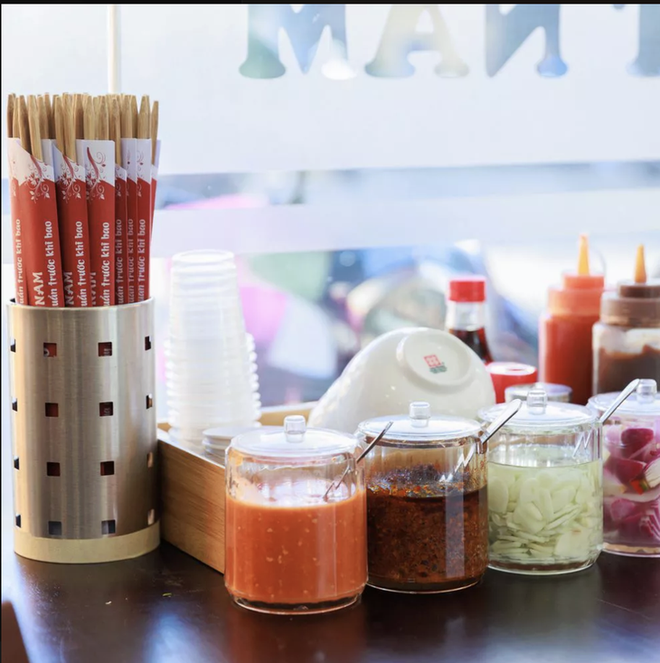
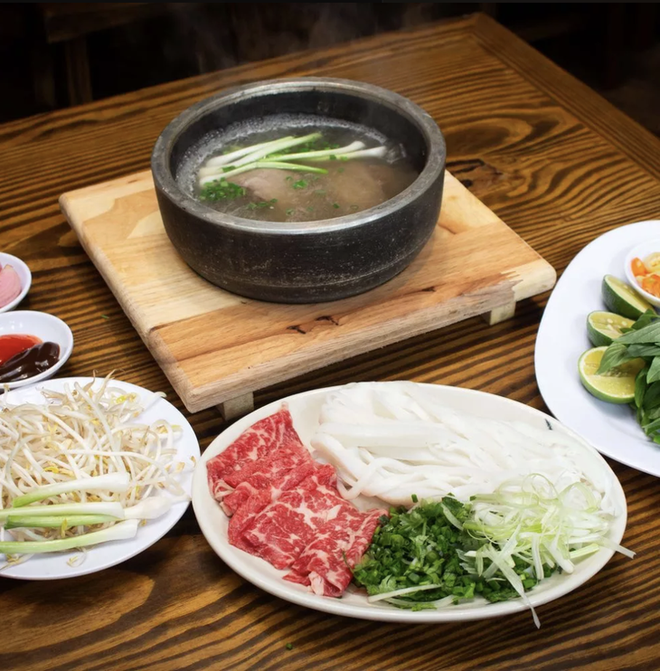
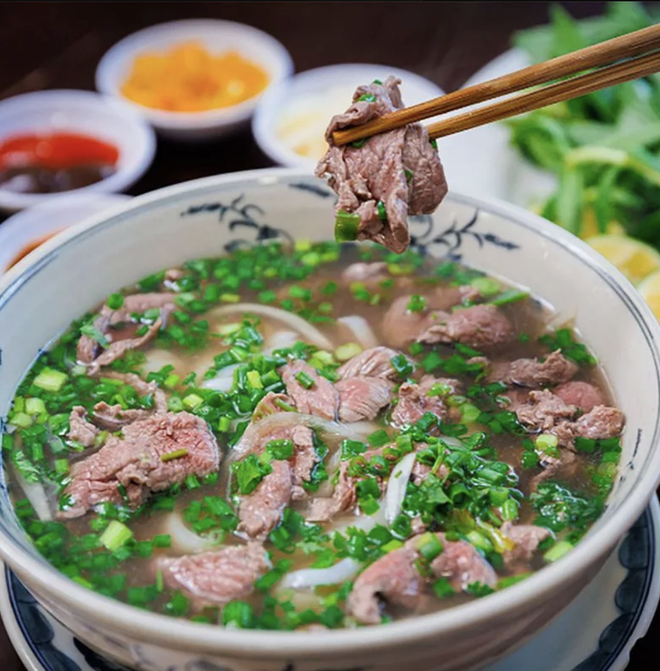
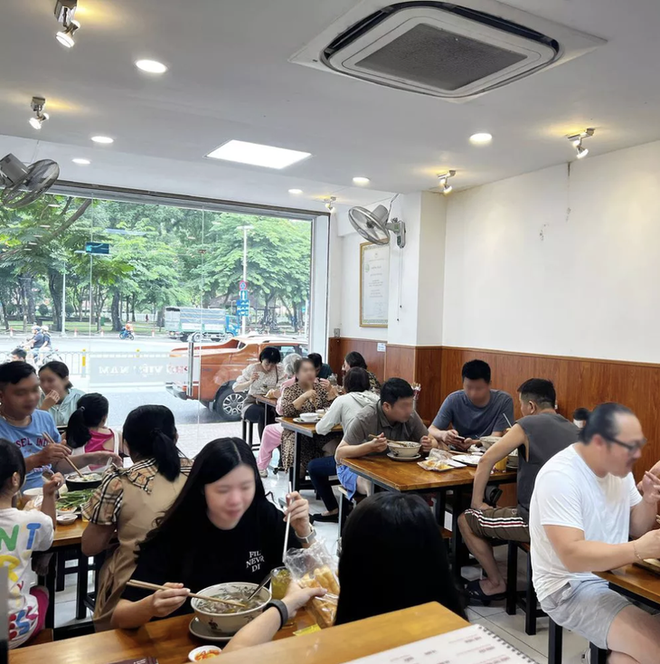
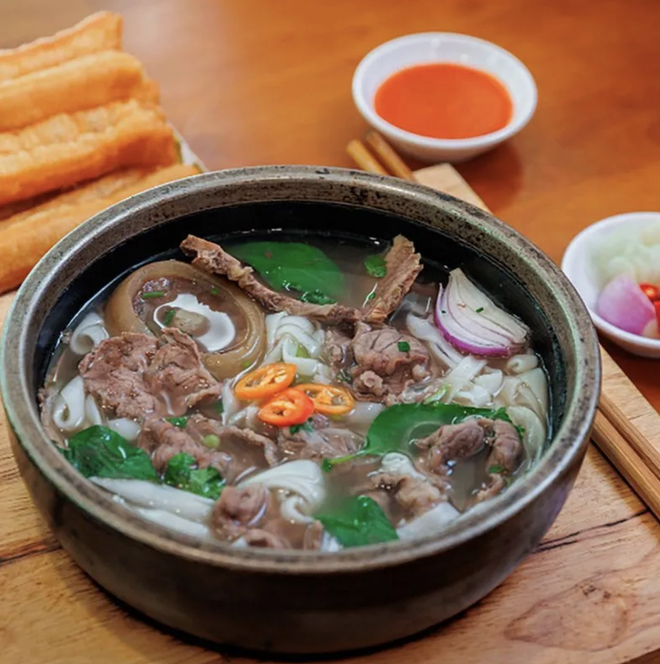
Pho is among Vietnam’s most internationally recognized dishes. Photo: Michelin
Sam Tran, one of the two co-founders of Gia restaurant, which has maintained its one-star Michelin status for four consecutive years, said she does not believe Vietnamese cuisine is 'stuck' at the one-star level.
Instead, she sees the industry as being in a foundational stage that will support greater achievements in the future.
She recalled that when Michelin first entered Vietnam, many people viewed it as a competition or a milestone to conquer.
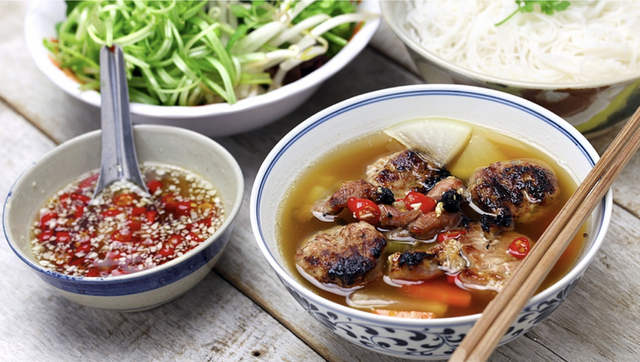
'Bun cha' is one of Vietnam’s best-known traditional dishes. Photo: Michelin
Over time, however, chefs and restaurateurs have increasingly regarded Michelin as an international benchmark that helps them understand their position and identify the values worth preserving and developing.
“A Michelin star is always a meaningful recognition, but the greater value lies in gradually building a strong contemporary Vietnamese culinary identity that the world can see, remember, and admire,” Tran said.
Multiple pathways to global recognition
Both Sam Tran and Hoang Tung pointed to Vietnam’s significant culinary potential and stressed that Michelin is only one avenue for introducing Vietnamese cuisine to the world.
Other important channels include tourism, international restaurant chains, brand exports, digital media, and the positive experiences of travelers visiting Vietnam.
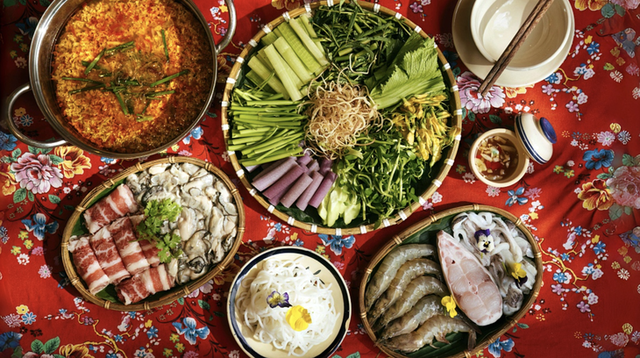
Hotpot remains a favorite dining choice among Vietnamese people. Photo: Michelin
According to Tung, success requires more than serving delicious food. Businesses must also build strong brands and tell compelling stories that resonate with global audiences.
He added that world-class restaurants depend not only on cooking skills but also on maintaining exceptional consistency, sustaining creativity, pursuing long-term visions, and making serious investments over many years.
Pham Ha, CEO of LuxGroup, said Vietnam should follow its own path rather than replicate the models of other countries.
He argued that Vietnamese cuisine’s greatest strengths lie in its balance, health-conscious approach, fresh ingredients, and strong sense of community, all of which align with current global consumer trends.
Ha proposed three strategic directions for building Vietnam’s culinary brand: preserving and celebrating authentic culinary values, elevating Vietnamese cuisine into a comprehensive cultural experience, and strengthening the connection between food and tourism.
“The future of Vietnamese cuisine does not depend solely on Michelin stars. It lies in transforming Vietnam into one of the world’s leading culinary destinations,” he said.








Max: 1500 characters
There are no comments yet. Be the first to comment.