



Late artists Thanh Nga and Thanh Sang appear in AI-restored images from the cai luong classic Tieng Trong Me Linh, a work celebrating patriotism and the defense of national sovereignty. Photo: HTVC
A centuries-old artifact can now be scanned in 3D, integrated into a virtual museum, and viewed from anywhere on Earth. Traditional performances can be recorded, archived, and streamed far beyond the village courtyards where they were born.
Yet as Vietnam accelerates the digitization of its cultural heritage, developing digital museums, libraries, and public databases, an urgent question looms over the initiative: Where does this data live, and who ultimately controls it?
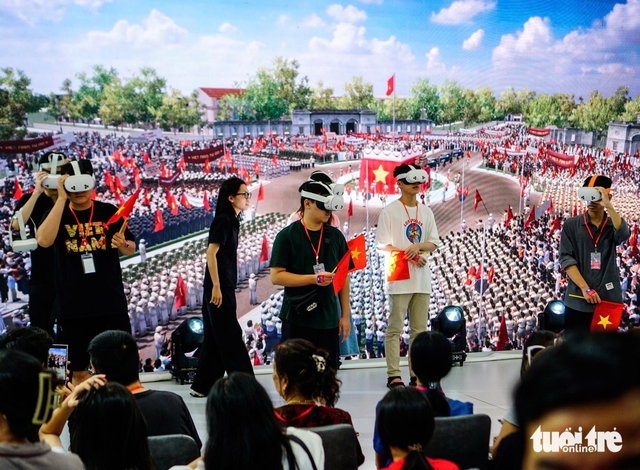
Young people experienced the stirring atmosphere of Vietnam’s National Day on September 2, 1945 through immersive technology. Photo: Nguyen Hien
The sovereignty paradox: High-tech culture on foreign clouds
At its Q1 2026 press briefing, the Ministry of Culture, Sports and Tourism outlined an ambitious plan to build a national cultural data ecosystem.
The initiative encompasses digitized heritage, interactive platforms, and digital maps designed to expand public access to the nation’s cultural assets.
However, a critical vulnerability remains beneath the surface. While Vietnam is successfully converting physical artifacts and performances into 3D models and digital files, the underlying data, management software, and storage infrastructure remain heavily reliant on foreign cloud giants such as Amazon Web Services, Google Cloud, Microsoft Azure, and Alibaba Cloud.
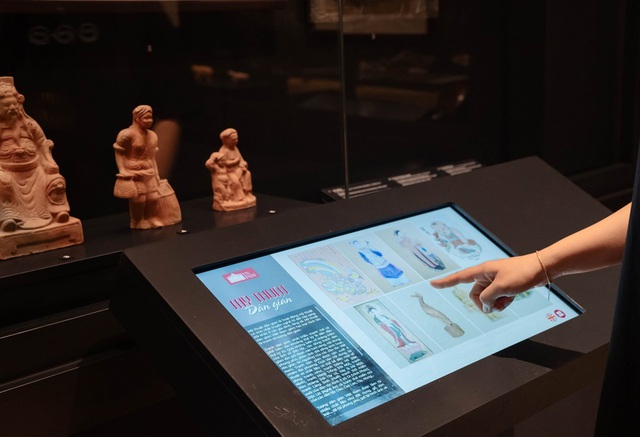
The Applied Arts and Folk Arts Exhibition Space at the Vietnam National Museum of Fine Arts provides visitors with information and displays on Vietnam’s applied and folk arts. Photo: Organizers
According to cybersecurity expert Ngo Minh Hieu, widely known as Hieu PC, this dependence exposes the country to platform lockouts, unexpected price hikes, service disruptions, and a loss of governance over how cultural assets are used.
Heritage data is not merely commercial or technical information; it forms part of a country’s digital sovereignty and collective memory that must be protected as a strategic national asset.
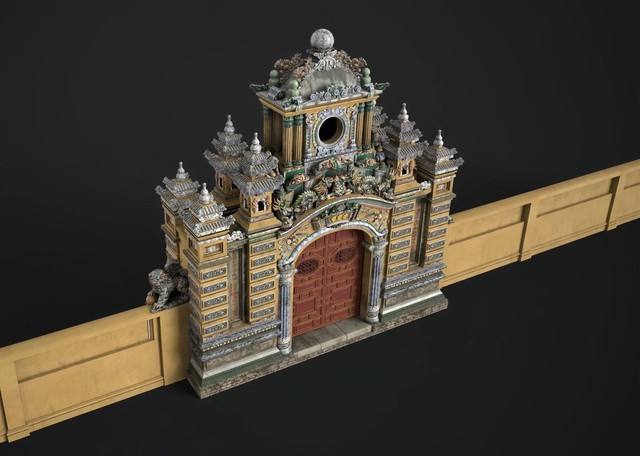
A digitized image of the gate at An Dinh Palace in Hue. Photo: 3Dart
The risks also extend to fragmented, informal preservation.
Tran Huu Nhan, a data and artificial intelligence expert at Aptech, warned that valuable cultural materials are often scattered across personal accounts on global platforms, where they risk disappearing overnight if an account is locked, an owner passes away, or a platform shuts down.
Furthermore, Nhan cautioned against contextless digitization—saving high-resolution images of artifacts without preserving their historical background or living cultural practice.
Without those deeper layers of information, Vietnam risks saving the physical image of its heritage while losing its soul.

From left: Data and AI expert Tran Huu Nhan and cybersecurity expert Hieu PC. Photo: Courtesy of the individuals
Autonomy, not isolation
Vietnam is not alone in grappling with cloud dependence, as governments worldwide attempt to balance global technological integration with national security.
The European Union recently launched the European Tech Sovereignty Package to develop independent cloud solutions and secure autonomy in critical software.
China has taken an even stricter approach through its Cybersecurity, Data Security, and Personal Information Protection Laws, requiring all core cultural and heritage data to be stored domestically under state security reviews before any cross-border transfer occurs.
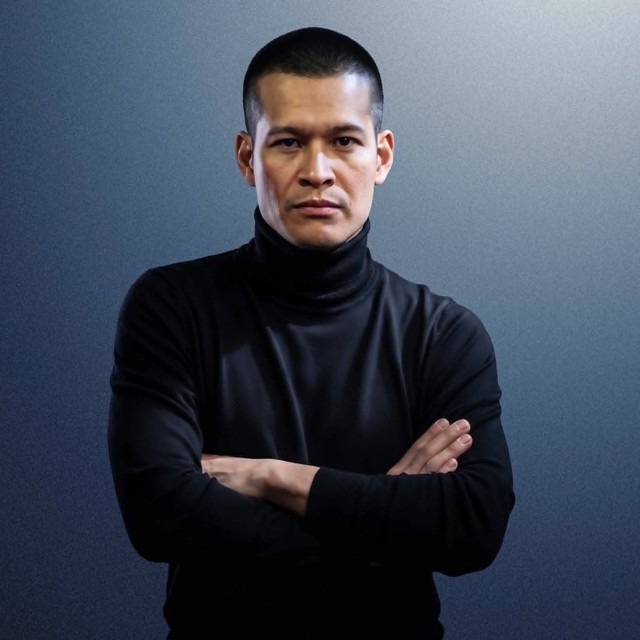
Director Viet Tu. Photo: Courtesy of the individual
Vietnam is laying its own regulatory foundation through Decree No. 277, which aims to bolster heritage digitization, expand public access, and reinforce national digital sovereignty.
To operationalize this policy, Hieu recommends building a centralized national cultural data repository hosted on domestic infrastructure. This system should utilize open standards, robust encryption, multi-site backups, and strict data-export interoperability to prevent lock-in by any single vendor.
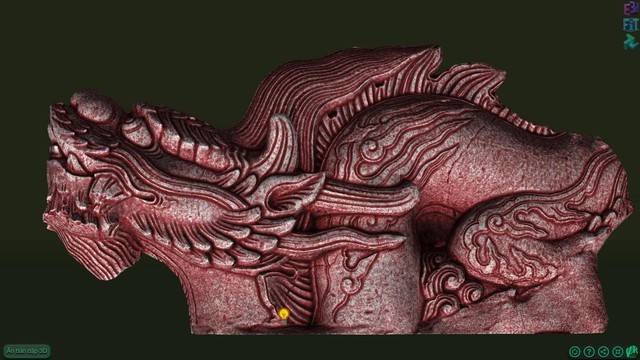
Some digitized images of cultural heritage. Photo: VR3D
Nhan added that global platforms operating within Vietnam must offer greater transparency regarding how their algorithms distribute local content.
Crucially, he stressed that digital sovereignty does not mean building a digital firewall around Vietnamese culture.
The goal is to continue exchanging, learning, and creating with the rest of the world, but from a position of strength and initiative.
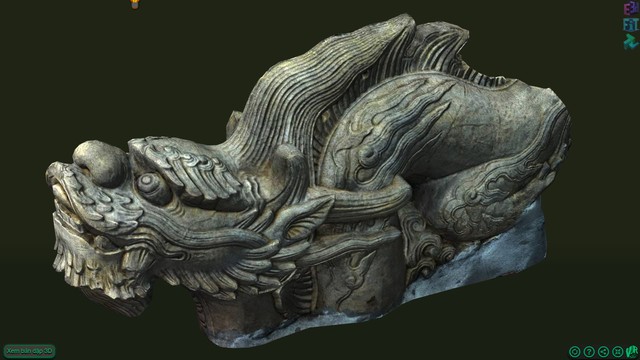
Some digitized images of cultural heritage. Photo: VR3D
Beyond servers: making heritage competitive
Protecting Vietnam’s cultural footprint online requires more than server farms and regulatory filters.
Hieu pointed out that while artificial intelligence can assist in content moderation, it must be paired with human cultural experts, transparent appeal processes, and platform accountability.
More importantly, domestic digital offerings must be compelling enough to win over audiences naturally, as technology should help spread Vietnamese culture rather than deciding on the nation's behalf which cultures get seen.
Renowned director Viet Tu believes Vietnam needs a coordinated, multi-tiered strategy uniting the government, tech companies, and the creative sector. A top priority is reducing the dominance of foreign intellectual property by cultivating homegrown stories, characters, and formats.
Vietnam can draw valuable lessons from regional peers that have successfully merged culture with technology.
South Korea, for instance, recently announced a $108 million Cultural Value Development Fund specifically focused on merging artificial intelligence, heritage digitization, and intellectual property.
Meanwhile, China has taken a state-led approach to digital cultural tourism, transforming heritage sites like Beijing's Palace Museum into interactive virtual reality experiences and short-form video content that generate long-term commercial value.
Viet Tu argues that Vietnam should pursue a similar "Culture Plus Technology" model, pairing big data, cloud computing, and AI with traditional sectors like museums and the performing arts.
Ultimately, defending digital cultural sovereignty will require more than technical safeguards and government decrees.
Its success will depend on whether Vietnam can transform its rich heritage into dynamic, engaging digital experiences that modern audiences actively choose to explore.









Max: 1500 characters
There are no comments yet. Be the first to comment.