



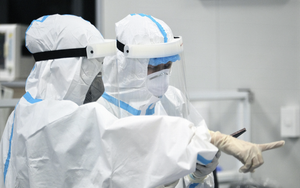
Illustrative Image
The ministry reported on the new variant, PJ.2.1, after the WHO released an initial risk assessment on November 19, classifying it as a variant under monitoring.
According to the WHO, the proportion of PJ.2.1 in reported sequencing samples has increased in some countries. However, there is currently no evidence that it causes more severe illness or spreads more easily between people. WHO assesses the global public health risk posed by the variant as low, although with low confidence.
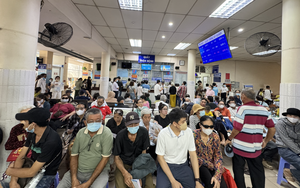
The ministry’s Department of Preventive Medicines advised the public not to be complacent or alarmed. It warned that changing weather conditions and increased travel, social gatherings and crowded events during the winter-spring period, particularly around the year-end and Lunar New Year festival, could increase the risk of respiratory infections, including COVID-19, especially in enclosed, crowded and poorly ventilated spaces.
Older adults, pregnant women, people with underlying conditions or weakened immunity, and those taking immunosuppressants should take extra precautions and seek medical advice promptly if symptoms develop.
The department advised wearing masks in healthcare facilities, on public transport and in crowded or poorly ventilated areas, washing hands regularly and ensuring good ventilation. People with respiratory symptoms should wear masks and limit contact with others.
Those with fever, cough, sore throat, runny nose or fatigue should seek medical advice rather than self-medicate. Anyone experiencing shortness of breath, persistent chest pain, altered consciousness or worsening symptoms should seek immediate medical attention.
The ministry stressed that the WHO's classification of PJ.2.1 as a variant under monitoring is part of routine surveillance to detect and assess changes in the virus.


Max: 1500 characters
There are no comments yet. Be the first to comment.