


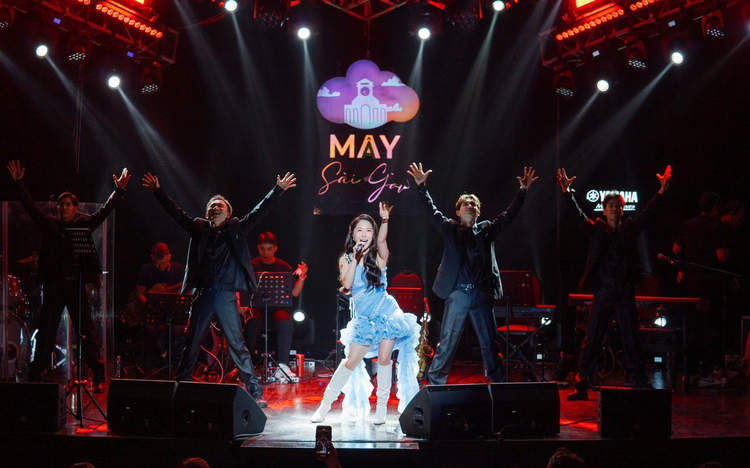
May Sai Gon obtained permission to organize performances but later recorded, edited, and reproduced the content into multiple musical works before uploading them to YouTube through BH Media without authorization from copyright holders, constituting copyright infringement. Photo: May Sai Gon
Alongside recent actions against illegal movie, music, and gaming websites with high traffic, the Ministry of Public Security’s investigative agency has also prosecuted multiple copyright-related cases involving well-known names such as BH Media, Lululola Entertainment, May Sai Gon, 1900 Group, and Giong Ca De Doi, drawing significant public attention.
These are considered the strongest enforcement actions to date and suggest that copyright protection in Vietnam is entering a new phase.
Trinh Hoan, a producer at HKFilm, said copyright infringement involving films and other digital content has become widespread and highly organized online, directly affecting production and distribution companies.
According to him, violations go beyond illegal uploads to pirate websites and include activities such as unauthorized recordings inside cinemas and unauthorized live streams on social media platforms.
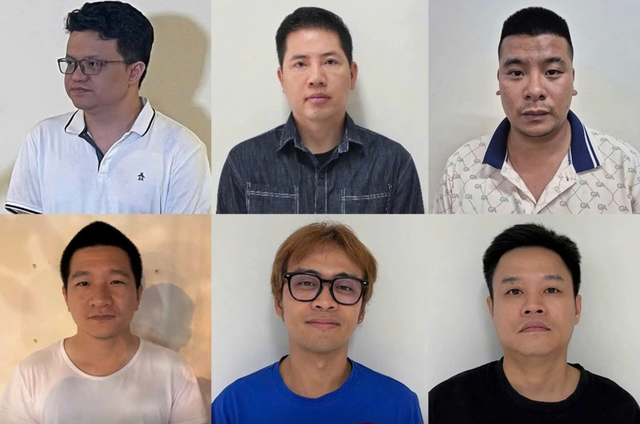
The owners of BH Media, May Sai Gon, Lululola, 1900 Group, and Giong Ca De Doi have been prosecuted. Photo: Ministry of Public Security
Although distributors have teams dedicated to detecting and removing pirated content, Hoan said takedown efforts remain only temporary solutions and lack sufficient deterrent effect.
He added that piracy continues partly because many viewers are unwilling to pay for original content and instead wait for free illegal versions online.
“Copyright infringement not only causes economic losses, but also distorts consumer behavior and negatively affects audiences’ viewing experiences,” the HKFilm representative said.
“More importantly, it creates a non-transparent market with weak copyright protection, making foreign partners hesitant to cooperate with or bring products into Vietnam.”

Lululola, a Vietnamese entertainment and live music brand, was warned over copyright infringement violations. Photo: Lululola
Hoan said the shift from mainly administrative penalties to criminal prosecution marks a turning point that he strongly supports, demonstrating that intellectual property violations will face severe punishment.
He added that the crackdown serves not only as a warning to violators but also as a wake-up call for users, encouraging more responsible and civilized behavior as Vietnam seeks to develop its cultural industries.
Over the past few years, many businesses in Vietnam have relied heavily on music-related content. Some still believed that casually covering songs did not require permission.
Vietnam has also seen a generation of content creators grow up alongside TikTok, YouTube Shorts, CapCut templates, fancams, and meme culture, where many have become accustomed to treating online content as freely reusable material.
However, the line between casual use and commercial exploitation has become increasingly narrow as the digital content economy expands.
When music in a video helps generate sales, advertising revenue, or platform income, questions about sharing benefits with copyright owners inevitably arise.
Chau Le, CEO of Bamboo Artist Agency, said many violators genuinely do not realize they are infringing copyright.
He explained that Internet culture operates on a logic of sharing, while copyright law is based on ownership.
A single song may involve multiple layers of rights, including songwriting rights, recording rights, performance rights, and commercial usage rights.
Simply obtaining verbal consent from an artist may not be legally sufficient.
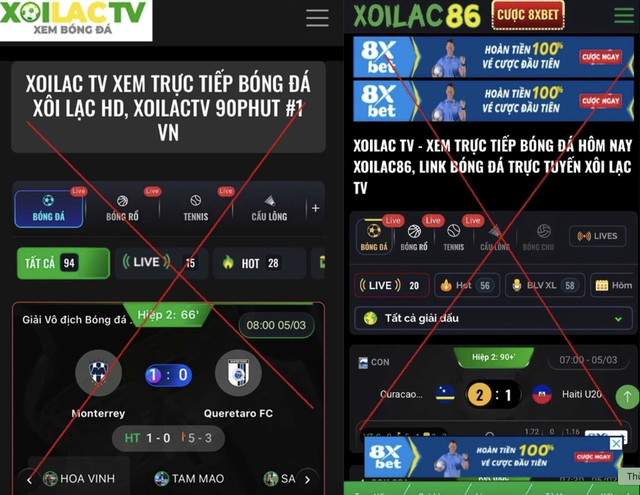
The Xoi Lac TV streaming network was dismantled in March 2026. Photo: Supplied
The cases involving BH Media, May Sai Gon, Lululola, 1900 Group, and Giong Ca De Doi highlight how intellectual property has been commercially exploited through ticket sales, sponsorships, YouTube advertising revenue, and digital platforms.
In the case of May Sai Gon, a report broadcast on VTV1 on May 16 cited investigators as saying that although the company had obtained permission to organize performances, it later recorded, edited, copied, and uploaded musical works to YouTube through BH Media without authorization from copyright holders.
Nguyen Trung Truong Huy, one of May Sai Gon’s representatives, admitted he had been unclear about copyright rules, saying the misunderstanding had cost the company dearly.
The incident has become a warning to the entertainment industry, where the practice of using others’ content to attract audiences and generate profit without fulfilling copyright obligations is gradually coming to an end.
New phase of intellectual property protection
Lawyer Phan Vu Tuan, head of Phan Law Vietnam, said the recent prosecutions show that intellectual property protection in Vietnam has entered a stricter and more substantive phase.
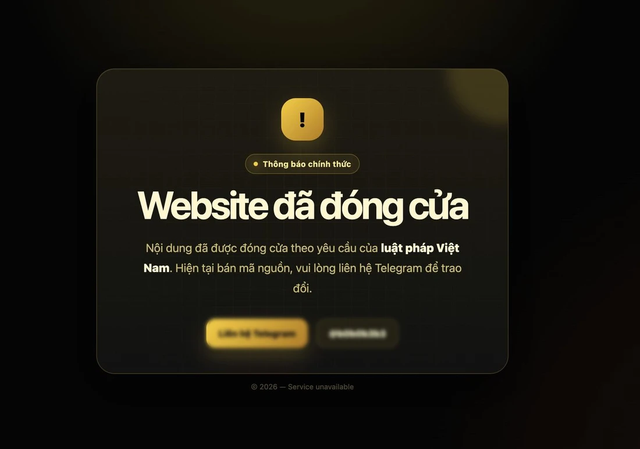
A series of illegal movie websites shut down following Prime Minister’s Official Dispatch No. 38, which directs intensified nationwide efforts to prevent and strictly handle intellectual property infringement.
“The message from authorities is very clear: intellectual property is a legitimate asset and will be protected through corresponding legal mechanisms, including administrative, civil, and criminal sanctions,” he said.
According to Tuan, activities such as re-uploading copyrighted content, remixing recordings, organizing cover performances without permission, or using copyrighted background music in videos were previously widespread and difficult to control.
However, he said the situation has changed significantly as copyright owners have become more proactive in protecting their rights and digital platforms have developed stronger content-identification and data management systems.
Platforms such as YouTube, TikTok, and Facebook now apply increasingly strict copyright detection and tracking mechanisms, making unauthorized use of copyrighted works harder to conceal.
Tuan noted that criminal prosecution is now a real possibility for violations involving commercial exploitation, illegal profits, or serious damages.
He warned that businesses operating in entertainment and digital content should treat copyright compliance as part of legal risk management because intellectual property violations can damage brand reputation, harm business partnerships, limit digital platform access, and even lead to criminal liability.
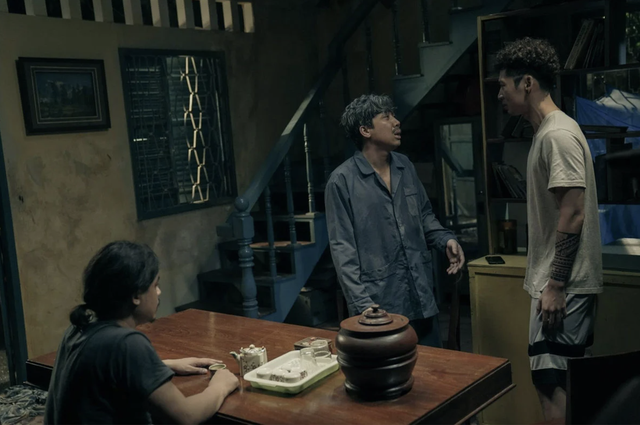
Drama 'Bo Gia' (Dad, I’m Sorry) by Tran Thanh, after being released on paid streaming platform Galaxy Play, was illegally copied and distributed by multiple pirate movie websites. Within less than 24 hours, Galaxy Play detected more than 10 pirated links hosting the film on domains including phimgiz, fullphimmoi, bilutvs, phimmoii, and zingtvs. Photo: Producer
According to him, Vietnam’s creative industries can only develop sustainably if they are built on respect for intellectual property rights.
“No one will seriously invest in creative activities if their work can be exploited illegally without effective protection,” he said.
“To properly develop Vietnam’s cultural industries, the mindset of using intellectual property for free must come to an end.”
Speaking on VTV1 on May 16, Lieutenant Colonel Le Thanh Quan from the Ministry of Public Security’s Department for Corruption, Smuggling and Economic Crimes, said authorities would take tough action against all violations in the rapidly expanding digital environment, with “no forbidden zones and no exceptions.”
Tuan also advised producers, artists, and content creators to prioritize compliance with intellectual property laws before commercial exploitation.
He stressed that the mindset of “use first, ask for permission later” must be abandoned because once infringement occurs, legal consequences already exist.
Removing content or apologizing afterward does not eliminate legal responsibility, while crediting authors alone cannot replace the legal obligation to obtain permission or pay royalties.








Max: 1500 characters
There are no comments yet. Be the first to comment.