


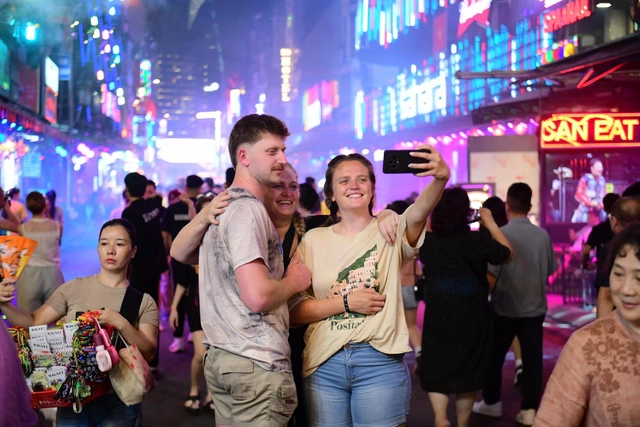
Tourists enjoy nightlife in Ho Chi Minh City. Photo: Quang Dinh / Tuoi Tre
Editor’s note: This commentary was provided by Mai Nguyen Hoang Nam, chairman of NGROUP Corporation, in an interview with Tuoi Tre (Youth) newspaper.
It has been translated from Vietnamese and edited by Tuoi Tre News for clarity and coherence.
Seen from global cities like Seoul, Tokyo, Copenhagen, or Bangkok, the lifestyle economy is inseparable from the urban landscape.
Art districts, local design stores, and creative hubs all help define a city’s cultural character and aesthetic identity.
Worldwide, consumption is shifting from products to experiences.
That’s why brands like Lululemon, Muji, Gentle Monster, or %Arabica can scale across continents: they sell a way of life, not just goods.
In Vietnam, especially in Ho Chi Minh City, the surge of lifestyle businesses reflects the same desire for more diverse, spiritually enriching experiences.
Beautiful cafés, niche studios, and ceramic or candle workshops attract young urbanites looking to reset their pace of life.
Yet Ho Chi Minh City’s starting point differs sharply from the cities it hopes to emulate.
Vietnam’s middle class is still relatively small; transit infrastructure and public space aren’t yet built for a lifestyle-based city; and tourism, a major economic engine for global lifestyle models, remains too weak to serve as a reliable foundation.
A deeper look shows the gap isn’t just economic scale, but cultural depth.
Seoul has K-pop, K-drama, and a global K-aesthetic driving its lifestyle sectors.
Tokyo’s centuries-old design culture shapes wabi-sabi [a Japanese aesthetic concept that finds beauty in imperfection, impermanence, and incompleteness] and the spirit of omotenashi [a Japanese concept of selfless, heartfelt hospitality that involves anticipating a guest's needs with meticulous attention to detail].
Copenhagen’s hygge influences everything from architecture to consumer behavior.
These cities don’t build lifestyle industries on aesthetics alone; they anchor them in culture.
Vietnam’s current models, by contrast, are often heavily influenced by Korean and Japanese trends, diluting local identity.
For Ho Chi Minh City, this sets a high bar if it hopes to treat lifestyle as a strategic advantage.
A megacity can’t export culture without its own distinctive narrative and philosophy of life, which leads to a key question: Can technology, particularly AI, help fill these gaps?
How AI can support a lifestyle economy
As urban economies shift rapidly and consumer tastes change even faster, AI is becoming a crucial tool for lifestyle businesses.
In Ho Chi Minh City, where most businesses are small, rents are high, and risks are constant, AI can function like a flexible backbone that helps models survive.
Globally, AI is driving extreme personalization.
In the U.S., boutique fitness brands use AI body scans to recommend workouts.
In South Korea, major cosmetics companies use AI skin diagnostics to tailor care routines.
In Singapore, retailers deploy AI to study customer movement patterns and optimize store layouts.
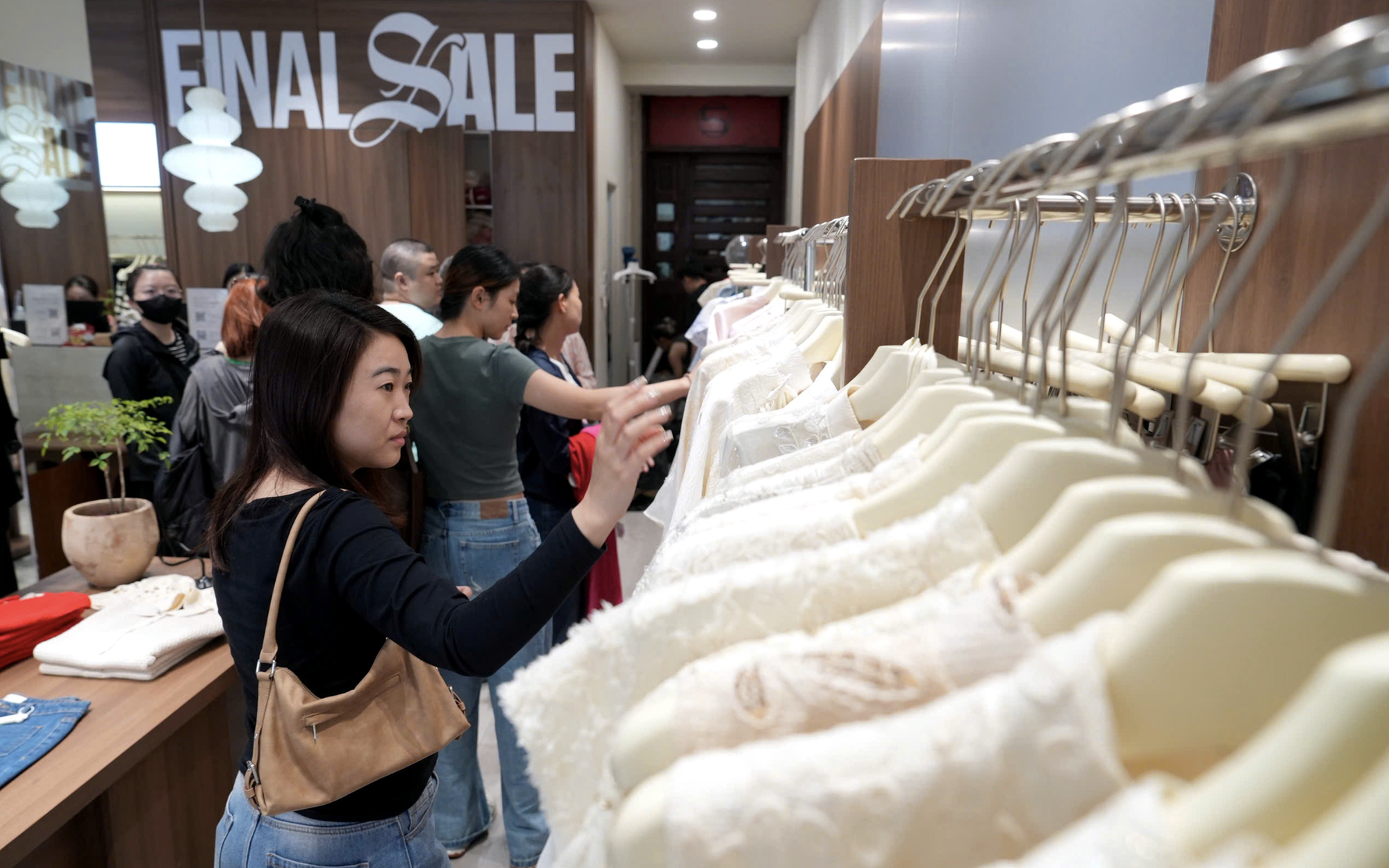
AI has also become a lifeline for marketing, a function that is arguably the make-or-break factor for lifestyle businesses in Ho Chi Minh City.
Instead of relying on large creative teams, entrepreneurs can use AI to brainstorm content ideas, generate viral videos, write captions, build campaign plans, or create immersive virtual spaces.
But AI cannot solve the biggest challenge of all: sustainability.
It can lower costs, improve experiences, and widen customer reach; but it cannot create identity, the foundation of any cultural economy.
Overreliance on AI risks producing slick but soulless concepts that ignore cultural depth.
AI can strengthen a lifestyle ecosystem, but it is not a magic wand.
Lifestyle isn’t a silver bullet
Lifestyle models may be visually appealing, but they come with high economic risk.
They cannot form the economic backbone of a city of more than 10 million people.
A metropolis cannot depend on cafés, décor shops, or curated micro-experiences.
These businesses have low margins, limited productivity, and minimal industrial or export value.
Nor can it depend on branded real estate projects accessible only to a small portion of residents.
Still, lifestyle plays an essential role: shaping the city’s image, enhancing livability, supporting consumption, attracting young professionals, fueling the creative sector, and giving the city its emotional texture.
Lifestyle is the cultural ‘front end’ of an urban system. It is not the engine, but the energy.
The real question for Ho Chi Minh City is not whether to develop lifestyle industries, but where to place them within the larger urban strategy.
The right approach is to treat lifestyle as the city’s cultural and aesthetic interface, while the true pillars remain technology, logistics, finance, high-quality services, import–export, and innovation.
When these pillars are strong, lifestyle can grow on top of a stable economic base.
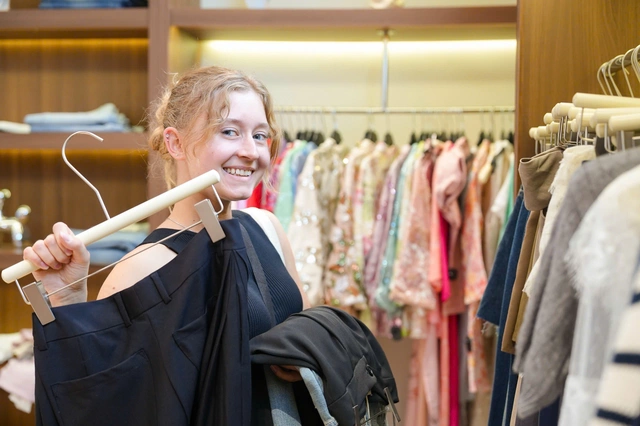
An international visitor shops for Vietnamese fashion in Ho Chi Minh City. Photo: Huu Hanh / Tuoi Tre
Exporting culture through a distinctive lifestyle
If lifestyle can’t be a core economic engine, can it become a cultural export?
Many countries have done this.
South Korea exports Hallyu; China exports Guochao; Bangkok exports street food culture and night markets; Bali exports a meditative, nature-centered way of living.
In every case, the lifestyle isn’t merely attractive. It’s original and deeply rooted in local culture.
Can Ho Chi Minh City achieve this? Yes, but only with conditions.
The city’s lifestyle must have a clear cultural signature: the open, improvisational, East-meets-West spirit of Saigon; its fast yet warm energy; and its distinctly urban street character.
If these qualities are distilled into design, cuisine, crafts, décor, cafés, or service models, Ho Chi Minh City can create products that feel unmistakably its own.
Potential directions could include Saigon Retro, Tropical Modernism, or lifestyle products that celebrate Vietnamese materials, such as ceramics, bamboo, lacquer, and natural wood, reimagined through a contemporary urban lens.
With thoughtful packaging and storytelling through media, art, music, and tourism, these can become experiences international visitors seek out and take home.
It’s no coincidence that what many tourists remember about Ho Chi Minh City are sidewalk cafés, lively street corners, cultural fusion, and an unmistakable energy.
These elements can become raw materials for cultural export if developed intentionally.
But success requires a real ecosystem, not trends.
Cultural identity must grow from within, not through imitation.
The city needs capable businesses that can standardize products, expand chains, and bring Vietnamese identity abroad.
It also requires cross-industry collaboration, bringing together art, design, food, technology, and marketing to achieve a lasting impact.
A lifestyle you can recognize at a glance
To export culture successfully, Ho Chi Minh City’s lifestyle must serve as a visual and emotional ‘language’ that immediately signals, “This is Saigon.”
Achieving that will require AI tools, digital platforms, strong communication capabilities, and solid urban economic pillars working together.
The lifestyle economy won’t solve every development challenge.
But if embedded properly into cultural planning, innovation strategy, and tourism, it can become a unique asset and even an export.
Ho Chi Minh City now faces a rare choice: evolve into a lifestyle city with depth and personality, or fall into a cycle of imitation and fast obsolescence.
The answer lies in treating lifestyle as part of a broader cultural–technological–urban strategy, not as a fleeting trend.
Only then can the lifestyle economy do more than beautify the city.
It can help tell a story about Saigon that the world actually wants to hear.








Max: 1500 characters
There are no comments yet. Be the first to comment.