


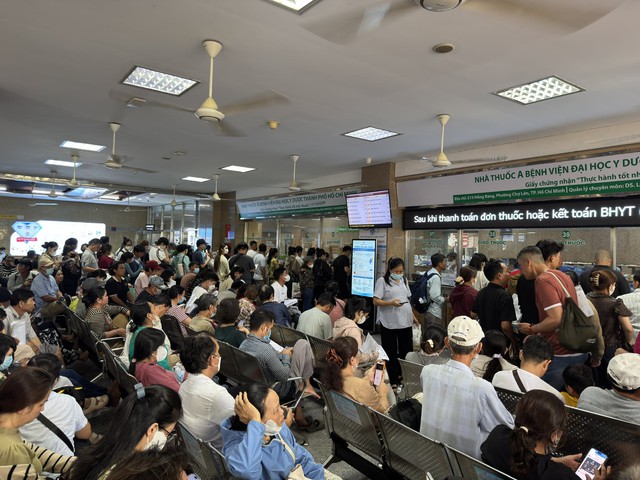
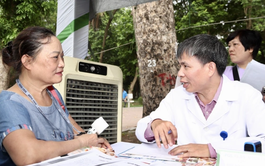
Ho Chi Minh City residents undergo health checkups at a hospital. Photo: Thu Hien / Tuoi Tre
As of October 10, the citywide health screening program in Ho Chi Minh City had recorded 6,005,268 medical visits, with more than 5,374,882 residents having electronic health records.
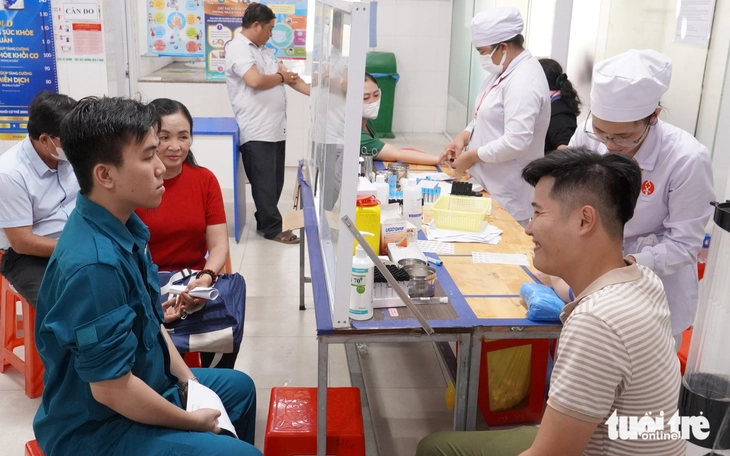
Chronic diseases are more prominent among people aged 60 and older.
Of the 812,377 recorded cases of disease in this age group, hypertension accounted for 16.17 percent, type 2 diabetes for 5.51 percent, and age-related cataracts for 5.45 percent.
Meanwhile, of the 663,306 people aged 60 and older whose data could be analyzed, 339,371 were recorded as having hypertension, equivalent to 51.16 percent.
The Ho Chi Minh City Department of Health clarified the difference between counting disease cases and counting individual patients.
One person may be recorded as having multiple conditions. For example, someone with both hypertension and diabetes would account for two disease records.
Therefore, the number of disease records may exceed the number of people screened.
The department said it would continue analyzing the data to identify groups of people requiring follow-up and care.
For hypertension, the health sector needs to distinguish between people who have already been diagnosed and are receiving treatment, and those with elevated blood pressure who have not yet been confirmed as having the condition.
This will help guide follow-up examinations and appropriate management.
For people diagnosed with hypertension, priorities include regular blood pressure monitoring, continued treatment, control of risk factors and early detection of cardiovascular, kidney and brain complications.
Commune-, ward- and special zone-level health stations will coordinate with hospitals to monitor residents' health, provide consultations, detect diseases early and manage chronic conditions.
According to the Department of Health, the goal of the citywide health screening program is not merely to count medical visits or recorded diseases, but also to use the data to provide continuous community-based healthcare.
As the data become more comprehensive and are updated continuously, the health sector will have a stronger basis for monitoring and analyzing trends in health issues across the community.
For people who have not been diagnosed with any conditions, screening data will gradually be used to assess and stratify health risks and implement appropriate preventive measures.









Max: 1500 characters
There are no comments yet. Be the first to comment.