A series of suspected food poisoning incidents linked to banh mi has recently raised concerns about food safety in Vietnam, drawing renewed attention to safety practices surrounding one of the country’s most beloved street foods despite such cases being relatively rare.
Banh mi -- a Vietnamese sandwich made with a crispy baguette filled with meats, pate, Vietnamese mayo, vegetables, and sauces -- has become one of Vietnam's most famous street foods enjoyed by both locals and international visitors.
In just the first days of March, two suspected mass food poisoning cases after banh mi consumption occurred in Hanh Thong and Vung Tau Wards, Ho Chi Minh City, sending about 130 people to hospitals.
The cases come as southern Vietnam enters the hot season, when high temperatures create favorable conditions for bacteria and mold to grow rapidly.
Food left at room temperature for long periods can spoil easily, increasing the risk of foodborne illness.
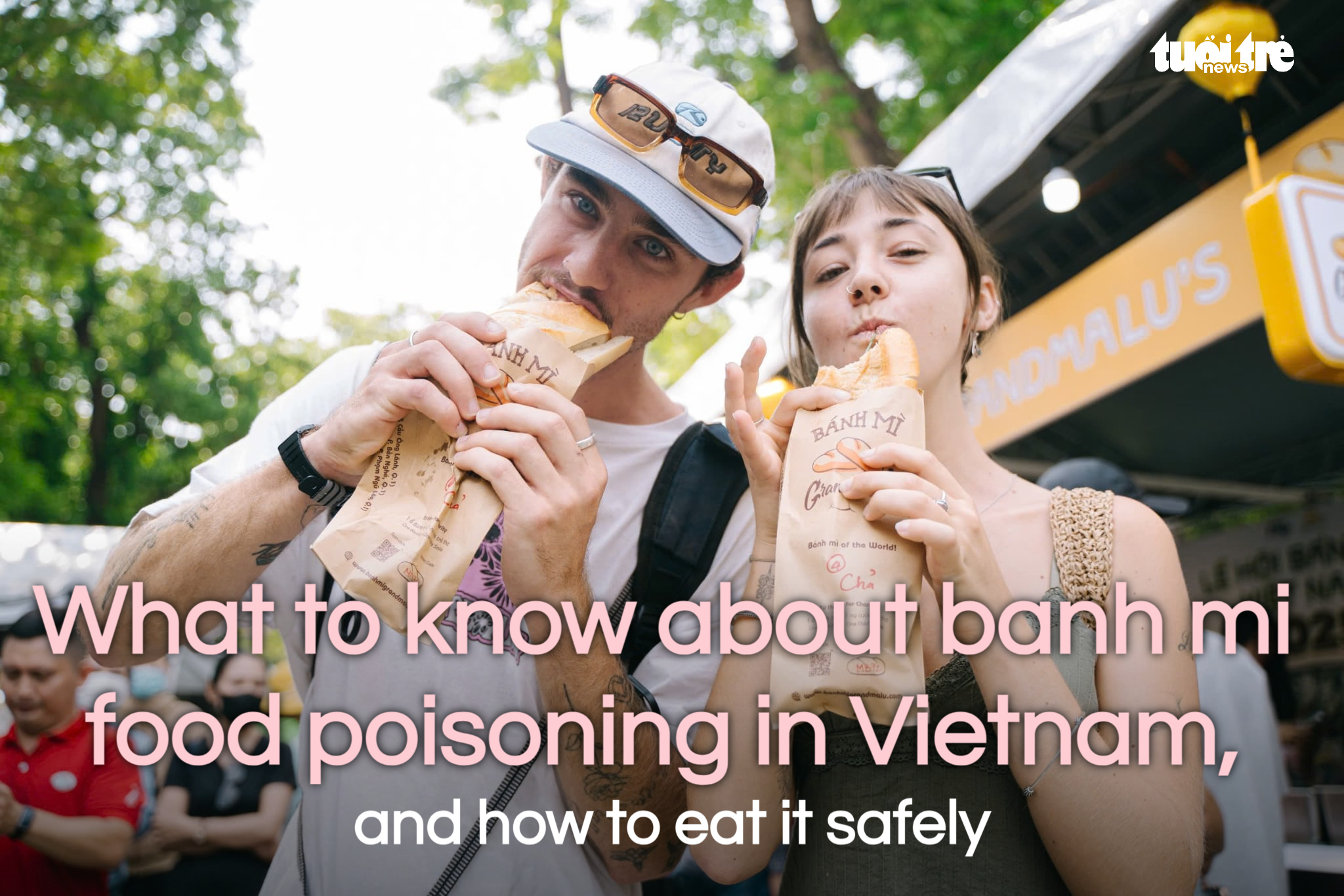
Vietnamese banh mi is a favorite among international visitors traveling in Vietnam. Photo: Quang Dinh / Tuoi Tre
The causes
Related to the recent banh mi food poisoning incidents, Associate Professor Nguyen Duy Thinh, a former lecturer at the Institute of Biotechnology and Food Technology under the Hanoi University of Science and Technology, said the bread itself is rarely the direct cause in such cases.
The culprit often lies in accompanying ingredients such as pâté, cold cuts, or bo (Vietnamese mayo).
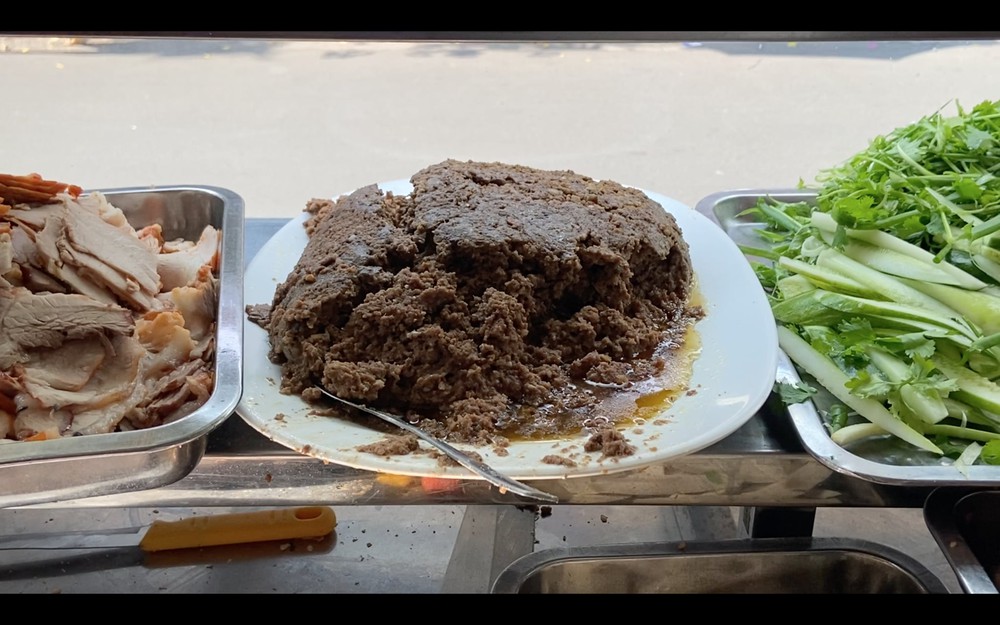
Among these, the highest risk typically comes from homemade pâté produced in large blocks at small retail outlets.
At many banh mi stalls, pâté is prepared in large blocks weighing about 0.5 to 1 kilogram, which are then used gradually.
“This method helps reduce costs and preserve flavor, but because the pâté is not sealed or sterilized, the risk of bacterial contamination is higher,” Thinh said.
“Without proper refrigeration, bacteria can multiply very quickly.”
Pâté is commonly made from pork liver, an organ responsible for filtering toxins in animals, which means it can accumulate certain unwanted substances during the animal’s lifetime.
Besides, bacteria can also enter during processing through vendors’ hands, unclean utensils, or unsanitary market environments before the ingredients are brought to production facilities.
Regarding the causes of food poisoning, Thinh said that common pathogens include bacteria such as Salmonella and E. coli, which can cause symptoms including diarrhea, abdominal pain, nausea, and vomiting.
If the cooking process does not reach sufficiently high temperatures, parasites such as worms that may be present in the liver could also survive.
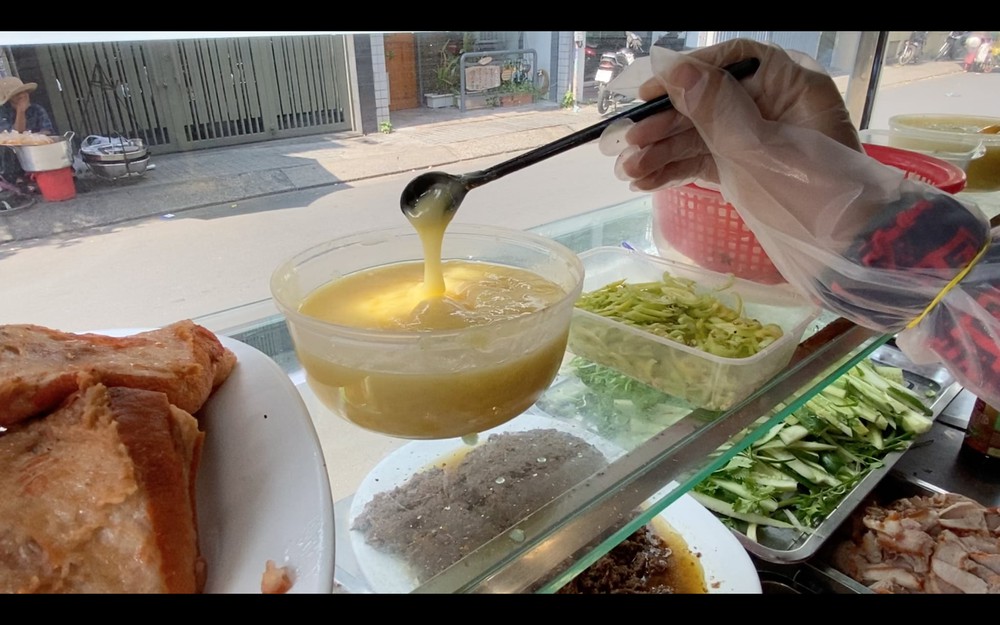
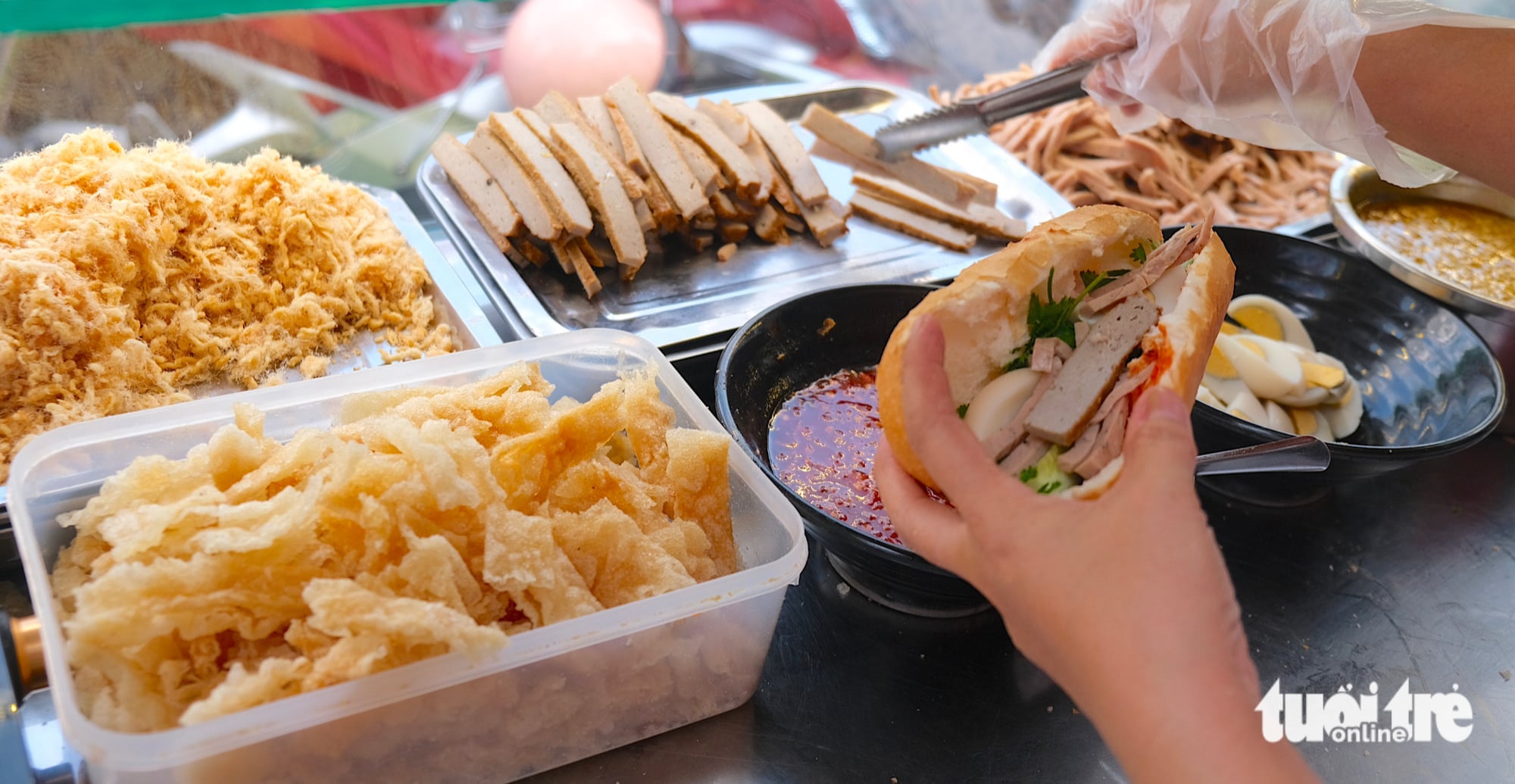
Vietnamese banh mi has a distinctive taste thanks to its homemade pâté and egg-based Vietnamese mayo, though these ingredients can pose food safety risks if not properly prepared or stored. Photo: Linh To / Tuoi Tre News
Meanwhile, Dr. Dang Nam Long from the gastroenterology department at Gia Dinh People’s Hospital in Ho Chi Minh City also said that recent hot weather conditions have made food spoil more easily.
If not stored properly, the risk of food poisoning increases.
In mild cases, the illness may only cause dehydration and electrolyte imbalance.
However, severe cases can lead to widespread infection, even sepsis, and require intensive treatment.
Food poisoning typically stems from two main causes.
The first is food contaminated with bacteria that may grow on food during storage or already exist in the ingredients and produce toxins if the food is not properly washed or thoroughly cooked.
When contaminated food is consumed, the bacteria and their toxins can damage the intestinal lining, leading to infection and food poisoning.
The second cause is poor personal hygiene and unclean eating utensils. Unwashed hands, as well as dirty bowls, chopsticks, or cooking utensils, can introduce bacteria into the body during meals.
In November, following a case in which hundreds of people fell ill after eating banh mi in Ho Chi Minh City, Associate Professor Do Van Dung, a senior lecturer at the Faculty of Public Health at the University of Medicine and Pharmacy at Ho Chi Minh City, said the incubation period for Salmonella typically ranges from half a day to about three days (72 hours).
“The difference in incubation time is due to the varying amount of bacteria entering each person’s body, as well as differences in how quickly the bacteria multiply in the digestive tract, causing some people to show symptoms earlier than others,” Dung said.
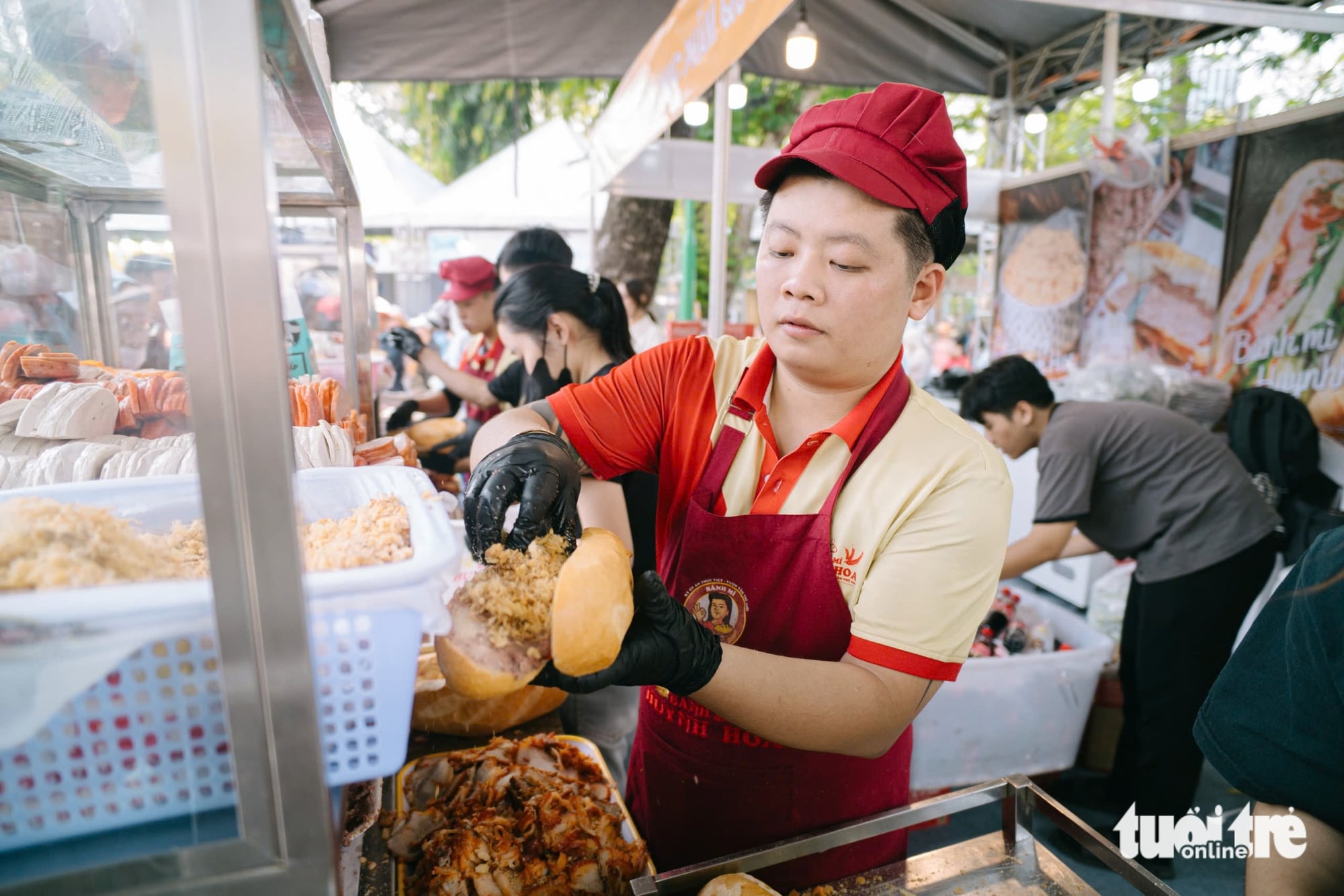
Staff serve banh mi to visitors at the 2025 Vietnam Banh Mi Festival in Ho Chi Minh City. Photo: Thanh Hiep / Tuoi Tre
Food inspections tightened
According to Pham Khanh Phong Lan, director of the Ho Chi Minh City Department of Food Safety, prolonged heat also discourages some people from cooking at home, leading them to buy street food that may not always meet hygiene standards.
Food displayed without proper preservation can further raise the risk of food poisoning.
“The first rule in any situation is to make sure food is thoroughly cooked,” Lan said.
“I do not recommend eating raw or undercooked dishes at this time.
“In hot weather, bacteria multiply extremely quickly. People should not assume they are resistant. Even those who appear healthy can still suffer from food poisoning.”
To reduce food safety risks during the hot season, authorities in Ho Chi Minh City have stepped up inspections and monitoring of food production, processing, and business establishments, particularly collective kitchens, food service providers, and street food vendors.
Associate Professor Thinh said reducing the risk of food poisoning requires coordinated efforts from both authorities and consumers.
Regulators should strengthen food safety training for food businesses and conduct surprise inspections of food preparation conditions, equipment, and staff at sales points.
Epidemiological monitoring and periodic food sampling should also be maintained to detect potential microbial contamination early.
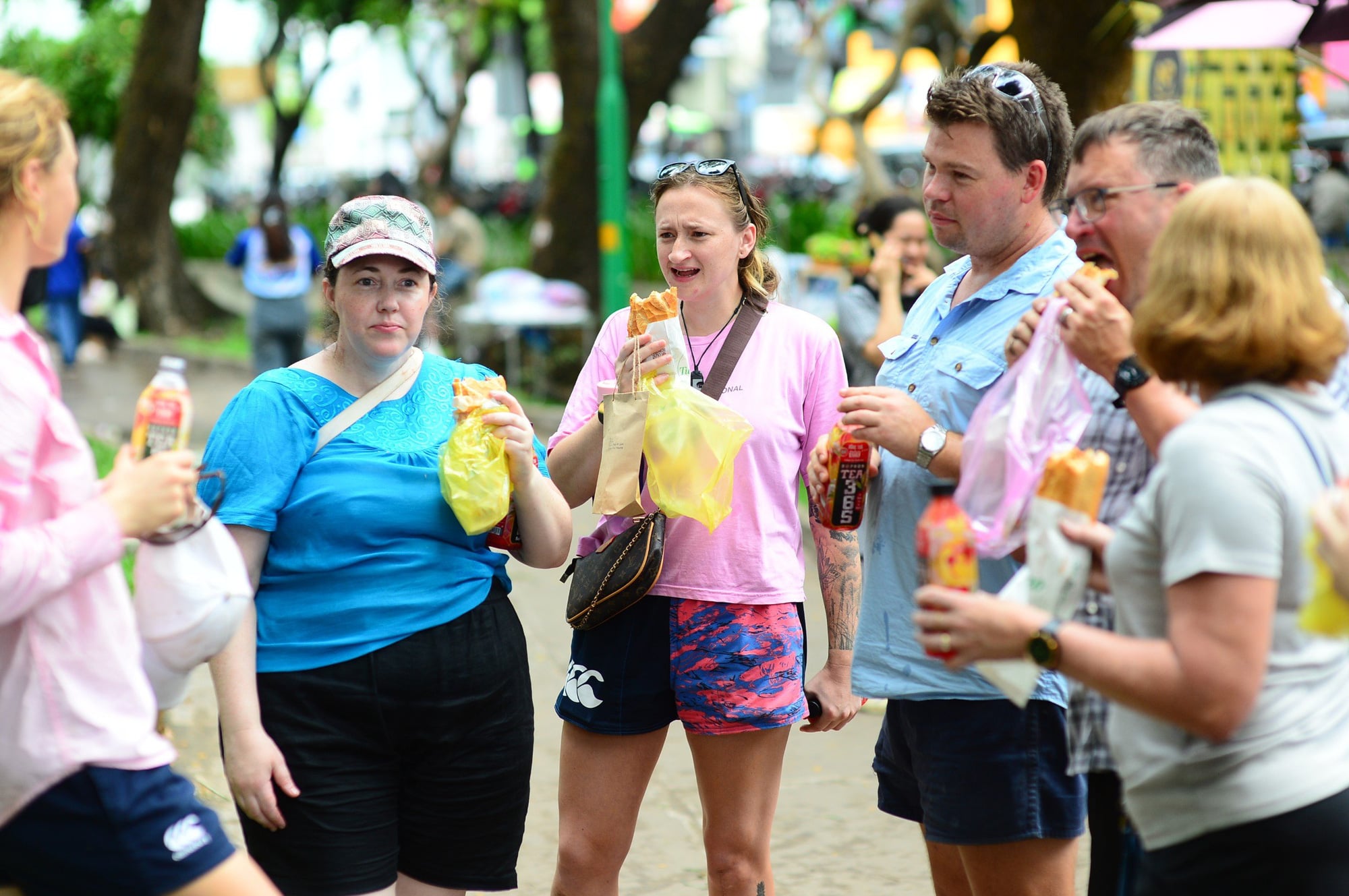
A group of tourists from New Zealand enjoy banh mi at the 2024 Vietnam Banh Mi Festival in Ho Chi Minh City. Photo: Quang Dinh / Tuoi Tre
Doctors’ advices
Consumers, meanwhile, are advised to choose clean and reputable food outlets and avoid buying food from places with poor hygiene conditions, Thinh added.
When eating, they should pay attention to the color and condition of the food and check the smell of pâté or other ingredients in the banh mi before consuming.
If any unusual odor or abnormal sign is detected, the food should not be eaten.
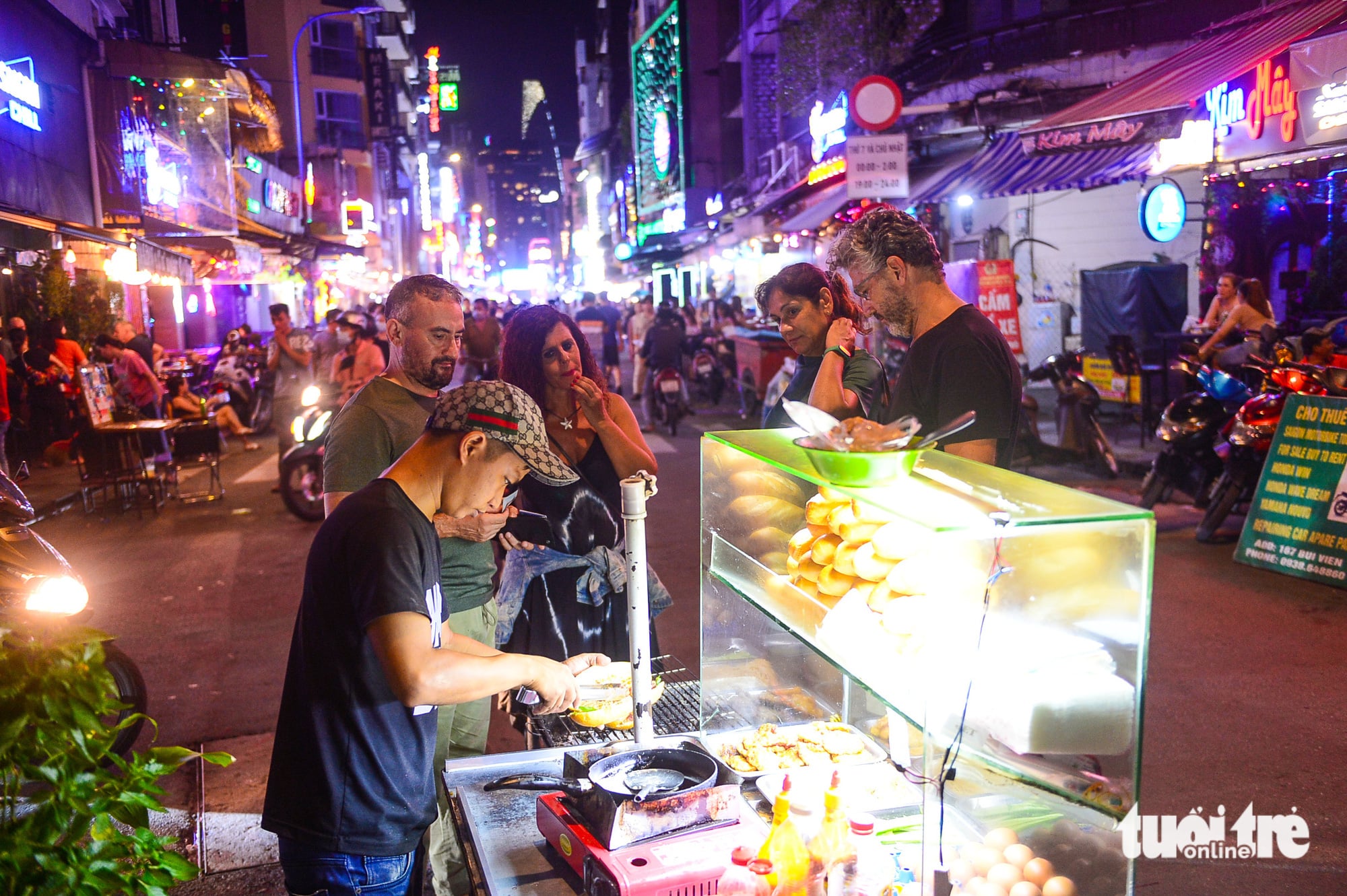
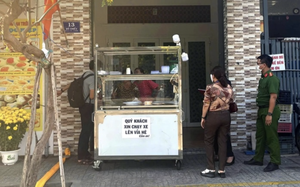
A file photo shows a banh mi stall in Go Vap District, Ho Chi Minh City. Photo: Ngoc Phuong / Tuoi Tre
Doctors recommend the following steps if food poisoning is suspected:
Do not self-medicate: People should avoid treating themselves at home with anti-diarrheal drugs or antibiotics without medical guidance.
Seek medical care early: This is especially important for young children, the elderly, or people with underlying health conditions who experience persistent vomiting or diarrhea.
Follow medical instructions: Proper rehydration and electrolyte replacement can help the illness resolve more quickly and support recovery.
Health experts say several types of food are especially prone to spoilage during extreme hot weather.
Fresh egg sauces and pâté:
Spreads commonly used in banh mi can become breeding grounds for Salmonella if not kept properly refrigerated.
Seafood and raw or undercooked dishes:
Raw dishes such as tiet canh (blood pudding), goi, and shellfish may carry harmful bacteria, including those that cause severe diarrhea.
In hot weather, with outdoor temperatures reaching 37 to 39 degree Celsius, food left at room temperature becomes an ideal environment for bacteria such as Salmonella or E. coli to multiply rapidly.
A meat-filled banh mi left out from morning until noon can already contain large amounts of bacteria.
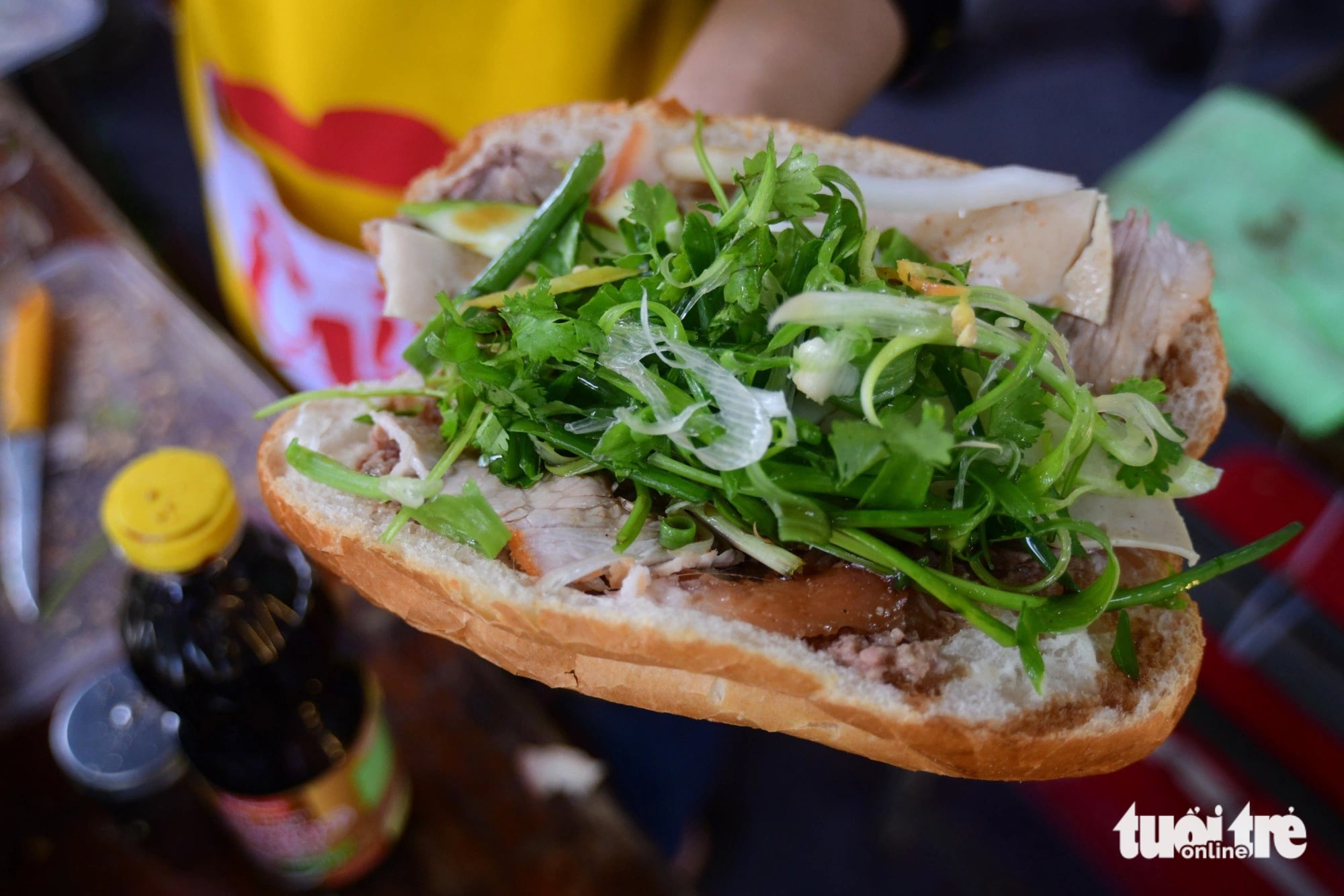
Vietnamese banh mi, known for its pork filling, sauces, and herbs, has won over international diners. Photo: Quang Dinh / Tuoi Tre
Coconut milk–based dishes and fermented foods:
Che (Vietnamese sweet soups, many normally served with coconut milk), nem chua (fermented pork rolls), and goi (Vietnamese salads), can spoil quickly when temperatures reach 38 to 39 degree Celsius.
Coconut milk contains high levels of natural fat and sugar, making it nutritious for humans but also an ideal environment for bacteria.
At recent temperatures around 37 to 39 degree Celsius, bacteria can double in number within 15 to 20 minutes.
They break down fats in coconut milk, quickly creating a rancid oil smell and sour taste.
Its high moisture content also allows mold and microorganisms to grow rapidly if the food is not boiled or is left exposed to the air for too long.
Three signs that food may have spoiled
Experts say consumers can look for several simple warning signs:
Sour smell: When bacteria break down sugars and proteins in meat or fish, they produce acids that cause a strong sour odor.
Slimy texture: As bacteria multiply, they can form sticky layers around food. If the food turns slimy, it likely contains billions of bacteria.
Gas bubbles: In contaminated food, bacteria release gases as they grow. These gases can rise to the surface of stews or soups and become trapped under a thin layer of fat of the food, forming bubbles that may appear or burst when the food is disturbed.
Thu Hien - Xuan Mai - Dr. Nguyen Thanh Uc - Dong Nguyen / Tuoi Tre News
Thao Thuong - Thanh Hiep - Quang Dinh - Linh To - Ngoc Phuong / Tuoi Tre









Max: 1500 characters
There are no comments yet. Be the first to comment.