


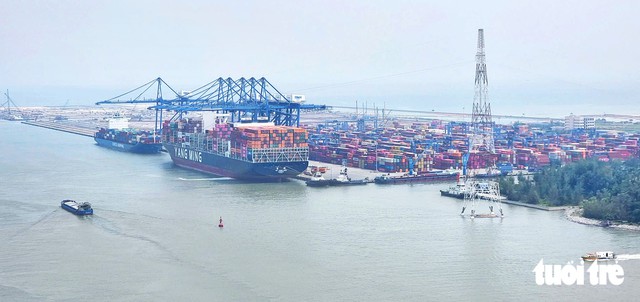
Hai Phong’s GRDP grew 12.08 percent in the first nine months of 2026, its fastest pace in six years. Photo: Tien Thang / Tuoi Tre
Quang Ninh City in northeastern Vietnam posted the country’s fastest GRDP growth in the January-September period at 12.54 percent, followed by Ha Tinh Province in the north-central region at 12.36 percent and the northern port city of Hai Phong at 12.08 percent.
Their performance stands out as Vietnam enters a crucial final quarter in its bid to achieve full-year economic growth of at least 10 percent.
The national economy expanded 9.01 percent year on year in the first nine months, with GDP growth accelerating from 8.15 percent in the first quarter to 8.81 percent in the second and 9.95 percent in the third.
To meet the full-year target, however, fourth-quarter GDP would need to grow by more than 12.5 percent, according to the government.
That puts greater focus on whether the country’s fastest-growing localities can maintain their momentum through the remainder of the year.
New production capacity drives growth
Ha Tinh’s growth has been driven mainly by new industrial capacity in power generation, electric vehicles, and steel.
Local authorities said the Vung Ang 2 thermal power plant and VinFast’s electric car and motorcycle factory had begun contributing significant new output, while higher production from Formosa, along with beer, yarn, and other manufactured goods, further supported industrial growth.
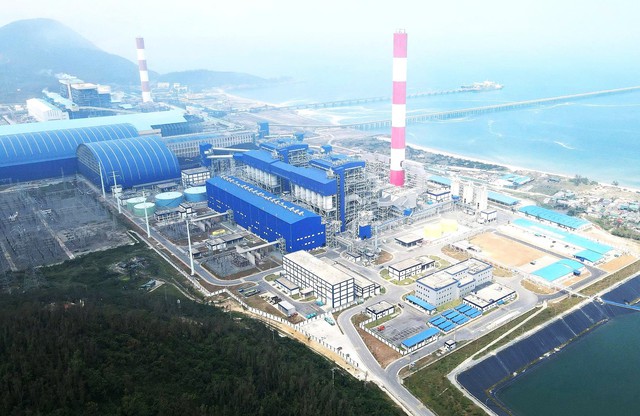
A view of the Vung Ang Economic Zone in Ha Tinh Province. Photo: Le Minh / Tuoi Tre
“These are all important drivers behind Ha Tinh’s strong economic performance since the beginning of the year,” a local official said.
The province still has room to accelerate in the fourth quarter, with the Vung Ang 2 plant and VinFast factory expected to remain key contributors. Additional momentum could come from the expansion of the Vung Ang Economic Zone, wind power projects, and the VinMetal steel plant now under development.
Meanwhile, Hai Phong’s growth has been underpinned by manufacturing, FDI, seaports, and logistics, with strong investment flows reinforcing its industrial base.
The city’s index of industrial production rose 15.23 percent in the first nine months, while realized investment capital in the third quarter reached nearly VND97.825 trillion (US$3.76 billion), up 14.9 percent.
Hai Phong also attracted $3.638 billion in FDI during the period, mainly into manufacturing, processing, electronics, and high technology.
Bruno Jaspaert, general director of DEEP C Industrial Zones, told Tuoi Tre that this momentum is supported by the city’s deep-water port, strong transport connectivity, and growing integration into global supply chains.
Building on those advantages, Hai Phong is also moving beyond its traditional location-based strengths toward a broader economic ecosystem and stronger institutional framework, according to Tran Van Thang, chairman of the Hai Phong Business Association.
Quang Ninh has developed a more diversified growth structure.
Its manufacturing sector expanded 26.67 percent in the first nine months, while 12 key projects began operations as scheduled, adding new production capacity.
Tourism also remained a major growth driver. The locality welcomed about 18.8 million visitors during the period, including 4.21 million international arrivals, generating roughly VND56.4 trillion ($2.17 billion) in tourism revenue.
Across all three localities, the common feature is clear: growth is being supported by factories, projects, and services already in operation, rather than investment plans on paper alone.
Turning investment into actual output
Strong growth has also depended on how quickly local authorities can move projects forward and turn investment into economic activity.
In Hai Phong, after first-half growth fell short of the city’s target scenario, authorities broke the growth target down into hundreds of specific tasks tied to deadlines, responsibilities, and expected results.
The city has since stepped up project execution while maintaining a full-year GRDP growth target of at least 13 percent.
Quang Ninh has taken a similar approach by accelerating investment, clearing business bottlenecks, and pushing projects into operation.
In the first nine months, the city attracted around VND225.572 trillion ($8.68 billion) in non-state domestic investment and addressed more than 200 business recommendations through a series of thematic meetings.
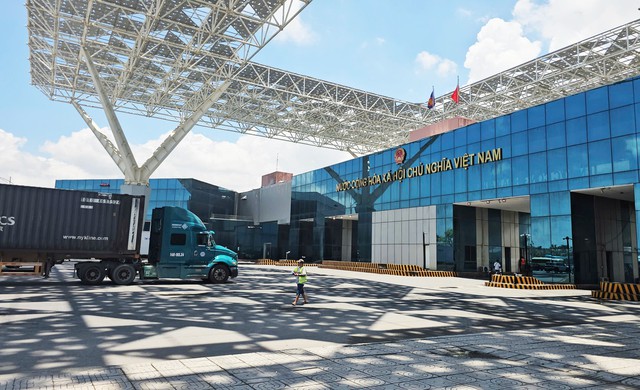
Quang Ninh remained a bright spot in Vietnam’s economy, leading the country in GRDP growth in the first nine months of 2026. Photo: Tien Thang / Tuoi Tre
Ha Tinh, meanwhile, is relying on large industrial projects already in operation or under development to expand production capacity, particularly around the Vung Ang Economic Zone.
Across all three localities, the common thread is not simply attracting capital, but getting projects moving quickly enough for that capital to translate into factories, products, services, and ultimately economic output.
Can the momentum last?
The next question is whether that pace can be sustained, and whether it can spread far enough across the economy to help Vietnam reach its 10-percent target.
Hai Phong and Quang Ninh are both aiming for full-year GRDP growth of at least 13 percent.
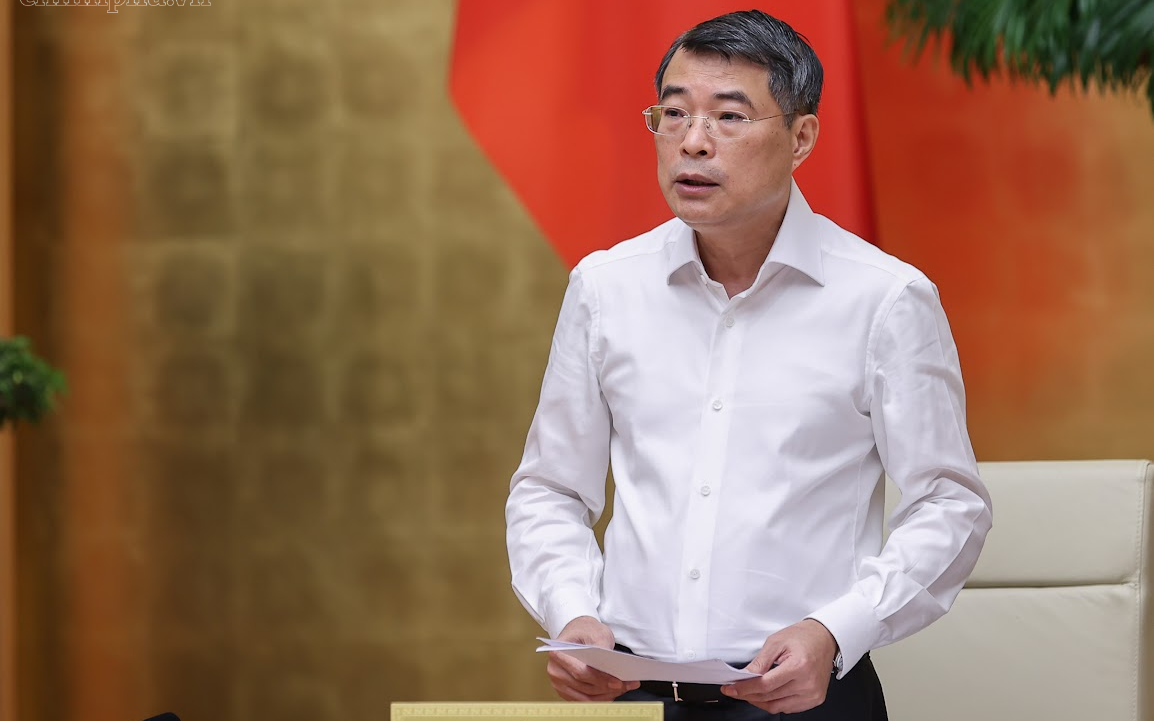

Hai Phong is counting on manufacturing, FDI, logistics, and faster project execution, while Quang Ninh is looking to continued gains from industry, tourism, industrial zones, and projects already coming online.
Ha Tinh also sees further upside as output rises from the Vung Ang 2 thermal power plant, VinFast’s electric vehicle factory, Formosa’s steel complex, and other large industrial projects.
Maintaining such rapid growth, however, will become increasingly demanding as more of the gains depend on projects being completed and production ramping up on schedule.
And the national challenge is still larger.
With GDP growth at 9.01 percent after nine months, Vietnam would need a sharp acceleration in the final quarter to reach at least 10 percent for the year.
That will require more than continued strength in a handful of leading localities. Industrial production, private and public investment, FDI, trade, tourism, and major infrastructure projects will all need to contribute more broadly, while bottlenecks in procedures, site clearance, and project implementation will have to be cleared quickly.
The experience of Quang Ninh, Ha Tinh, and Hai Phong nevertheless offers one encouraging signal: growth is being supported by productive capacity that is already coming onstream, rather than by targets or investment pledges alone.
Whether Vietnam can turn that momentum into a double-digit year will depend on how effectively localities can unlock their own growth engines and turn available resources into real economic output.
Government calls final quarter a growth ‘sprint’
At the government’s regular meeting on October 3, Prime Minister Le Minh Hung described the final quarter as a “sprint” period, calling on ministries, sectors, and localities to set clear roadmaps, monthly tasks, deliverables, and responsibilities for meeting their growth targets.
The government’s focus is not simply on accelerating growth, but on removing bottlenecks that are holding back investment and other resources and turning the economy’s existing growth potential into tangible results.
With GDP growth reaching 9.01 percent in the first nine months, authorities see momentum coming from industrial recovery, higher investment, rising FDI, expanding trade, tourism, and faster public investment disbursement.
The government has stressed that the nine-month result should serve as a springboard rather than an endpoint as Vietnam pushes toward its full-year double-digit growth target.








Max: 1500 characters
There are no comments yet. Be the first to comment.