


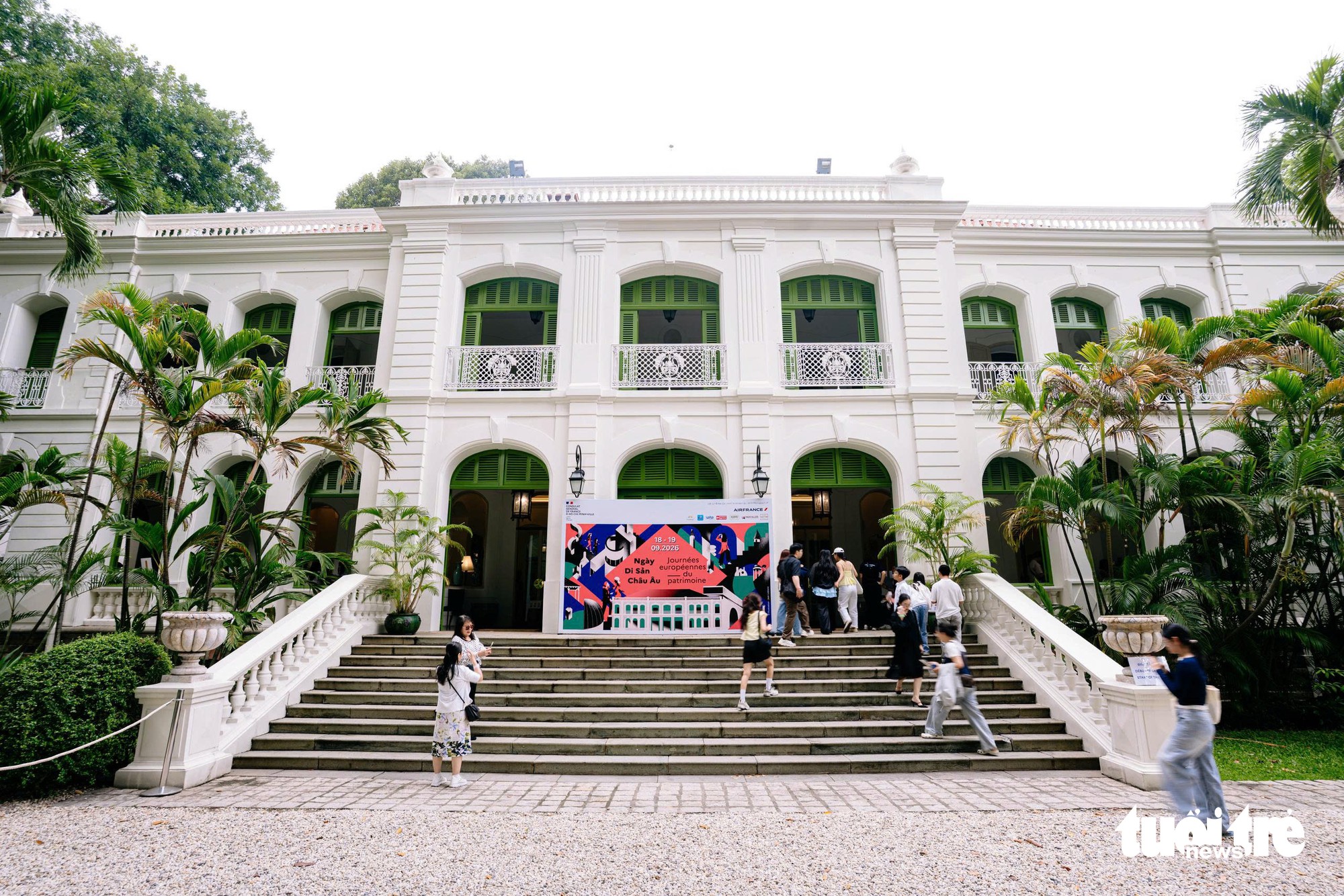
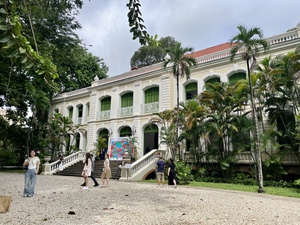
People and tourists visit the French Residence in Ho Chi Minh City on the morning of September 19, 2026 as part of European Heritage Days. Photo: Thanh Hiep / Tuoi Tre
First launched in 2022, the French Residence tour program has welcomed visitors just one day each year.
It has become a much-anticipated event for many people in Ho Chi Minh City, as it offers the public a rare chance to explore the unique villa.
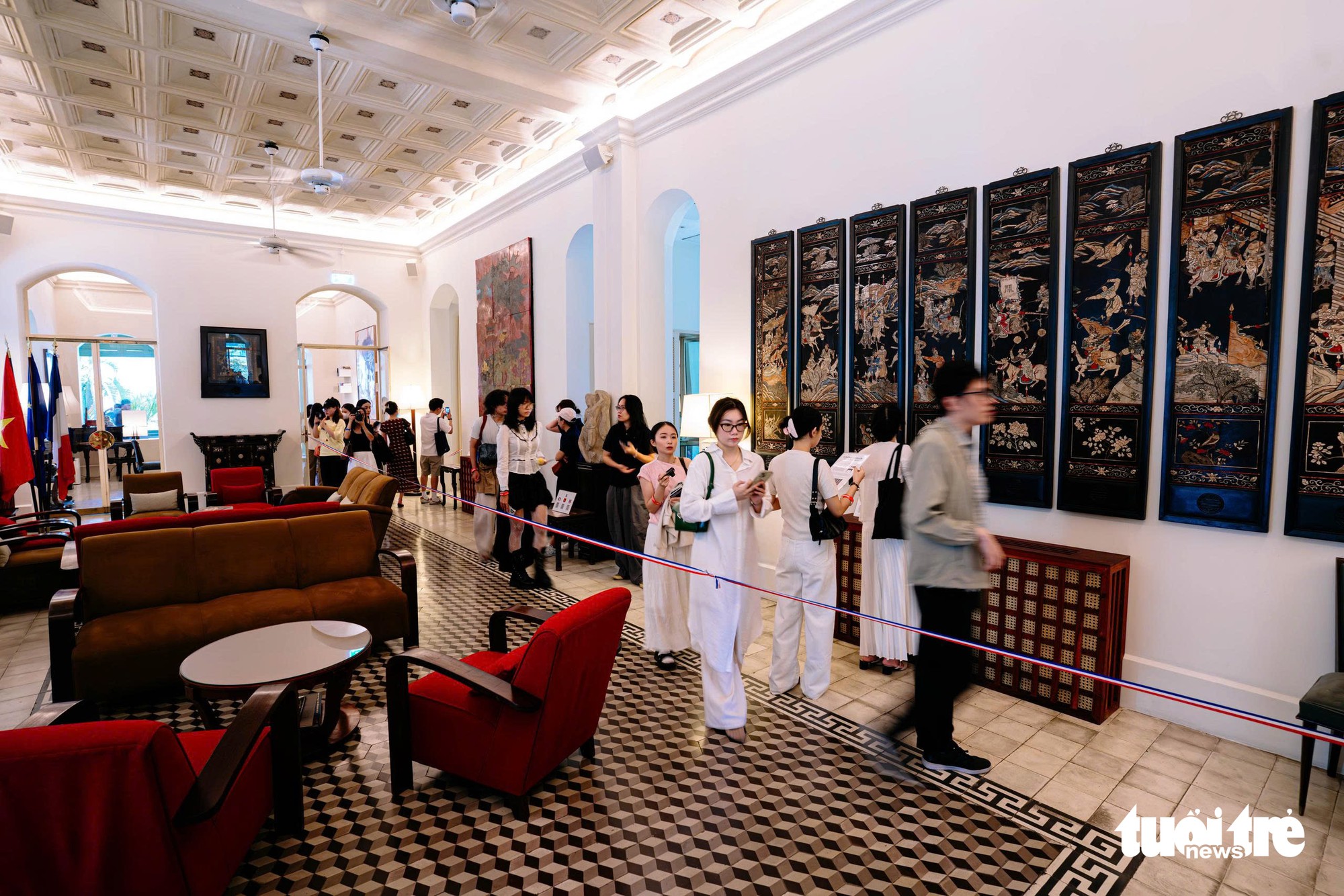
Visitors explore the reception room of the French Residence in Ho Chi Minh City on September 19, 2026. Photo: Thanh Hiep / Tuoi Tre
Built in the late 19th century by French naval engineers in the Indochinese architectural style, the French Residence has remained a historic building in the heart of Ho Chi Minh City.
Its reception rooms offer visitors the opportunity to discover remarkable works of Vietnamese artistic heritage, including Nguyen Gia Tri’s celebrated lacquer painting “Village procession”, created in 1939.
The Residence also has a private park of more than 1.5 hectares, a true green oasis in the heart of the city, providing a haven for rich biodiversity.
Visitors explored the site's history through QR codes and explanatory materials. Each visitor also received a "heritage passport" to collect stamps throughout the tour.
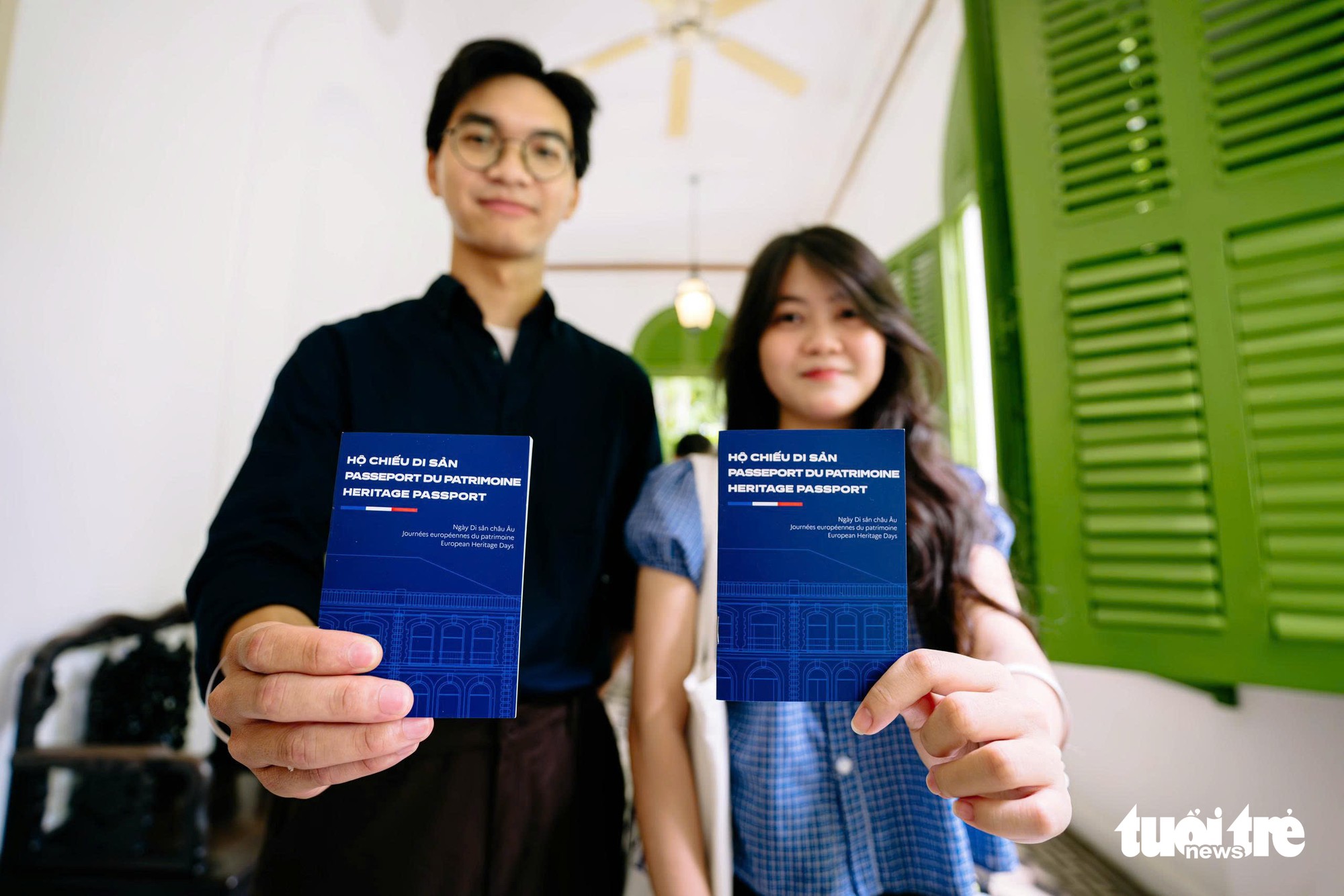
Visitors Minh Kien (left) and My Anh hold their ‘heritage passports’ as they share their excitement about visiting the French Residence for the first time. Photo: Thanh Hiep / Tuoi Tre
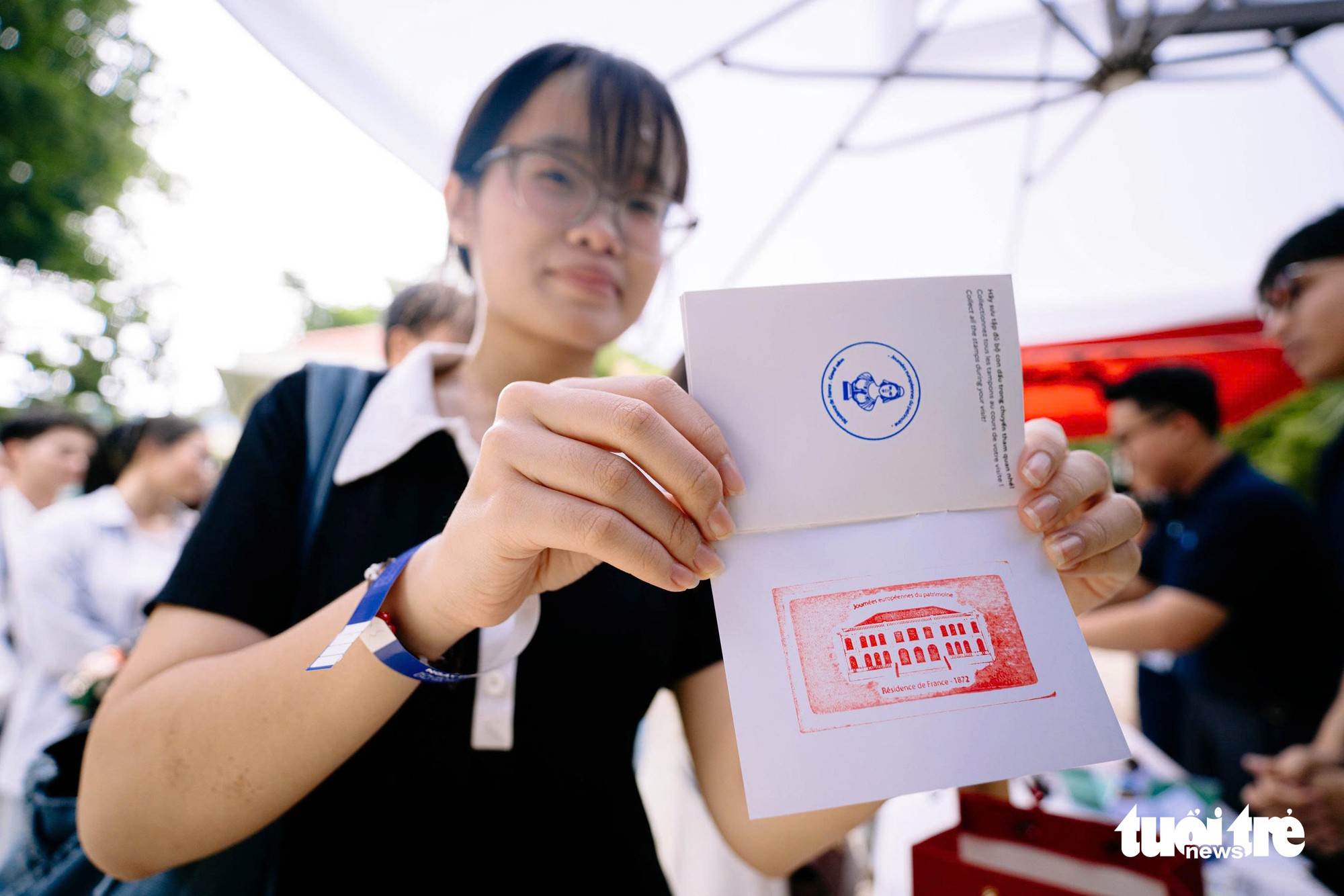
After completing the tour, 22-year-old Gia Linh took part in a quiz about French-Vietnamese culture and received a commemorative stamp marking the completion of her visit. Photo: Thanh Hiep / Tuoi Tre
“The European Heritage Days were launched by the French Ministry of Culture in 1984, with the idea of opening to the public buildings and places that are normally not accessible to visitors because they serve other purposes, including political, administrative, diplomatic or economic ones,” Etienne Ranaivoson, French Consul General in Ho Chi Minh City told Tuoi Tre News.
“This is very much the spirit in which the Residence of France opens its doors to the public once a year,” he added.
“It is an opportunity for people to discover a building that is emblematic of the late 19th century, but also to tell, through this place, a part of the shared history between France and Vietnam."
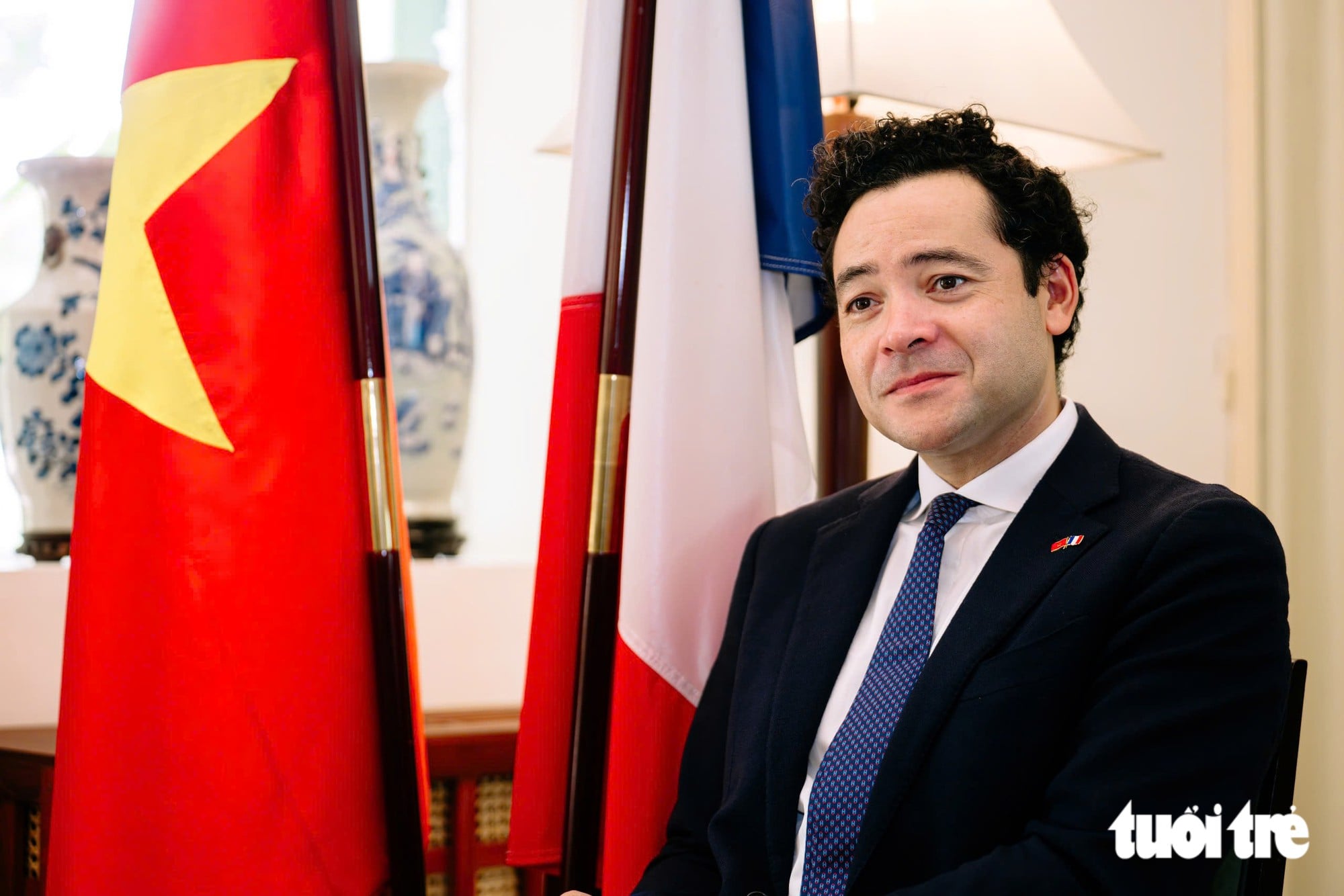
Etienne Ranaivoson, French Consul General in Ho Chi Minh City. Photo: Thanh Hiep / Tuoi Tre News
According to him, heritage is not only about preserving a historic building.
It is also about making that heritage accessible, creating curiosity and encouraging people to take an interest in its history, architecture and preservation.
“By allowing the public to experience the Residence directly, we hope to create a stronger connection between this historic place and the people who live in Ho Chi Minh City,” the French Consul General said.
This year, the organizers increased the number of available slots by 320 compared with the previous edition, but they were fully booked in less than five minutes.
“We also received more than 12,000 registrations on the waiting list, which is an unprecedented level of interest for us,” Ranaivoson revealed.
“These figures are very encouraging,” he added. “They show that people in Ho Chi Minh City are increasingly curious about heritage and eager to discover places that are not normally open to the public.”
“They also encourage us to think about how we might expand the scale of the event in the future, so that more people can have the opportunity to discover the Residence and its heritage,” he added.
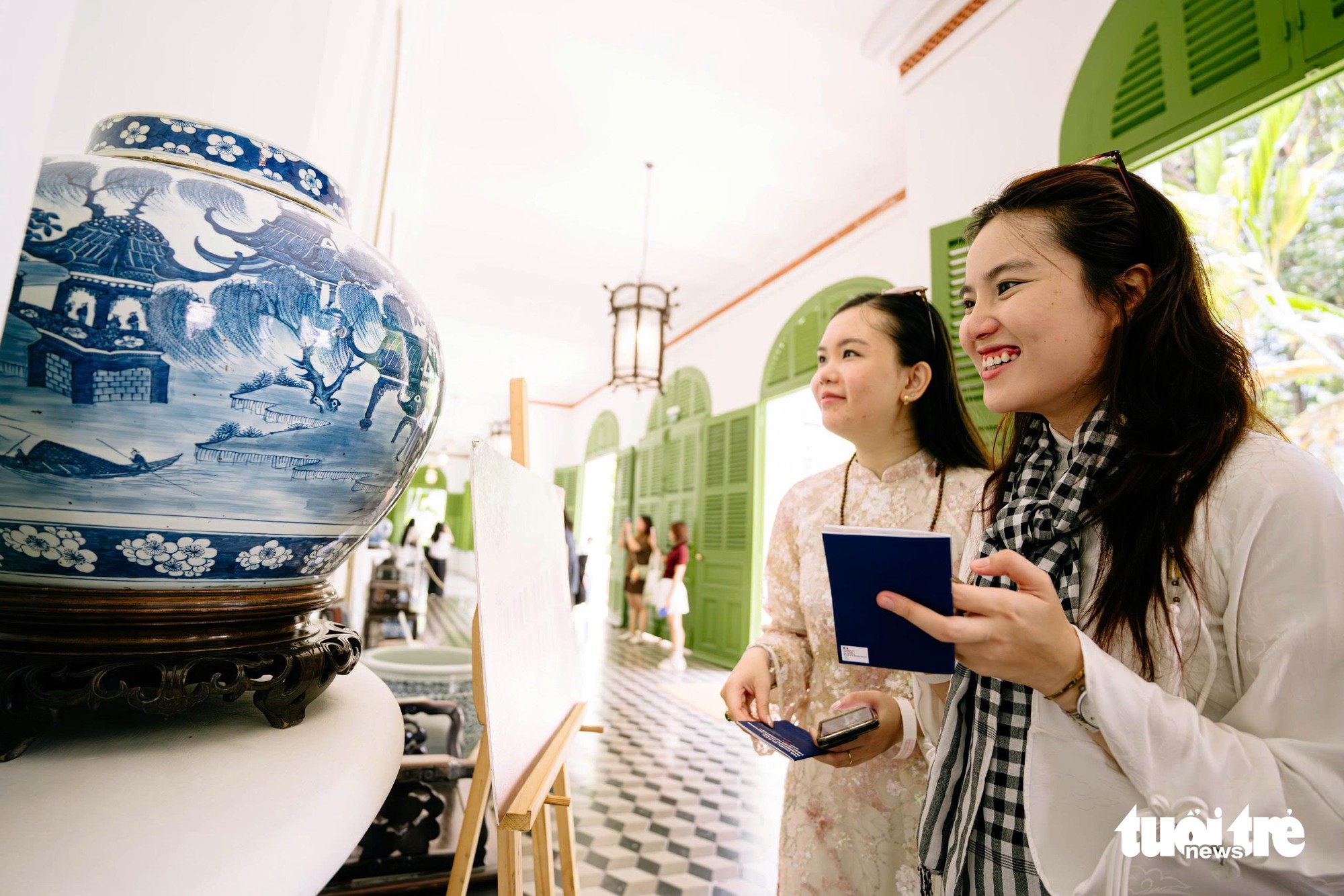
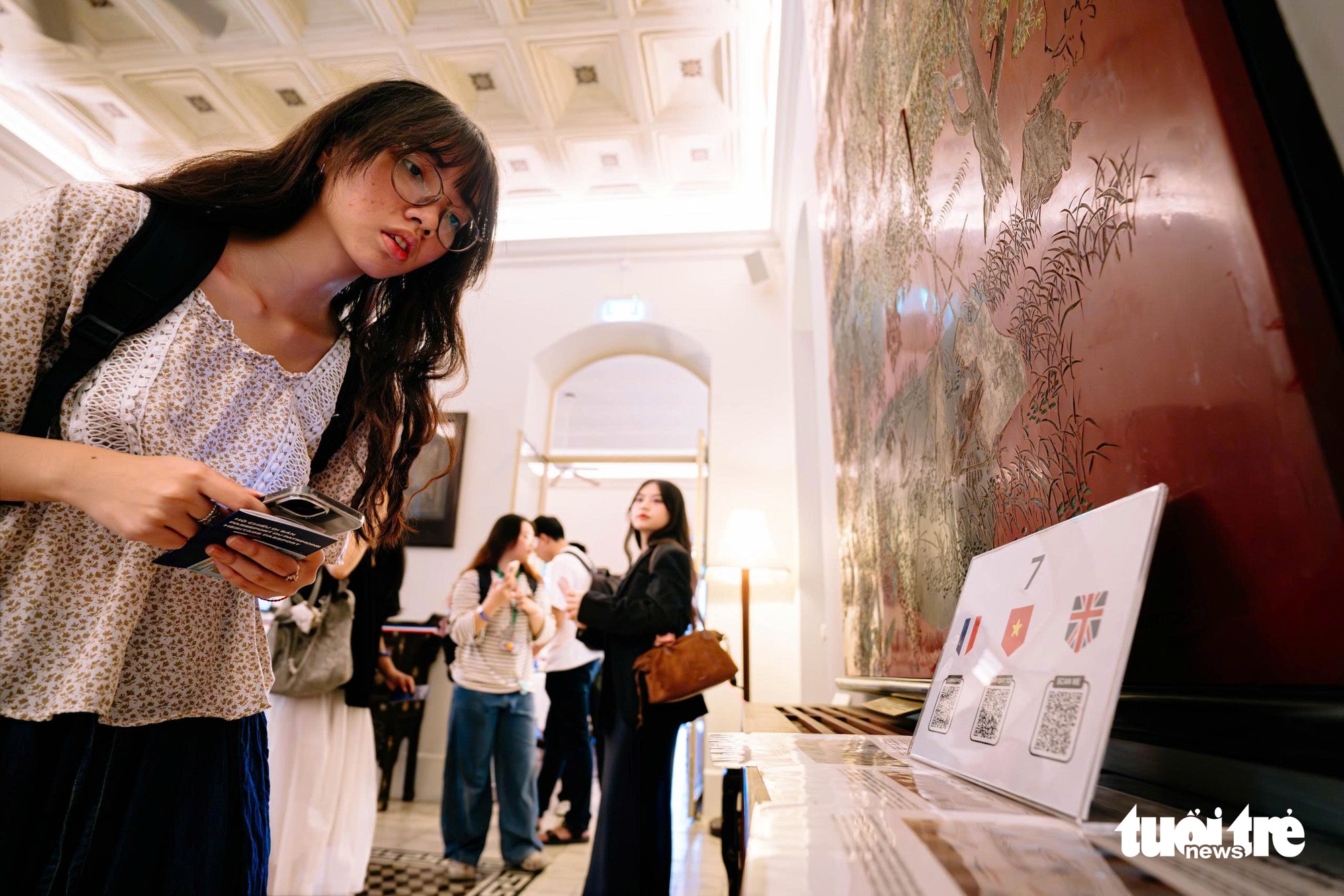
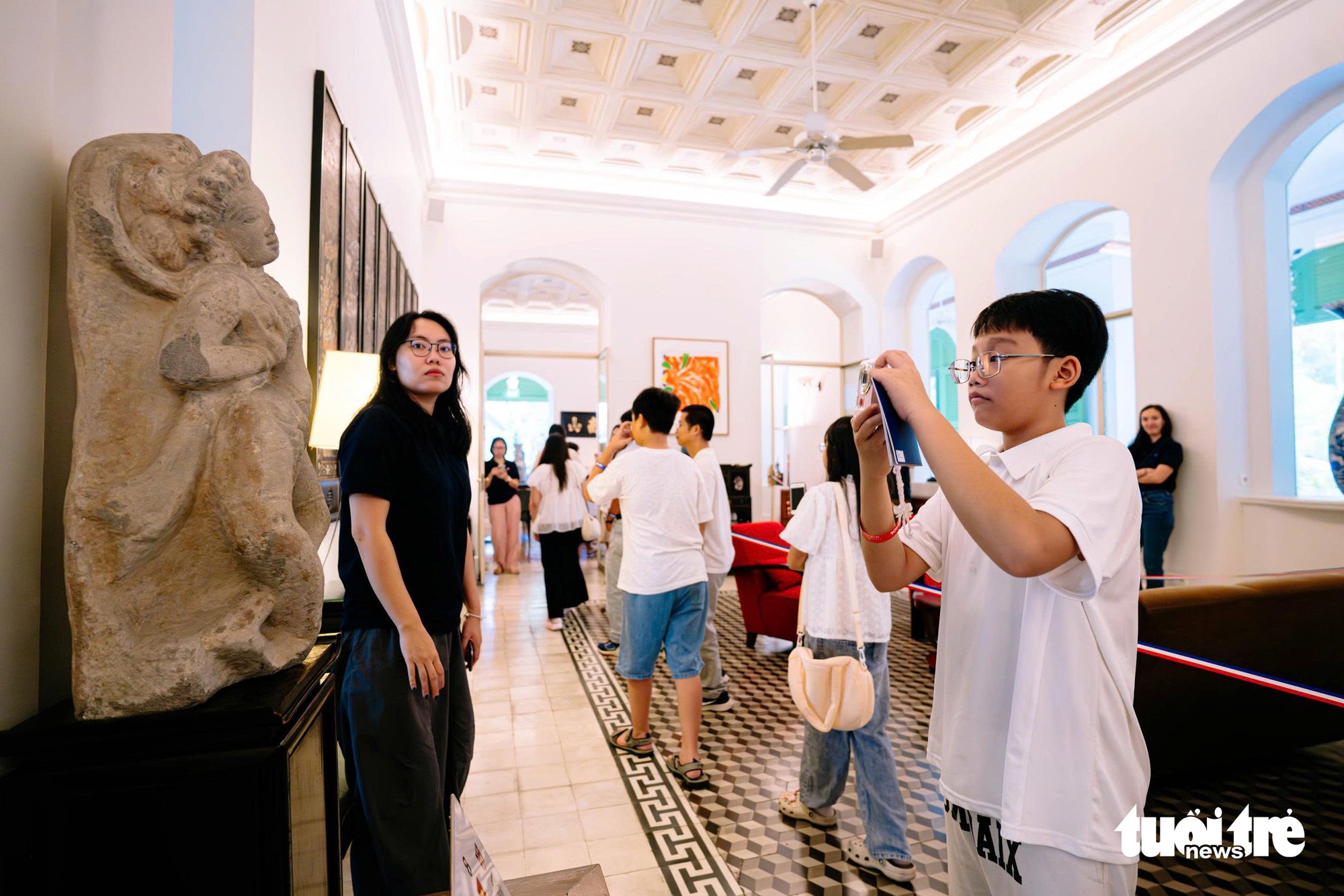
Visitors expressed their excitement at exploring ancient artifacts representing Vietnamese decorative arts and spiritual traditions from the 19th and 20th centuries on display at the French Residence. Photo: Thanh Hiep / Tuoi Tre
Heritage helps strengthen France-Vietnam ties
According to the French Consul General, the Comprehensive Strategic Partnership gives France and Vietnam an even broader framework for developing the countries' relations, but he believes that a strong bilateral relationship is not built only through government-to-government cooperation.
“It also needs to be rooted in connections between people,” he said.
And culture and heritage have an important role to play in this respect.
“They provide opportunities for people to discover each other's history, traditions and ways of life, and therefore to develop a better understanding of one another,” he continued.
“Heritage, in particular, allows us to look at the different chapters of our shared history and to better understand how our relations have evolved over time."
“People-to-people exchanges are equally important,” he added.
He noted that culture, heritage and people-to-people exchanges can provide a strong human foundation for the two countries’ Comprehensive Strategic Partnership.
“They help ensure that the relations between France and Vietnam are not only strong at the institutional level, but are also understood, experienced and enriched by our two peoples,” he said.
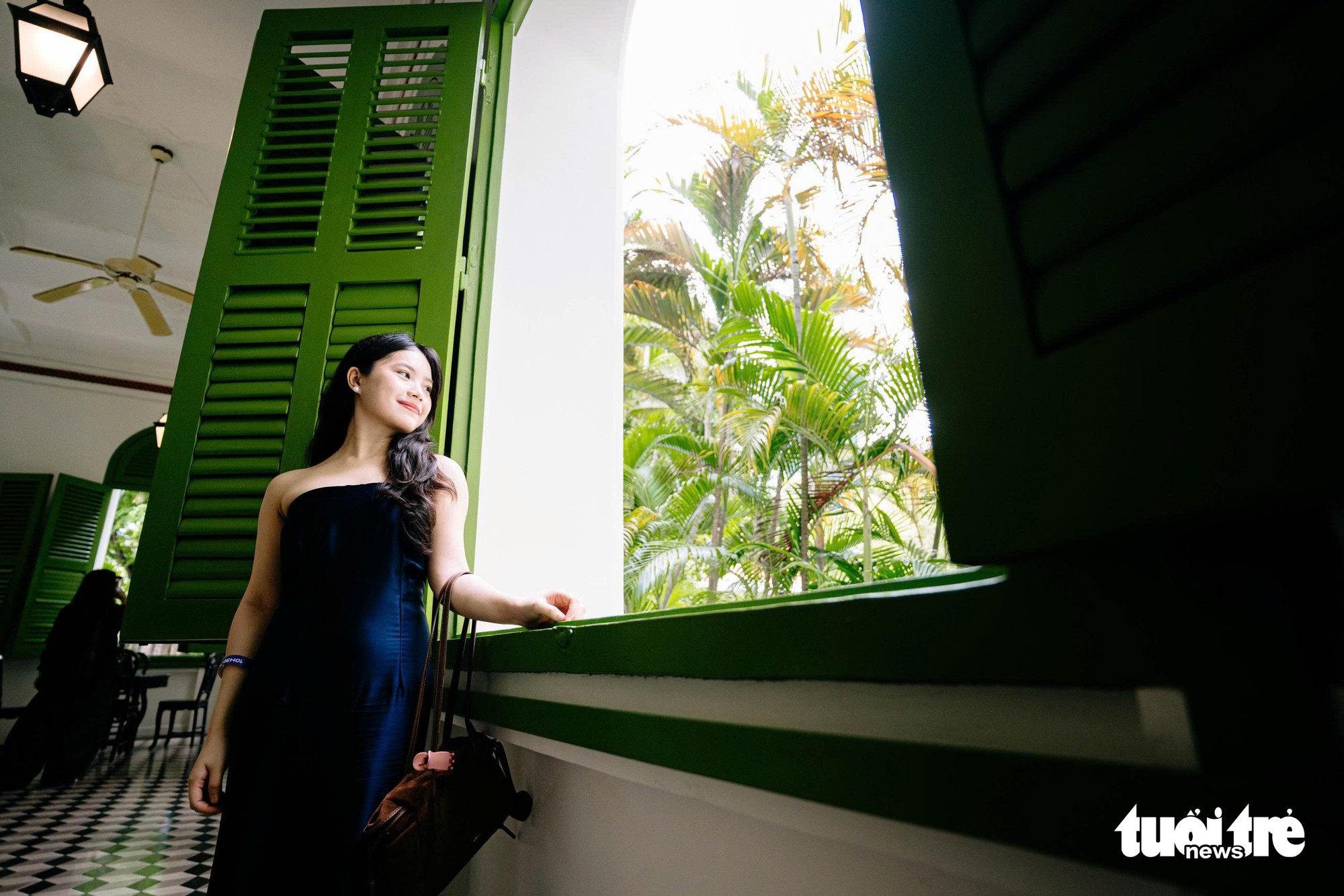
The French Residence features artistic photo spots that the public rarely gets a chance to visit. Photo: Thanh Hiep / Tuoi Tre
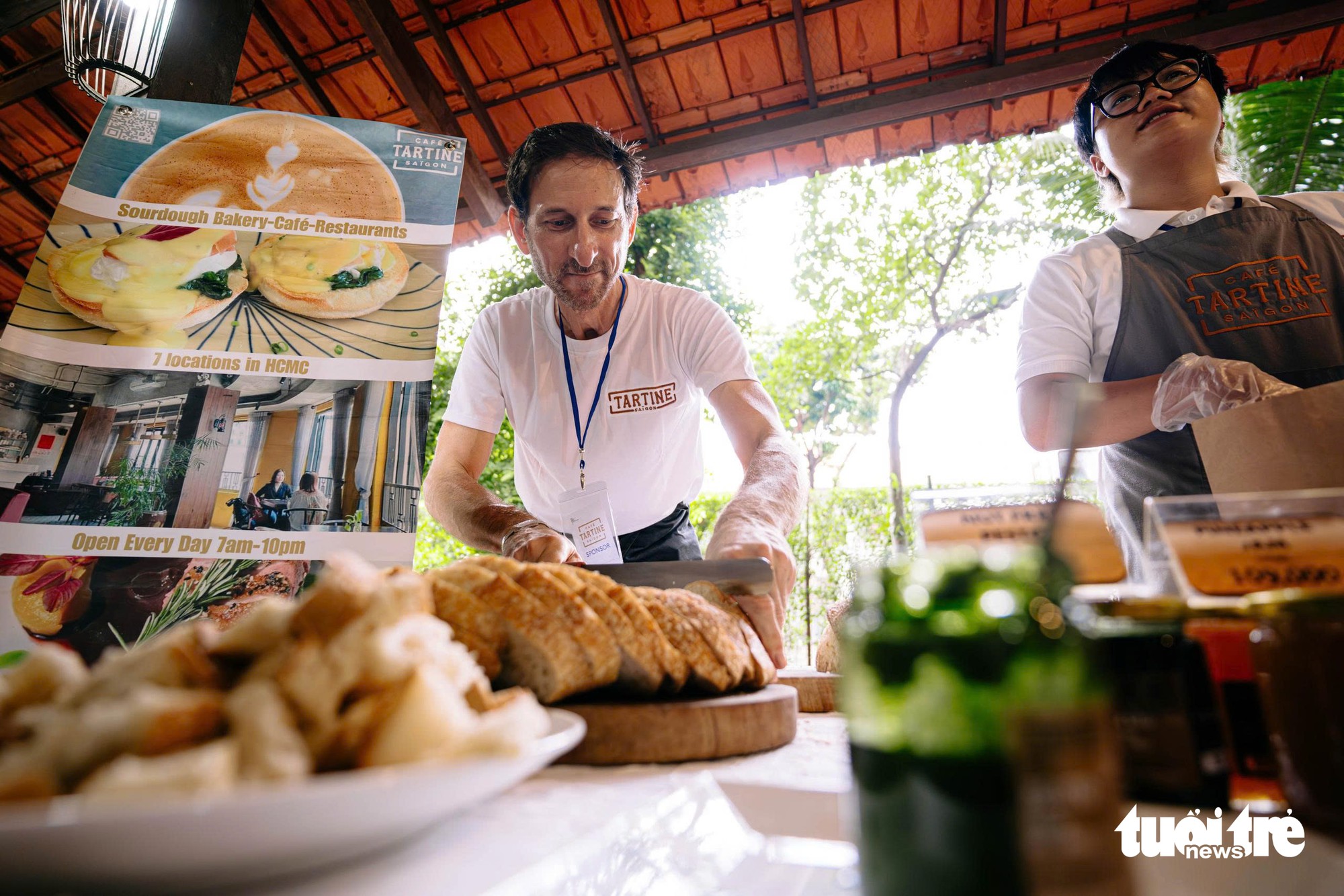
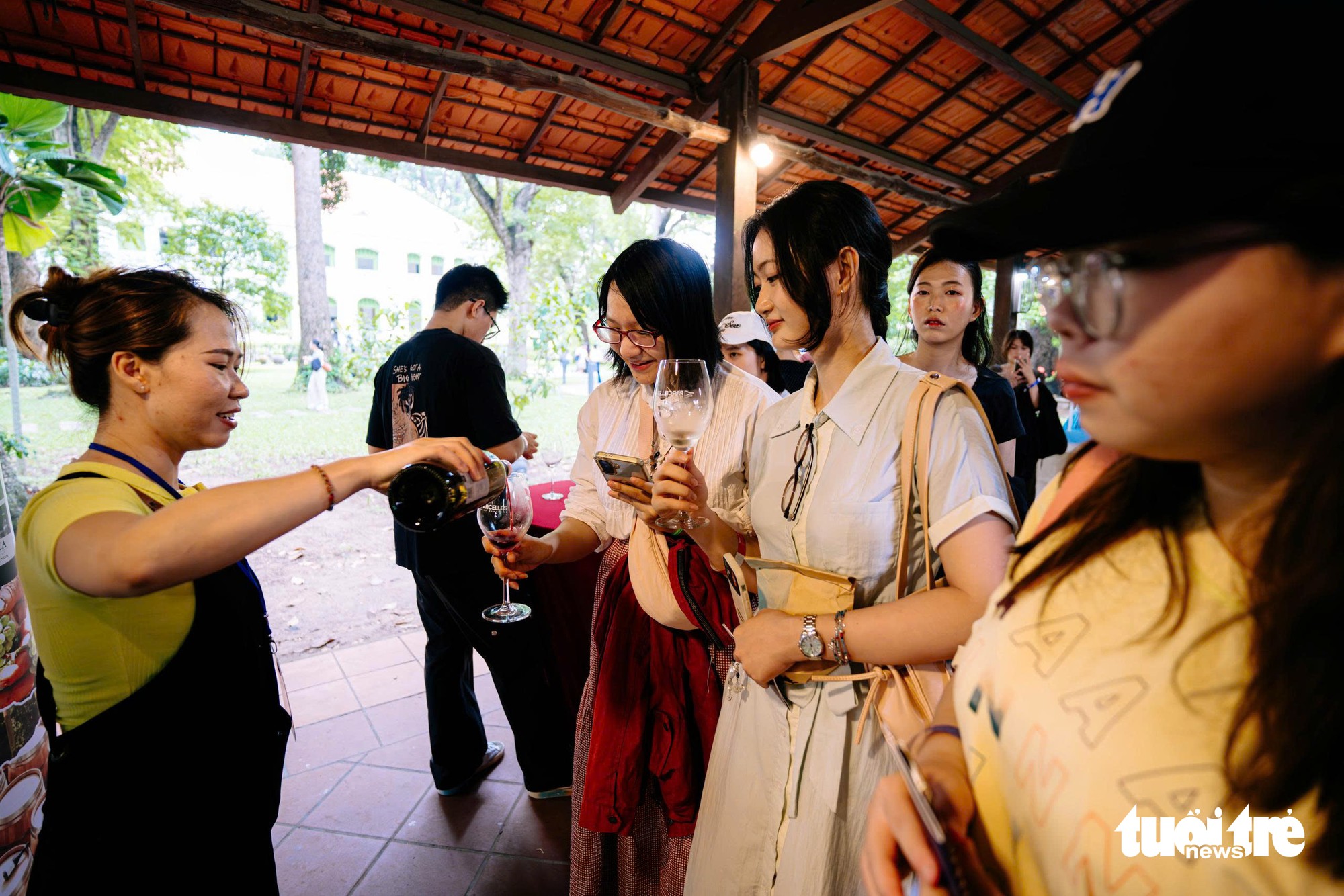
In addition to touring the residence, visitors had the opportunity to sample French food and specialties, including cheese, bread, and wine. Photo: Thanh Hiep / Tuoi Tre
This year, the public also had the chance to view a photo exhibition by French photographer Adrien Jean, who has lived and worked in Ho Chi Minh City since 2014.
His works showcase Vietnamese landmarks, architectural structures, and fragments of the country's heritage through a contemporary photographic perspective.
This year's touring program also included a photo contest which encouraged visitors to capture their journey through the residence from their own perspectives.
The winner will receive a round-trip flight ticket between Ho Chi Minh City and Paris.









Max: 1500 characters
There are no comments yet. Be the first to comment.