


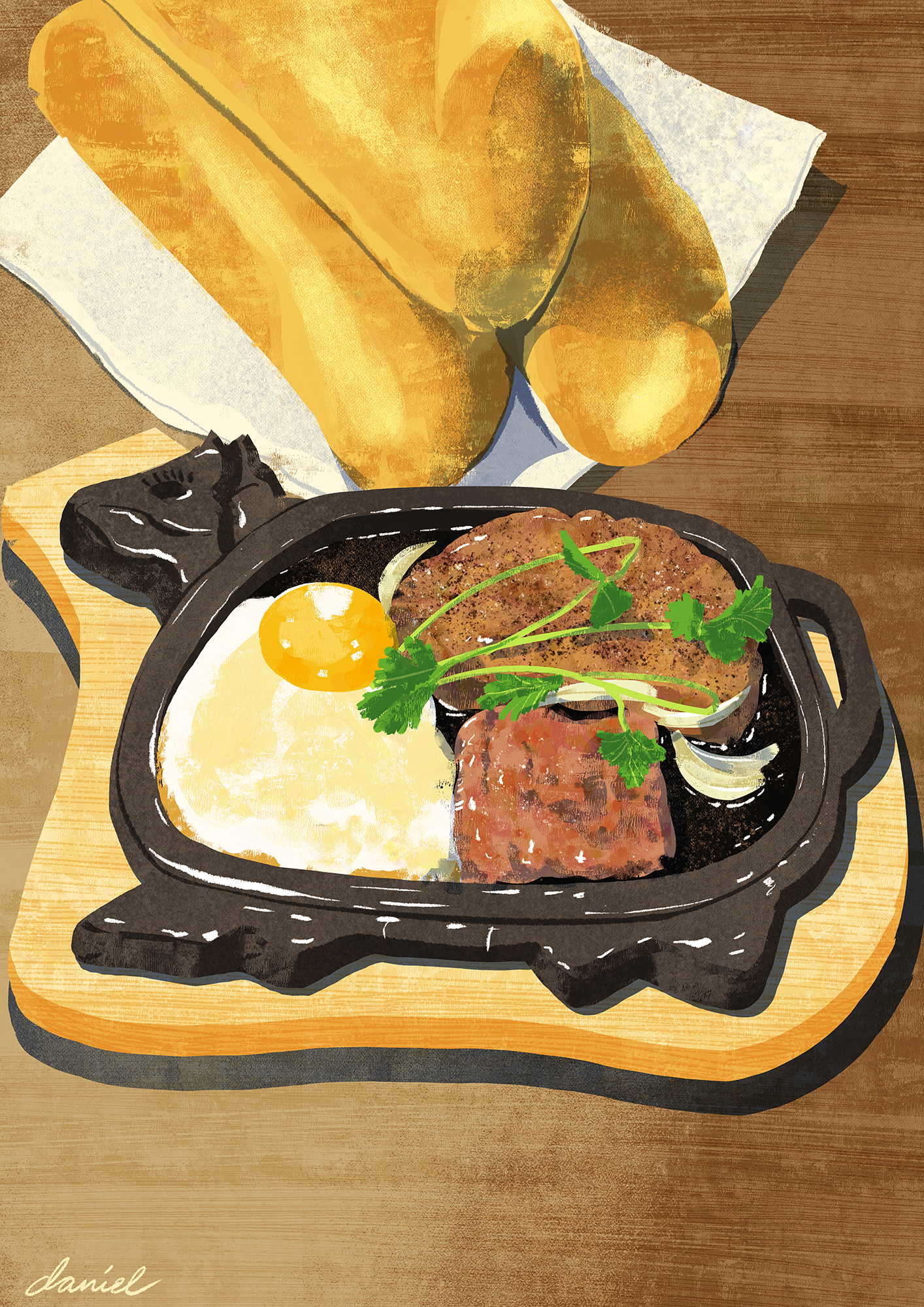
Filipino artist Daniel Ansel Tingcungco's illustrations of bo ne, a famous Vietnamese breakfast choice among many travelers to Vietnam. Photo courtesy of Tingcungco.
In Vietnam, breakfast is far more than simply the first quick meal of the day. It is one of the country's richest culinary traditions and an essential part of daily life.
If your morning routine consists of a light meal with cereal, toast, eggs, and a cup of coffee, you may be shocked to find breakfast in Vietnam hearty, flavorful, and remarkably diverse.
A steaming bowl of noodle soup, a plate of grilled pork with broken rice, sticky rice topped with savory ingredients, freshly steamed rice rolls, a sizzling dish of beef, or a meat-filled banh mi are all perfectly normal ways to start the morning in Vietnam.
'No, I don’t want avocado toast for breakfast'
Avocado toast may be a fresh and satisfying way to start the day, and I even enjoy it when traveling.
But if given the choice, many people, myself included, would happily trade that picture-perfect slice of toast for the endless breakfast options Vietnam has to offer.
A recent trend on social media has seen travelers declaring, "I don't want avocado toast for breakfast," as they showcase the local morning meals they would rather wake up to around the world.
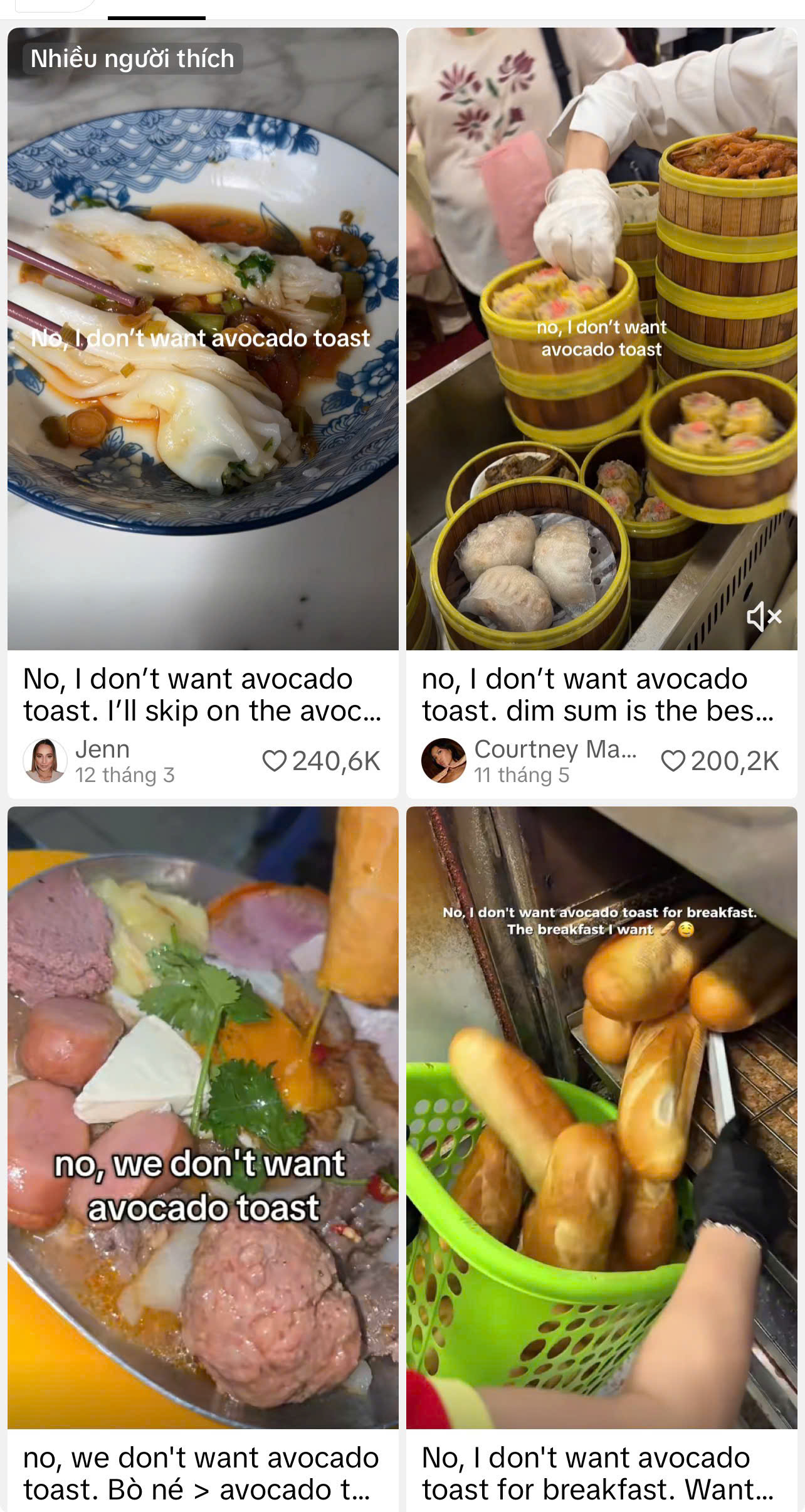
Vietnamese dishes appear in videos shared as part of the 'I don't want avocado toast for breakfast' trend on social media. Photo: Screenshot.
In Vietnam, those choices include bo ne, a sizzling skillet of beef and eggs; com tam, broken rice served with grilled pork; banh mi bo kho, a crusty baguette served with fragrant beef stew for dipping; pho ga, the lighter chicken version of Vietnam's iconic noodle soup; bun moc, featuring pork meatballs in a clear, savory broth; and countless other regional specialties.
Among the long list of Vietnamese breakfast options, bo ne is a surprisingly popular recommendation among foreign visitors.
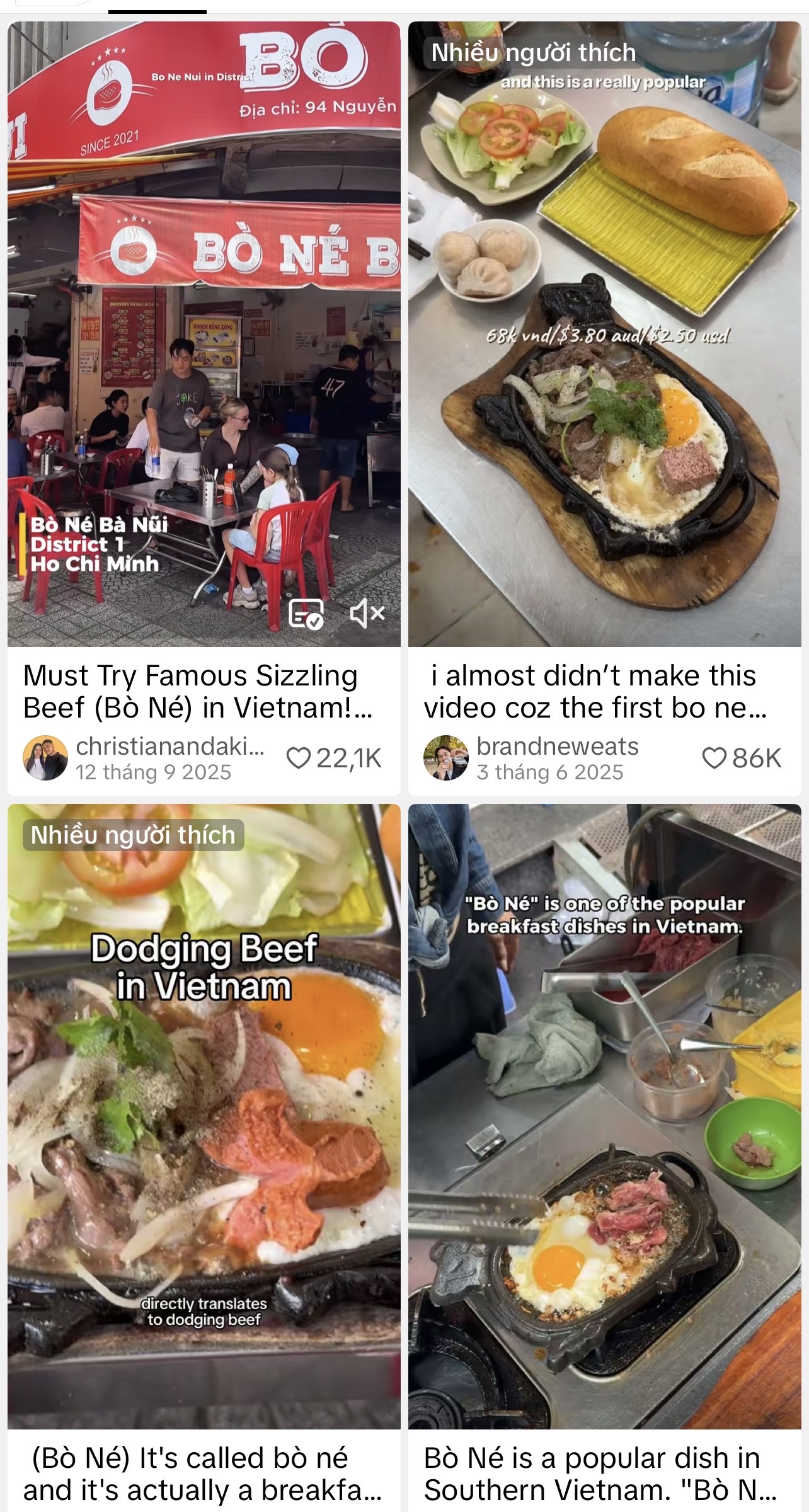
A screenshot shows videos of the Vietnamese breakfast dish bo ne circulating on social media among travelers to Vietnam.
While dishes like pho and banh mi have long become internationally recognized, bo ne often catches travelers off guard with its dramatic presentation and satisfying combination of flavors.
Arriving at the table on a sizzling hot skillet, bo ne creates an instant impression.
A typical serving comes with a piece of tender beef, a sunny-side-up egg, pâté, Vietnamese sausage or meatballs, onions, and a crusty baguette on the side.
Diners tear the bread apart and dip it into the runny egg yolk, rich sauce, and savory juices from the sizzling beef.
“Bo ne is one of my favorites because it’s so rich and satisfying,” said Valerie Darling, a Russian living in Ho Chi Minh City.
“It comes with beef, eggs, pâté, and crispy banh mi. I love dipping the bread into the sauce. It tastes so delicious!”
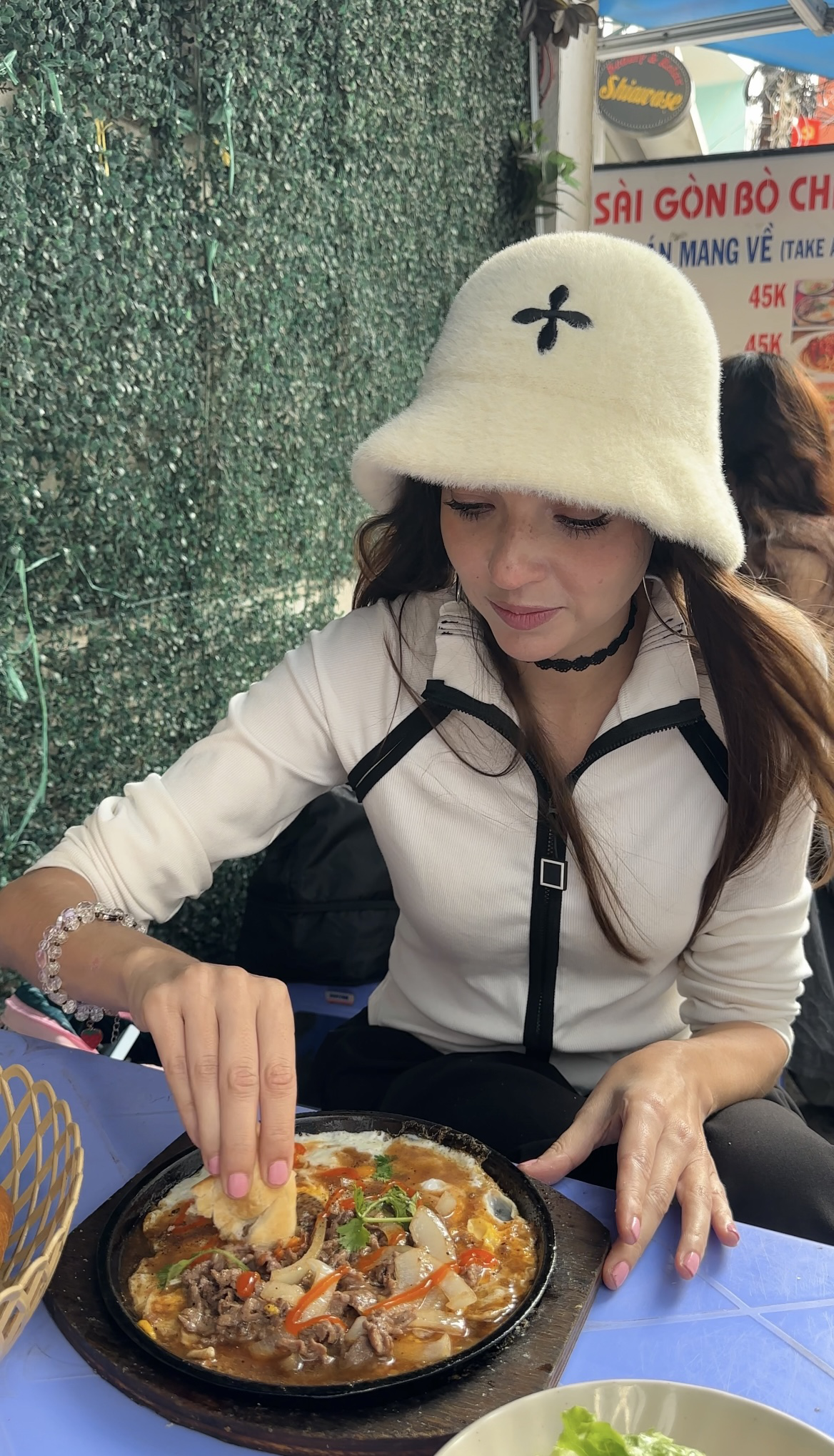
Valerie Darling enjoys bo ne in Ho Chi Minh City. Photo courtesy of Valerie Darling.
A new breakfast routine
The 33-year-old, who is studying Vietnamese through a university language program, told Tuoi Tre News that breakfast in Vietnam is much more diverse than in Russia.
“In Russia, people usually eat porridge, sandwiches, pancakes, and eggs for breakfast,” Darling said.
“In Vietnam, there are so many hot and freshly cooked dishes to choose from every morning.”
One thing that really surprised her was that many Vietnamese people eat pho for breakfast.
“In Russia, we would never eat something with hot broth, like soup, for breakfast. We usually eat that kind of food at lunchtime,” she explained.
“At first, I couldn’t understand why people would eat pho so early in the morning,” she added.
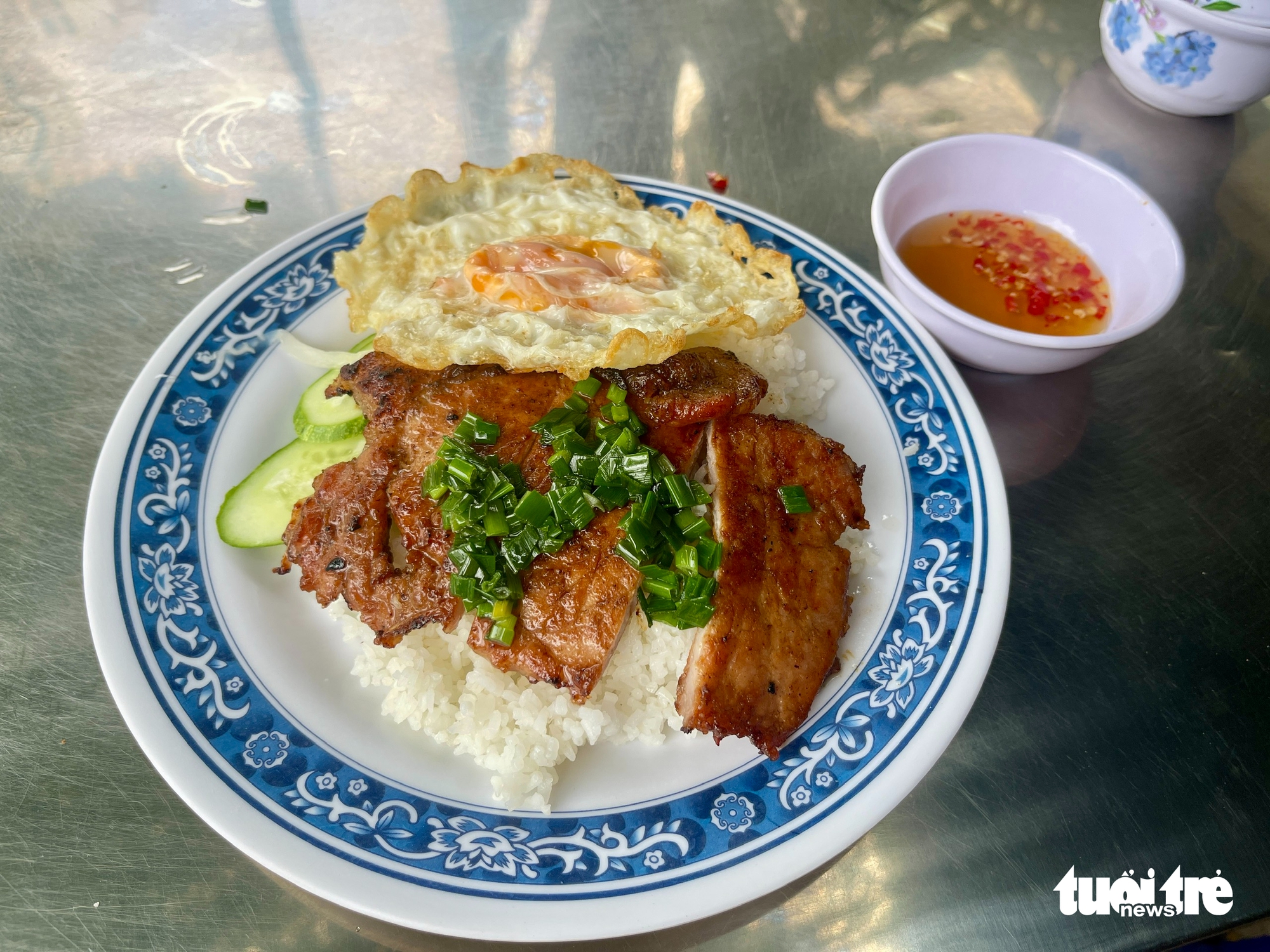
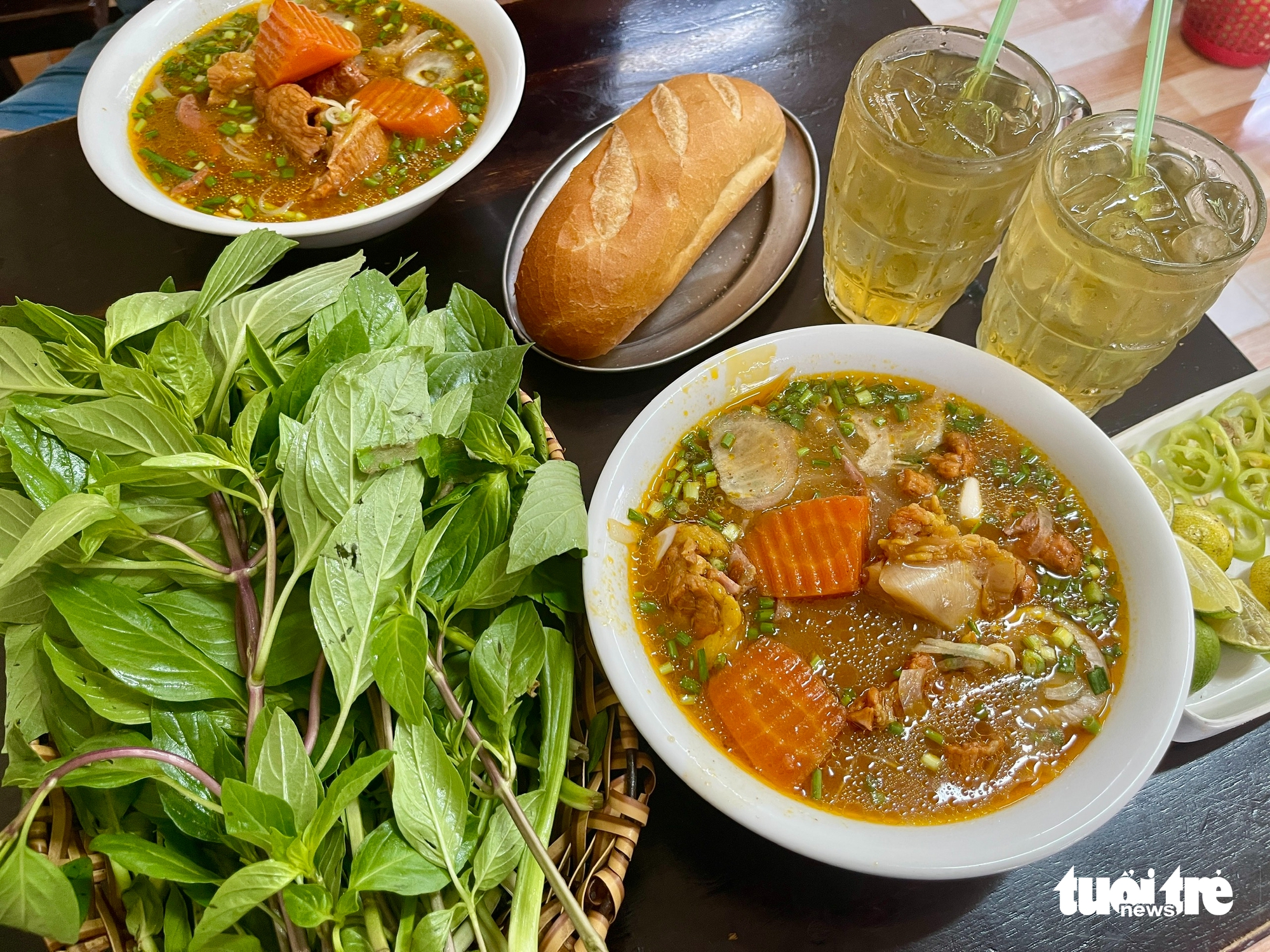
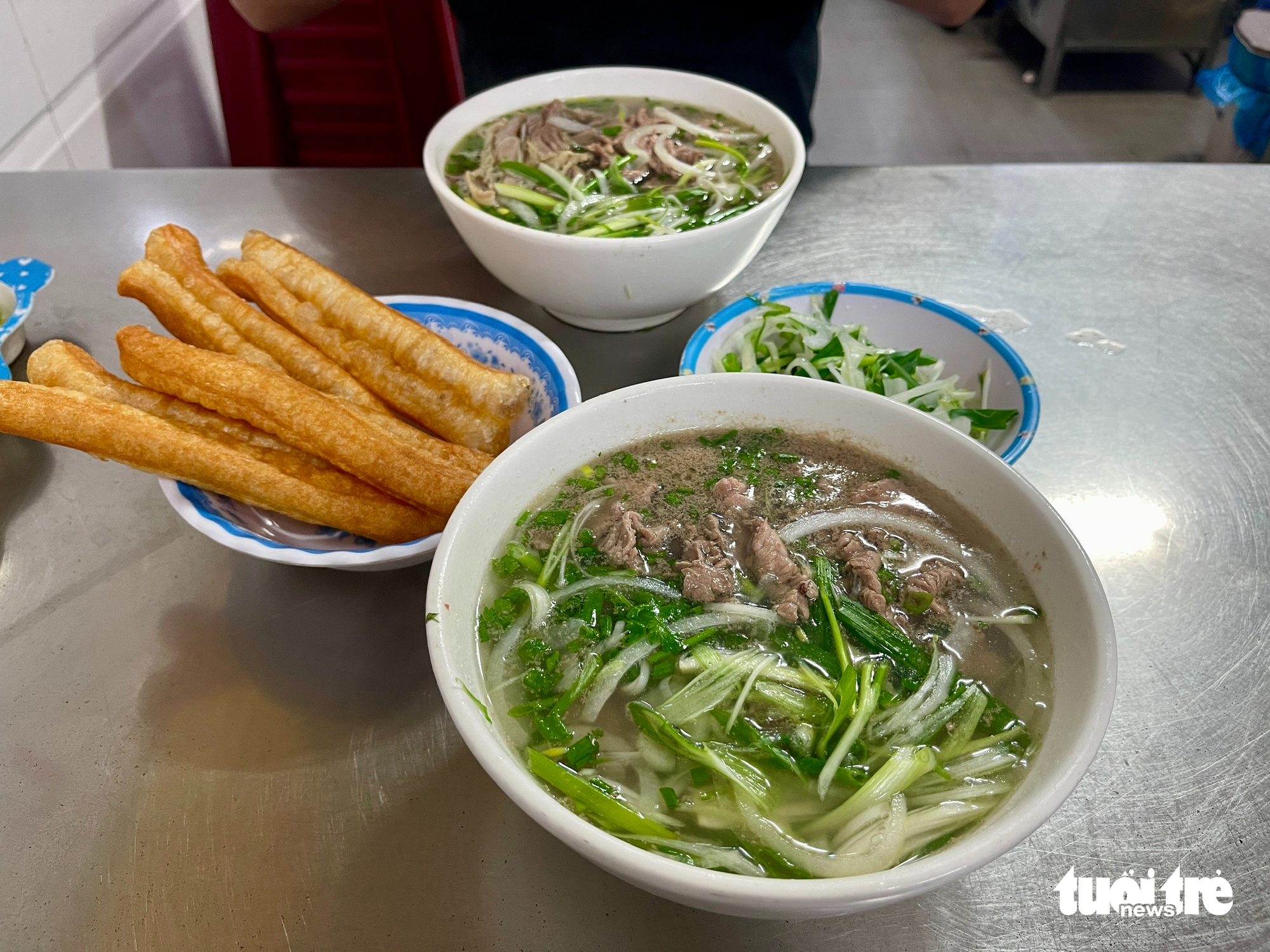
Vietnamese breakfasts may come as a surprise to travelers because of their remarkable variety and hearty portions. Photo: Dong Nguyen / Tuoi Tre News
“But after living in Vietnam, I got used to it, and now I sometimes have pho for breakfast too. It’s actually a great way to start the day because it’s warm, flavorful, and filling.”
Besides pho and bo ne, Darling’s breakfast choices also include xoi (sticky rice), banh cuon (steamed rice rolls), and banh mi.
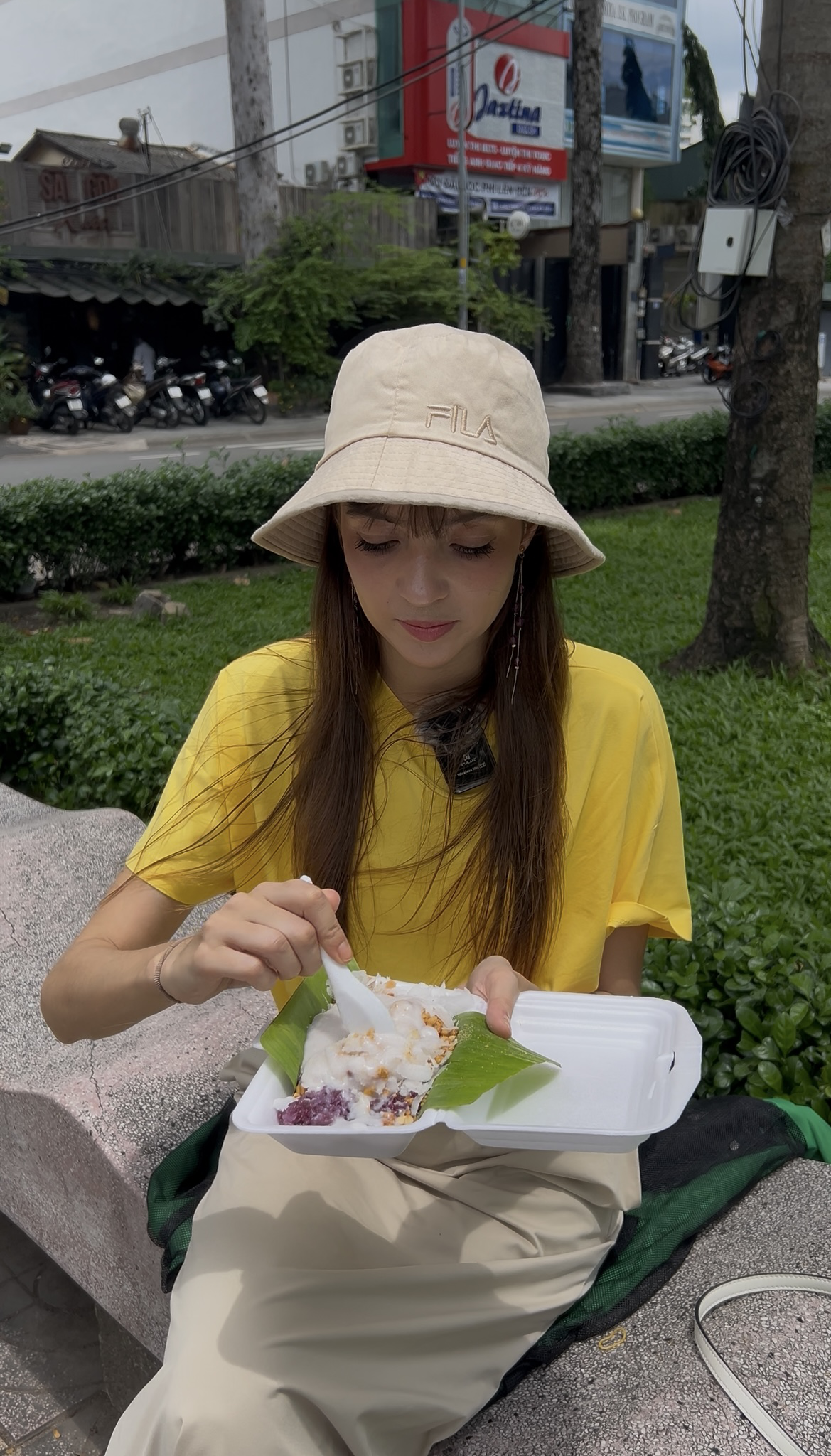
Valerie Darling is a big fan of xoi (sticky rice) in Vietnam. Photo by courtesy of Valerie Darling
Xoi, in particular, has already captivated her with so many different varieties.
“Some days I feel like eating sweet xoi, and other days I prefer savory xoi. There is always something different to try,” she said.
“I also love banh mi because it’s quick, convenient, and easy to find almost anywhere.
“There are so many different fillings, so you can always customize it however you like. It’s the perfect breakfast to take on the go.”
Since moving to Vietnam, Darling said her breakfast routine has changed significantly, and she now prefers Vietnamese breakfasts to Russian or Western ones.
“The main reason is that they’re so convenient. I can easily buy breakfast almost anywhere, and there are so many different dishes to choose from,” she said.
“They’re also delicious and affordable, so it’s easy to try something different every day.”
When she misses Russian breakfasts, especially pancakes or porridge, Darling finds similar alternatives in Vietnamese dishes such as banh xeo (savory sizzling crepes), and chao (Vietnamese porridge).
According to her, foreigners fall in love with Vietnamese breakfasts because they are fresh, flavorful, affordable, diverse, and easy to find as they can have a delicious breakfast almost anywhere, from small street stalls to local restaurants.
Spoiled for choice
Meanwhile, banh mi chao op la, a breakfast dish similar to bo ne but distinguished by its choice of toppings and pan presentation, has won a special place in the heart of Filipino artist Daniel Ansel Tingcungco.
“It feels like a feast, with eggs, different kinds of meat, pâté, and bread served together in a sizzling hot pan, it's the perfect way to start the day,” he said.
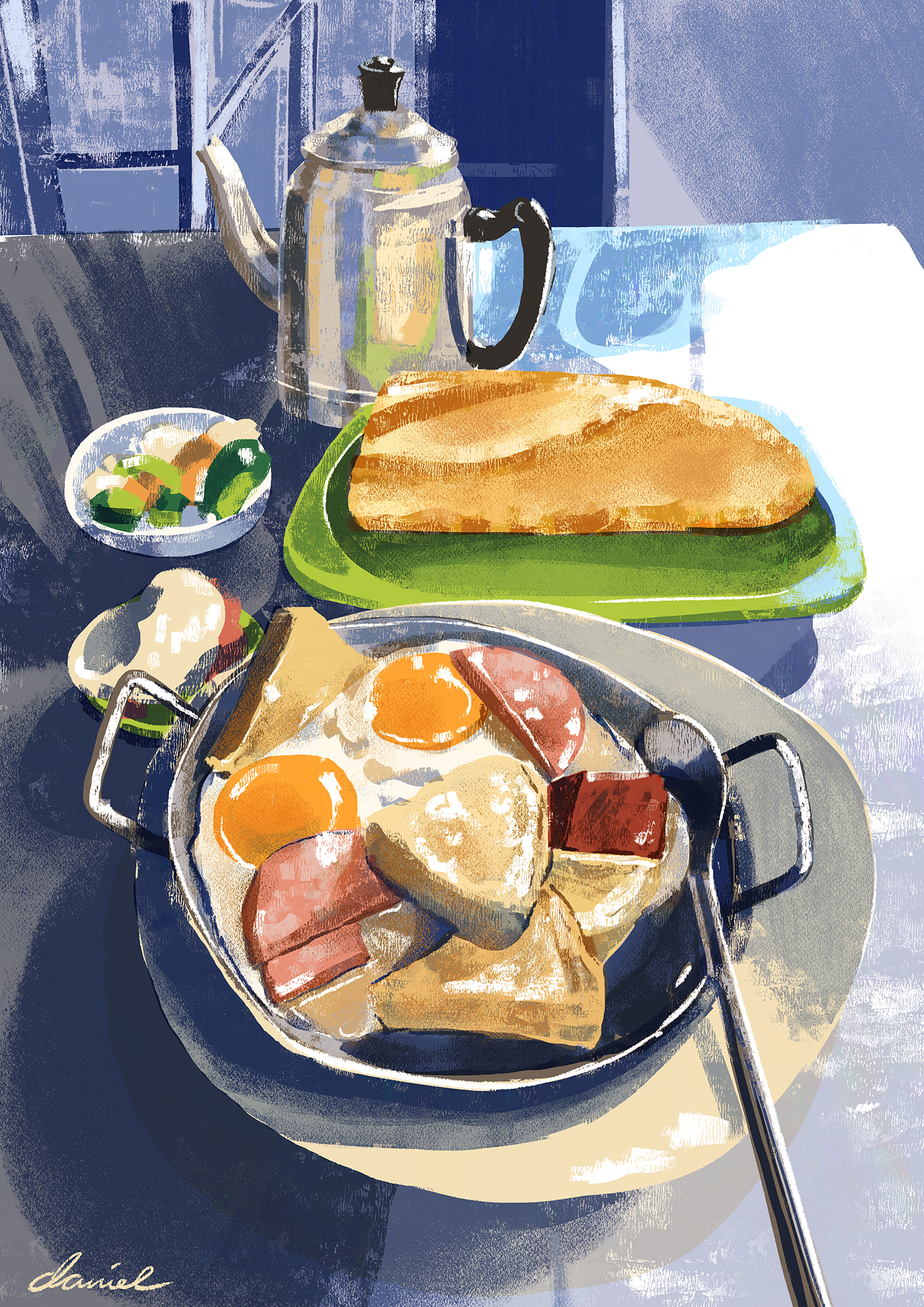
Filipino artist Daniel Ansel Tingcungco's illustrations of banh mi chao op la. Photo courtesy of Tingcungco.
If he’s in the mood for something lighter in the morning, Tingcungco usually goes for banh cuon.
“I love its delicate rice rolls filled with seasoned pork and wood ear mushrooms, served with cha (Vietnamese pork rolls), bean sprouts, fresh herbs, and a spicy dipping sauce,” he said.
“I almost always pair it with a glass of chanh muoi (Vietnamese aged salted lime juice), which makes the meal even more refreshing.”
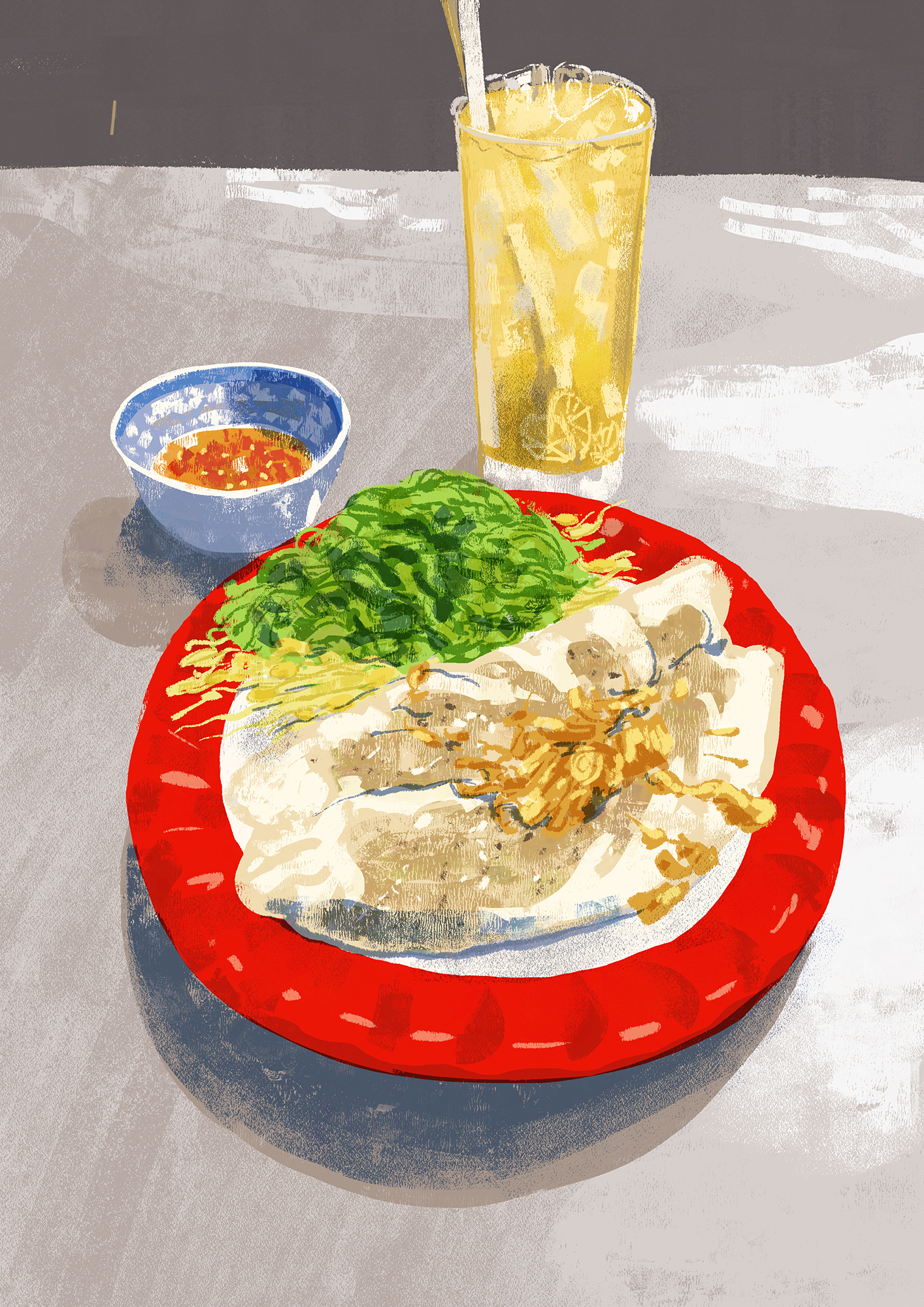
Filipino artist Daniel Ansel Tingcungco's illustrations of banh cuon and chanh muoi. Photo courtesy of Tingcungco.
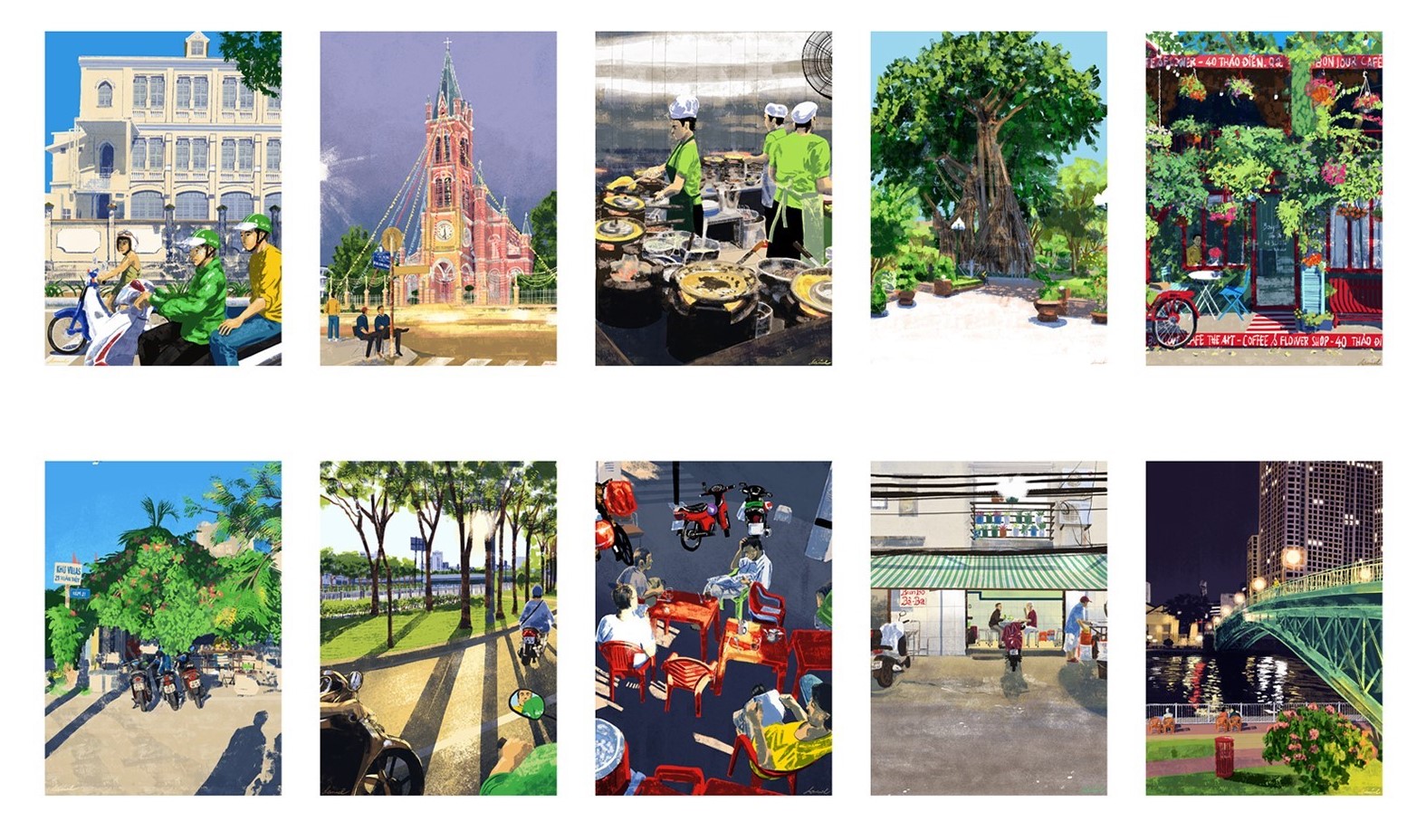
Known for his drawing series showcasing 100 views of Ho Chi Minh City and another featuring 100 tasty dishes from the city, Tingcungco has explored the local food scene extensively.
“Vietnam has an incredible variety of breakfast dishes, and I think people are truly spoiled for choice,” he commented.
“Whether you're craving something sweet or savory, light or hearty, meat-based or vegetarian, there's always something delicious waiting just around the corner.”
“One thing I especially appreciate is how customizable many Vietnamese dishes are,” he added.
“You can adjust the herbs, sauces, vegetables, and condiments to suit your taste, so even when you order the same dish, it can feel a little different every time.
 Daniel Ansel Tingcungco
A taste of local life
"I think the most interesting thing about Vietnamese breakfast is the atmosphere and the experience around it," said Valerie Darling.
"Some places only sell breakfast until 7, 8, or 9 am, and after that, they stop selling it. This means sometimes you need to wake up early if you want to try a certain dish."
"I actually think this is very beautiful because you wake up early, go outside, and have breakfast together with local people while the city is starting its day," she added.
"It feels like you are sharing the same morning rhythm with the locals.
"It's not just about the food, it's also about the culture, the atmosphere, and the experience that you can't really find anywhere else.









Max: 1500 characters
There are no comments yet. Be the first to comment.