


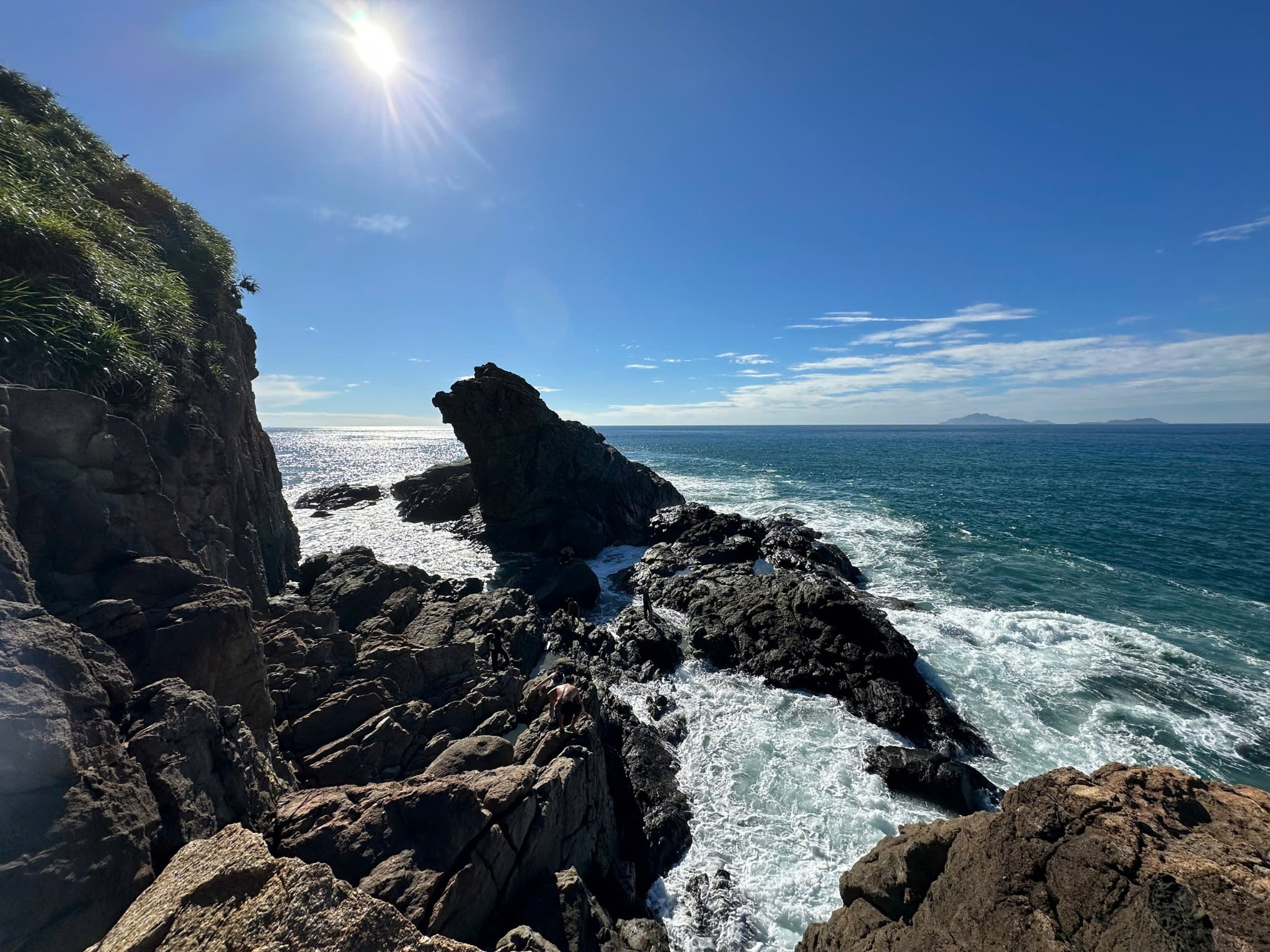
Mui Nghe, the easternmost point of Son Tra Peninsula in Da Nang City, central Vietnam. Photo: Lam Nghia Nhan
Besides the trekking route to Nghe Cape, where four tourists were swept out to sea by waves on Saturday, two other areas where self-guided trekking is currently prohibited are Huc Lo area, also known as Ghenh Bang (Bang Cliff), and Da Den Beach, according to a representative of the Management Board of Son Tra Peninsula and Da Nang Tourist Beaches.
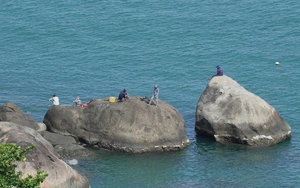
A common feature of these areas is their rocky terrain and strong waves, leaving people who fall into the water with little chance to recover from the situation.
For years, the management board has put up warning signs and barriers at various locations to advise visitors against entering these areas.
Complex currents can create whirlpools
According to Lam Huynh Nhan, a survival swimming instructor in Da Nang, the waters around Son Tra Peninsula have complex currents that can easily create whirlpools.
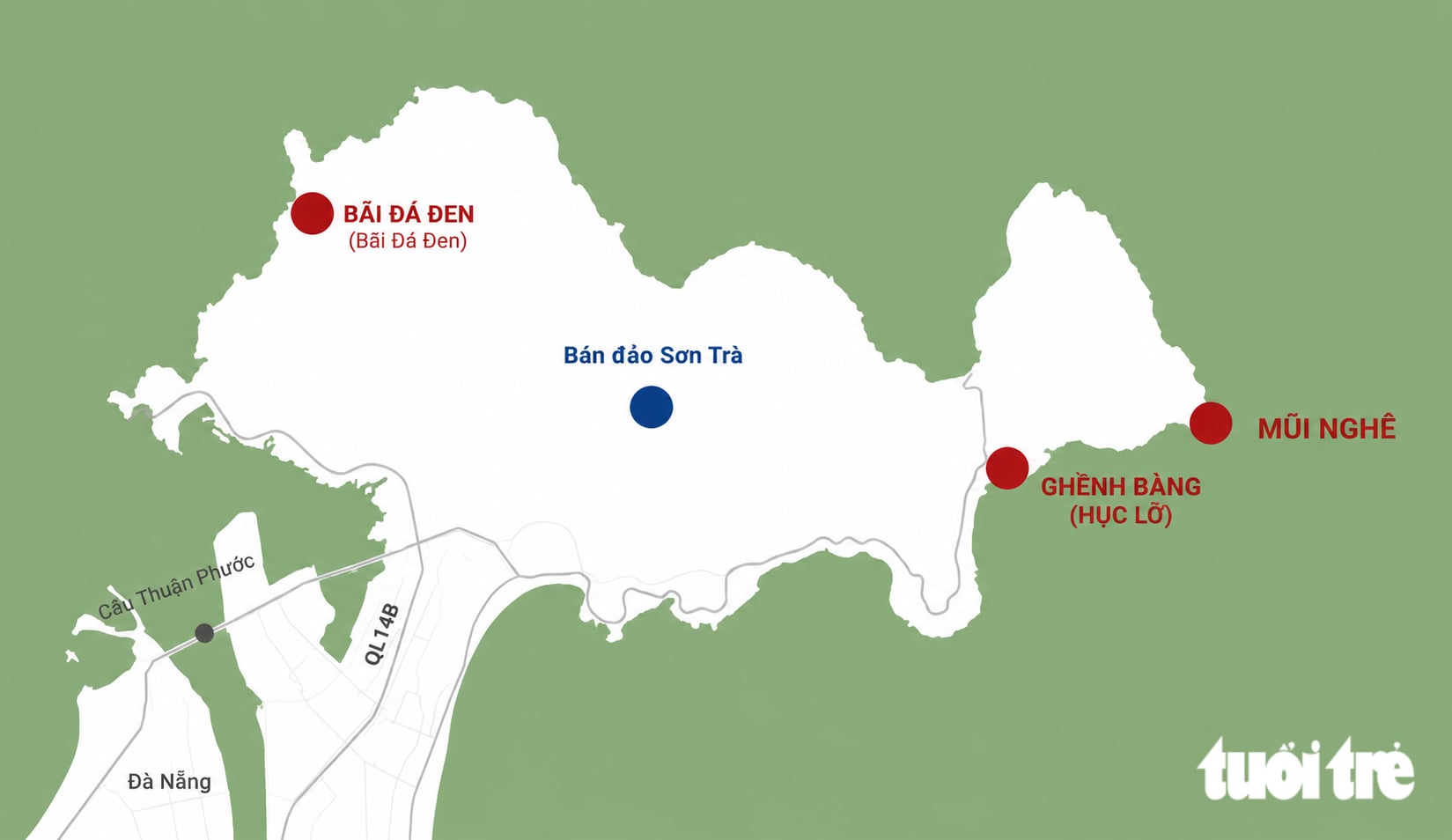
The locations of the three prohibited trekking routes on Son Tra Peninsula, including Nghe Cape, where four tourists were swept out to sea by waves on August 8, 2026. Graphic: Truong Trung / Tuoi Tre
These rocky areas at the three sites mentioned are where nearshore and offshore currents meet, making wave patterns unpredictable.
Large waves can suddenly appear even under normal weather conditions.
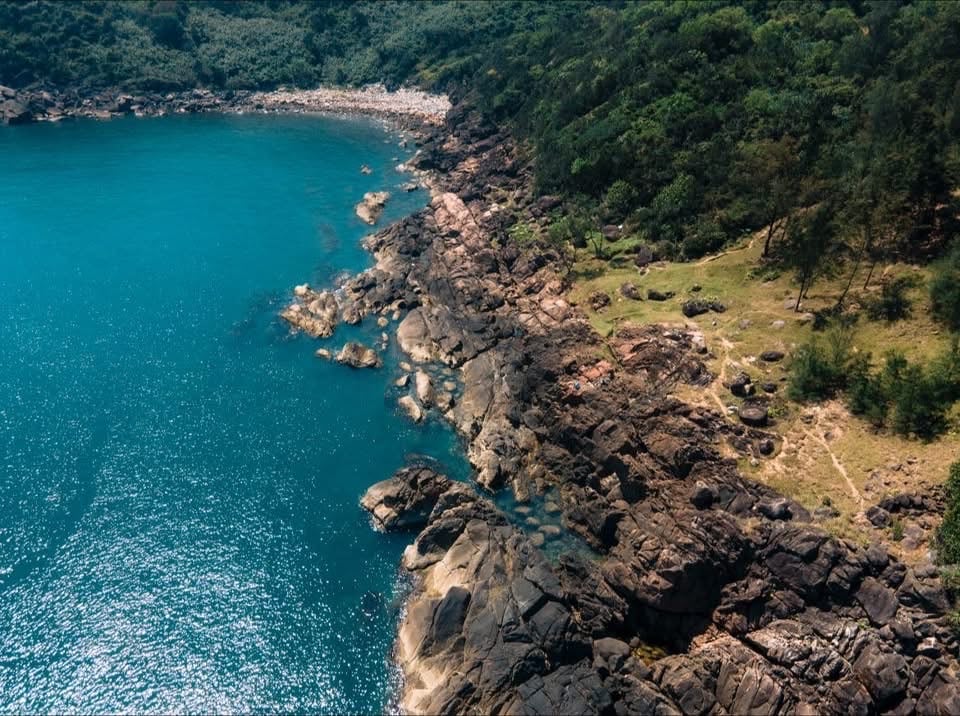
The stunning Da Den Beach on the northern side of Son Tra Peninsula in Da Nang City, central Vietnam. Photo: ROT
"Even strong swimmers can easily be swept farther offshore in these rocky areas if they do not know how to respond," Nhan warned.
"There have been cases of experienced anglers and fishermen going missing after falling into the sea in these areas."
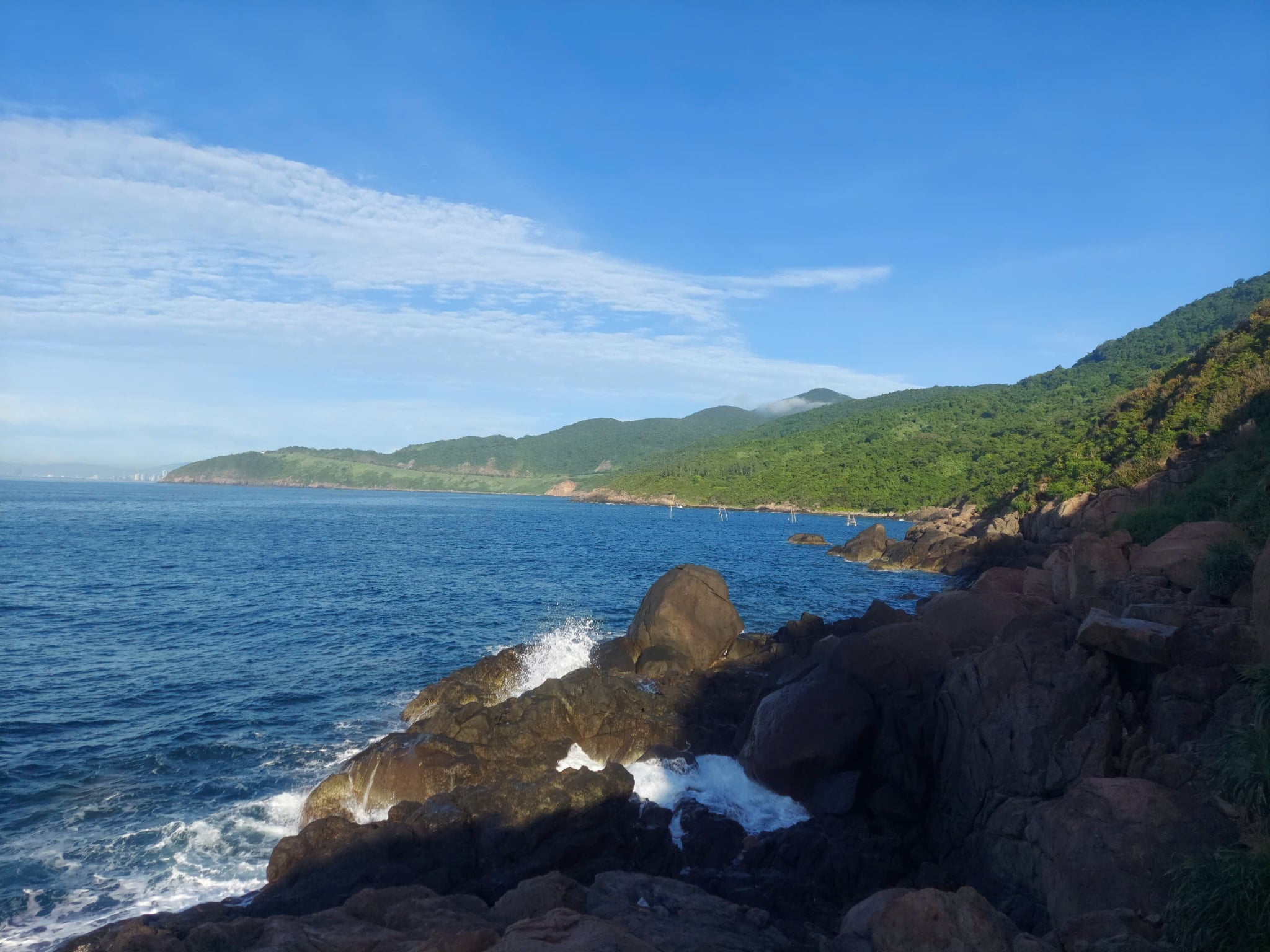
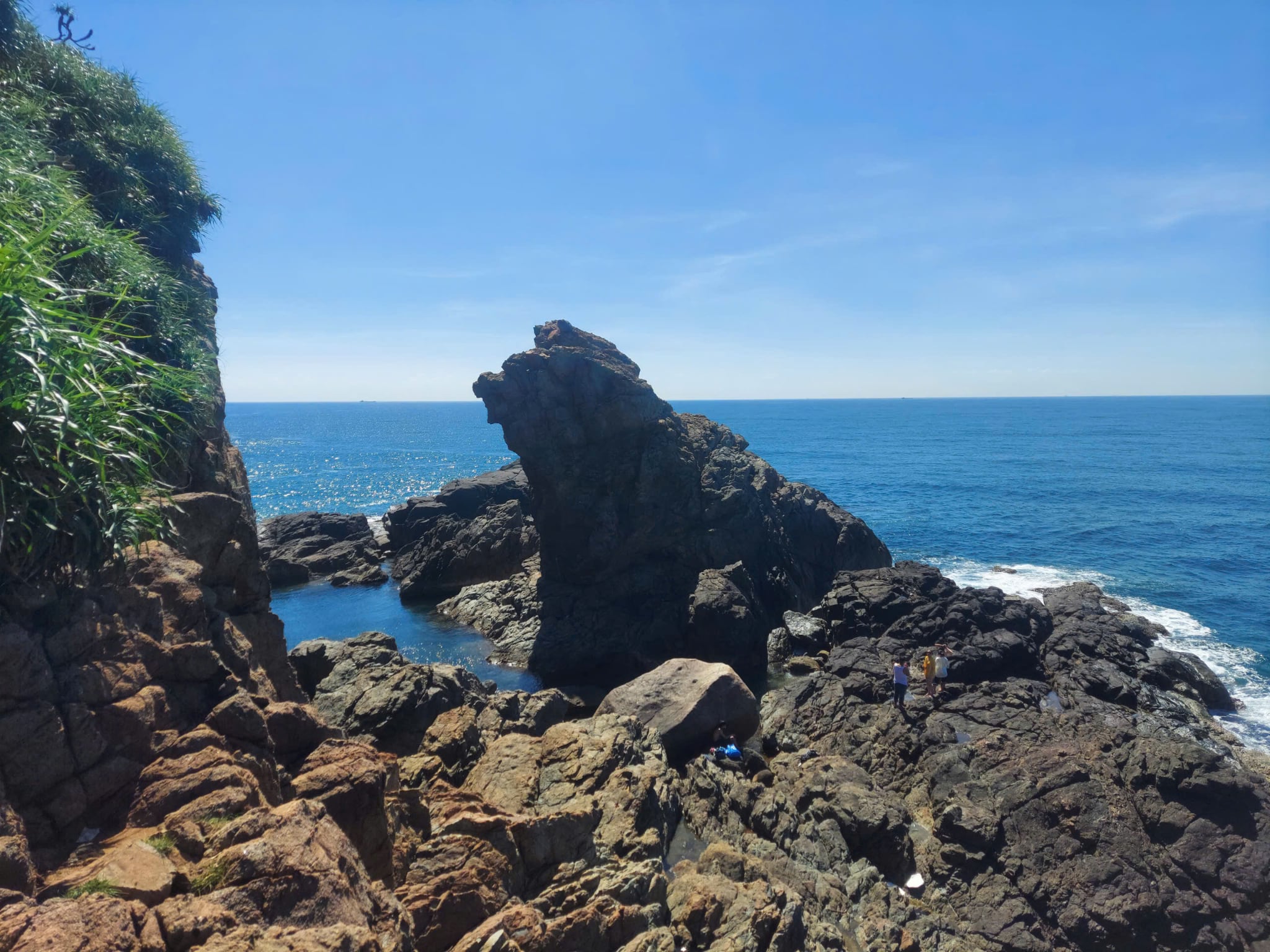
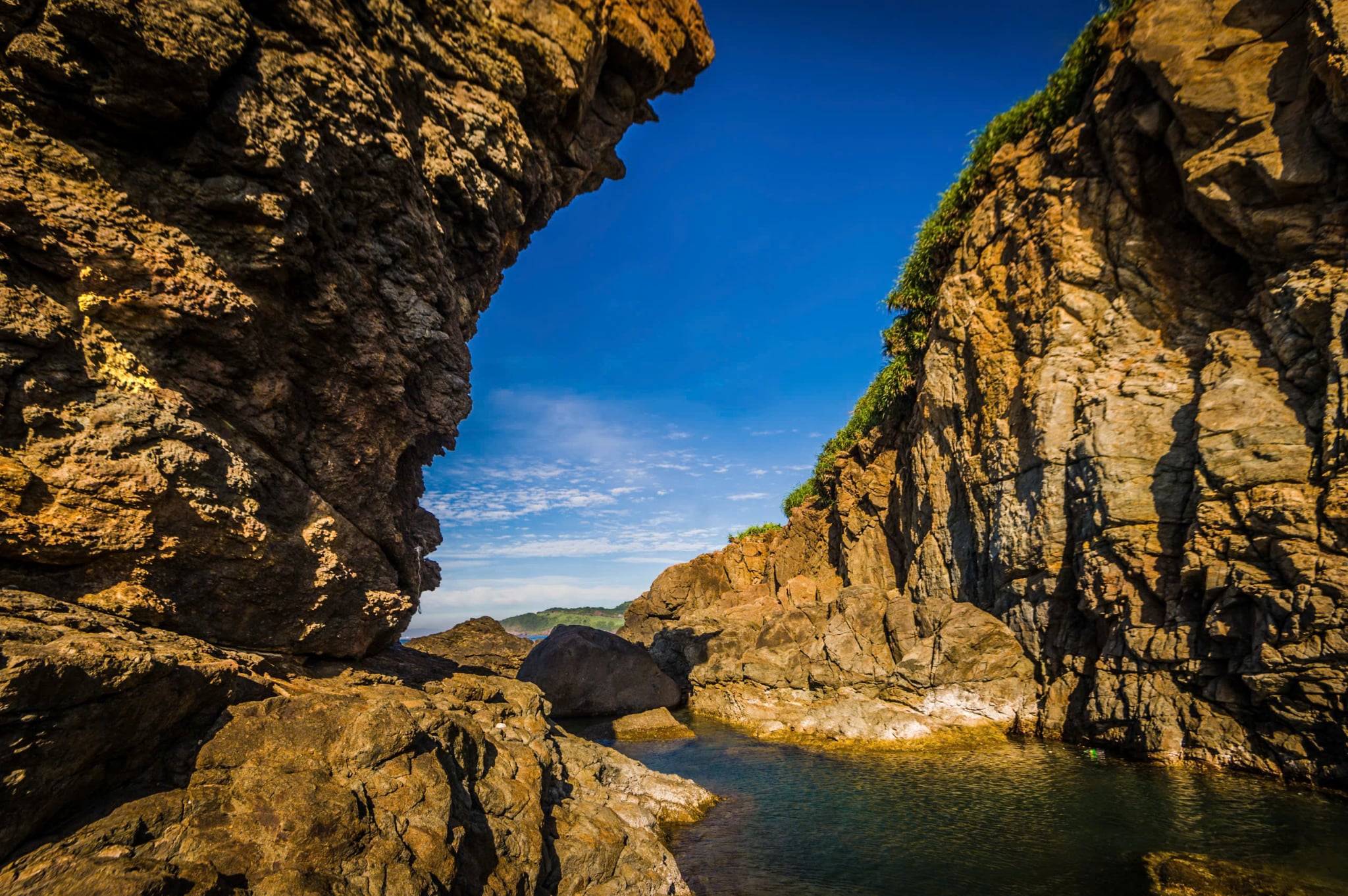
The Nghe Cape trekking site on Son Tra Peninsula, Da Nang City, central Vietnam attracts many visitors looking to explore its pristine natural surroundings. Photo: Vo Thinh
Safety first
Based on his experience training people in survival swimming, Nhan said the most important thing when trekking in hazardous areas is to put safety ahead of reaching a destination or taking a good photo.
He recommends trekking in groups of at least three or four people so they can support one another in case of an emergency.
When entering forests or rugged mountainous areas, trekkers should be accompanied by a guide familiar with the terrain.
Trekkers should also monitor the weather, sea conditions, vegetation, and surrounding terrain before and during their journey.
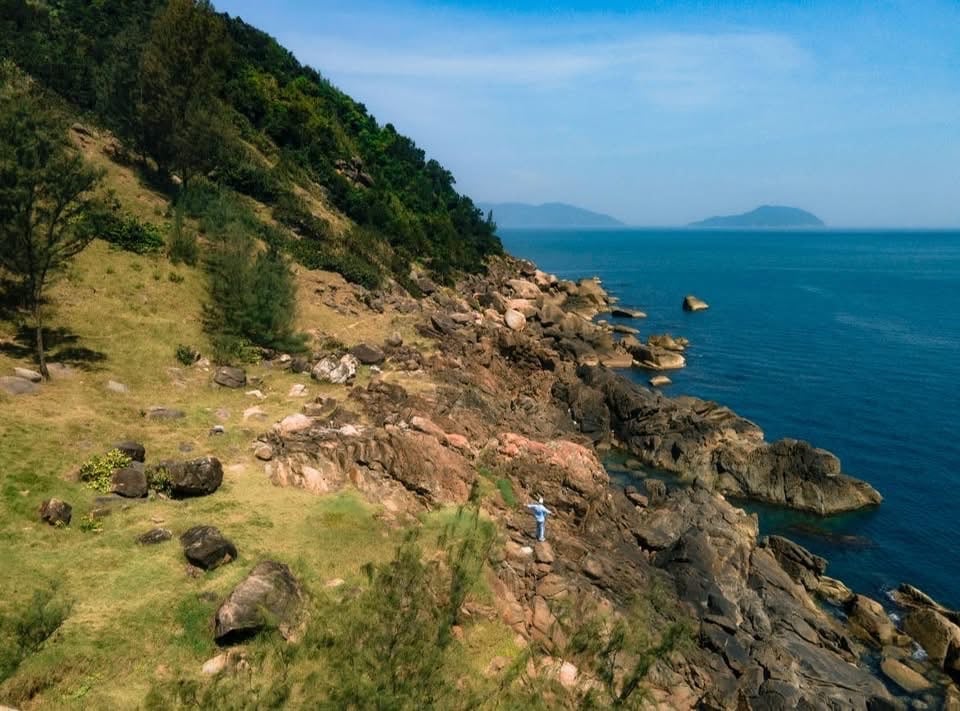
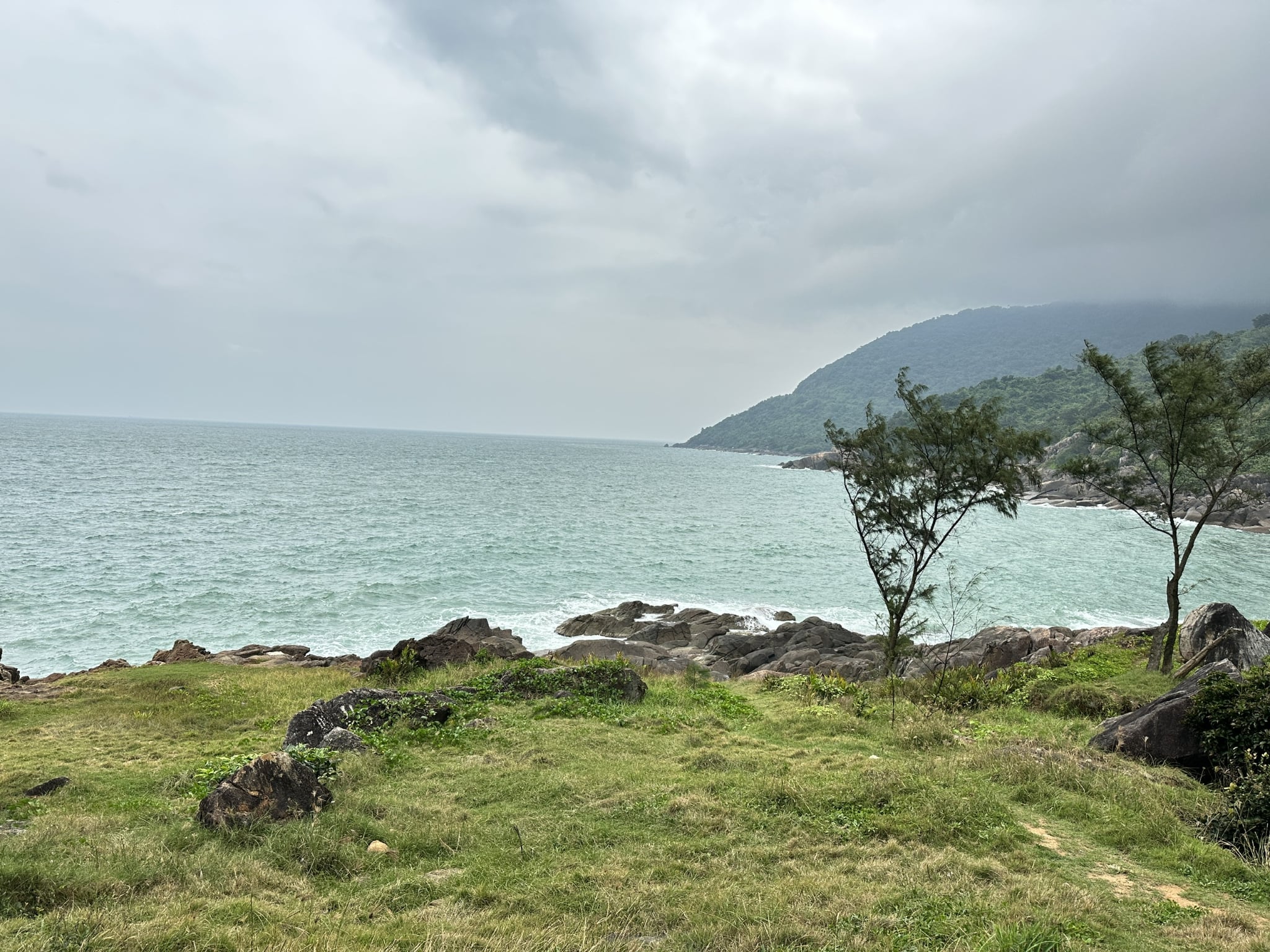
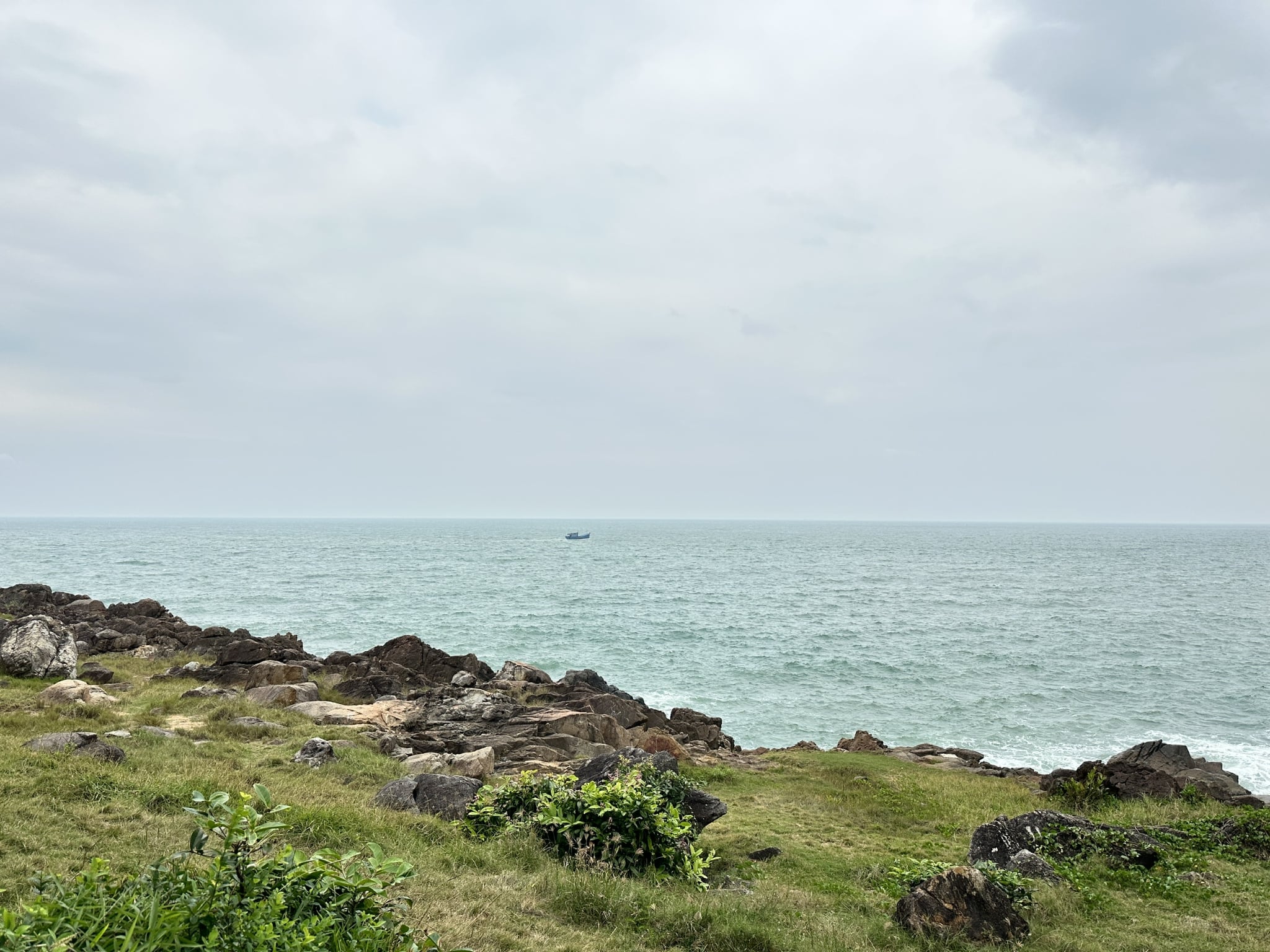
The Da Den Beach trekking route on Son Tra Peninsula attracts nature lovers. Photo: ROT - Trieu Pham
For other trekking routes on the peninsula, the Management Board of Son Tra Peninsula and Da Nang Tourist Beaches recommends that visitors travel in groups, stay within designated hours and learn about the terrain before heading into the mountains, as the peninsula covers a large area with many steep slopes and terrain that varies from one route to another.
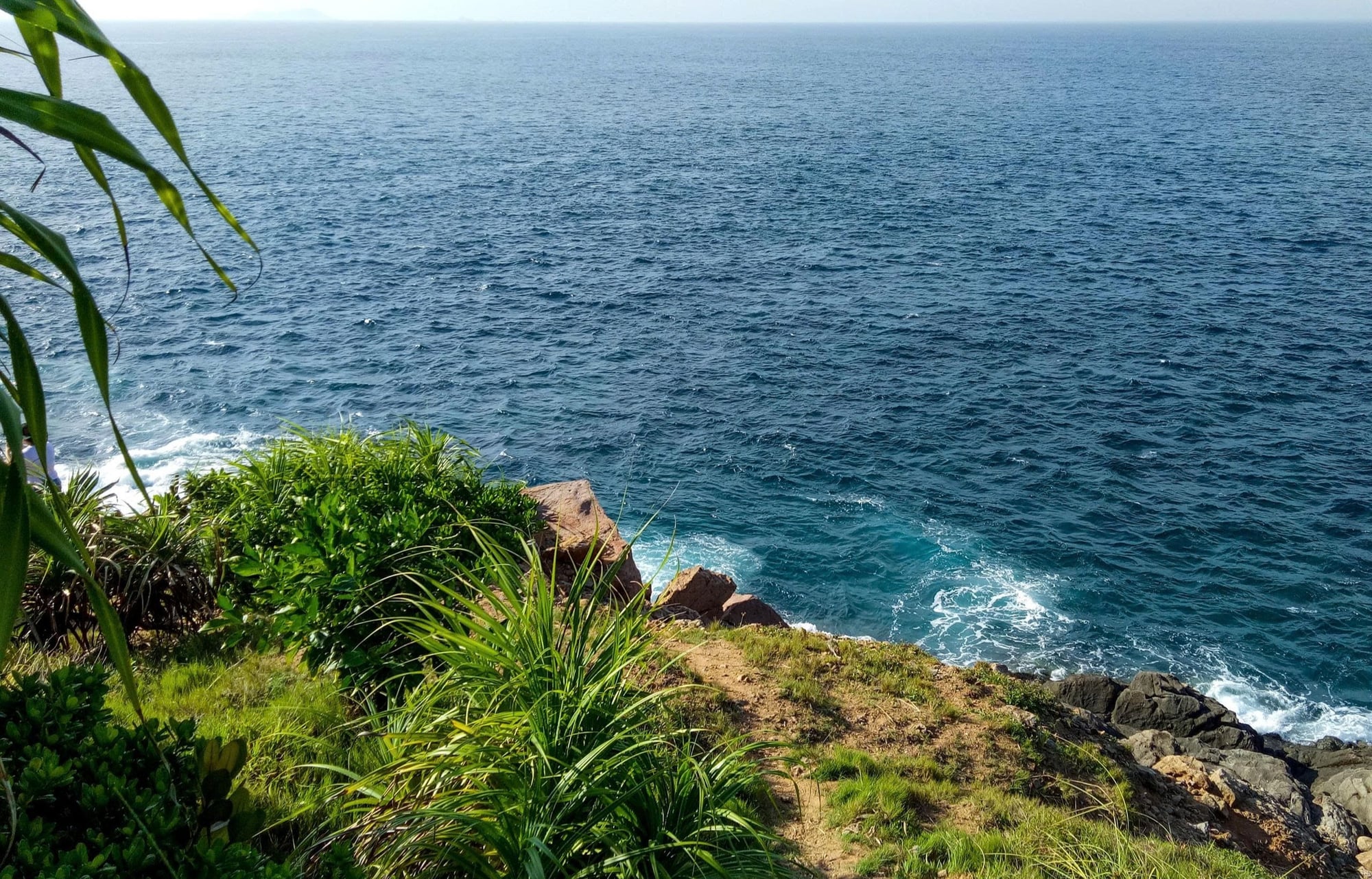
The trekking routes have difficult terrain, with rocky cliffs below the trails. Photo: Trieu Pham









Max: 1500 characters
There are no comments yet. Be the first to comment.