


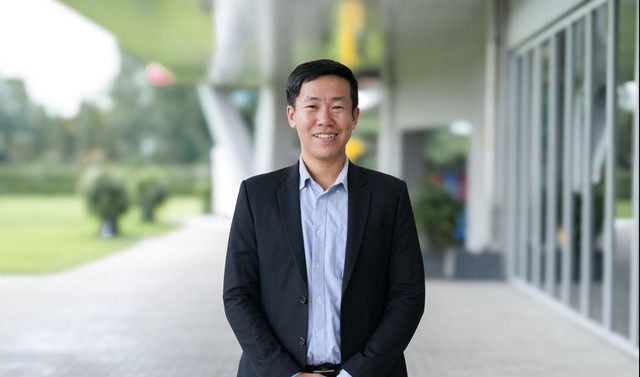
Dr Pham Viet Hung, Associate Program Manager, Electronic and Computer Systems Engineering & Robotics and Mechatronics Engineering, RMIT Vietnam. Photo: RMIT
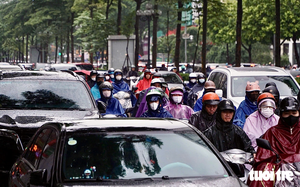
For millions of Vietnamese living in major cities, traffic congestion is a daily frustration that wastes time, reduces work productivity and lowers quality of life.
In Hanoi alone, traffic jams are estimated to cost the economy about US$1.2 billion a year, while commuters can spend hours stuck in traffic. Road traffic is also a major contributor to urban air pollution.
Artificial intelligence (AI) is already helping cities predict traffic conditions.
However, research by Pham Viet Hung of RMIT University Vietnam’s School of Science, Engineering and Technology suggests that prediction alone is not enough. To tackle congestion, cities must also identify what causes it.
Not limited to predicting traffic jams
Most traffic prediction apps can identify where congestion is likely to occur, but they often cannot explain why it happens.
Hung and his colleagues aim to answer that question by analyzing traffic data collected from commuters’ mobile phones.
The team combined machine learning, a form of AI that identifies patterns in data, with explainable AI, which helps clarify how an AI system reaches its conclusions.
They used one AI model to analyze traffic patterns and another tool to identify the factors behind its predictions.
This approach helped the researchers determine how location, time of day, weekends and special events contribute to traffic congestion in specific places and at specific times.
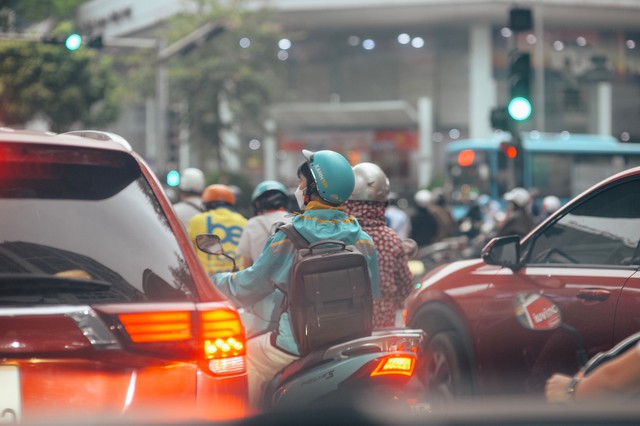
An AI model analyzes traffic patterns to identify the factors behind its predictions. Photo: Pexels
One surprising finding was that location played a greater role in traffic congestion than expected. Certain roads and areas had a stronger influence on traffic conditions than other factors. When location data was removed from the model, its predictions became significantly less accurate.
The study also found that not all traffic jams occur during rush hour. Some happen during quieter periods, driven by local activities or other location-specific factors identified by the researchers.
Without explainable AI, these patterns could have remained hidden in the data.
Understanding traffic to build smarter cities
Hung’s research could be particularly relevant to major cities such as Ho Chi Minh City, where roads and transport infrastructure often struggle to keep up with growing travel demand.
Building large networks of traffic sensors can be expensive, while millions of commuters generate useful data every day through the phones in their pockets.
With about eight million motor vehicle users in Ho Chi Minh City, this data could provide a more detailed picture of how people travel and where traffic problems are most severe.
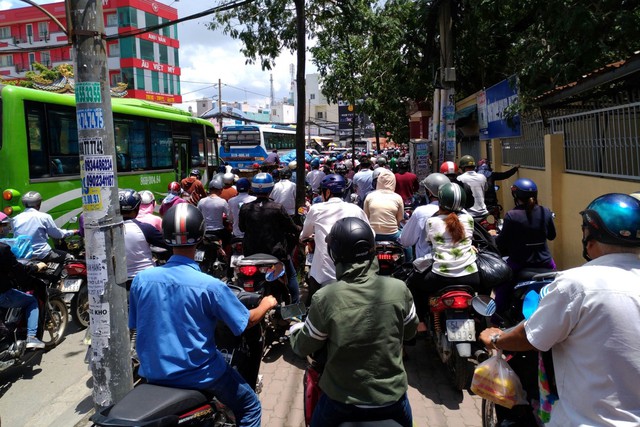
RMIT research aims to turn data from millions of commuters into better traffic management decisions. Photo: Pexels
A better understanding of traffic patterns could also help logistics and delivery companies plan more efficient routes, reducing travel times and operating costs. Urban planners could pinpoint congestion hotspots more accurately and choose solutions that deliver the greatest impact.
Hung’s team plans to expand its framework by incorporating additional data sources, including weather conditions, road incidents and public events.
The researchers also hope to test the approach in other cities to better understand traffic patterns across different urban environments.
“The motivation behind this research is the opportunity to turn data from everyday commuters into detailed, practical insights that can help governments, businesses and communities make better decisions,” Hung said.
“By making AI not only more powerful but also more transparent and easier to understand, we hope to contribute to a future where technology helps create more efficient, livable and people-centered cities across Vietnam.”









Max: 1500 characters
There are no comments yet. Be the first to comment.