


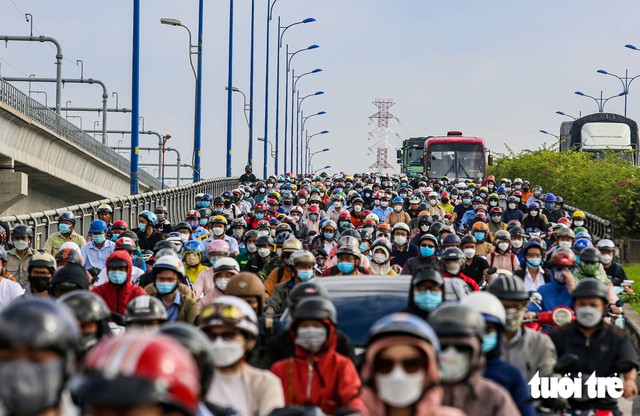
Persistent traffic congestion has plagued many areas of Ho Chi Minh City for years, as growing travel demand continues to outstrip existing road capacity. Photo: Chau Tuan / Tuoi Tre
As of June 2026, the city had 12.77 million registered vehicles, including 11.55 million motorbikes, excluding vehicles entering or passing through from other localities.
Following its administrative merger, Ho Chi Minh City has a population of roughly 14 million, but many major transport links remain incomplete.
Road infrastructure struggles to keep pace
Traffic is increasingly concentrated at major gateways and arterial roads, while the city's public transport network remains inadequate, according to the Ho Chi Minh City Department of Transport.
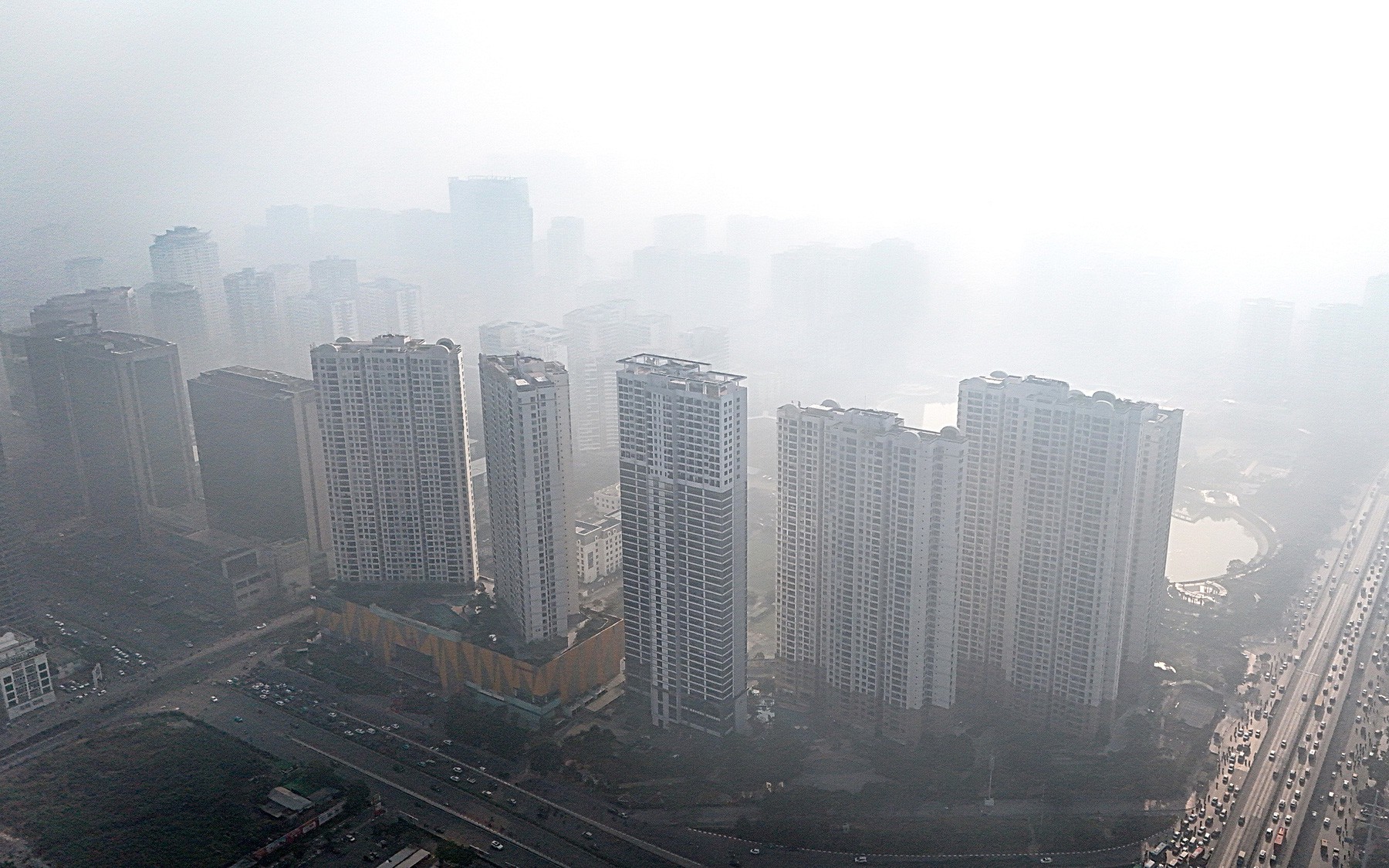
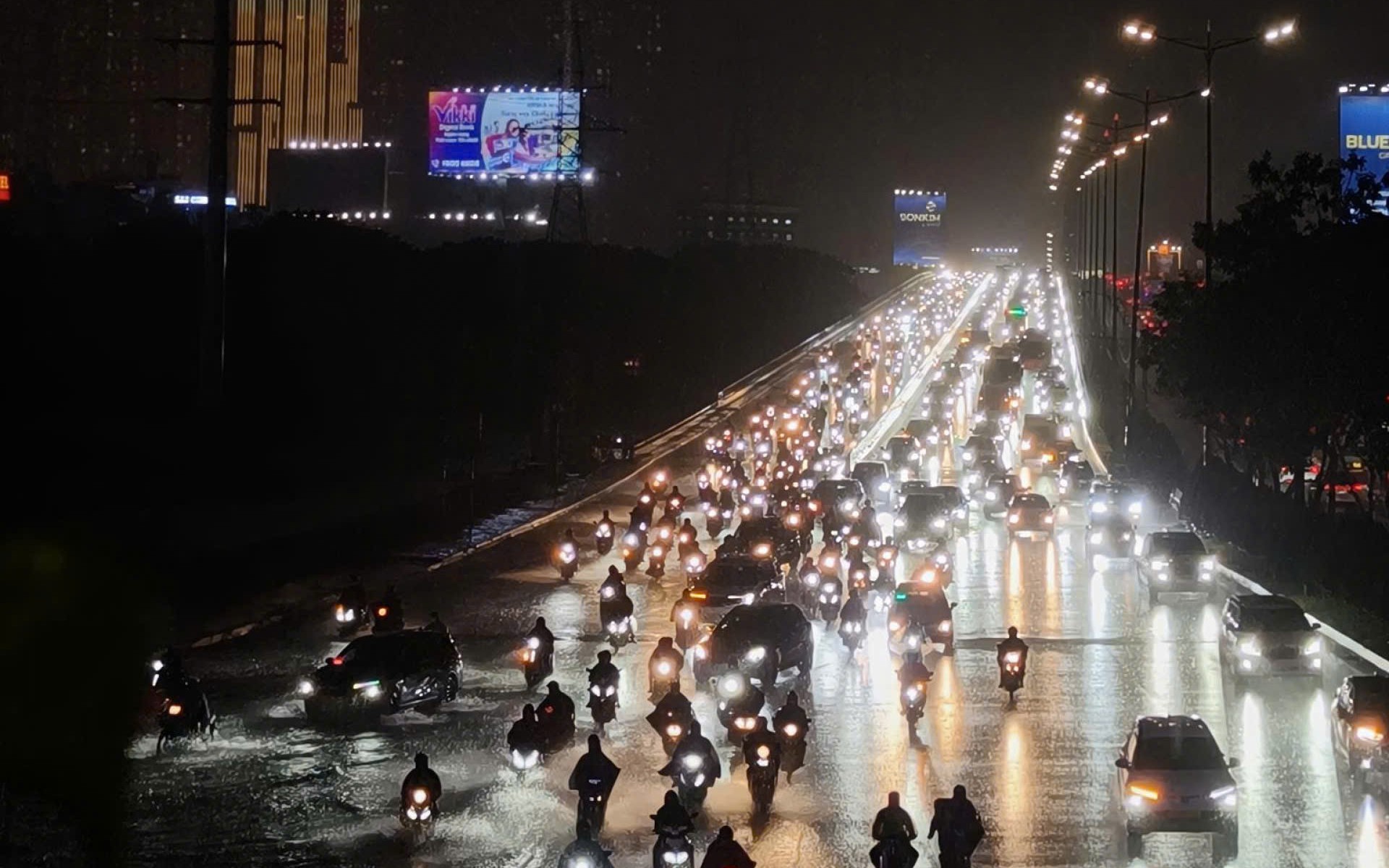
Beltway No. 2 still has a 13.75-kilometer gap, while Beltways No. 3 and 4 and several expressways connecting Ho Chi Minh City with neighboring localities are under construction or in the planning stages.
Public transport accounts for just 7.23 percent of passenger trips, with the city's only operational metro line, the 20-kilometer Ben Thanh-Suoi Tien route, offering limited relief.
Bus connections between urban areas and emerging development centers also remain insufficient.
The department has identified 28 locations at risk of congestion that require priority intervention, including Hang Xanh Intersection, An Phu Interchange, the Dinh Bo Linh-Bach Dang and Pham Van Dong-Phan Van Tri intersections, Nguyen Tat Thanh Street, and Truong Chinh Street.
Addressing these bottlenecks will require substantial investment.
The city estimates it needs VND1.12 quadrillion (US$43.3 billion) for transport infrastructure between 2026 and 2030, but its projected public budget of VND616 trillion ($23.8 billion) would cover only about 55 percent of that amount.
The department therefore recommends prioritizing projects that improve connectivity across multiple areas rather than developing individual roads and interchanges in isolation.
New law paves way for faster projects
The Urban Development Law, which took effect on October 1, gives the city greater authority to approve and implement major transport projects.
Under the law, the Ho Chi Minh City People's Council can approve investment policies for nationally important public investment and public-private partnership (PPP) projects.
The chairman of the Ho Chi Minh City People's Committee can also make investment decisions for major projects without undergoing the usual procedures for preparing, appraising, and approving investment policies, potentially shortening project preparation times.
The Department of Construction has proposed a list of major projects eligible for these mechanisms, along with regulations to streamline subsequent construction design and cost approval procedures.
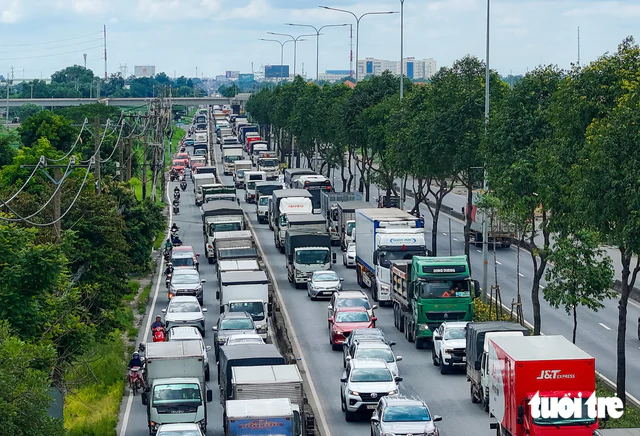
National Highway 22, with an overpass under construction as part of the Beltway 3 project in the background, is expected to be completed in 2026. Photo: Chau Tuan / Tuoi Tre
For 2026-30, the city will prioritize completing roads and interchanges linking major gateways, seaports, airports, industrial parks, logistics hubs, and urban areas.
Metro development will also be central to its long-term strategy, with approximately 11 lines totaling 500 kilometers planned.
The city intends to promote transit-oriented development (TOD) around metro stations, using new legal mechanisms to manage land use, underground and above-ground space, and generate infrastructure funding through land auctions.
The law also allows the city to redistribute land-use planning quotas among TOD projects and separate compensation and resettlement work into independent projects when necessary.
The Department of Construction stressed that roads, metro lines, buses, waterways, and aviation must be developed as an integrated transport network rather than separate systems.
A modern seaport, for example, cannot operate at its full logistics capacity if connecting roads remain congested, the department said.
It added that the success of transport investment should be measured not merely by kilometers of roads or metro lines completed, but by how much it improves mobility, speeds up freight movement, and reduces travel time and costs.


Max: 1500 characters
There are no comments yet. Be the first to comment.