


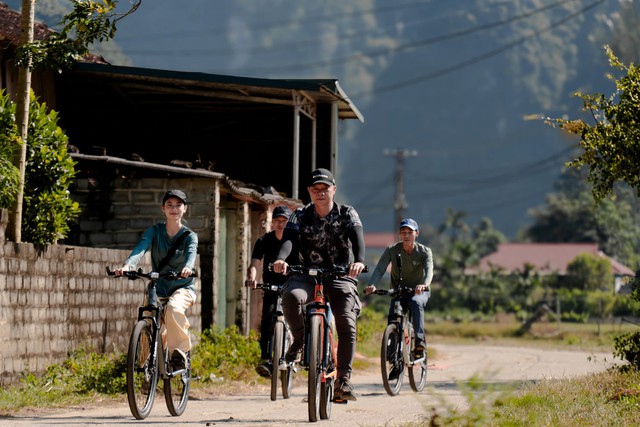
Travelers are increasingly seeking deeper experiences at destinations. Photo: Ta Thanh Sang / Tuoi Tre
As “check-in” travel loses some of its novelty, more travelers now want something deeper: longer stays, closer contact with local communities, and a more meaningful feel for the places they visit.
This shift is pushing tourism from simply selling destinations toward creating deeper experiences that generate greater value for both travelers and local communities.
From sightseeing to belonging
Dr. Duong Duc Minh, deputy director of the Ho Chi Minh City Institute for Economic and Tourism Development Research, said the essence of “check-deep” lies in creating a sense of belonging.
Rather than simply observing a destination, travelers want to take part in local life, whether through farming, traditional crafts, cultural activities, or direct interaction with residents.
“This connection works both ways,” Minh said.
Local residents gain greater appreciation for their own cultural and natural assets when they see tourism contributing to their community, while visitors develop a stronger emotional connection with the destination.
This creates what he calls a “living experience,” one that continues to resonate even after travelers leave and can give them a reason to return and explore deeper layers of local culture.
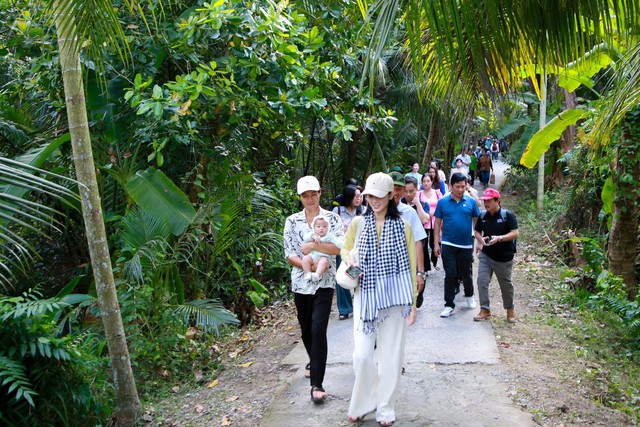
Local experiences can add greater value to a journey. Photo: Nguyen Thanh Tuan / Tuoi Tre
He added that growing pressure from work and daily life has also increased demand for travel that offers rest, emotional recovery, and opportunities to reconnect with oneself.
The rise of digital nomads is reinforcing the trend, with some travelers looking for quieter destinations where they can work remotely while engaging with local culture.
Minh said fast-paced travel still dominates the market, but “check-deep” is emerging as a niche as increasingly well-informed travelers seek authentic experiences rather than staged attractions.
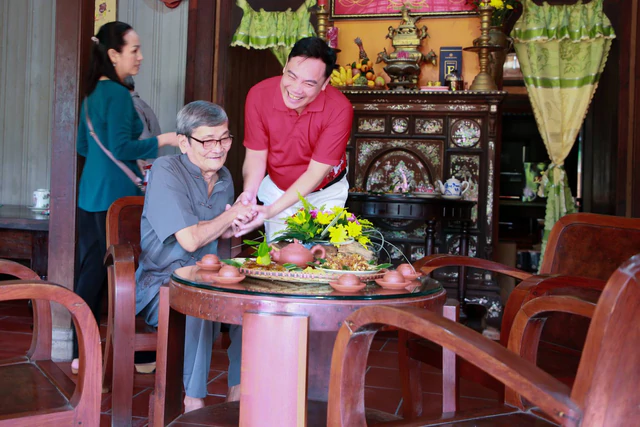
Dr. Duong Duc Minh (in red) says “check-deep” is about developing a sense of belonging to a place. Photo: Nguyen Thanh Tuan / Tuoi Tre
Better transport, more time at destinations
Better transport and changing post-pandemic travel habits are giving tourists more time and more reason to stay longer and seek deeper experiences at their destinations.
Tourism expert Phan Yen Ly said traveler behavior has changed significantly since the COVID-19 pandemic.
The expansion of transport infrastructure, particularly expressways, has shortened travel times and allowed tourists to spend more time at their destinations.
“Travel itineraries inevitably have to be redesigned,” she said.
Tourism expert Phan Yen Ly emphasizes the importance of developing products with cultural depth. Photo: Do Dat / Tuoi Tre
Social media once helped fuel the rise of check-in tourism, where visitors moved quickly from one photo spot to another. But Ly said such trips often generate limited value for destinations because visitors stay only briefly and spend little.
Deeper experiences, by contrast, can encourage longer stays and higher spending.
Although experiential tourism is not new, Ly said demand became more visible after the pandemic, with travelers increasingly favoring smaller groups, hands-on activities, community interaction, and cultural storytelling.
That means tourism businesses must do more than follow trends, she said. They need to actively create products that offer genuine depth.
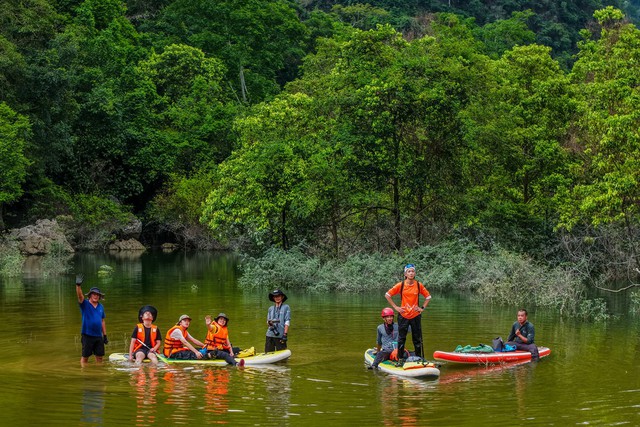
Community-based tourism can create greater value for destinations. Photo: Ta Thanh Sang / Tuoi Tre
Sell stories, not just tickets
Tour operators and tourism service providers need to proactively create meaningful products instead of chasing short-lived trends with photo spots designed mainly for social media. Investing in cultural depth and the cultural industries is key to building lasting appeal, Ly said.
Night tours such as “Decoding the Thang Long Imperial Citadel” in Hanoi and “Moon over the Resistance Base” at the Cu Chi Tunnels in Ho Chi Minh City are examples of turning history into an experience rather than simply selling admission.
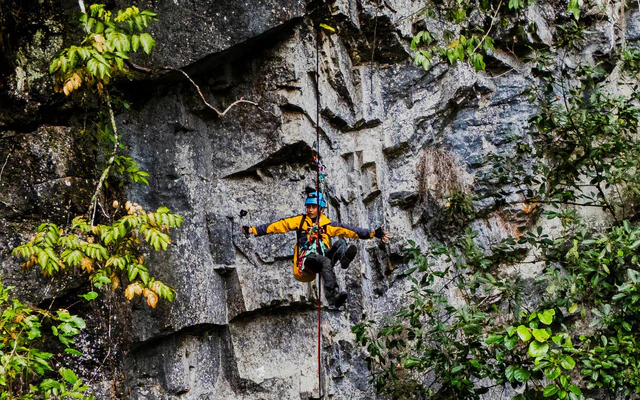
Travelers take part in adventure activities instead of simply sightseeing and taking photos - Photo: Ta Thanh Sang / Tuoi Tre
Ta Thanh Sang, marketing director at Vietnam Expeditions, said “check-deep” is also increasingly linked with sustainable tourism.
Working in tourism in Lang Son Province, which became home to a UNESCO Global Geopark in 2025, he has seen growing traveler interest in more interactive experiences such as trekking, cave exploration, learning about karst landscapes, and joining Tay and Nung communities in community-based tourism activities.
Sang said activities such as hiking, cycling, reducing plastic waste, and staying in community-run homestays can both lower environmental impacts and create livelihoods for residents.
Nguyen Van My, chairman of Lua Viet Tours, said the trend reflects a broader shift from taking photos to slowing down and engaging more closely with a destination.
Vietnam, he said, has abundant local resources, and even ordinary aspects of rural life can become meaningful tourism experiences if presented well.
A water caltrop field, for example, can offer much more than a photo opportunity if visitors are invited to wade into the field, harvest the crop with farmers, prepare it, and taste the result.
The real value of deep travel lies in the feeling it creates, something a camera cannot fully capture.
He said local residents should be treated as tourism ambassadors because they hold the stories, customs, and traditional knowledge that can give tours greater cultural depth.
Making “check-deep” work for destinations
Dr. Duong Duc Minh said the success of “check-deep” depends less on how elaborate an experience is than on thoughtful planning and cooperation among authorities, businesses, and local communities.
Authorities need to provide the right framework, businesses should develop responsible products, and residents must have a real role in both shaping tourism and sharing its benefits.
Community-based models such as Con Chim in Tra Vinh and Thieng Lieng in Can Gio show how local culture can support livelihoods. But Minh cautioned against simply copying successful models, saying each destination should build experiences around its own identity and strengths.
“Check-deep” is therefore not a replacement for “check-in.” A photo may draw travelers in, but the lasting value comes from what they discover after putting their phones away.








Max: 1500 characters
There are no comments yet. Be the first to comment.