


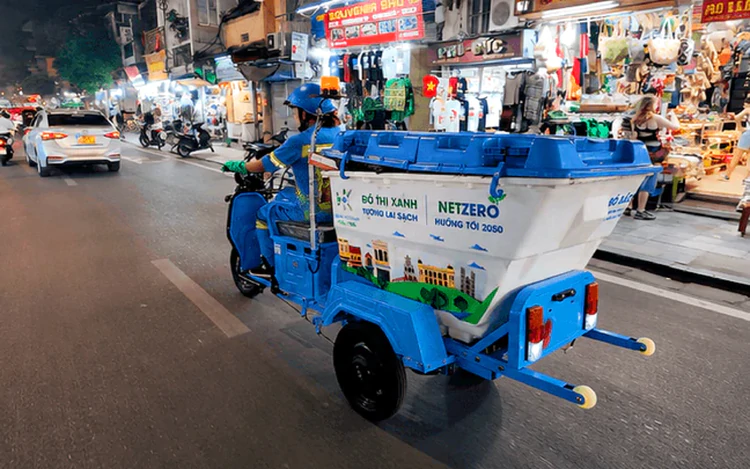
Urenco is piloting electric tricycles for waste collection in Hoan Kiem Ward, Hanoi. Photo: Urenco
Tran Thi Minh Hien, deputy head of Urenco's technical and technology division, shared the information at the 2026 Workers for the Environment Forum, organized by Lao Dong (Labor) newspaper and the Ministry of Agriculture and Environment on Wednesday afternoon.
According to Hien, the company is implementing the electric tricycle pilot in three phases through the end of 2028, prioritizing narrow alleys and densely populated residential areas in the inner city.
In the first phase, Urenco has deployed 51 electric tricycles and assigned 51 workers to collect and transport around 52 metric tons of waste daily across 21 of the 28 residential groups in Hoan Kiem Ward.
Each tricycle collects and transports an average of around 120kg of waste per trip, with each trip taking approximately 25 minutes. Transferring waste to specialized collection trucks takes around one to two minutes per load.
"The model has eliminated 35 unsanitary waste collection points and reduced the number of waste collection bins on streets by 70.
"It has reduced collection routes within the area by around 14km and cut emissions by an estimated 0.46 metric tons of carbon dioxide equivalent per day.
"The model has received positive feedback from residents, while workers face less physical strain as they no longer have to push waste bins or carts over long distances. Waste is also left in residential areas for shorter periods," Hien said.
For the second phase, scheduled for 2027, the company plans to deploy more than 440 electric tricycles in central wards within Beltway No. 1, including Ba Dinh, Ngoc Ha, Tay Ho, Giang Vo, Cua Nam and Hoan Kiem.
The third phase, planned for 2028, will explore expanding the model to areas within Beltway No. 2 and other suitable locations, with the fleet expected to reach 660 electric tricycles.
Hien said the results of the third phase would provide an important basis for proposing improvements to management and considering wider deployment across the city.
Urenco also said that, in addition to the three-wheelers used for initial waste collection, it had put five small electric trucks, two electric street-sweeping and washing vehicles, and one electric water-spraying vehicle into operation.
In 2027, the company plans to pilot the replacement of 41 specialized diesel vehicles with electric ones in Hoan Kiem and Cua Nam wards.
In 2028 and 2029, the number of converted vehicles is expected to rise to 121, with the program expanding across the entire Beltway No. 1 area and some parts of Beltway No. 2.
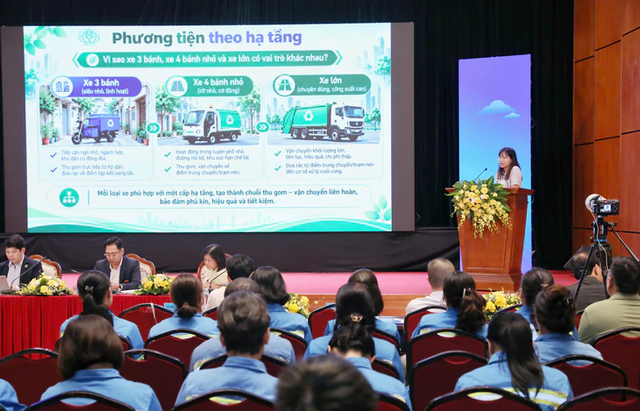
Delegates discuss environmental issues at the 2026 Workers for the Environment Forum on November 18, 2026. Photo: C. Tue / Tuoi Tre
Based on its experience and planned initiatives, Hien proposed using low-emission zones as priority areas for the green transition of public-service vehicles.
She also called for coordinated development of three- and four-wheeled electric vehicles according to different urban areas, alongside integrated planning for charging stations, depots and battery management systems.
Vietnam's electronic waste surges
Ho Kien Trung, deputy director of the Vietnam Environment Agency, said the Global E-waste Monitor 2024 report showed that the world generated around 62 million metric tons of electronic waste in 2022, but only slightly more than 22 percent was documented as being collected and recycled in an environmentally sound manner.
Vietnam generated around 516,000 metric tons of electronic waste that year, equivalent to 5.3kg per person and more than four times the 116,000 metric tons recorded in 2014.
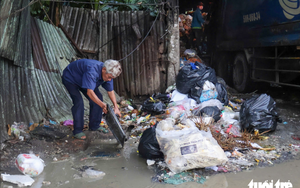
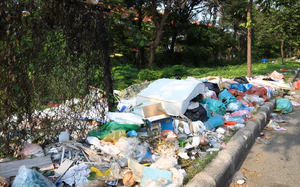
Electronic waste can contain lead, mercury, cadmium and brominated flame retardants. Without proper collection, storage, dismantling and treatment, these substances can be released into the air, soil and water.
"Workers directly involved in collecting, sorting, dismantling and recycling electronic waste face a high risk of exposure, particularly at informal facilities lacking protective equipment and safe working conditions," Trung emphasized.
He said Vietnam needed to continue improving policies and strengthening the extended producer responsibility (EPR) obligations of manufacturers and importers to ensure recycling responsibilities were carried out effectively and transparently, in a manner that could be inspected and monitored.
Workers also need training and guidance on identifying hazardous components and following proper procedures for collecting, storing, sorting and treating electronic waste.
Employers should provide personal protective equipment, improve working conditions and control workers’ exposure to risks.


Max: 1500 characters
There are no comments yet. Be the first to comment.