



Hoang Thi Mai, a 40-year-old renter in Tay Thanh Ward, Ho Chi Minh City, works extra hours hoping to buy an air conditioner for her children. Photo: Ngoc Sang
In a 20-square-meter room in Tay Thanh Ward, Hoang Thi Mai, 40, battles the midday heat with two electric fans running at full speed.
Despite the effort, the air remains stifling, and her utility bills have risen by half.
Her family moved from their hometown in Binh Dinh, located in south-central Vietnam, to Ho Chi Minh City more than a decade ago to seek work.
Mai works at a mask factory in Tan Binh Industrial Park while her husband is employed at a wood workshop.
The married couple spend around VND4 million (US$151) on rent and nearly VND10 million ($380) on their two children’s schooling each month.
She often takes on extra work at home to cover expenses.
The heat has also disrupted their daily routines.
Laundry, once done every three days, is now almost daily as the children bathe multiple times a day to cool off.
The increased use of the washing machine has further driven up utility costs.
After the Lunar New Year (Tet) holiday, the landlord raised the monthly rent by VND500,000 ($19).
Despite the higher cost, the family stays because the location is convenient for work and moving would be difficult due to accumulated belongings.
Previously, the family slept on the loft, but for the past month they have moved down to the ground floor to escape the heat.
She hopes to save enough to buy an air conditioner, though rising rent and utilities make that difficult.
Nguyen Van Giang, 36, another renter in Thuan An Ward, faces similar challenges.
Working night shifts at a food company, Giang struggles to rest during the day as his west-facing room reaches nearly 40 degrees Celsius.
Sleep deprivation has weakened his health, forcing him to consider moving or investing in cooling equipment.
His monthly expenses for rent and utilities already reach VND4 million ($151), leaving little room for additional costs.
Freelancer Pham Thu Hong, 25, residing in Di An Ward, spends afternoons in air-conditioned cafes to work.
Her graphic design projects require focus, but her room often hits 37-38 degrees Celsius.
Running the air conditioner non-stop last month pushed her electricity bill to nearly VND1.6 million ($60), with total housing costs close to VND6 million ($227).
She now limits air conditioner use, though cafe visits add new expenses.
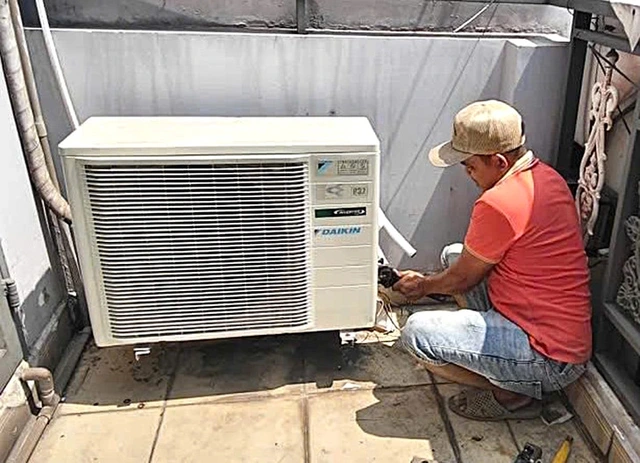
Cleaning and proper use of air conditioners help save electricity costs. Photo: Truc Quyen / Tuoi Tre
Experts said prolonged heatwaves have increased demand for cooling devices, leading to sharply rising electricity bills.
They recommended using fans with natural ventilation during early morning and evening hours.
For air conditioners, setting temperatures between 27 and 28 degrees Celsius and combining them with fans can improve efficiency and reduce energy consumption.
Turning off air conditioners 30 minutes before leaving a room, avoiding the use of multiple appliances simultaneously during peak hours, and regularly cleaning cooling equipment are also recommended to maintain performance and reduce costs.
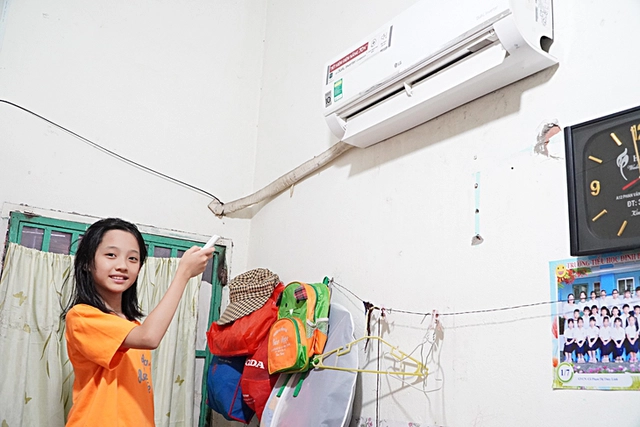
Hoang Lan Anh, 10, living in Tay Thanh Ward, Ho Chi Minh City, shows the new air conditioner her parents bought, though bills will rise. Photo: Ngoc Sang / Tuoi Tre
For some families, installing an air conditioner has become both a necessity and a financial burden.
In the small room of 10-year-old Hoang Lan Anh in Tay Thanh Ward, cool air now greets visitors at the doorway.
Her parents recently purchased an air conditioner after enduring months of extreme heat.
The device has brought relief but also requires additional overtime work to cover the purchase cost and higher electricity bills.
“Before, we placed a bowl of ice in front of a fan to get cool air,” Lan Anh said.
“It only worked for a short time. Now I sleep better and don’t wake up in the heat anymore.”










Max: 1500 characters
There are no comments yet. Be the first to comment.