


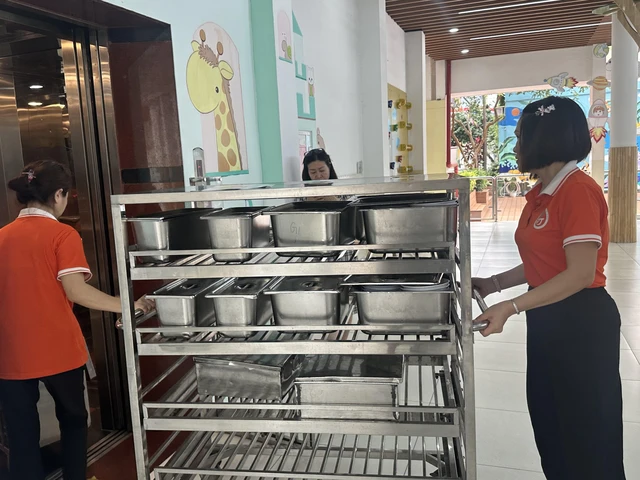
Ho Chi Minh City school kitchens must meet strict food safety standards and operate under a ‘one-way’ process, from receiving ingredients to preliminary processing, cooking, portioning, and cleaning. Photo: Thao Thuong / Tuoi Tre
Under the directive, schools must step up communication and training to ensure staff fully understand and comply with laws on food safety, school health, and nutritional guidance for school meals.
Responsibilities must be clearly assigned to specific departments and individuals, with the head of each institution bearing full responsibility if violations occur.
The department emphasized that all school kitchens, canteens, and collective dining facilities must meet food safety standards and operate under a ‘one-way’ process, from receiving ingredients to preliminary processing, cooking, portioning, and cleaning.
Facilities must separate clean and dirty zones, control pests, and maintain daily sanitation logs.
The directive requires schools to sign contracts only with certified food suppliers.
The selection process must be transparent, with documented evaluations of facilities, transport methods, and delivery procedures.
All food, ingredients, and spices must have clear origins and be traceable by batch.
Schools are prohibited from accepting food that is unverified, expired, spoiled, or damaged.
Records such as contracts, legal documents, invoices, inspection logs, sample storage books, sanitation logs, and official inspection reports must be properly maintained.
Specific rules were highlighted for cooking oil and packaging materials.
Cooking oil must have clear origins, remain within its expiration date, and not be reused or mixed with old oil.
Any oil showing abnormalities must be discarded immediately.
Schools are banned from using foam boxes to store hot or greasy food and from reheating food in foam containers with microwaves.
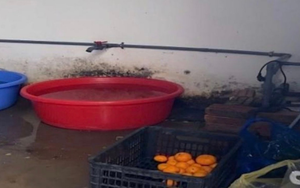
Beyond meals, schools must ensure drinking water and domestic water meet standards, with regular testing.
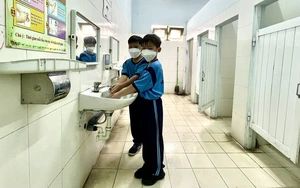
Restrooms must be sufficient in number, clean, ventilated, and sanitized multiple times daily, with monitoring records kept.
Schools are required to conduct regular and ad-hoc inspections, working with parent associations and health authorities to supervise food safety.
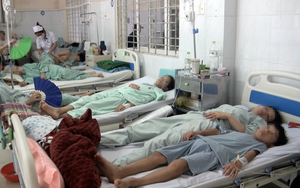
In cases of suspected food poisoning or safety risks, schools must immediately activate emergency response plans, provide first aid, transfer students to medical facilities, preserve the scene, seal food samples, and suspend use of the implicated batch or supplier.
Reports must be submitted urgently to the Department of Education and Training and local authorities within 60 minutes of detection, with full cooperation in investigations.








Max: 1500 characters
There are no comments yet. Be the first to comment.