


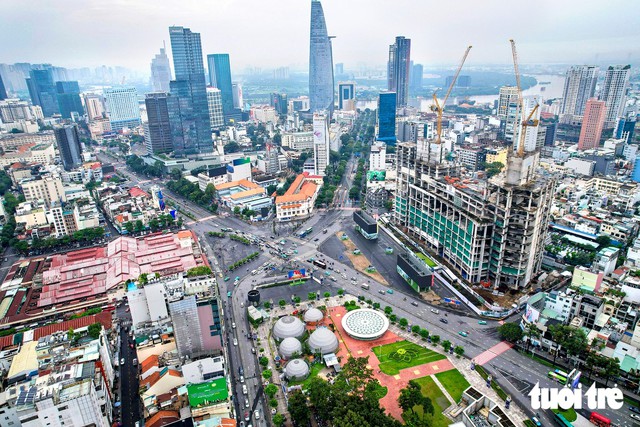
Ho Chi Minh City is moving toward a multipolar urban model, connecting development hubs and tourist destinations. Photo: Quang Dinh / Tuoi Tre
Tourism should not be treated as a service sector that follows infrastructure development. Instead, it needs to be integrated from the outset into the planning of growth hubs and satellite urban centers.
By connecting tourism with data, smart transportation, cultural industries, and interregional value chains, Ho Chi Minh City can turn the sector into a driver of competitiveness and a defining feature of its identity as a global city.
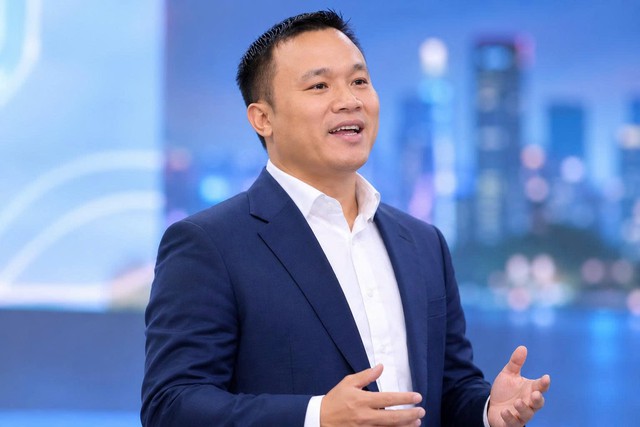
Dr. Duong Thanh Tung, acting head of the Tourism Department under the Faculty of Tourism at Nguyen Tat Thanh University in Ho Chi Minh City.
A megacity is more than just its size
Ho Chi Minh City's adoption of its master plan for 2025-50, with a 100-year vision, marks the beginning of a new phase of development.
In this context, tourism should be recognized as a growth driver capable of stimulating demand for accommodation, transportation, dining, shopping, entertainment, and a wide range of other services.
An international conference or cultural event, for example, can generate additional revenue for hotels, travel companies, artists, and local businesses.
Tourism performance should therefore be measured not only by visitor numbers but also by length of stay, spending, repeat visits, and the economic value retained locally.
In the first 10 months of 2026, Ho Chi Minh City was estimated to have welcomed 9.34 million international visitors and 44.1 million domestic tourists, generating VND307.22 trillion (US$11.9 billion) in tourism revenue, up 37.71 percent year on year.
By 2030, the city aims to attract 20 million international visitors and 67 million domestic tourists, with tourism revenue reaching VND700 trillion ($27.12 billion).
Achieving these targets will require improvements in tourism products, service capacity, and visitor spending rather than simply pursuing higher arrival numbers.
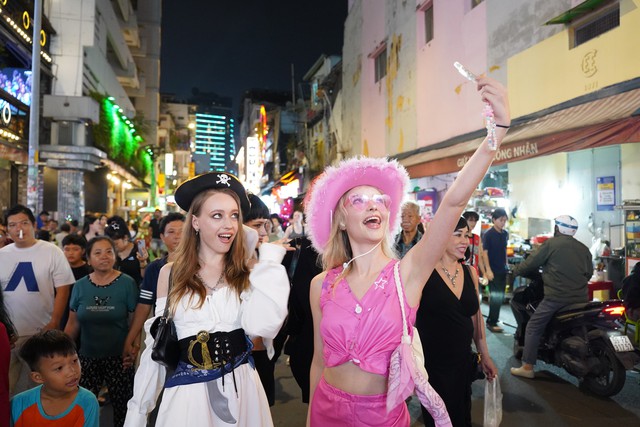
International tourism appeal is one of the key drivers of Ho Chi Minh City's efforts to enhance its competitiveness. Photo: Do Dat / Tuoi Tre
Tourism needs to be incorporated into urban planning from the beginning, with clearly designated areas for financial tourism, international conferences and events, heritage and cultural experiences, culinary tourism, as well as ecotourism, leisure travel, and community-based activities.
Such an approach is essential for a multipolar megacity.
3 phases toward becoming Southeast Asia's leading experience hub
By 2030: Building an interconnected, data-driven tourism network across multiple urban hubs
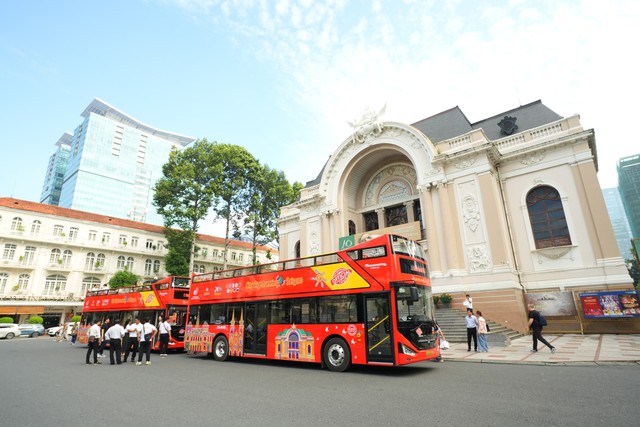
A strong coordination mechanism is needed among urban planning, tourism, transportation, culture, technology, environmental management, and local authorities. Photo: The Kiet / Tuoi Tre
In the medium term, Ho Chi Minh City needs to integrate tourism functions into the development plans of each growth hub and satellite urban center.
The Saigon-Cho Lon-Thu Thiem area could become a major hub for urban experiences, finance, shopping, heritage, cuisine, and international events.
The eastern area could focus on innovation, education, and technology, while the north could combine industrial and logistics activities with experiences beyond the urban core.
The south could develop port-related, commercial, and coastal tourism products, while the west could connect urban development, education, healthcare, and community-based experiences.
Satellite centers such as Con Dao, Long Hai-Ho Tram, Hoc Mon-Cu Chi, Bau Bang, and Tan Uyen-Bac Tan Uyen should be incorporated into a broader tourism network rather than developed as isolated destinations.
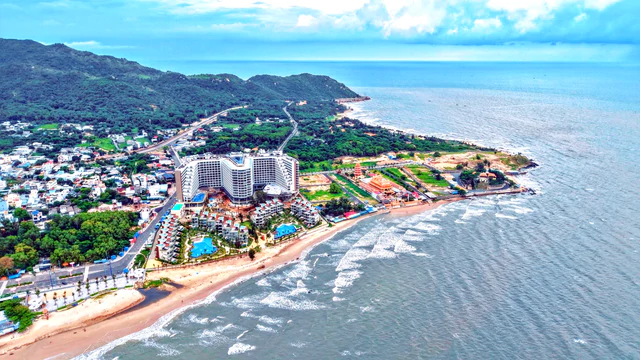
Long Hai attracts visitors with its pristine forests and beaches. Photo: Phan An / Tuoi Tre
Transportation planning must also take tourism demand into account.
Metro lines could stimulate the development of services, retail, and dining around stations, while riverside areas could be connected to boat terminals, restaurants, museums, pedestrian streets, and event venues.
The nighttime economy should be organized around distinctive activity clusters, with adequate security, sanitation, and public transportation.
The city also needs to develop a digital destination map, shared data standards, and systems to monitor visitor flows, helping improve service quality and expand business opportunities across different areas.
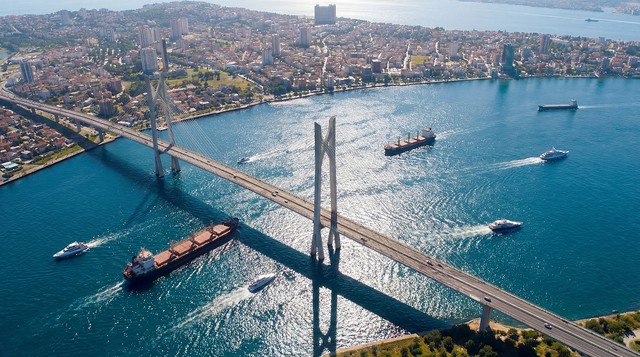
An artist's impression of Can Gio Bridge, a proposed 7.3-kilometer crossing over the Soai Rap River that will directly connect Nha Be and Can Gio. Photo: Masterise Group
2031-2045: Developing an integrated urban experience ecosystem
During this period, Ho Chi Minh City should shift its focus from increasing visitor arrivals to maximizing the value of each trip.
A three-day itinerary, for example, could combine a conference in Thu Thiem with visits to heritage sites and architectural landmarks, cultural performances, riverside dining, and experiences at ecological and creative destinations.
The city should develop an integrated experience ecosystem linking meetings, incentives, conferences, and exhibitions (MICE) tourism with commerce, culture with creative industries, and medical and educational tourism with accommodation and related services.
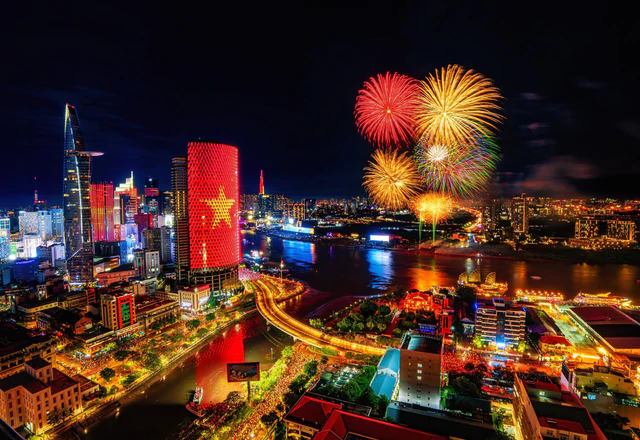
Ho Chi Minh City aims to become a Southeast Asian hub for tourism, culture, and urban experiences. Photo: Tran Hung Phuong
The nighttime economy could also create further opportunities for the arts, dining, and entertainment.
For coastal tourism and Can Gio, development must go hand in hand with protecting mangrove forests, river and marine ecosystems, the environment, and local livelihoods.
From 2045 toward the 100-year vision: Positioning Ho Chi Minh City as Southeast Asia's gateway to diverse experiences
This long-term vision depends on the city successfully completing the earlier stages of transformation.
By then, Ho Chi Minh City should aim to become more than a transit point for international visitors traveling to Vietnam. It should establish itself as a regional center for accommodation, conferences, creativity, culture, and urban experiences.
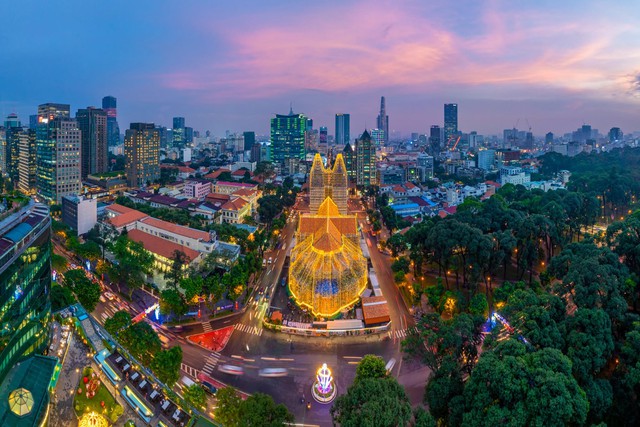
Ho Chi Minh City's expanding urban landscape offers significant potential for developing distinctive tourism products. Photo: Nguyen Sinh Minh Trung
Visitors could explore an itinerary stretching from Saigon-Thu Thiem financial core and Cho Lon's heritage neighborhoods to the city's waterways and the ecological landscapes of Can Gio.
Investors could combine international conferences with visits to innovation ecosystems, while families would have more options for education, healthcare, shopping, and entertainment.
To realize this vision, the city needs to integrate tourism into urban planning, invest in transportation and data infrastructure, and preserve its cultural identity and natural resources.
Implementation will require close coordination among sectors and local authorities, supported by a shared tourism data platform, open connectivity standards that enable small businesses to participate, and mechanisms to support digital transformation.
Technology, including artificial intelligence, could help personalize travel experiences and manage visitor flows, but its application must ensure transparency and data security.
Development outcomes should be measured by length of stay, visitor spending, repeat visitation, local business participation, job quality, and resident satisfaction, rather than visitor numbers alone.
A city's stature lies in the value it creates
According to UN Tourism, international tourist arrivals worldwide reached approximately 1.52 billion in 2025, up four percent from the previous year.
Competition among destinations is no longer simply about attracting more visitors. It also depends on distinctive tourism products, infrastructure, the quality of experiences, and the economic value generated.
Ho Chi Minh City should draw on international experience in infrastructure development and destination management while capitalizing on its own strengths in waterways, heritage, culture, commerce, and services.
The city's 100-year vision must ultimately translate into tangible improvements: more convenient transportation, better access to international visitors for local businesses, more creative spaces for artists, and long-term opportunities that investors can clearly identify.
This article was originally written in Vietnamese by Dr. Duong Thanh Tung, acting head of the Tourism Department at Nguyen Tat Thanh University in Ho Chi Minh City, and rewritten in English by Tuoi Tre News.


Max: 1500 characters
There are no comments yet. Be the first to comment.