


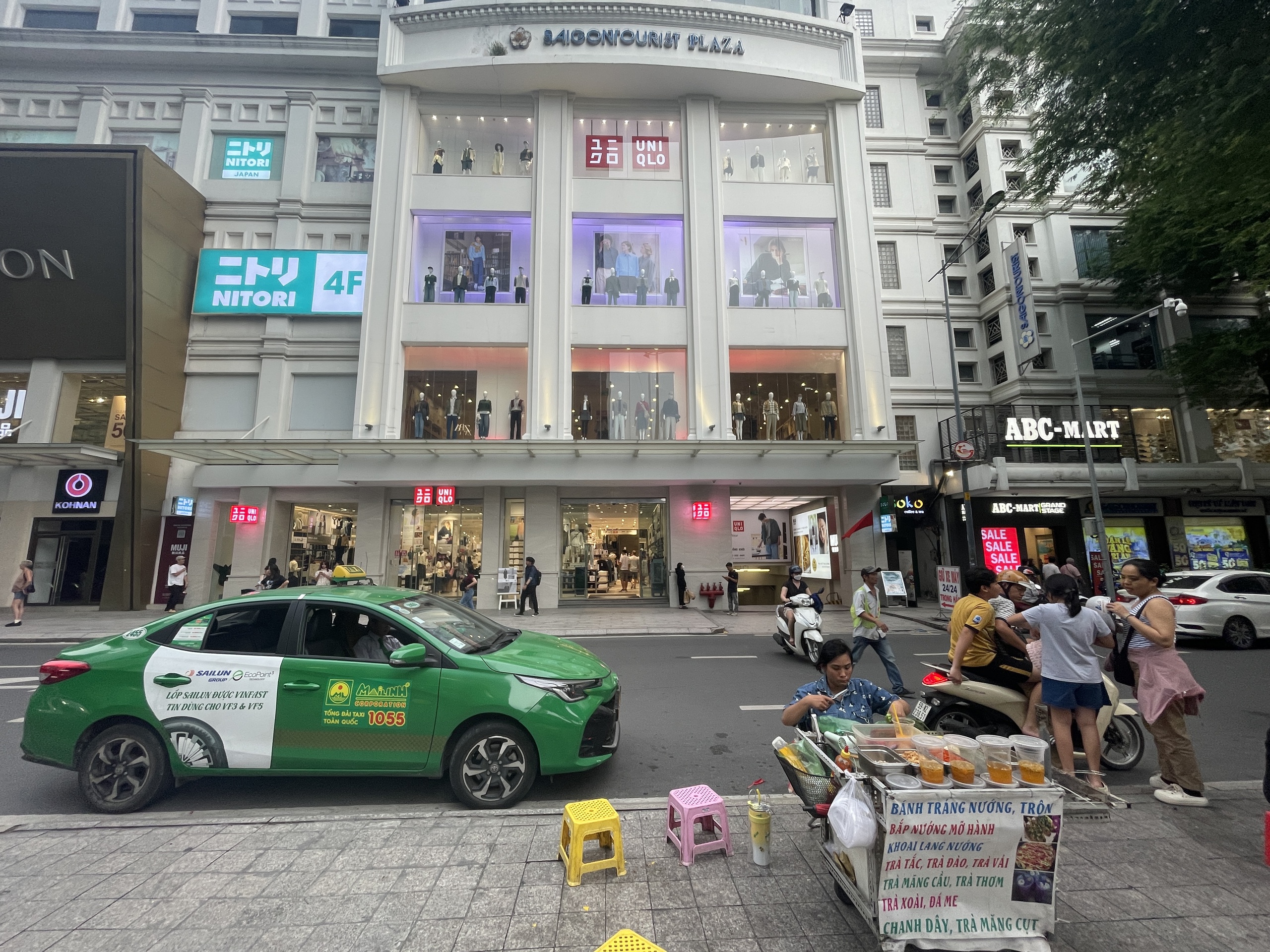
Vietnam is celebrated for its vibrant street food culture, where every corner offers a taste adventure, and simple hygiene awareness may help make the experience safe and enjoyable. Photo: Dong Nguyen / Tuoi Tre News
Food poisoning does occur, but it is far less random than it may seem.
In practice, many Vietnamese diners rely on observation, local knowledge, and experience to reduce risk.
Customer volume matters, especially locals
In eateries, customer volume is a key safety signal. Busy stalls, marked by consistent customer flow, tend to use fresher ingredients that are restocked frequently throughout the day.
Dishes that sell out quickly are less likely to sit for long periods, unlike those in quiet eateries that may be left out for hours.
In Vietnam, popularity often reflects trust built over time.
Eateries packed with local customers often provide an added layer of assurance, as regular diners tend to be quick to notice changes in taste, freshness, or hygiene.
These places survive not on tourist-only visits, but on daily trust from locals.
When the locals keep coming back in large numbers, it usually signals consistency in both food quality and safety.
Hygiene can be observed
Street food does not need to look spotless, but basic hygiene signals still matter.
Clean hands, clear separation between handling food and money, and vegetables that appear freshly washed all help indicate better food handling.
In some eateries, neatly arranged bowls, plates, and utensils that are clean and properly dried are a plus for me.
While the washing process itself is not visible, the way eating utensils are presented neatly and with care suggests attention to basic hygiene.

Food is neatly arranged at an eatery in Ho Chi Minh City. Photo: Dong Nguyen / Tuoi Tre News
I also pay attention to eateries where chopsticks and spoons are kept in covered containers, and herbs or condiments are stored with lids.
These details suggest that the owner takes extra care with food handling.

Herbs and condiments are neatly stored in lidded containers at a 'pho' stall in Ho Chi Minh City. Photo: Dong Nguyen / Tuoi Tre News
That said, bamboo or wooden chopsticks need to be properly dried before being covered, as moisture trapped under lids can lead to mold.
Moreover, if you see the vendor eating the food they cook themselves, it is often an additional positive signal. It suggests a level of confidence in both the ingredients and the preparation that is hard to fake.
Cheapness is not a sign
Vietnamese food is affordable, but extreme cheapness can be a warning sign.
If prices are dramatically low, I tend to doubt, especially for formats that are not typically inexpensive, such as buffets.
Cost-cutting often shows up somewhere in the supply chain, whether in ingredient quality, storage, or food handling.
The simpler it’s prepared, the better
I also tend to avoid foods that are heavily marinated or colored with too many spices and seasonings.

Simply prepared dishes make it easier to judge freshness. Photo: Dong Nguyen / Tuoi Tre News
Strong flavors and intense colors can sometimes mask signs of ingredients that are no longer fresh, using aroma and seasoning to cover underlying quality issues.
Choosing simpler preparations makes it easier to judge freshness by sight, smell, and taste.
Be picky when it comes to seafood
I tend to be particularly selective when it comes to seafood, growing up in a coastal town where freshness is taken seriously.
I once had squid in Ho Chi Minh City that was crunchy in texture but completely lacked its natural sweetness. That contrast was a clear red flag.
Texture can be manipulated, but the umami and natural sweetness of fresh squid are hardly restored once they are gone.
For seafood, opting for places with live tanks or well-iced displays may help.
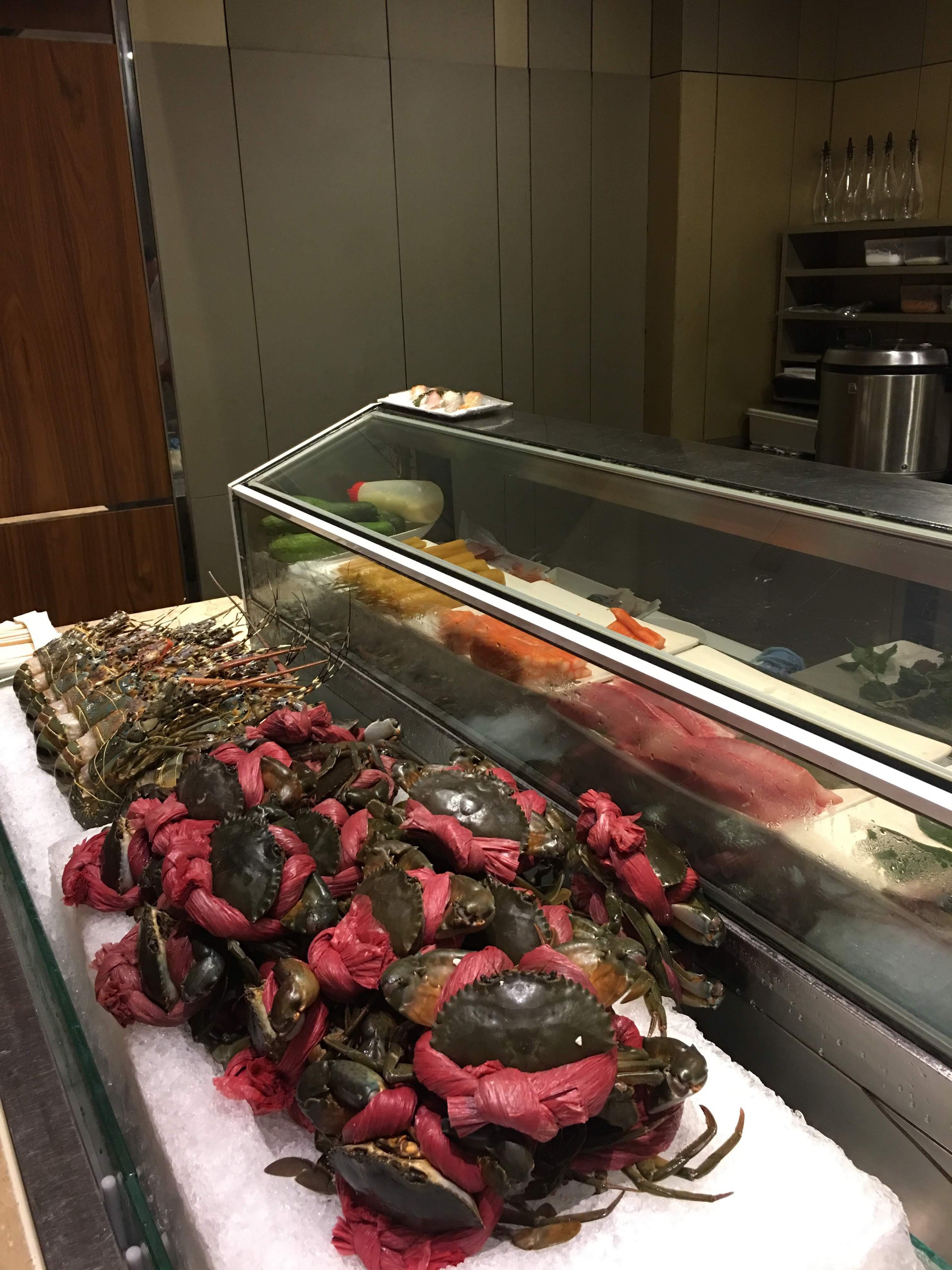
Seafood is displayed on ice at a hotel in Ho Chi Minh City. Photo: Dong Nguyen / Tuoi Tre News
Look at the oil
Vietnamese street food offers many excellent fried dishes, but the oil itself is worth paying attention to.
I always take a quick look at the frying pan: oil that is dark, thick, or burnt-looking often signals that it has been reused too many times. Repeatedly reheated oil not only affects flavor but can also pose health risks.
When the oil looks blackened or smells off, it is best to walk away.

Bright, clear frying oil is a good sign. It indicates the oil is fresh and has not been reused multiple times. Photo: Dong Nguyen / Tuoi Tre News
Give your digestive system time
For first-time visitors to Vietnam, taking it easy at the start can make a difference.
Allowing the digestive system time to adjust to local ingredients, spices, and cooking styles may help reduce unnecessary discomfort.
Rather than trying everything at once, newcomers may ease in by choosing well-known eateries, or starting with widely regarded 'safe' dishes such as hot noodle soups like pho and bun bo, before gradually expanding their choices.
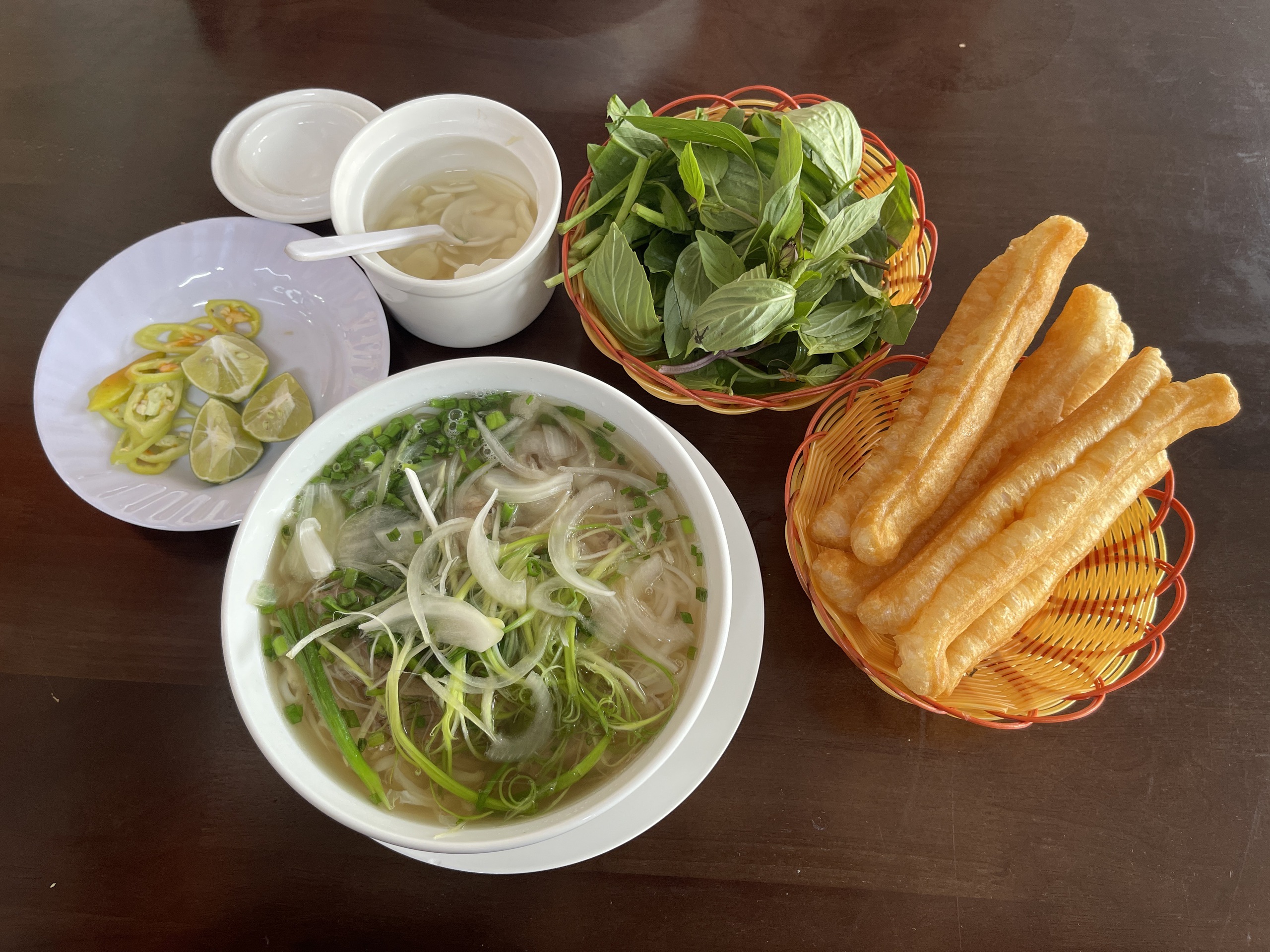
'Pho,' a hot soup with a light, flavorful broth, is often considered a safe choice for first-time visitors to Vietnam. Photo: Dong Nguyen / Tuoi Tre News
Prioritize blanched vegetables
Most of the time, I tend to prioritize blanched vegetables. When eating hot noodle soups in Vietnam, diners are often asked whether they prefer blanched greens or raw herbs on the side, reflecting a common belief among many Vietnamese that blanched vegetables are safer.
Brief exposure to boiling water helps lower bacterial risk while still preserving much of the vegetables’ freshness and texture.

Blanched vegetables are served alongside crab noodle soup in Phan Rang City, now part of Khanh Hoa Province, Vietnam. Photo: Dong Nguyen / Tuoi Tre News
Ultimately, avoiding food poisoning in Vietnam comes down to a combination of personal attentiveness and trusting the right signals.
Observing customer volume, hygiene practices, freshness, and preparation methods can go a long way, but it also depends on eateries taking food safety seriously.
Choosing places where the owner shows care in handling ingredients, maintaining clean utensils, and respecting basic hygiene standards benefits everyone.
Staying alert as a diner helps reduce risk, but a shared commitment to safe practices by both customers and vendors is what truly keeps the food culture enjoyable and reliable.








Max: 1500 characters
There are no comments yet. Be the first to comment.