


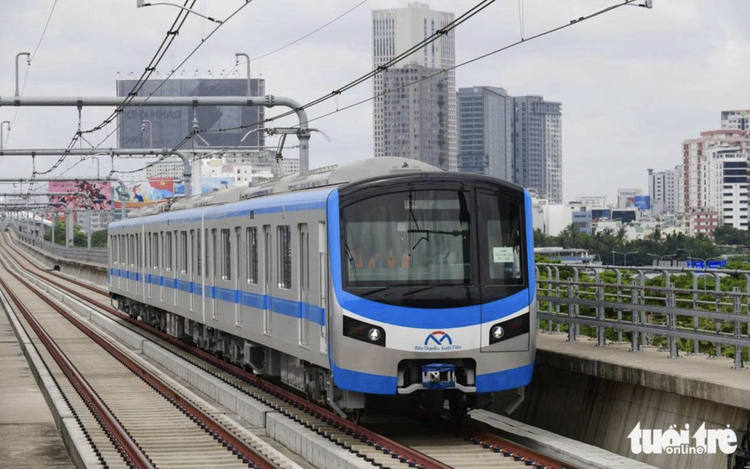
A train runs on the Ben Thanh - Suoi Tien metro line in Ho Chi Minh City. Photo: Quang Dinh / Tuoi Tre
The city defined the project as a strategic mission to ease traffic congestion, reduce pollution, and reshape urban development.
Viewed against reality, the target is daunting.
After nearly two decades, the city has so far managed to put into operation only metro line No.1, the 19km Ben Thanh - Suoi Tien route.
However, the current context is markedly different.
Ho Chi Minh City is no longer starting from ‘square one’ thanks to the amended Resolution No. 98 passed by the National Assembly, which grants the city powerful special mechanisms and opens the door for a potential breakthrough – if these tools are used effectively.
The resolution creates a new institutional framework that frees metro development from outdated thinking.
For the first time, Ho Chi Minh City has been allowed to pilot exceptional mechanisms in investment management, public finance and budgeting, land administration, and organizational structure.
For metro projects, this shift is crucial.
The traditional investment model has revealed serious shortcomings: prolonged procedures, inflexible adjustments, and fragmented accountability.
The city needs to boldly apply Resolution No. 98 by concentrating authority in a single, strong focal agency responsible for the entire process, from project preparation and land clearance to construction and operation, instead of dividing responsibilities among multiple bodies as before.
Another major innovation is the adoption of transit-oriented development (TOD) and the capture of land value gains around metro stations.
This approach has been successfully implemented in many major cities worldwide: metro systems do not merely consume public funds but also generate new economic value to help finance themselves.
The challenge lies in making TOD substantive rather than symbolic.
Ho Chi Minh City must re-plan areas around stations with higher density and mixed-use functions – housing, commerce, services, and offices – while organizing transparent auctions for land-use rights and development rights.
The resulting increase in land value should be reinvested directly into metro infrastructure, creating a sustainable financial cycle.
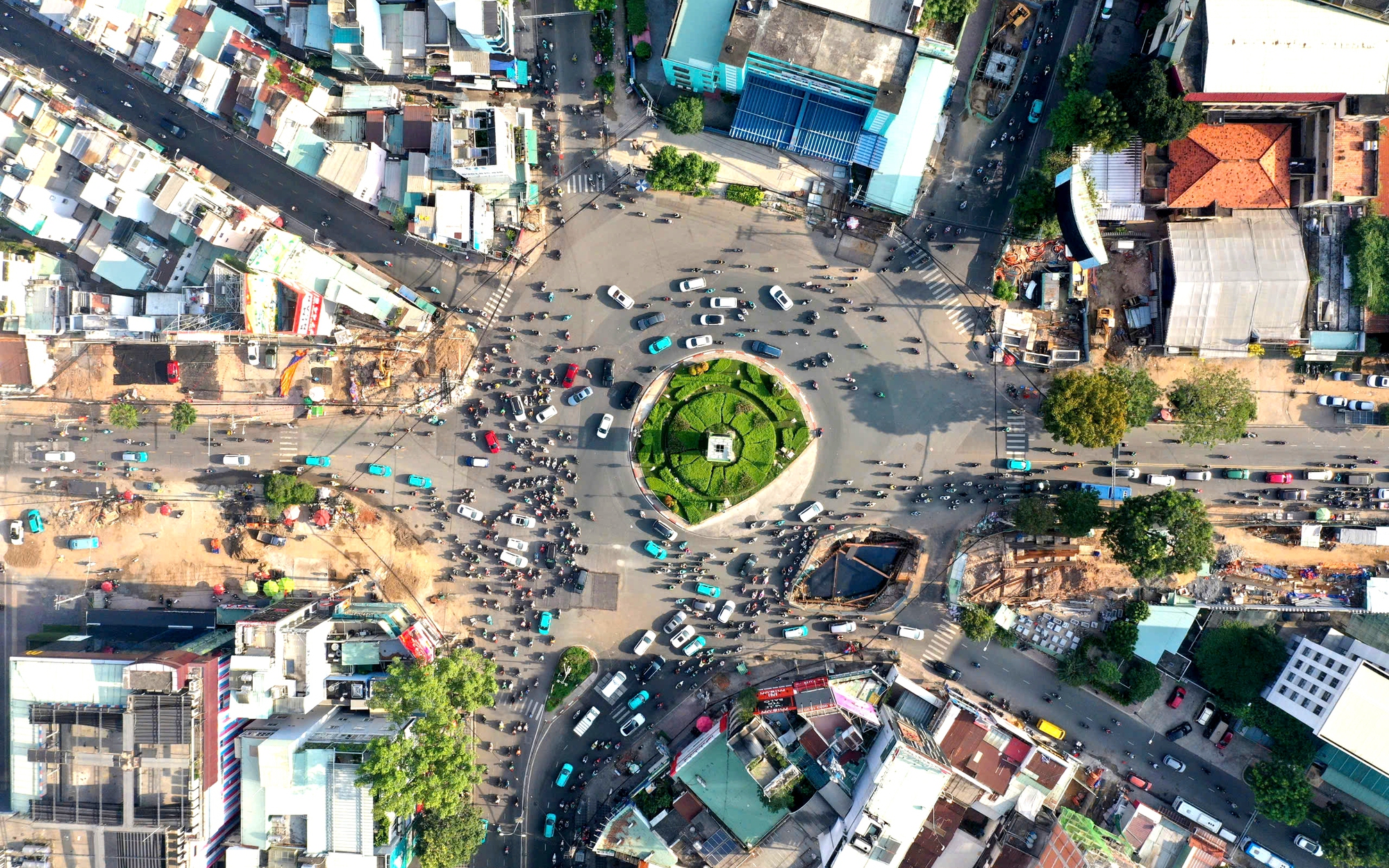
Land clearance remains the decisive battleground and must be addressed early and decisively.
Even with special mechanisms and new funding sources, continued delays in site clearance would make the 2030 goal unattainable.
The city should separate land clearance into independent projects implemented in advance, while flexibly applying compensation and resettlement mechanisms in the spirit of Resolution No. 98.
Transparency and the protection of legitimate public interests will not only reduce disputes but also build social consensus for metro projects that span many years.
A major limitation in previous phases was that each metro line was treated as a stand-alone project with different technical standards, technologies, and designs.
To implement multiple lines in parallel within a short timeframe, Ho Chi Minh City should develop a unified set of standards for the entire metro network, from station design and rolling stock to signaling systems.
Once investment is industrialized, preparation time and costs can be significantly reduced.
Human resource development and domestic management capacity are also indispensable.
The revised Resolution No. 98 allows the city greater flexibility in organizational arrangements and in attracting high-quality talent.
This is an opportunity for the southern metropolis to build a strong pool of metro specialists, from project management to operation and maintenance.
Mastery of technology and governance will reduce reliance on foreign partners and ensure the long-term sustainability of the metro system.
The mechanisms are in place and the tools have been handed over, so what remains is the determination to act.
Metro development must be defined as a long-term strategic priority, immune to shifts in political terms.
The target of 187km of metro by 2030 will be a major test of Ho Chi Minh City’s governance capacity and its courage to innovate.
If the city can fully leverage the revised Resolution No. 98, implement TOD in a meaningful way, and take responsibility through to the end, the metro will become more than just urban railway lines.
It will be the lever that propels Ho Chi Minh City into a new phase of development – modern, sustainable, and more competitive.
* This article was originally written in Vietnamese by Dr. Huynh The Du and translated by Tuoi Tre News.









Max: 1500 characters
There are no comments yet. Be the first to comment.