
2 children die of dengue in central Vietnam as doctors warn of severe complications
A 3-year-old girl in Dak Lak Province and a 12-year-old patient in Da Nang City, both in central Vietnam, have died from severe dengue fever, prompting health authorities and medical experts to warn of potentially life-threatening complications, even as a patient's fever subsides.
According to Dak Lak health authorities, the 3-year-old girl, identified by her initials H.S.N., from Ea Wi Hamlet in Krong Pac Commune, died after around 10 days of illness.
She developed a fever, dry cough, and runny nose on the evening of November 6.
Her family took her to Krong Pac Medical Center the following day before she was transferred to the Central Highlands General Hospital, where a rapid NS1 antigen test returned a positive result for dengue.
By November 10, she had developed abdominal pain, diarrhea, and fluid accumulation in her abdomen and pleural cavities.
Her condition worsened the following morning, when doctors diagnosed severe dengue with shock, liver damage, and blood clotting disorders and transferred her to the pediatric intensive care unit.
She subsequently developed severe respiratory failure, multiple organ failure, gastrointestinal bleeding, and a critically low platelet count, despite intensive treatment.
With her prognosis extremely poor, her family requested to take her home on November 16, and she later died.
An epidemiological investigation found that her grandmother had also contracted dengue and tested positive for the NS1 antigen.
She was discharged from hospital on November 13, while no other family members had reported symptoms.
As of November 18, Dak Lak had recorded more than 12,800 dengue cases.
Meanwhile, Da Nang had reported more than 10,724 cases since the beginning of 2026, up 3.4-fold from the same period last year.

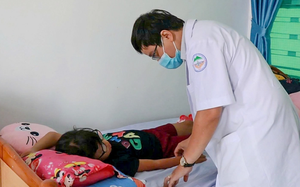
A patient with severe dengue fever receives treatment at the Hospital for Tropical Diseases in Ho Chi Minh City, Vietnam. Photo: Thanh Hiep / Tuoi Tre
The Da Nang Obstetrics and Pediatrics Hospital reported on November 6 that a 12-year-old patient from An Hai Ward had died from severe dengue the previous day, after 17 days of treatment.
The patient, admitted on October 23, also suffered from severe pneumonia, overweight, and related complications, according to the hospital.
Severe dengue can damage multiple organs
Severe dengue can cause life-threatening complications, including dengue shock syndrome, severe bleeding, and multiple organ failure.
Dengue shock occurs when plasma leaks from blood vessels, causing blood pressure to drop and reducing blood supply to vital organs.
Patients may develop cold extremities and pale skin.
Severe bleeding can result from low platelet counts and blood clotting disorders, causing nosebleeds, bleeding gums, vomiting blood or black stools.
In serious cases, bleeding may occur in the brain or retina.
Other complications include liver damage, acute kidney failure, myocarditis, heart failure, pleural effusion, and nervous system disorders such as encephalitis and cerebral hemorrhage, which can lead to confusion, seizures or coma.
Pregnant women with dengue face increased risks of miscarriage, premature delivery and low birth weight, and may transmit the virus to their fetuses.

A healthcare worker administers a dengue vaccine to a young man at a Long Chau vaccination center. Photo: Long Chau pharmacy and vaccination system
Watching for warning signs and closely monitoring dengue progression
Dr. Le Thi Giao Thi of the Long Chau pharmacy and vaccination system, operated by FPT Retail, a subsidiary of Vietnamese conglomerate FPT Group, said children and adolescents need close monitoring when infected with dengue.
Initial symptoms in young children can be difficult to recognize, while adolescents may also develop severe complications despite being otherwise healthy.
Families should seek medical attention if children develop sudden high fever, headaches, body aches, nausea or rashes, particularly in areas reporting dengue cases.
Warning signs requiring immediate medical attention include persistent or severe abdominal pain, repeated vomiting, nosebleeds, bleeding gums, extreme fatigue, unusual drowsiness or restlessness, inability to drink, reduced urination and cold hands and feet.
Difficulty breathing, confusion, vomiting blood or passing black stools require emergency medical care.
Dr. Thi stressed that parents and caregivers should remember that dengue can enter its critical phase between the third and seventh days of illness, even when a patient's fever begins to subside or disappears completely.
Families should therefore not assume that the disease has run its course simply because the patient's body temperature has returned to normal, but they should continue to monitor the child's condition closely, attend follow-up appointments, and follow medical advice.
Mosquito control and vaccination key to dengue prevention
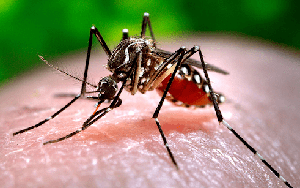
Preventing mosquito bites and eliminating breeding sites are essential to reducing dengue transmission, experts said.
Measures include eliminating mosquito larvae, removing containers and objects that collect standing water, keeping the surroundings clean, sleeping under mosquito nets and using mosquito repellents.
Along with these measures, dengue vaccination also plays an important role in providing additional protection by helping the immune system develop a response to the virus and reducing the risk of infection and hospitalization.
As dengue cases continue to rise in multiple localities across Vietnam and there is currently no specific drug to treat the disease, health experts stress the importance of combining mosquito control, vaccination and early recognition of warning signs.

Vinh Tho - Duong Lieu / Tuoi Tre News
Link nội dung: https://news.tuoitre.vn/2-children-die-of-dengue-in-central-vietnam-as-doctors-warn-of-severe-complications-1032611191831348.htm