
From ‘pho’ to ‘banh xeo’: Vietnamese restaurant in Denmark brings Nordic twist to traditional dishes
From crispy Vietnamese pancakes to steaming bowls of 'pho,' a Vietnamese restaurateur is winning over diners in Copenhagen with a creative fusion of Vietnamese and Scandinavian flavors.
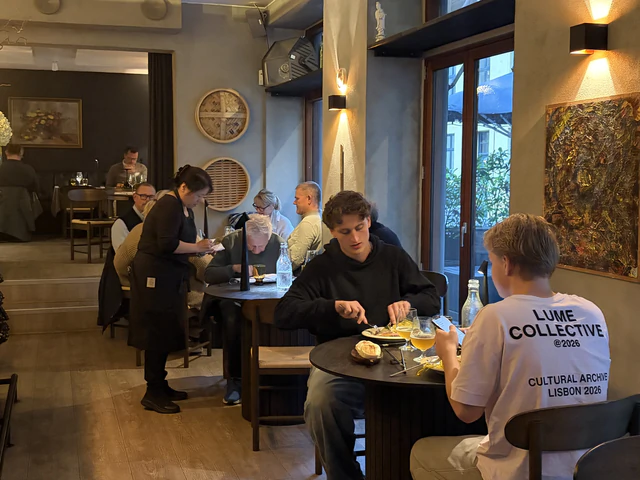
The cozy atmosphere at Vietnamese Table in Copenhagen, Denmark. Photo: Nghi Vu / Tuoi Tre
Do Duc Huy, who moved to Denmark at the age of 15, has spent nearly a decade building Vietnamese Table, a restaurant that combines traditional Vietnamese dishes with local European ingredients.
His ambition goes beyond introducing Vietnamese cuisine to Danish diners. He hopes that one day, dishes such as pho and fresh spring rolls will become part of everyday meals in Danish households.
“Just as Italian pasta has become part of Danish meals, I dream that one day Vietnamese pho will find its place on Danish dinner tables,” Huy said.
Vietnamese flavors meet Nordic ingredients
Located on Godthåbsvej Street in Frederiksberg, part of the Copenhagen metropolitan area, Vietnamese Table offers a diverse menu ranging from traditional street food to inventive dishes combining Vietnamese flavors with European ingredients.
Among its most popular offerings is banh xeo, a crispy Vietnamese pancake prepared with Norway lobster instead of the shrimp commonly used in Vietnam.
Bun thit nuong, or rice vermicelli with grilled pork, features Iberico pork, while fresh Danish oysters are paired with Vietnamese green chili salt.
Other creations include green papaya salad with venison wrapped in betel leaves, steamed rice rolls topped with dried shrimp, and duck served with fermented tofu sauce.
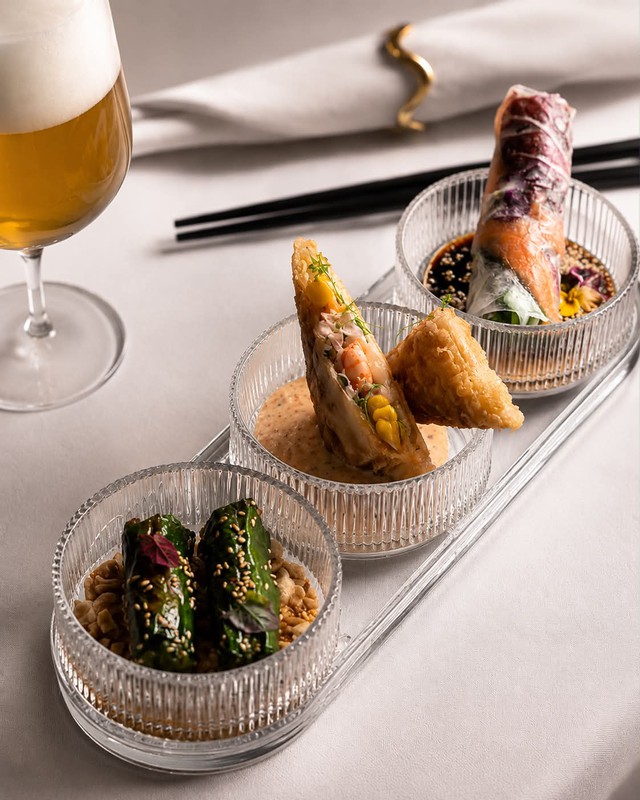
A wide variety of Vietnamese dishes served at the restaurant. Photo: Vietnamese Table
Traditional favorites such as crispy Vietnamese spring rolls and com tam, or broken rice with grilled pork chops and Vietnamese pork and egg meatloaf, also feature on the menu.
One dish that has particularly impressed Danish diners is goi cuon, or fresh spring rolls, served with mam nem, a pungent Vietnamese fermented fish dipping sauce.
Huy prepares the sauce with lemongrass, sautéed chili, and pineapple, creating a balanced flavor that appeals even to customers initially hesitant about its strong aroma.
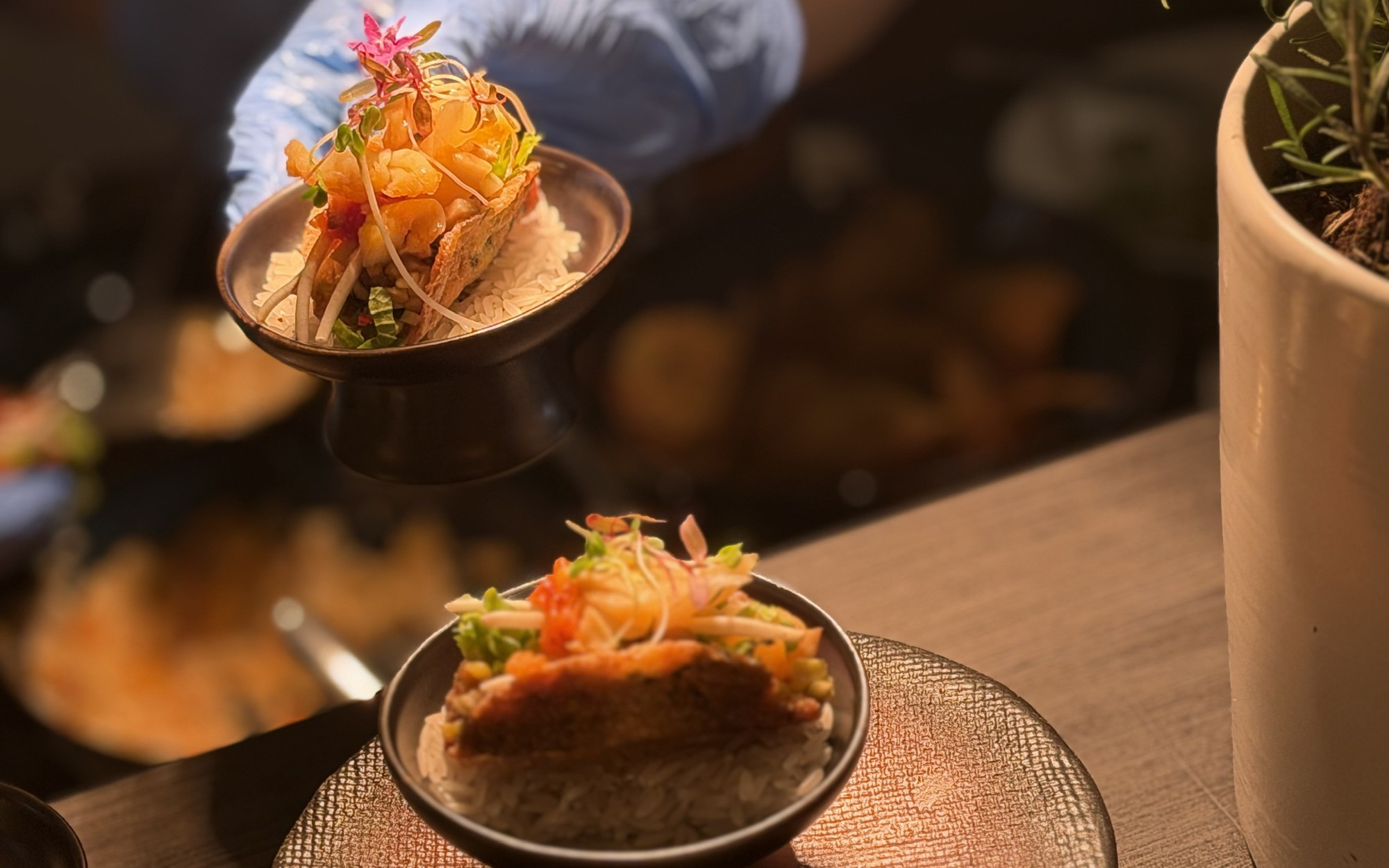
"Customers really enjoy our mam nem because we make it with lemongrass, sautéed chili, and pineapple," he said.
His spring rolls also feature salmon, mango, and fresh vegetables, ingredients readily available in Danish supermarkets.
By introducing the Vietnamese practice of wrapping fresh ingredients in rice paper rather than serving them as a conventional Western-style salad, Huy hopes to encourage local diners to recreate Vietnamese dishes at home.
He believes the exchange between culinary traditions allows different cultures to complement and enrich one another.
More than a bowl of 'pho'
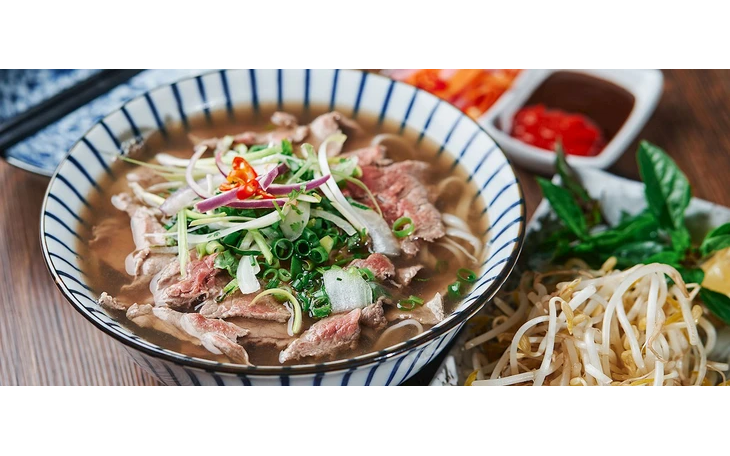
Despite the restaurant's extensive menu, pho remains its best-selling dish.
Huy serves southern-style beef pho alongside northern-style chicken pho flavored with ginger and spring onions, showcasing the regional variations of Vietnam's iconic noodle soup.
Unlike dishes that incorporate European ingredients, his pho retains traditional Vietnamese spices, including cinnamon and star anise.
In the restaurant's early years, Huy had to bring these spices from Vietnam himself before finding more reliable suppliers.
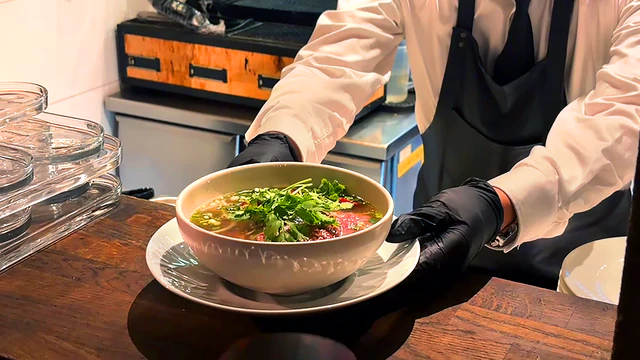
A steaming bowl of pho served at Vietnamese Table. Photo: Nghi Vu / Tuoi Tre
For Huy, however, pho represents more than a traditional dish. Its lengthy preparation also reflects the care and affection that go into cooking for loved ones.
"A bowl of pho takes hours of simmering bones to prepare. When you devote that much time to something, you are putting your love and care into it," he said.
That philosophy is rooted in memories of his mother, who spent hours cooking and searching for ingredients to recreate Vietnamese meals for her family in Denmark.
After her death, Huy opened the restaurant partly to preserve those memories and share the warmth of Vietnamese family meals with people from other cultures.
Having studied philosophy, he sees a connection between the Vietnamese tradition of gathering around the dinner table and hygge, the Danish concept of coziness, comfort, and spending quality time together.
That sense of togetherness is also reflected in the restaurant's interior, which Huy decorated himself with images of Vietnamese conical hats, traditional rice cakes, and circular patterns symbolizing unity.
"The spirit of togetherness is something the world is increasingly losing," he said.
Through both his food and the restaurant's welcoming atmosphere, Huy hopes to preserve the values of family meals in modern life.
Bringing Vietnamese cuisine closer to Danish households
Beyond attracting local customers, Vietnamese Table has also become a destination for Vietnamese tourists, business travelers, and diplomatic delegations visiting Copenhagen, including those accompanying high-level official visits.
Drawing on his own experience, Huy said Vietnamese people in Denmark have earned a positive reputation through hard work, independence, and dedication to education.
"Danish people have a great deal of affection for Vietnamese people," he said.
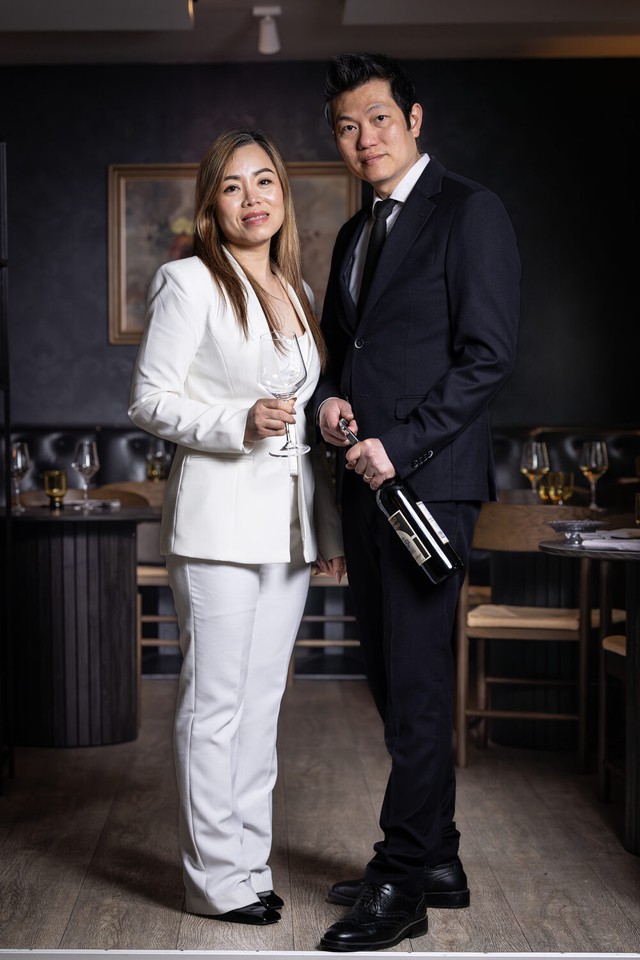
Restaurant owner Do Duc Huy. Photo: Vietnamese Table
For Huy, running Vietnamese Table is not merely about building a successful business but also about maintaining his connection to Vietnam while contributing to the community where he grew up.
Nearly a decade after embarking on his restaurant venture, his ambition remains unchanged: to make pho, fresh spring rolls, and other Vietnamese dishes familiar choices not only at restaurants but also around family dinner tables across Denmark.
Ngoc Nguyen - Nghi Vu / Tuoi Tre News